Photo credit: THE PEWPEW ZONE/YouTube
Some guns seem like they should have disappeared years ago. Maybe the design looked dated, the market moved in another direction, or newer options seemed to make them unnecessary. Buyers love to assume the next trend will bury everything that came before it.
Then certain guns keep selling, keep showing up at ranges, keep riding in holsters, and keep earning spots in gun safes. They may not always be the newest answer, but they still solve real problems for real shooters. That is why they are still here.
Ruger Mini-14
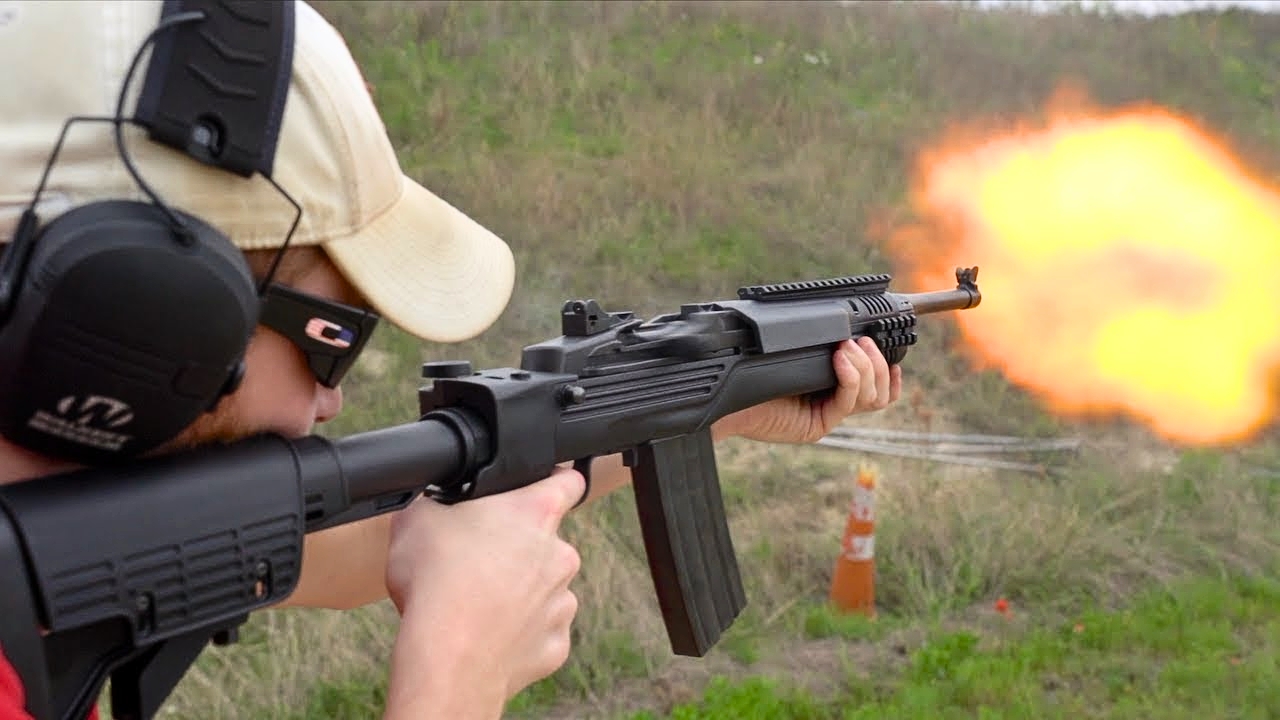
The Ruger Mini-14 has been written off more times than most rifles. People complained about accuracy, compared it endlessly to the AR-15, and acted like it had no reason to survive once black rifles became normal everywhere.
Yet the Mini-14 never really went away. It is handy, reliable, familiar to shooters who like traditional stocks, and still useful as a ranch, truck, or utility rifle. Newer versions are generally better than the old reputation suggests. It may never beat the AR on modularity or price, but plenty of shooters still like a semi-auto .223 that does not feel like everyone else’s rifle.
Smith & Wesson J-Frame
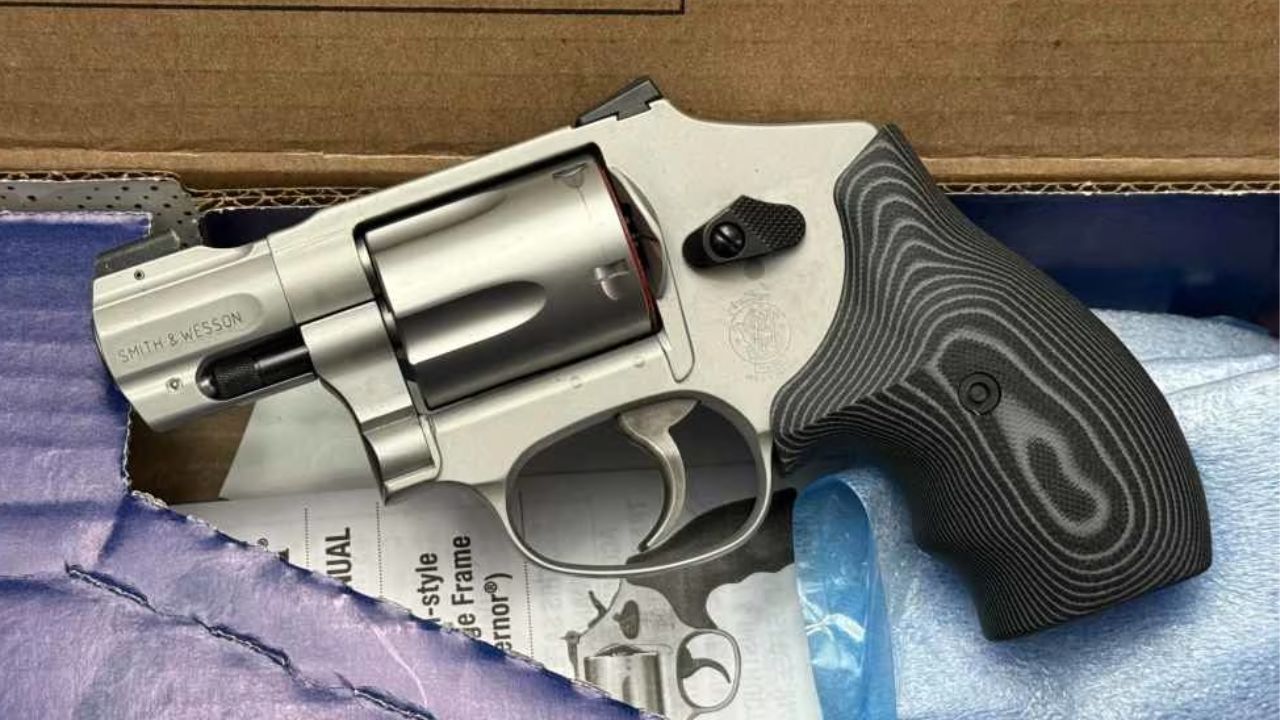
The small Smith & Wesson J-Frame should have been buried by slim 9mm pistols if you only listened to spec-sheet arguments. Five shots, heavy double-action trigger, short sight radius, and real recoil in lightweight models all seem like strikes against it.
Still, the J-Frame survives because it carries when other guns get left at home. It fits pockets, ankle rigs, coat pockets, and low-profile setups better than most pistols. It is not easy to shoot well, but trained shooters understand the point. A J-Frame is not trying to replace a duty pistol. It is trying to be there.
1911 Government Model

Every few years, someone declares the 1911 dead. Then people keep buying them, carrying them, competing with them, collecting them, and arguing about them like the design just came out last month.
The 1911 stays alive because it still shoots beautifully when built and maintained right. The trigger, grip angle, slim frame, and natural pointing feel are hard to ignore. It gives up capacity, demands decent magazines, and asks more from the owner than a basic striker gun. But shooters who understand it still find plenty to like. Old does not automatically mean done.
Marlin 336

The Marlin 336 looked like it might fade when bolt guns, ARs, and long-range hunting rifles took over more of the conversation. A lever-action .30-30 can seem old-fashioned if you only think in terms of distance and ballistics.
But deer woods did not disappear. In timber, brush, and shorter fields, the 336 still makes sense. It carries easily, points fast, and gives hunters enough power for realistic shots. The side-eject receiver also makes scope mounting easier than on some older lever guns. Trends changed, but the need for a handy woods rifle never did.
Beretta 92 Series
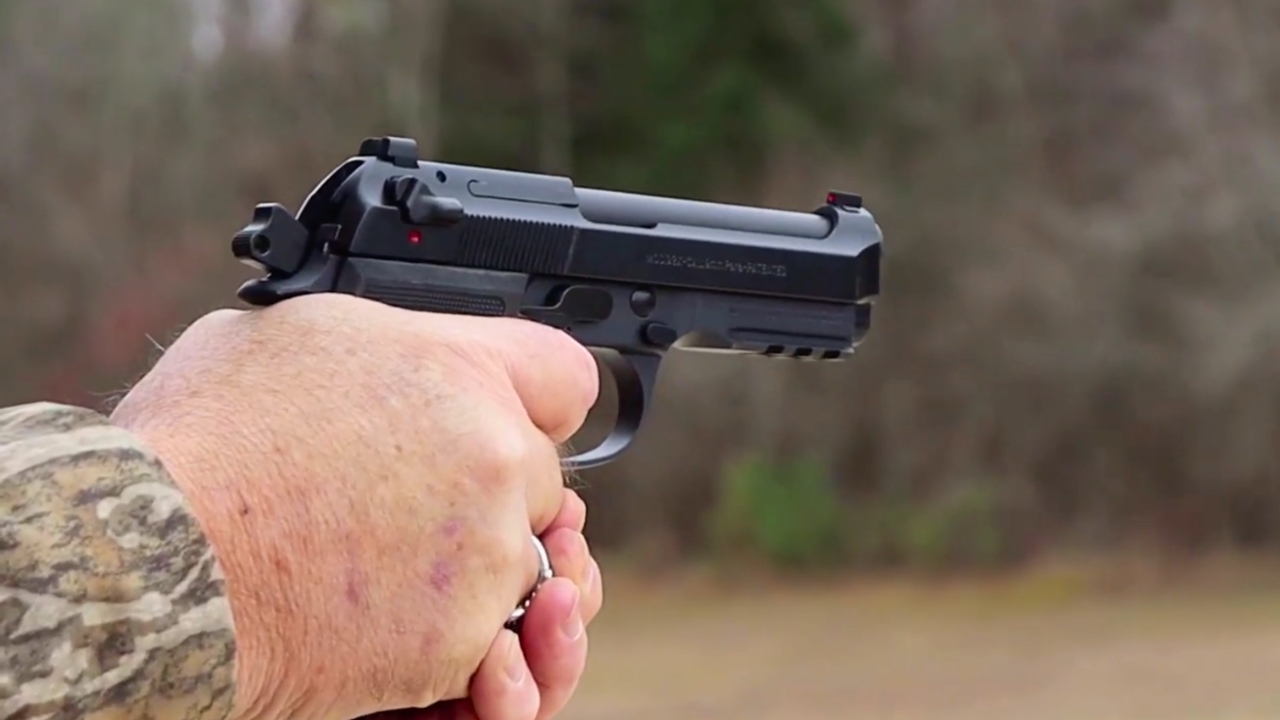
The Beretta 92 series seemed destined to fade once striker-fired pistols became the default. It is large, metal-framed, double-action/single-action, and not exactly built around modern concealed-carry priorities.
Still, the 92 keeps finding buyers because it shoots so well. The recoil impulse is soft, the open-slide design is proven, and the pistol has decades of military, police, and civilian use behind it. It may be too big for many carry setups, but as a range, home-defense, or classic service pistol, it still feels relevant. Some guns survive because shooting them answers the argument.
Ruger 10/22

The Ruger 10/22 has faced endless rimfire competition, tactical-looking .22s, bolt-action trainers, and bargain rifles that tried to take its place. None of them really pushed it out.
The reason is simple: the 10/22 is useful. It is affordable, reliable enough for normal rimfire use, easy to modify, and supported by one of the biggest aftermarket worlds in the gun industry. It works for new shooters, small-game hunters, plinkers, and people who like tinkering. A lot of guns are more exciting when they launch. Few remain as practical for as long.
Browning Hi-Power

The Browning Hi-Power looked like it might be left behind for good when polymer pistols and high-capacity striker guns became the obvious choice. Original production ended, prices climbed, and many buyers treated it like a classic instead of a working pistol.
Then the design kept pulling people back. The grip shape, slim feel, and single-action handling still make sense. Modern versions and clones proved that shooters had not moved on as completely as people thought. It lacks rails, optics, and striker-fired simplicity in classic form, but it still has something a lot of newer pistols struggle to copy: feel.
Remington 870
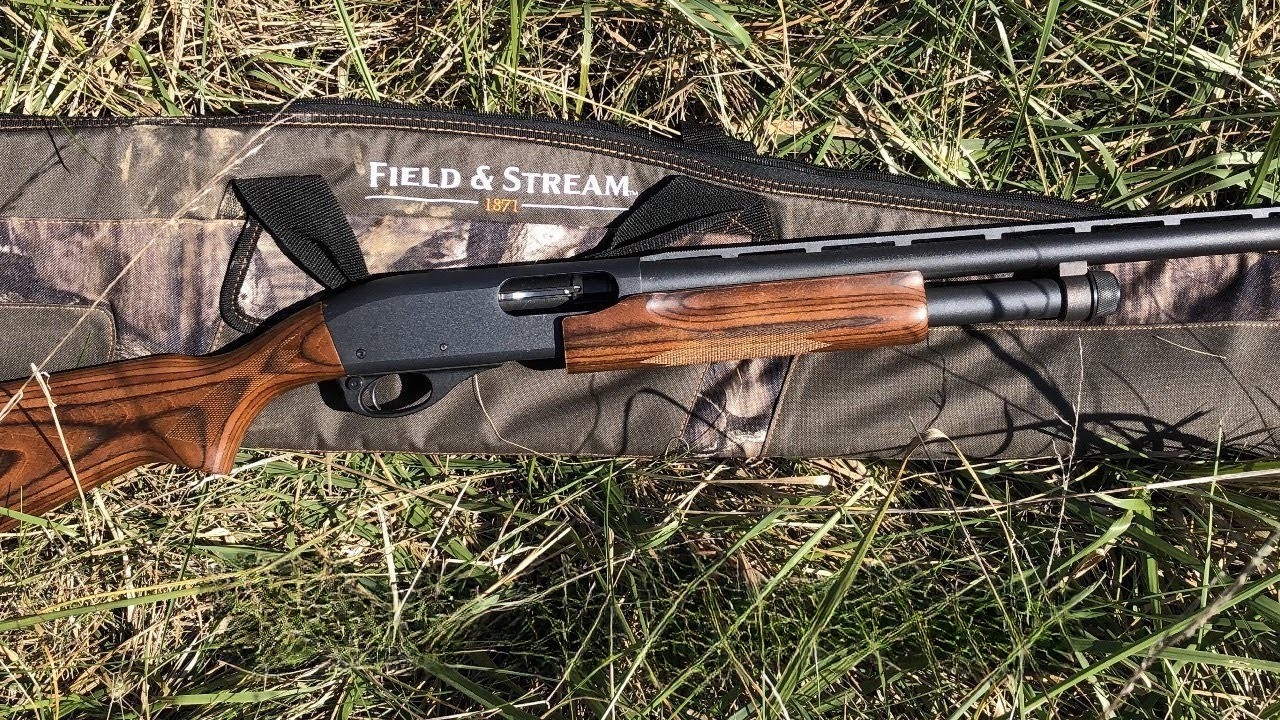
The Remington 870 has taken plenty of hits over the years, especially with complaints about quality during rougher production eras and stiff competition from Mossberg, Benelli, and imported budget pumps. Some people were ready to write it off.
The 870 is still here because the design itself remains solid. Older Wingmasters remain beloved, Police models still have serious credibility, and even newer guns benefit from the platform’s massive parts and accessory support. It is a pump shotgun that can hunt birds, defend a home, ride in a truck, or sit behind a bedroom door. That kind of usefulness is hard to kill.
Glock 19

The Glock 19 should have been replaced by now if internet trends were reality. Every new compact or micro-compact 9mm gets compared to it, and plenty of buyers claim the market has moved on.
Then people keep coming back to the same answer. The Glock 19 carries well enough, shoots well enough, accepts lights and optics, and has unmatched holster and parts support. It is not the smallest, prettiest, or most refined compact pistol. It is simply useful across too many roles to fade. Carry gun, home-defense pistol, training gun, backup duty gun: it still fits.
Winchester Model 94
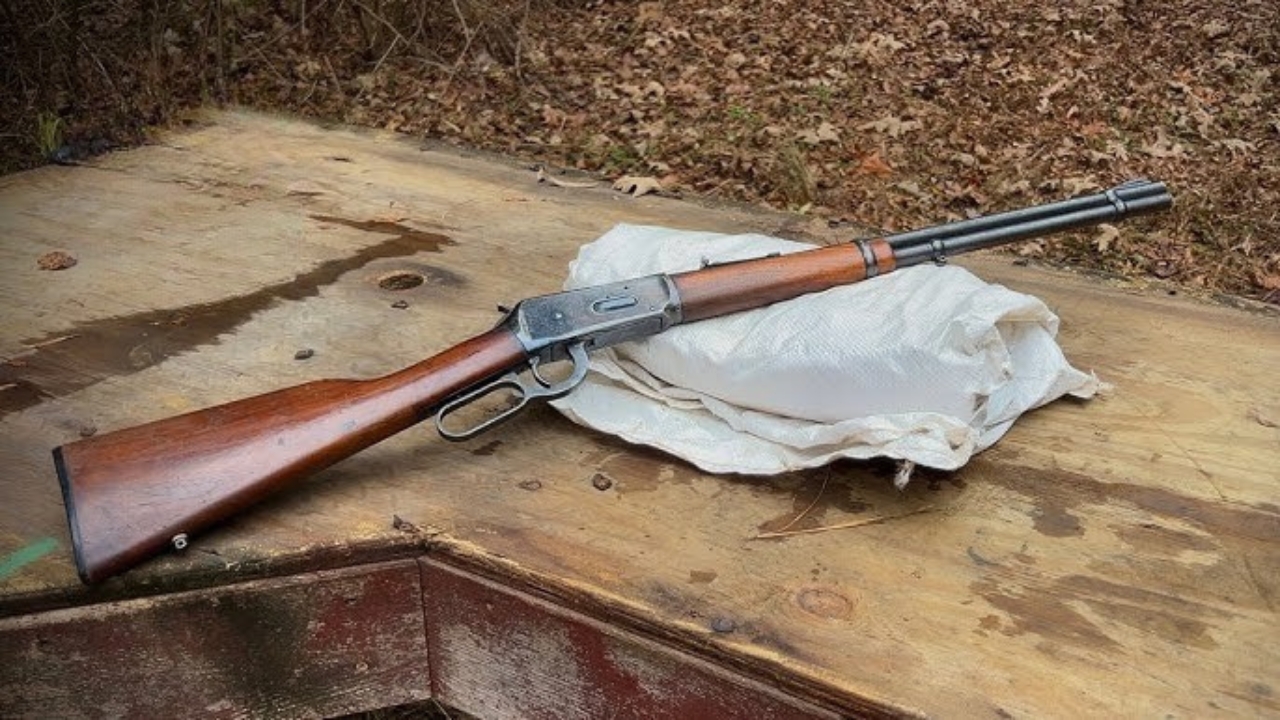
The Winchester Model 94 looked like a relic once scoped bolt guns and modern hunting cartridges dominated the shelves. Top-ejection versions were not scope-friendly, and the .30-30 became easy to dismiss in a world obsessed with long-range numbers.
But the Model 94 never lost its woods-rifle purpose. It is slim, light, quick to shoulder, and easy to carry all day. Within realistic distances, it still works on deer just fine. Hunters who walk timber or sit over tight lanes do not need a heavy precision rifle. They need something that comes up fast and hits where it should. The 94 still does that.
CZ 75

The CZ 75 spent years being less famous in America than it deserved. Then polymer striker pistols took over, and it would have been easy for the old steel DA/SA pistol to slide into history.
Instead, the CZ 75 stayed respected because it shoots so well. The low slide, comfortable grip, and steady recoil behavior make it one of the easiest full-size 9mm pistols to like once you actually use it. Competition shooters, range shooters, and hammer-fired fans kept the platform alive. It is not the lightest or most modern pistol, but it still reminds people that feel matters.
Mossberg 500

The Mossberg 500 has been around long enough that people sometimes forget how good the basic design is. Semi-autos got better, imports got cheaper, and tactical shotguns grabbed more attention. The 500 still kept working.
Its survival makes sense. The tang safety is easy to use, the gun is affordable, parts are everywhere, and it can be set up for hunting, home defense, or general farm use. It may not feel as polished as more expensive shotguns, but it does not need to. A Mossberg 500 is the kind of gun people buy once, use hard, and never feel much need to replace.
Ruger Blackhawk
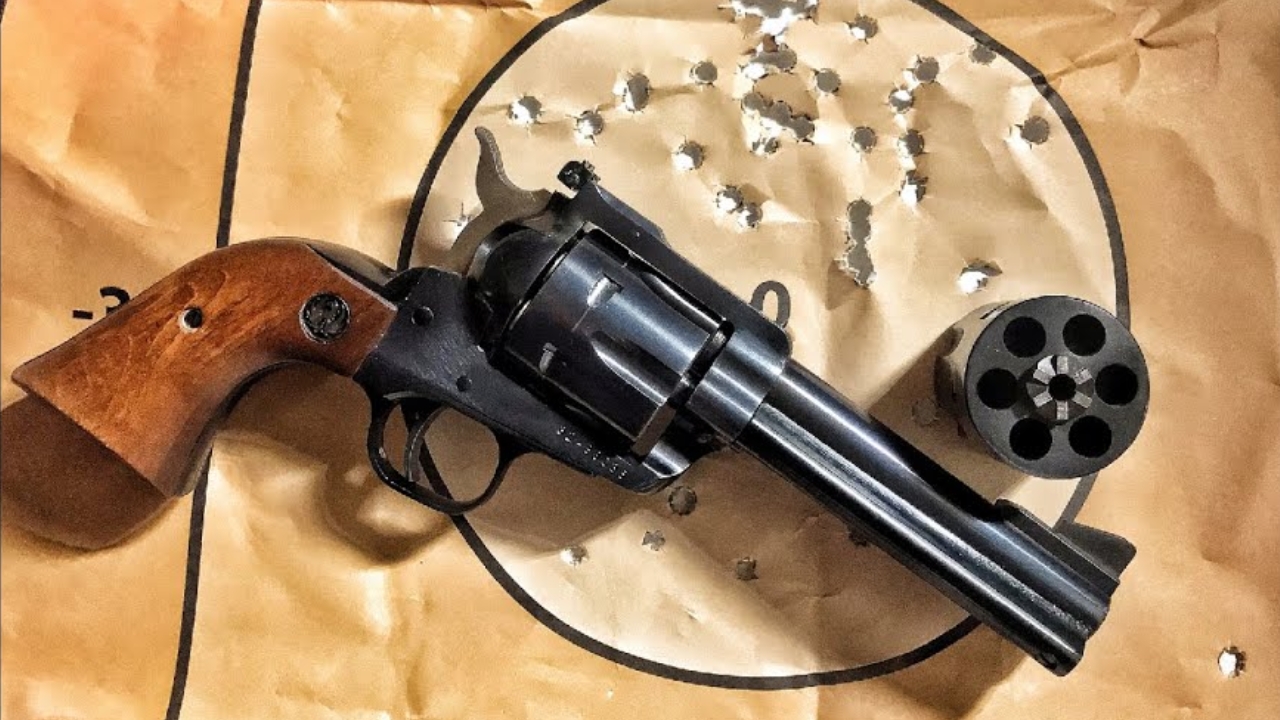
The Ruger Blackhawk seemed like it should fade in a world of high-capacity pistols, red dots, and lightweight carry guns. A single-action revolver is slow to reload and not built for modern defensive habits.
But the Blackhawk was never trying to be that kind of gun. It survives because it is strong, accurate, and useful for hunting, field carry, handloading, and traditional revolver shooting. In chamberings like .357 Magnum, .44 Magnum, and .45 Colt, it gives shooters power and durability that many semi-autos do not touch. Trends change. A tough field revolver still has a job.
Springfield M1A
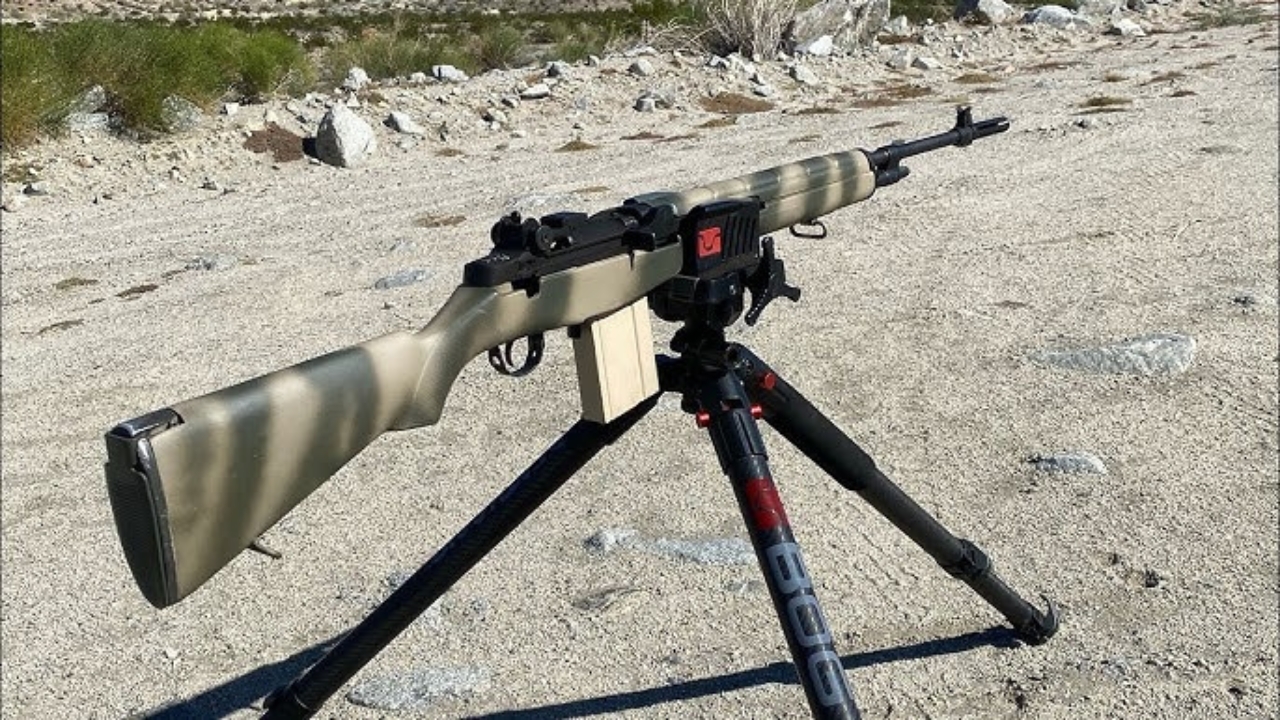
The Springfield M1A has been predicted to fade for decades. AR-10s got lighter, more modular, and easier to scope. Precision bolt guns became better and cheaper. Modern semi-auto .308 options made the old M14-style platform look heavy and dated.
Yet the M1A still has buyers because it offers something different. The sights, stock feel, operating system, and old service-rifle personality still appeal to shooters who want more than pure efficiency. It is not the easiest .308 semi-auto to modernize, and it is not the cheapest to feed. But for people who love the feel of it, the M1A remains hard to replace.
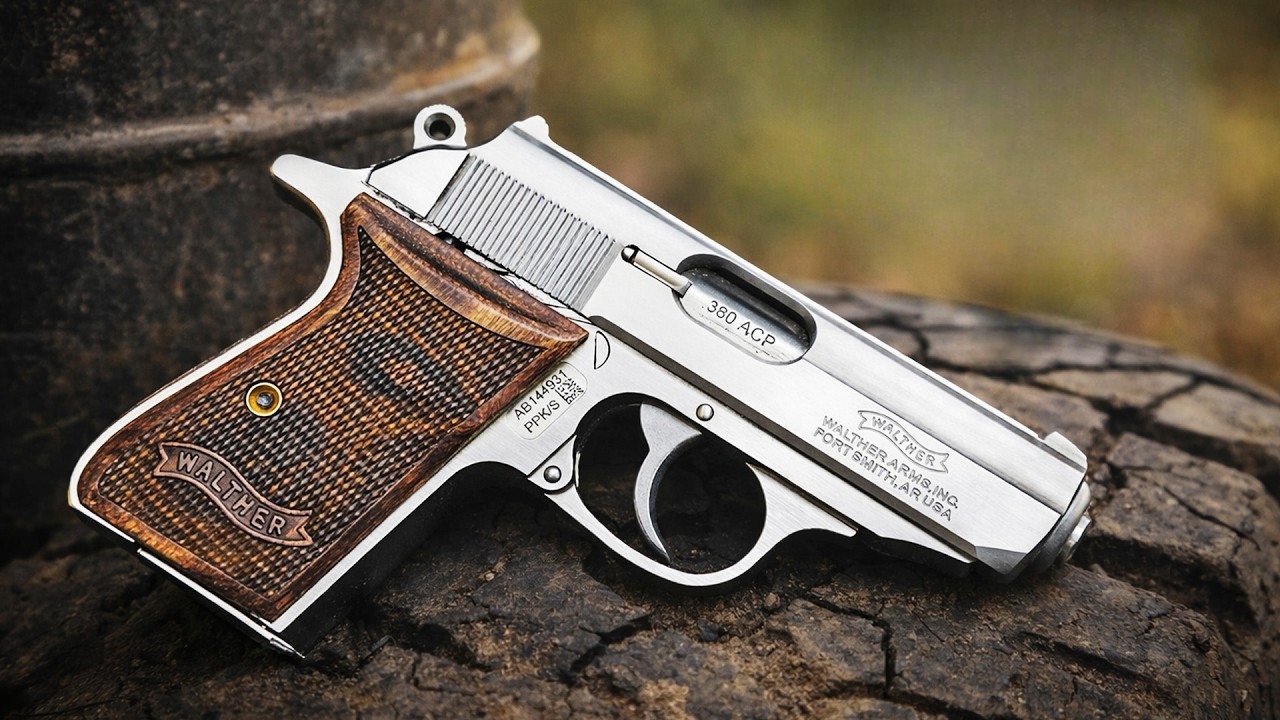
Walther PPK
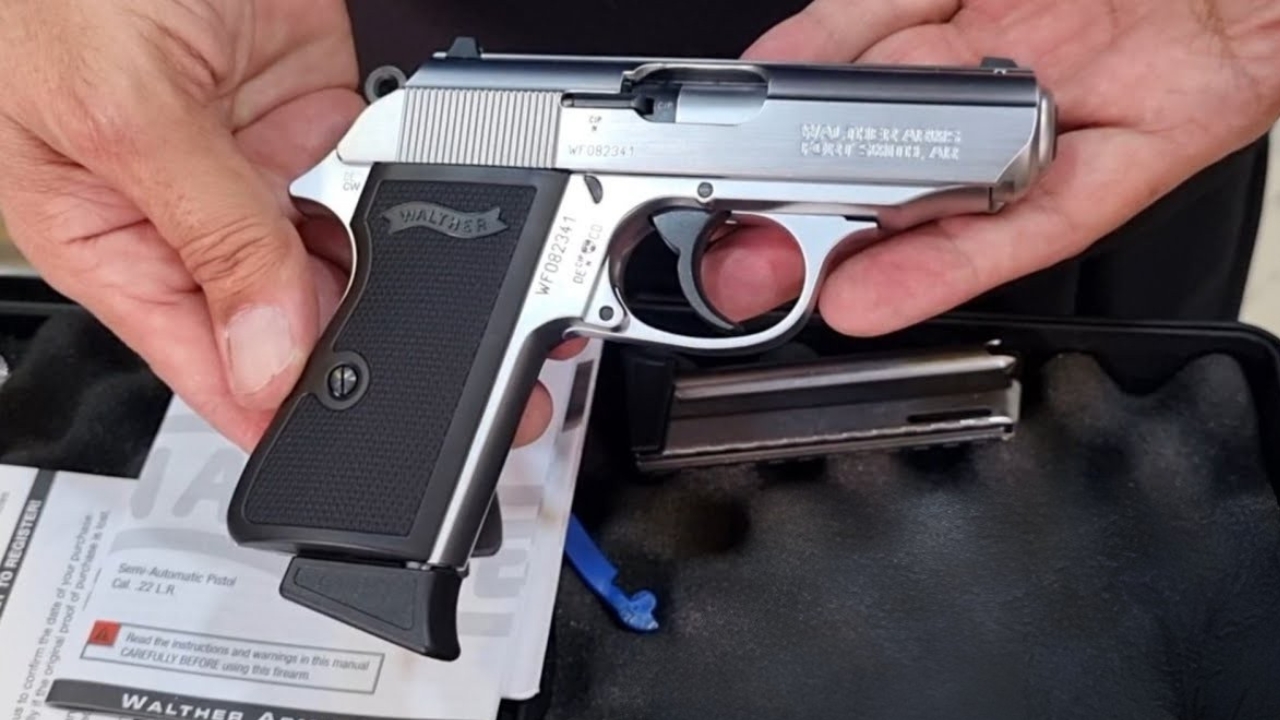
The Walther PPK should have disappeared if pure practicality controlled the market. It is heavier than many modern .380s, has sharp recoil for its size, and does not offer the capacity or ease of carry that newer pocket pistols bring.
Still, the PPK remains because some guns survive on more than numbers. It is slim, elegant, historic, and still useful for people who shoot it well. It carries differently than polymer micro-pistols and has a feel that newer guns rarely match. Is it the most practical .380 today? Probably not. Is it still here for a reason? Absolutely.
Like The Avid Outdoorsman’s content? Be sure to follow us.
Here’s more from us: