Photo credit: Sergej 📸/Pexels.com
A landowner says he was already having a rough enough day when his dad noticed something out near the edge of the property.
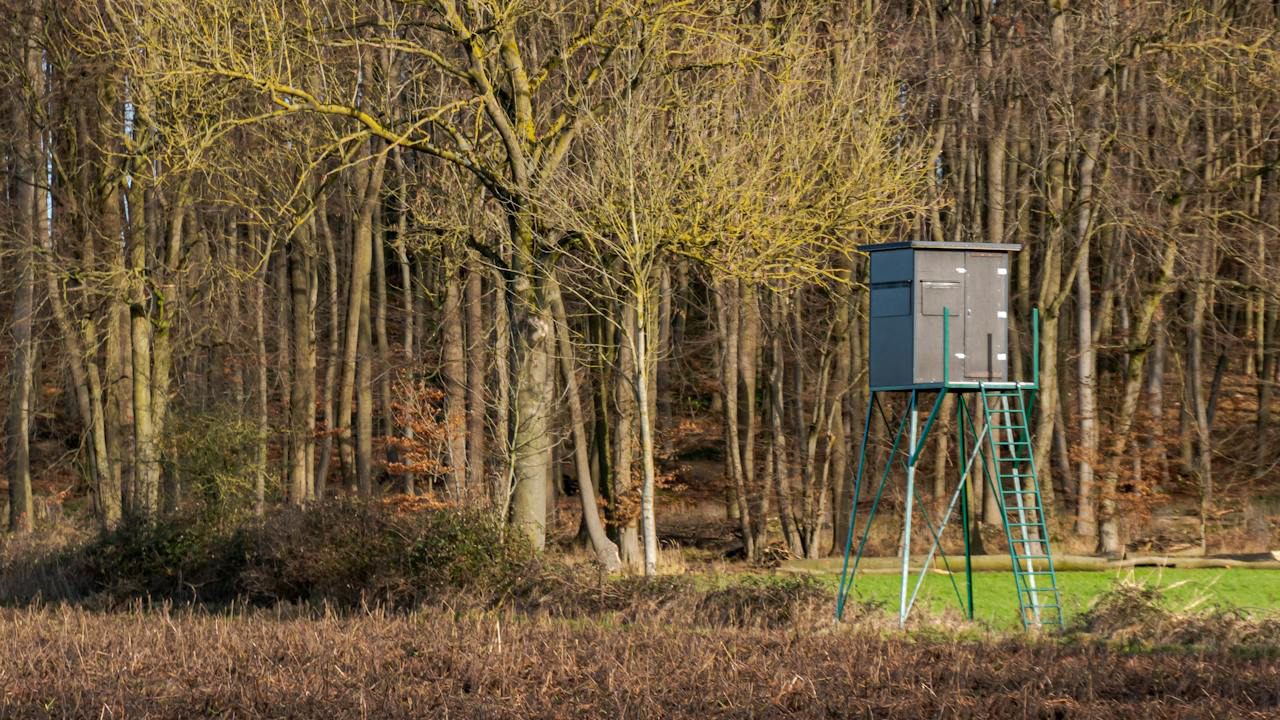
The poster explained in a Reddit post that he was sick and sitting in what he called the heated “Cadi Shack,” overlooking his field, while his dad walked a thicket along the east property line. That was when his dad asked him about a stand on the land.
The problem was simple: it was not their stand.
So the poster got down and went to look. That was when the situation went from odd to aggravating. According to him, there was an ATV trail running right up to the stand. Nearby, he also found a salt lick and a scent drip. He said neither of those were legal where he lives.
That made the whole thing messier than a random trespass setup. A stranger had not only put a stand where it did not belong, but there were signs of baiting or scent use tied to the area. For a landowner, that creates an ugly kind of worry. If illegal hunting activity is happening on or right beside your property, you do not want to be the person who gets dragged into it because somebody else decided the rules did not matter.
At first, the poster was not sure how far to take it. His girlfriend told him not to start a war by tearing the stand down. Her suggestion was to put up a no trespassing sign and leave a note on the seat instead.
That was probably the calmer option. But anyone who has dealt with rural boundary issues knows how quickly “calm” can start feeling like “letting someone walk all over you.” This was his land. The stand was not his. The trail was suspicious. The salt lick and scent drip made it feel even worse.
The stranger also did not seem short on hunting spots. The poster said there was a big permanent enclosed stand on the other side of the line, plus another permanent stand farther south near swamp ground where each owner held part of the area. That left him wondering why anyone would need to cross the line at all.
The mystery got more confusing once he checked the county GIS records. At first, he thought the stand was connected to one house. Then he realized the land records did not match the house he assumed was involved. The house to the east, where the trail seemed to lead, was not actually tied to that property line. Suddenly he was not even sure who he was dealing with.
That uncertainty seemed to slow him down. He did not want to accuse the wrong neighbor or turn a property-line issue into a long-term feud without proof. A friend found two possible property owners on Facebook and sent screenshots. The poster thought he had a good idea which one might be involved, partly because one profile photo showed a man with a bear the poster recognized from a prior encounter near his stand.
Still, he wanted more than a hunch.
He later updated the post after moving a camera into the area and checking the coordinates. He said he used his dad’s Garmin coordinates, converted them, compared the overlay with county GIS records, and worked through the possible margin of error. After that, he said the stand appeared to be roughly 10 yards onto his property.
That changed the tone. Before, he was annoyed and suspicious. After checking the measurements, he felt confident enough to confront whoever was responsible.
He still did not immediately rip the stand down. Instead, he seemed to be leaning toward waiting until the camera caught the person using it. That way, he could be sure he had the right guy before walking into a conversation that might turn ugly.
And that is where the situation gets so frustrating. The poster was not looking for a fight. He was trying to confirm the property line, figure out who the stand belonged to, and handle it without blowing up the neighborhood. But someone else had already created the problem by setting up where they did not belong.
A hunting stand on the wrong side of a line is one thing. Add in an ATV trail, possible illegal bait or scent, and a mystery over who actually owns which parcel, and now a landowner has to think about trespassing, hunting violations, neighbor relationships, future access, and whether a game warden needs to be involved.
Commenters were split between keeping it civil and calling authorities fast.
Some hunters said if the stand was the only issue, they would probably take it down, post the area clearly, and be done with it. But the salt lick and scent drip changed their opinion. Since the poster said those were illegal in his area, several commenters told him to report it rather than risk being connected to something he did not set up.
A few warned that if a game warden found illegal bait or scent near a stand on his land, the landowner could end up having to explain himself even if he had nothing to do with it. Their advice was to document everything, report the setup, and make sure there was a record showing he was not the one using it.
Others thought he should talk to the neighbor first. Their argument was practical. If you live next to someone for years, maybe decades, you may not want the first conversation to involve accusations, police, or a game warden. One commenter suggested approaching it like a mistake: “I think your stand might be over the property line.” That gave the other person room to fix it without turning the whole thing into a feud.
Several people recommended cameras. Not just one, either. Commenters told him to place a cellular camera where it could catch the person using the stand, then hide or elevate it so it would not be easily spotted. One person even suggested using two cameras within view of each other in case somebody tried to remove one.
There were also plenty of comments from hunters who had no patience for the setup. To them, building or placing a stand on someone else’s property was already bad enough. Adding scent and a salt lick nearby made it look intentional, not accidental. Some said the person probably crossed the line because he did not want the illegal parts sitting on his own land.
The calmer voices kept coming back to the same point: get the facts right first. Check the line. Confirm the stand is really over it. Figure out who owns the neighboring property. Then act with proof instead of anger.
That seems to be exactly where the poster landed. He checked coordinates, compared records, moved a camera, and decided he wanted to know who was involved before confronting anyone. Still, once he believed the stand was about 10 yards onto his property, the question was no longer whether the setup belonged there.
It didn’t. And now he had to decide whether to treat it like a neighbor mistake, a trespassing issue, or something the game warden needed to see.