Photo credit: Jne Valokuvaus/Shutterstock.com
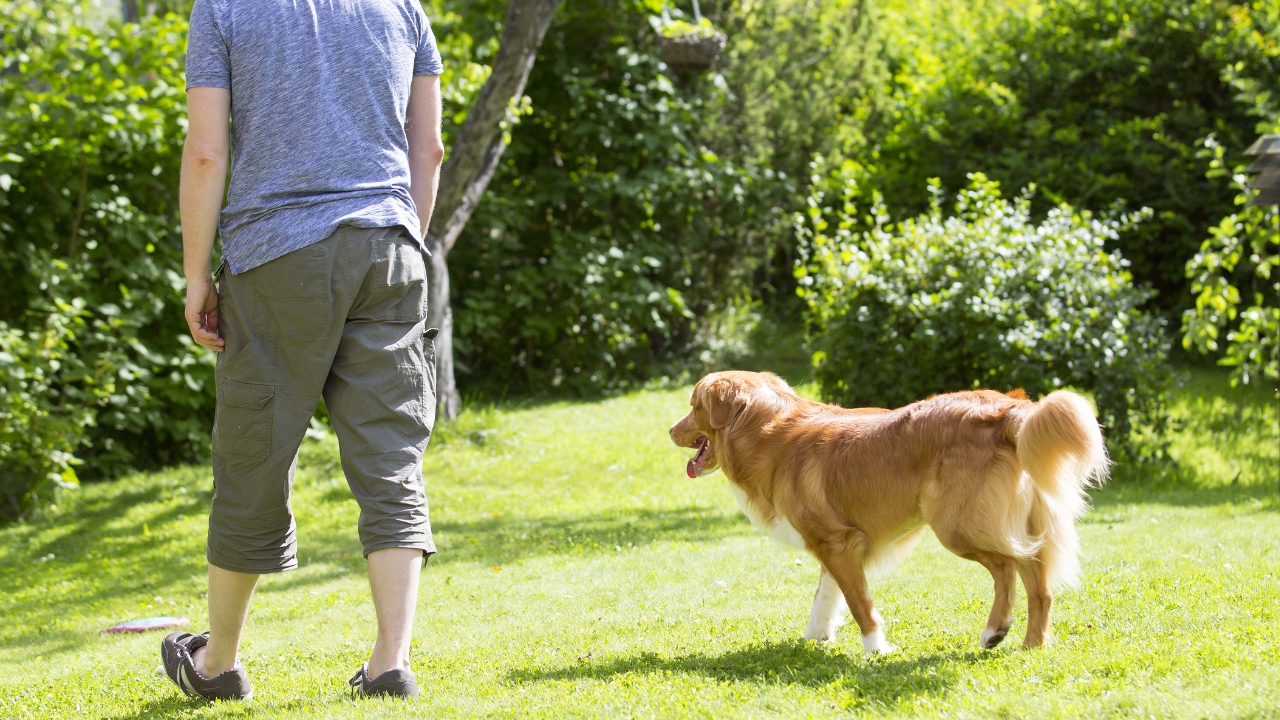
When a dog suddenly starts shadowing you from room to room, waiting outside the bathroom, or refusing to let much distance build between you, it usually means something changed. Sometimes that change is emotional, sometimes physical, and sometimes it has more to do with your routine than with the dog itself. Dogs that become unusually clingy are often reacting to stress, discomfort, aging, or a stronger need for reassurance than they used to show.
A lot of owners read this as their dog “knowing something is wrong,” and in some cases that instinct is not completely off. Dogs are extremely tuned in to human behavior, body language, and scent changes. AKC notes that dogs can detect chemical and hormonal changes linked to illness, which helps explain why some dogs suddenly become more attentive or attached when their person is stressed, sick, or simply not acting like usual.
Your dog may be looking for reassurance because something in life shifted
One of the most common explanations is anxiety or insecurity. VCA says dogs with separation-related problems are often overly attached, follow their owners from room to room, and show distress when distance or departure becomes part of the picture. Even if your dog does not have full-blown separation anxiety, a routine change, more time alone, household tension, visitors, travel, or a recent disruption can make that same “stay close” behavior show up.
Routine matters more to dogs than many people realize. AKC notes that predictable routines can help reduce anxiety, especially in older dogs, which is another reason clingy behavior often starts after schedule changes. A dog that suddenly follows you everywhere may not be trying to be dramatic. It may simply be checking in more because the day no longer feels as steady or familiar as it did before.
Sometimes your dog is reacting to your stress, not its own
Dogs are very good at reading tone, posture, movement, and emotional changes in the people they live with. That means your dog may start following you more closely when you are stressed, run-down, sick, or acting differently in ways you barely notice yourself. AKC says dogs can detect illness-related chemical changes, and that kind of sensitivity likely overlaps with how dogs respond when their people feel off in general.
This is why the behavior can feel so personal. Your dog may not know the reason in a human sense, but it can still tell your scent, energy, or daily rhythm changed. From the dog’s point of view, staying close is a practical response. It is a way of monitoring you, staying connected, and getting reassurance at the same time. That is often what makes the following feel more intense than normal affection.
Pain or discomfort can make a dog clingier than usual
Behavior changes are sometimes the first clue that a dog does not feel right. AKC says sudden behavior changes can reflect physical discomfort, and a dog that starts following you more than usual may be seeking comfort or security because something hurts or feels wrong. This is especially worth thinking about if the clinginess comes with panting, restlessness, appetite changes, trouble settling, or less interest in normal activity.
That matters even more when the dog also seems more sensitive than usual. AKC notes that newly increased noise sensitivity can sometimes point to undiagnosed pain. So if your dog is following you closely and also reacting harder to sounds, touch, movement, or nighttime changes, I would not treat it like a harmless personality quirk right away.
Older dogs often do this because the world feels less certain
Age changes a lot of things for dogs. AKC says older dogs can show behavioral and mental changes tied to pain, confusion, anxiety, and cognitive dysfunction, while age-related hearing and vision loss can also be disorienting. When a senior dog starts following you more, it may be because staying near you feels safer than navigating the house independently the way it used to.
That is why clinginess in an older dog deserves a closer look, especially if it is new. If the following comes with wandering, staring, sleep changes, confusion, accidents, or nighttime pacing, AKC says cognitive dysfunction becomes part of the conversation, with signs often beginning around nine years of age and progressing gradually.
Grief and social changes can also trigger it
Dogs can become more attached after a loss or major household change. VCA cites research showing that after the loss of another family pet, surviving dogs were often more affectionate and became clingy. So if your dog has started following you closely after another pet died, someone moved out, or the household dynamic changed, that behavior may be part of grief or social disruption rather than simple neediness.
Dogs are social animals, and when their structure changes, they often rebalance by attaching more strongly to the person who feels most stable. In that context, following you is not random at all. It is the dog trying to re-anchor itself.
The pattern matters more than the following itself
A dog that casually trails you now and then is probably just being a dog. A dog that suddenly seems unable to relax unless it is touching distance away is telling you more. The important questions are simple: Is this new? Is the dog otherwise acting normal? Did something in the home change? Is the dog older? Are there any signs of pain, confusion, or stress alongside the clinginess? Those details usually point you toward the real answer faster than the following behavior alone.
Most of the time, your dog is not following you because of some mysterious sixth sense. It is usually reacting to change, stress, attachment, discomfort, aging, or your own altered behavior. But when the clinginess is sudden, intense, or paired with other changes, it is worth paying attention to, because dogs often show you something is off before they can show you exactly what it is.
Like The Avid Outdoorsman’s content? Subscribe to our newsletter so you never miss an article.
Here’s more from us: