Photo credit: GNX Collectibles/GunBroker
Some guns look tempting before you actually live with them. Maybe the price is low, the name is familiar, the design looks clever, or the marketing makes it sound like the answer to a problem you had not even thought about. Then you shoot it, carry it, hunt with it, clean it, or try to find parts and realize the shine wore off fast.
That does not mean every gun here is worthless. Some owners like them, and some examples run fine. But these are the firearms a lot of buyers end up wishing they had skipped because the tradeoffs showed up quicker than the value did.
Remington R51

The Remington R51 had a lot of people curious when it came back. It was slim, different, and tied to an old design idea that sounded like it could make a compact carry pistol softer and smarter than the usual options.
Then the launch damaged trust badly. Reliability complaints, awkward handling impressions, and rough owner experiences made it hard for many buyers to feel good about the purchase. A carry pistol has to inspire confidence fast. The R51 did the opposite for too many people. Even if some later guns improved, the reputation stuck.
Taurus Curve
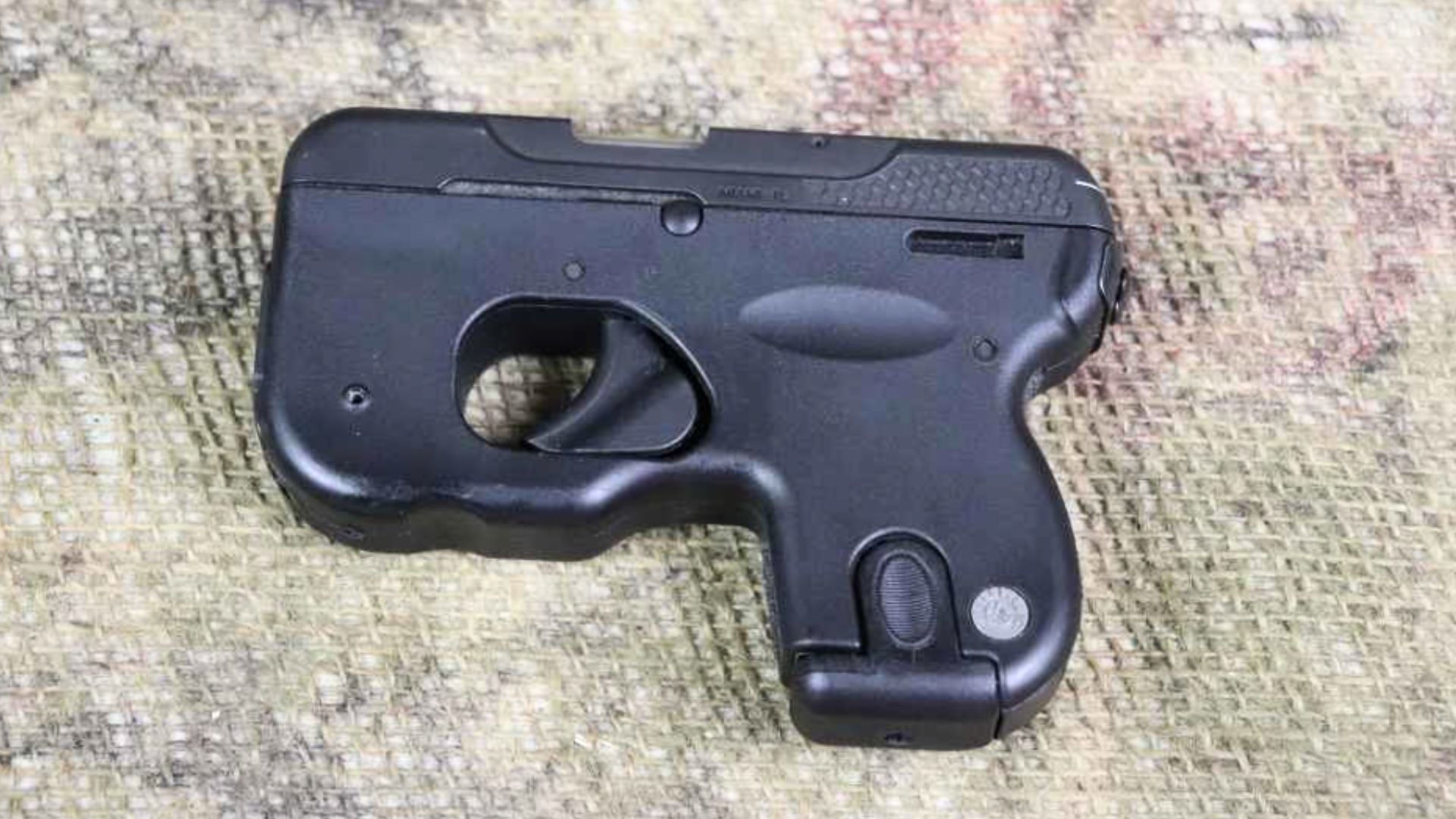
The Taurus Curve looked clever at first glance. A curved pocket pistol with built-in light and laser sounded like someone had finally designed a gun around deep concealment instead of forcing a normal pistol into that role.
The problem was that real use made the idea feel too strange. The shape was odd, the sights were not traditional, and the handling never felt natural for many shooters. A defensive handgun needs to be simple when stress is high. The Curve felt more like a concept gun than something most people would actually trust.
Kimber Solo

The Kimber Solo had strong counter appeal. It was small, sleek, and carried the Kimber name at a time when buyers wanted a premium little 9mm. It looked like the kind of pistol that should have been easy to love.
The trouble was confidence. The Solo earned a reputation for being picky with ammunition, and that is hard to forgive in a defensive pistol. Small carry guns already demand a lot from the shooter. When the gun itself adds doubt, regret follows quickly. A plainer Shield or Glock often made more sense.
Remington 770
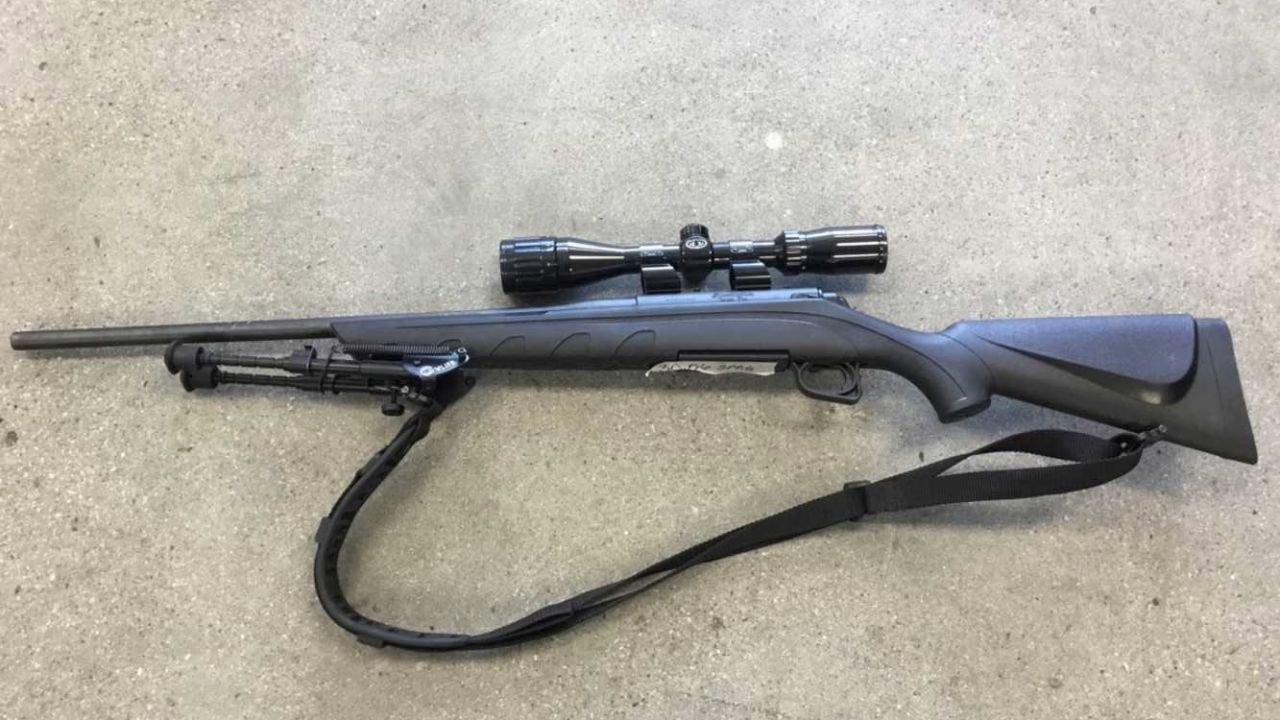
The Remington 770 tempted hunters because it looked like an affordable way into a scoped deer rifle. For someone trying to get ready for season without spending much, that package price was hard to ignore.
After real use, many buyers wished they had skipped it. The rough bolt, cheap stock, and overall price-point feel made the rifle hard to trust or enjoy. It could kill deer, but that is not the same as being a rifle worth keeping. Many hunters would have been better off buying a used better rifle.
SIG Sauer P365 SAS

The SIG P365 SAS sounded smart because it started with a great carry platform and smoothed it out for snag-free concealment. On paper, that made sense. A deep-carry pistol should draw cleanly and hide easily.
The problem was the sighting system. Many shooters found it slower, less natural, or harder to use than normal sights. That is a big deal on a defensive pistol. A carry gun should not make aiming feel like a puzzle. A lot of buyers ended up wishing they had bought the regular P365, XL, or XMacro instead.
KelTec KSG
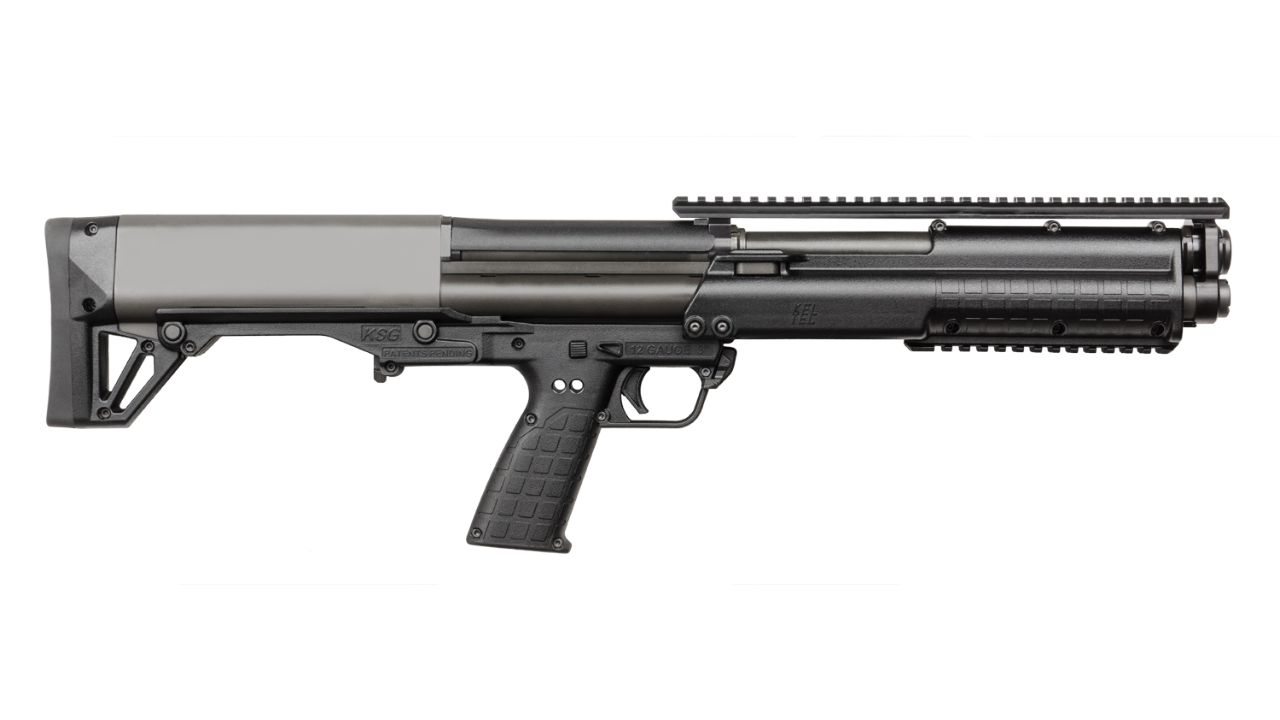
The KelTec KSG sells itself hard at the counter. A compact bullpup shotgun with dual magazine tubes and serious capacity sounds like a home-defense dream. It looks futuristic, feels different, and gives buyers a lot to talk about.
Then ownership gets more complicated. The manual of arms takes practice, recoil can be sharp, and running it smoothly under pressure is not as easy as the idea suggests. Many buyers realize a Mossberg 500, Remington 870, or proven semi-auto would have been easier to trust and train with.
Desert Eagle .50 AE

The Desert Eagle .50 AE is one of the easiest guns to want before you own it. It has movie fame, huge power, and the kind of range presence that makes people grin before the first shot.
Then reality settles in. It is heavy, expensive to shoot, large to store, and not very useful outside range spectacle. The first few magazines are fun. The long-term ownership can feel like paying a lot of money for a party trick. Many buyers eventually wish they had bought a quality revolver, 1911, or practical range pistol instead.
Springfield Armory XD-S .45 ACP

The XD-S in .45 ACP sounded like a serious carry gun when slim single-stacks were hot. Big-bore power in a small pistol made a strong argument to buyers who wanted more authority than 9mm in a concealable package.
The range told a different story for many people. Small .45s are sharp, slower to shoot well, and limited in capacity. Once higher-capacity micro-compacts became common, the XD-S felt even harder to justify. Some owners liked it, but plenty wished they had picked something softer, faster, and easier to practice with.
Remington 710

The Remington 710 looked like a simple answer for new hunters. A familiar brand, a low price, and a scoped package made it seem like a ready-made path into deer season.
The regret usually came after handling and shooting it more. The action felt rough, the stock felt cheap, and the rifle did not inspire much long-term confidence. It was the kind of gun people bought because it was available and affordable, then replaced once they understood rifles better. That is rarely a satisfying ownership story.
Walther CCP

The Walther CCP had a good idea behind it. A compact pistol with softer recoil and an easier slide could help shooters who struggled with stiff springs or snappy carry guns. That is a real need.
But the whole gun did not win everyone over. Early complaints about takedown, heat, and general fussiness made some buyers wish they had chosen a simpler pistol. The Shield EZ, PPS M2, Glock 19, or other straightforward options often felt easier to live with. A gun built around ease should not feel complicated anywhere else.
Smith & Wesson Bodyguard 380
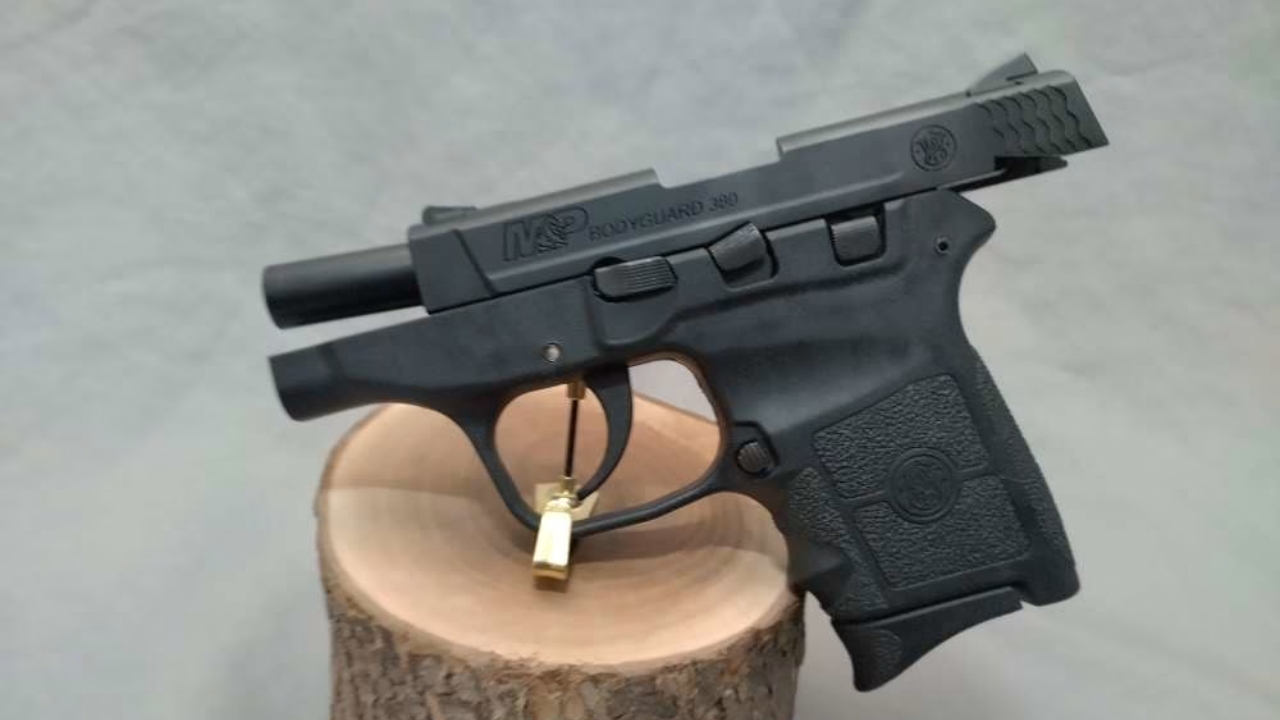
The Bodyguard 380 looks like a practical deep-concealment pistol. It is small, light, and easy to carry when a bigger gun feels like too much. That alone gets buyers interested.
Then they shoot it. The long trigger, small sights, and pocket-pistol handling can make accurate work harder than expected. Some people learn it well, but many move on fast. A carry pistol that disappears in the pocket but frustrates you at the range is easy to regret. Small only helps if you can run it.
Mossberg 4×4

The Mossberg 4×4 tried to stand out in the rifle rack, and that probably helped sell a few. It looked different from the usual budget bolt actions and seemed like it had more personality than plain rifles in the same price range.
Field use did not always back that up. The styling was polarizing, the handling could feel awkward, and the rifle never built the trust stronger hunting rifles did. Different is only useful when it helps. Many buyers ended up wishing they had skipped the oddball and bought a plainer rifle that carried and handled better.
Kimber Micro 9

The Kimber Micro 9 is easy to like in the gun case. It is small, attractive, and has 1911-style controls that make it feel more refined than a basic polymer pocket gun.
Real carry and range time can cool that off. Tiny pistols are harder to shoot well, and small 1911-style guns can be less forgiving with magazines, ammo, and grip. Some run fine, but many buyers start wishing for a Shield Plus, P365 XL, or Glock 43X. Those guns may look less classy, but they often feel easier to trust.
Glock 44
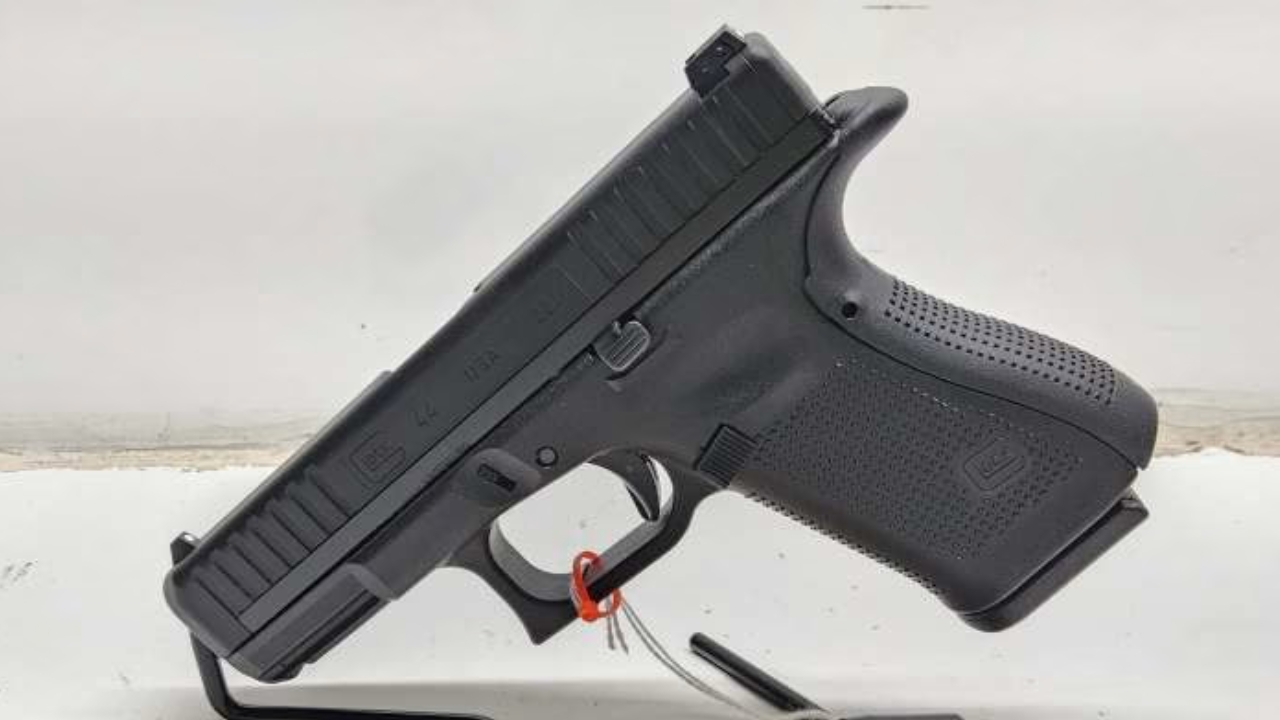
The Glock 44 should have been an easy win. A Glock-style .22 trainer sounded perfect for cheap practice, new shooters, and familiar handling. Expectations were high because Glock’s centerfire pistols had such a strong reliability image.
The problem is that rimfire pistols are tricky, and the Glock 44 did not become the universal answer people expected. Some shooters found it ammo-sensitive or less satisfying than a Ruger Mark IV or Browning Buck Mark. It can be useful, but many buyers expected a rimfire Glock that felt as confidence-building as the 9mm guns. Not everyone felt they got that.
Benelli R1
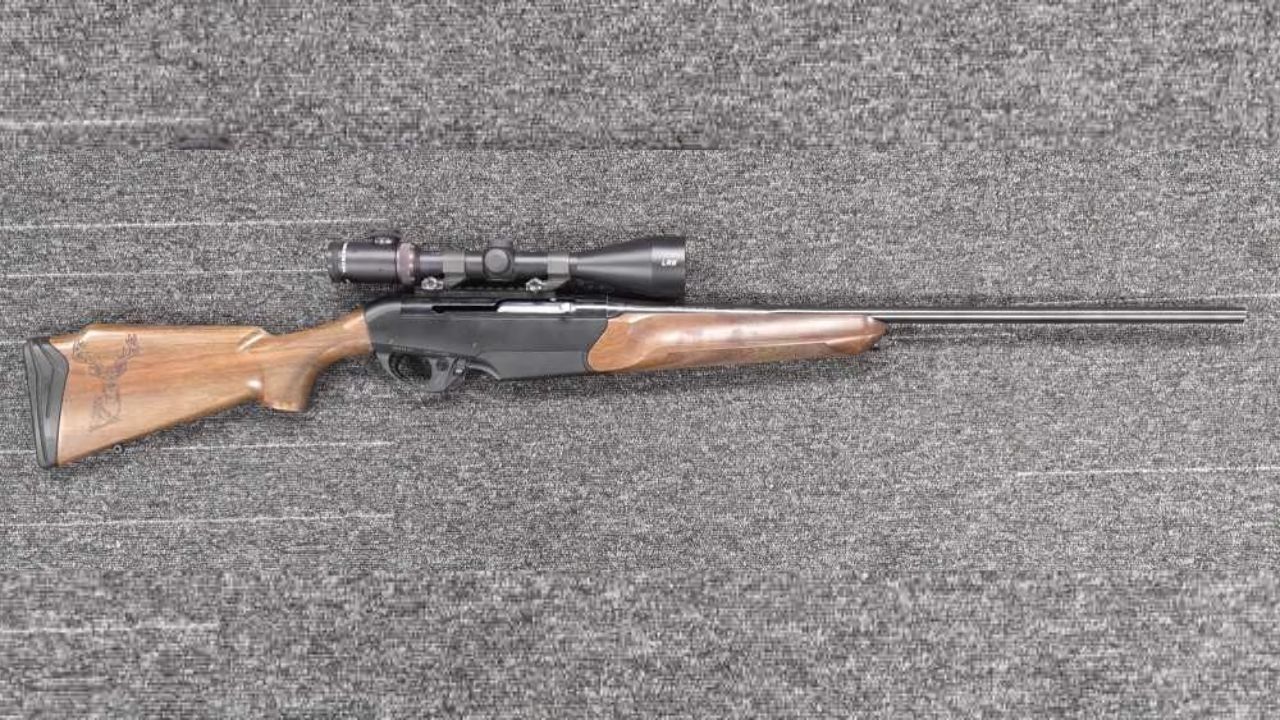
The Benelli R1 sounds like a premium hunting rifle with a clear purpose. Semi-auto speed, modern styling, and the Benelli name make it attractive to hunters who want something different from another bolt gun.
The price makes the disappointment sharper. If the accuracy is only decent, the rifle is picky with loads, or the owner starts questioning the need for a semi-auto hunting rifle at all, value gets shaky fast. Many hunters would have been better served by a high-quality bolt-action and better scope. The R1 is interesting, but not always money well spent.
Like The Avid Outdoorsman’s content? Be sure to follow us.
Here’s more from us: