Photo credit: Karen Images/istock.com
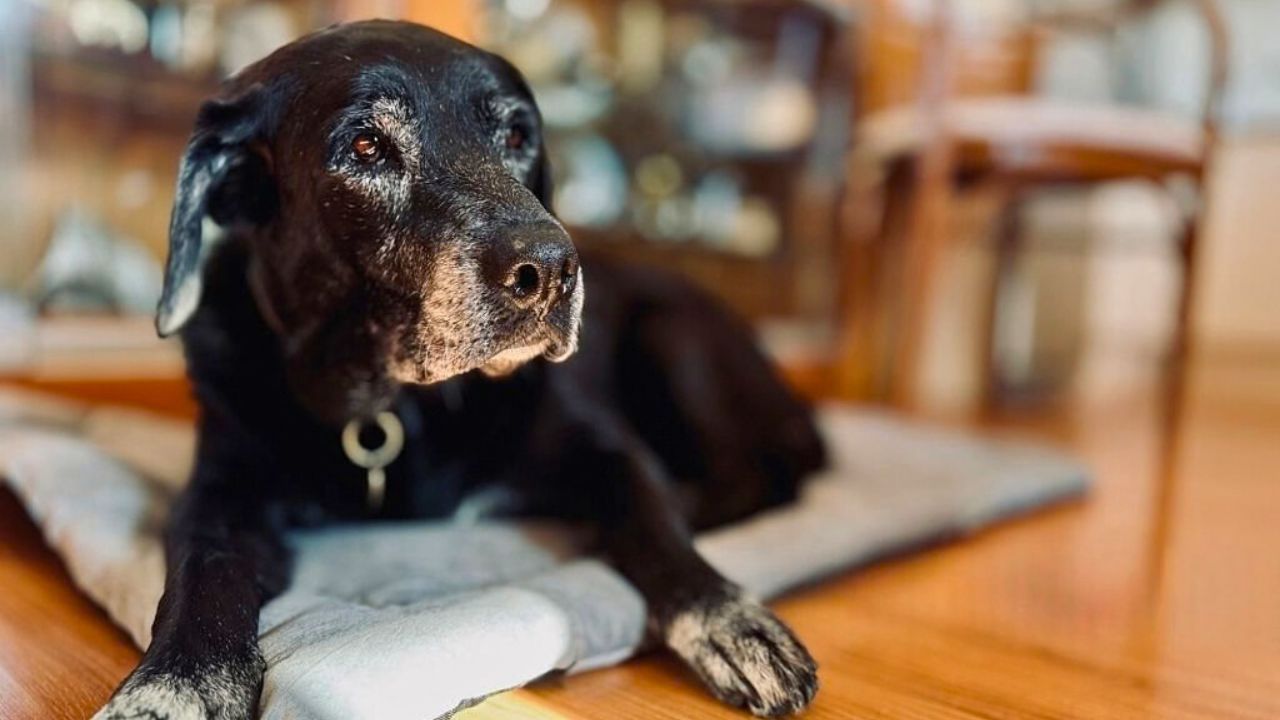
When a dog suddenly starts staring at the front door, back door, or even one particular hallway that leads outside, it can feel strange fast. One day your dog seems normal, and the next it is lifting its head at every little sound, sitting near the entrance, or acting like it is waiting for something you cannot see or hear. Most of the time, the reason is a lot more practical than people think. Dogs live in a world built around sound, scent, routine, and small changes in the environment. When one of those things shifts, door-watching is often one of the first ways they show it.
The important part is the word suddenly. A dog that has always been alert around the door is one thing. A dog that starts doing it out of nowhere may be reacting to a change in the house, in the neighborhood, or in its own comfort level. Sometimes it is harmless and temporary. Sometimes it is your dog telling you something has changed before you have noticed it yourself. The behavior is usually not random. Dogs rarely fixate on a spot repeatedly unless that spot has started to matter for some reason.
Your dog may be hearing something before you do
One of the most common explanations is also the simplest. Your dog hears things you do not. A new neighbor coming and going, a delivery truck stopping more often, construction down the street, a gate rattling in the wind, or even a family member’s car long before it reaches the driveway can all make a dog start paying more attention to the door. What feels sudden to you may only mean your dog has picked up on a new pattern of sound and started tracking it before you ever connected the dots.
This is especially common in quiet houses where even a small outside change stands out. Dogs do not need a loud or dramatic trigger. A repeated sound at a certain time of day is enough to build a habit. Once your dog starts linking that sound to the door, it may begin stationing there automatically. From your point of view, the behavior looks mysterious. From the dog’s point of view, it is responding to information that has become meaningful.
Scent can turn the door into a major point of interest
Dogs also rely heavily on scent, and doors are one of the biggest scent-exchange points in the house. Air moves under them, around them, and through nearby openings. If another animal has been near the house, if a new person has been visiting nearby, or if something in the neighborhood has changed, your dog may know it long before you do. That includes other dogs, wildlife, delivery people, neighbors, and even shifts tied to weather that carry scent differently than usual.
This is one reason dogs sometimes start watching the door even when the house sounds completely quiet. They are not always reacting to noise. They may be reacting to smell. If the outside world suddenly feels busier or more interesting from a scent standpoint, the doorway becomes the place where that information is strongest. A dog that keeps returning there is often checking the source the way you might keep glancing out a window after noticing movement outside.
Routine changes can make the behavior start fast
Dogs pay close attention to routine, and the door is tied to a lot of major events in a dog’s life. Walks start there. People leave and come home there. Visitors arrive there. Packages show up there. If your household schedule changes, your dog may start watching the door because it has begun anticipating something at a different time or in a different pattern. That can happen after somebody changes work shifts, kids go back to school, a family member moves in or out, or daily traffic around the house increases.
What makes this feel sudden is that routine changes do not always seem important to people. You may barely register that you have been leaving at a different time or checking the driveway more often. Your dog notices. Once it starts expecting activity around the entrance, it may begin monitoring that area more closely. In that case, the door-watching is less about anxiety and more about prediction. Your dog thinks something connected to the door is likely to happen soon.
Stress or insecurity can make a dog more vigilant
Sometimes a dog starts watching the door because it feels less settled than usual. Stress often makes dogs more alert to entrances and exits. Storms, visitors, household tension, a recent move, another pet, nearby wildlife, or even a string of louder-than-normal days outside can make a dog feel like it needs to keep tabs on what is coming and going. The door becomes the place to monitor because it is the main point where change enters the home.
This is where tone matters. A calm dog watching the door is different from a tense dog watching the door. If your dog is stiff, pacing, whining, growling, barking at small noises, or struggling to relax, the behavior may be tied to stress more than curiosity. In that case, the staring is not only attention. It is vigilance. Your dog may be trying to stay ahead of something it does not fully trust or understand, and that usually means the bigger emotional picture is worth noticing.
Your dog may be waiting for someone specific
A lot of dogs start watching the door because they are expecting one person in particular. If somebody in the household has changed schedules, has been gone more, or recently returned after being away, your dog may become more tuned in to the entrance. Dogs form strong routines around the people they care about most, and the door is where reunion happens. Once a dog starts keying into that expectation, it may watch the entrance well before the person actually appears.
This is one of the more harmless versions of the behavior, but it can still look intense. Some dogs become very committed watchers when they are waiting on somebody they love. They may hear the familiar car first, catch the scent, or simply start anticipating the return at a certain time each day. The reason it feels sudden may be that the dog has only recently made the connection strongly enough for it to show in a visible way.
Wildlife or neighborhood activity may be closer than you think
In some cases, your dog is reacting to something outside the house that has gotten more active. Cats moving through the yard, raccoons around the trash, squirrels near the porch, another dog passing the fence, or even people regularly walking by can all make a dog more interested in the door. If the entrance faces the most active part of the property, your dog may treat that spot like the best listening and scenting post in the house.
This is worth thinking about if the behavior started along with more barking, more alertness at night, or more interest in windows and fence lines too. Your dog may not be fixated on the door itself. The door may simply be the place where the outside traffic is easiest to track. In that case, the behavior is telling you that something in the surrounding environment has likely changed, even if you have not seen it directly yet.
Pain or aging can sometimes change how a dog settles
Not every new behavior around the door is about the outside world. Sometimes the dog itself has changed. Older dogs, dogs with mild cognitive changes, or dogs that feel physically uncomfortable can become more restless or more fixed on certain spots in the house. A dog that used to nap deeply may now wake more easily, move around more, and settle in places where it feels it can monitor activity better. The door may become one of those places.
This matters most if the watching comes with other changes, like pacing, nighttime restlessness, clinginess, confusion, sleep changes, or decreased tolerance for being alone. In those cases, the door-watching may be one piece of a larger shift rather than a standalone habit. It does not automatically mean anything serious, but when a dog’s behavior changes suddenly, it is always worth looking at the full pattern and not only the most visible piece of it.
When the behavior deserves a closer look
Most of the time, a dog suddenly watching the door is not a crisis. But it does deserve attention if it becomes obsessive, comes with anxiety, or shows up alongside other changes in behavior, appetite, sleep, or mood. A dog that calmly checks the door more often may simply be responding to new information. A dog that cannot settle, reacts to every noise, or seems on edge all day may be telling you something more important about stress, discomfort, or a change in its environment.
The best way to read it is to stay practical. Ask what changed recently. Think about sounds, people, schedules, animals outside, household tension, and your dog’s overall comfort. Dogs usually have a reason for locking onto a doorway. The behavior only feels mysterious because they often notice the reason before you do. In a lot of cases, the door has become important because your dog is hearing more, smelling more, expecting more, or feeling less settled than it did before. Once you look at it that way, the behavior makes a lot more sense.
Like The Avid Outdoorsman’s content? Subscribe to our newsletter so you never miss an article.
Here’s more from us: