Photo credit: The Avid Outdoorsman
The landowner thought the situation was already ridiculous enough.
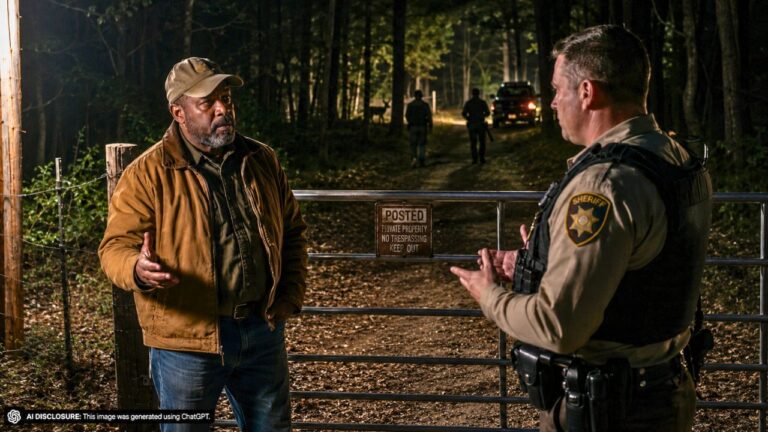
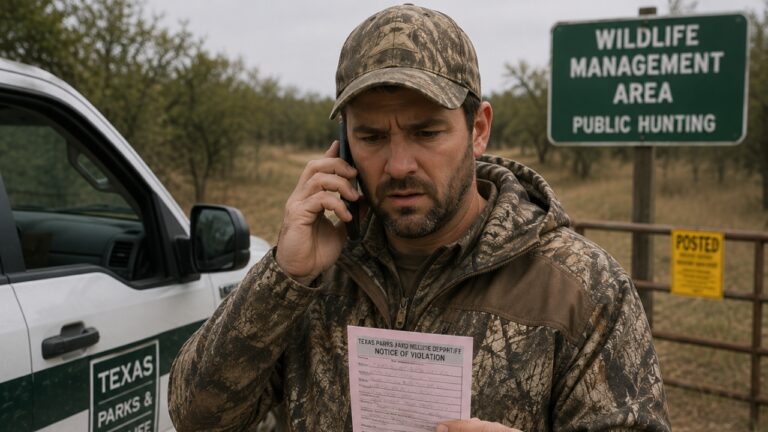
A trespasser had been on his property, acting like the landowner was the one causing the problem. That alone is enough to make most people’s blood pressure jump. It is one thing to accidentally cross a line and apologize. It is another thing to walk onto land you do not own, get caught, and somehow decide the person who owns or controls the property is the one ruining things.
Then the blind disappeared.
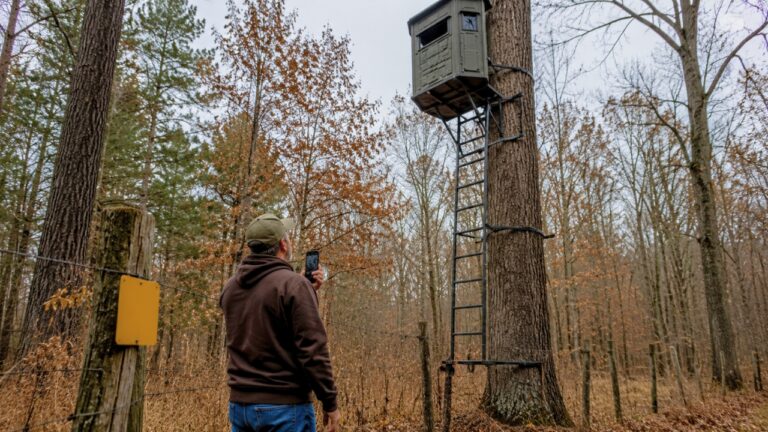
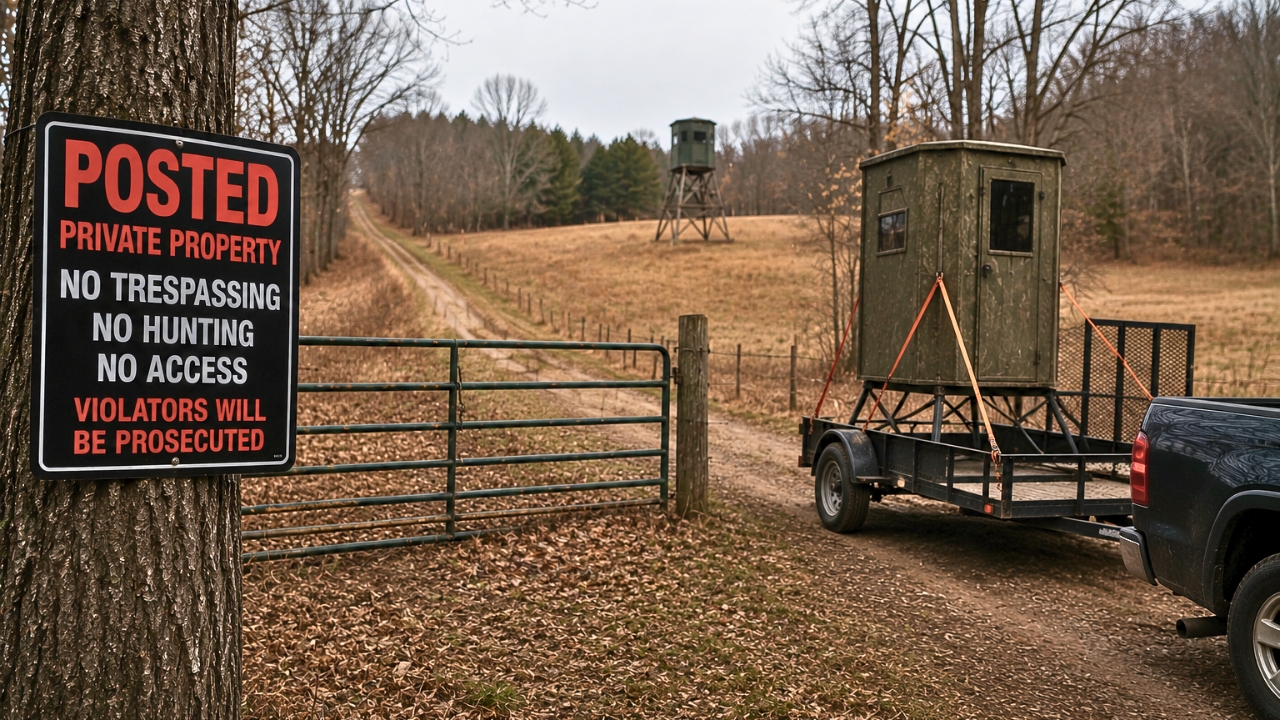
In a Reddit thread, a hunter talked about the kind of stupid, entitled behavior that makes landowners stop trusting people with access. The story involved a trespasser who apparently felt wronged after being confronted, then took the landowner’s blind and set it up on neighboring land.
That is not a misunderstanding anymore.
A lot of hunting access drama starts with excuses. Somebody says the map app showed the wrong line. Somebody says they thought the fence was farther over. Somebody says a neighbor told them it was fine. Sometimes those excuses are true. Boundaries can be messy, especially in thick woods, old farm country, or places where property lines do not match what people assume from trails and fences.
But stealing a blind and moving it next door takes effort.
That means the person did not just wander into the wrong place. He came back, took equipment that did not belong to him, hauled it out, and set it up somewhere else like he was entitled to it. That is a whole different level of nerve.
And it says a lot about the mindset.
Some hunters get weirdly possessive over land they do not own. They see deer crossing a field and decide they have some claim to the spot. They hunt a property line once and start acting like everything on the other side is fair game if nobody catches them. They convince themselves that if they “found” a good area, they deserve to hunt it, even if the landowner never gave permission.
Then, when the actual owner pushes back, they act offended.
That seems to be the flavor of this story. The trespasser was not only wrong; he apparently believed the landowner was the one messing up the hunt. That kind of entitlement is what makes private-land owners so quick to lock gates, post signs, and say no to everybody.
Because once someone starts acting like your property is an obstacle to his hunting plans, trust is gone.
The blind being stolen makes it even worse. Hunting blinds are not cheap, and even homemade setups take time and money. You have to haul them in, place them right, brush them in, account for wind and shooting lanes, and make sure they are safe. When someone steals one, they are not just taking a random piece of gear. They are taking hours of work and part of the property’s hunting setup.
Then setting it up next door adds insult to theft.
You can almost picture the landowner seeing it later, sitting over there on neighboring ground like the trespasser had simply relocated the operation. That would be enough to make a person laugh out of pure disbelief if he was not already furious.
There is also a safety piece. If someone steals a blind and sets it up nearby, now the landowner has to wonder where that person is hunting, what direction he is shooting, and whether he is aiming back toward the original property. Property-line hunting can already get tense. A stolen blind sitting next door makes it personal.
The right response in a situation like that is probably not a face-to-face woods argument. It may feel satisfying to storm over, drag the blind back, or confront the guy directly, but that can get ugly fast during hunting season. If the person is already bold enough to trespass and steal gear, there is no reason to assume he will suddenly become reasonable when challenged.
The cleaner move is documentation.
Photos of where the blind originally sat. Photos of it on the neighbor’s property if visible from a legal place. Dates, times, trail camera pictures, texts with the neighbor, serial numbers or identifying marks if the blind had any. Then call the game warden or sheriff and let the paper trail do the work.
That is not as satisfying as catching the guy in the act, but it is safer.
This kind of story is exactly why landowners get careful about letting people hunt. A good hunter asks permission, follows rules, respects boundaries, closes gates, and leaves the place better than he found it. A bad one trespasses, gets mad when corrected, steals gear, and then acts like he is the victim.
The trespasser in this story did not just cross a line. He turned a property dispute into theft and made sure the landowner knew what kind of person he was dealing with.
Commenters were not shocked that a hunting dispute had turned into gear theft, which says a lot by itself.
A lot of hunters said this kind of behavior is exactly why landowners stop giving permission. One bad person can make every future hunter look like a liability. If someone gets access or sneaks access and then steals, lies, or acts entitled, the next polite guy who asks may get turned down before he finishes his sentence.
Several people said the landowner needed to document everything and involve authorities instead of trying to settle it privately. A stolen blind is property theft, and if it was tied to trespassing or illegal hunting access, a game warden may also have reason to care.
Others warned about property-line retaliation. If the trespasser had moved the blind next door, he might keep hunting close to the boundary or even try to provoke the landowner. Commenters said cameras along the line and near access points would be smart.
A few people brought up the neighbor. If the blind was set up on neighboring property, the landowner should contact that neighbor and explain what happened. The neighbor may not know the blind was stolen. If the trespasser told him some made-up story, clearing that up quickly could prevent more drama.
The strongest reaction was simple: nobody owes a trespasser a chance to keep hunting. Once someone steals gear and moves it next door, the friendly warning stage is over.