Photo credit: Norbert Buduczki/Unsplash.com
The hunter thought he had done his homework.
He had checked the mapping app. The land did not show up as private where he was standing. The surrounding signs and fences seemed to match what the app was telling him. So when he walked out into the open prairie of southern Colorado for a pronghorn hunt, he thought he was legal.
Then he looked back toward the road and saw a truck driving straight at him.
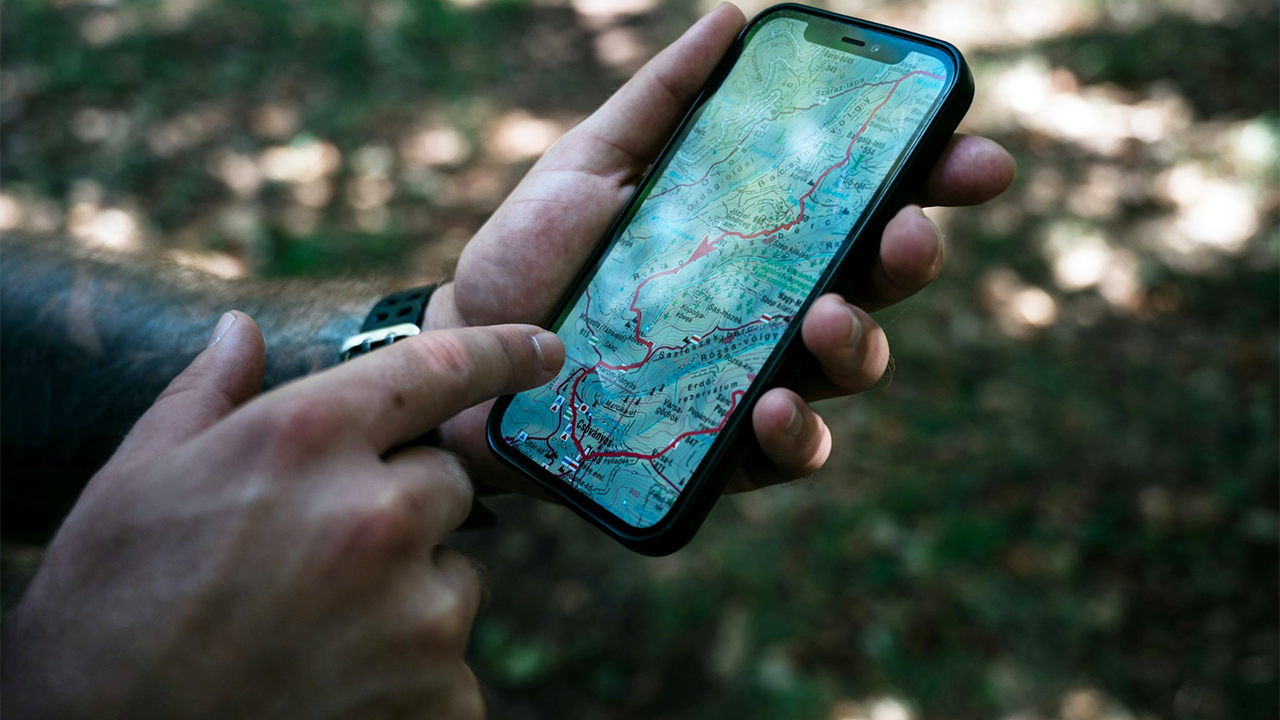
In a Reddit post, the hunter explained that he had been using OnX Hunt, a popular mapping app hunters often rely on to check property boundaries and land ownership. He said the app claimed “full coverage” for the area, and from what he could tell, the maps lined up with posted private-property signs, cattle fences, and other visible markers nearby.
That gave him confidence when he walked out about 400 yards from the county road. The area was wide-open prairie, the kind of country where ranches can run for miles without a house, barn, driveway, or obvious sign of who owns what. He said the land simply looked like land.
He was kneeling down, waiting for antelope to work their way out of a dry stream bed, when the animals suddenly spooked. That was his first hint that something had changed.
When he turned around, he saw the truck crossing the prairie in his direction.
The hunter got up and started walking toward it. When the driver reached him, the hunter tried to keep it friendly. He said “howdy,” probably hoping to explain himself and clear up whatever had happened.
That is not how the landowner responded.
According to the post, the man erupted over trespassing. The hunter described the anger as loud and guttural, the kind of rage that made him feel like nothing he said next would matter. He tried to explain that he had relied on the mapping app, that the land was not fenced the way other private land in the area had been, and that he had apparently made a mistake. He said he told the man he would leave.
The landowner did not calm down.
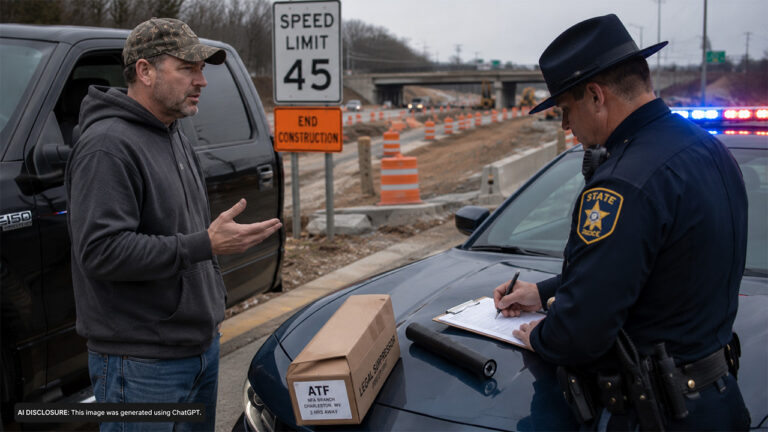
The hunter said the man kept yelling, accused him of knowing exactly what he was doing, and held up his phone to take photos of him. The hunter apologized again and started walking back, but the landowner pulled past him and said he had called the game warden.
Then he told the hunter to wait.
That is a miserable position to be in. The hunter was armed because he was hunting, but he was also being confronted by a furious landowner in the middle of open country. He did not describe himself as wanting to argue or push back. He seemed more shocked than anything else. He thought he had made a good-faith mistake, and now he was being treated like someone who had intentionally slipped onto private land to steal an animal.
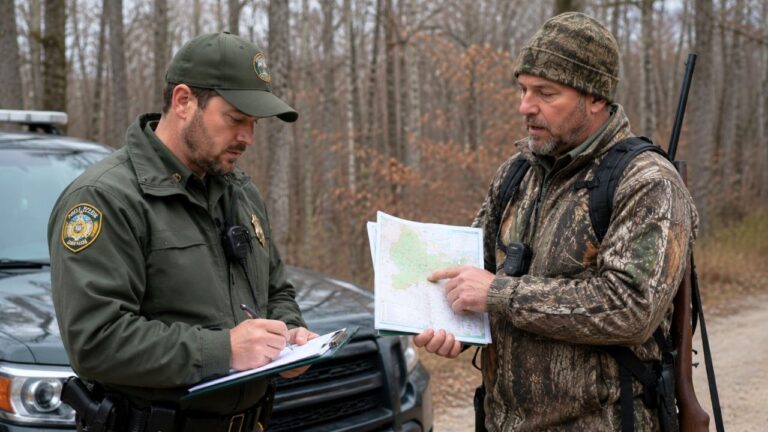
When the game warden arrived, the hunter explained the same thing. He told him he had been using OnX, that the area had not been marked clearly from his direction, and that he thought he was on land he could hunt. But according to the hunter, the warden said the landowner wanted a citation written, so he had to write one.
That part left the hunter frustrated and confused. He admitted he made a mistake, but he still wanted to understand the intensity of the landowner’s reaction. From his point of view, he had walked 400 yards onto a massive piece of land, had not fired a shot, and left once confronted. He wondered why the landowner acted as if he had done something far worse.
As the discussion went on, though, the hunter started seeing the other side more clearly.
In the comments, he said he realized he probably fit the exact image that frustrates a lot of ranchers: someone from a major city, driving into an unfamiliar area, trusting an app, and potentially hunting wild game on land the owner had spent time and money managing. He said the landowner would not get any of the money from his $45 tag, but would lose access to one more pronghorn on his property.
That realization seemed to bother him. He was not trying to justify the mistake by the end. He was trying to understand how it looked from the landowner’s side.
He also said the warden told him he was about the 12th person in two days who had been ticketed in that area after mentioning OnX. That detail matters because it suggests the landowner may not have been reacting to one hunter. He may have been reacting to a steady stream of strangers showing up because their phones told them they could.
The hunter still felt misled by the app. He said OnX was marketed as an easy and thorough way to find legal hunting access, and in this case, he believed it gave him bad information. But he also came around to the harder truth: the app might explain the mistake, but it did not erase the trespass.
For him, it was a bad day, a citation, and a lesson he clearly did not want to repeat. For the landowner, it may have been one more stranger in a long line of hunters crossing onto his property and saying the same thing: the app said it was okay.
Commenters had sympathy for the mistake, but they were not willing to let the hunter off the hook completely.
Some told him to contact OnX and report the problem. A few commenters said they had seen similar map errors before, including places shown as open hunting ground that were not actually open to hunting. Their point was that if the app was wrong, the company needed to know, especially if multiple hunters were being led into the same bad spot.
Others were much more blunt. They said a hunting app is only as good as the data behind it, and rural property records can be messy, outdated, or flat-out wrong. Several people said it is still the hunter’s responsibility to know where he is and make sure he has permission before stepping onto land with a weapon.
Landowners in the thread pushed back hard on the idea that the size of the property made the trespass less serious. One commenter explained that to a rancher, the back pasture is still part of home. It may look like empty prairie to a stranger, but it is still land someone pays for, maintains, manages, and protects.
That commenter also explained the bigger issue: it is rarely just one hunter. One person walking in by mistake may not ruin a ranch, but if it happens over and over again, landowners get worn down. They may be dealing with road hunters, trespassers, people cutting fences, people pressuring game, or armed strangers showing up near cattle, houses, workers, or family members.
Another commenter said the poster may have been the first person caught that day, but probably not the first person who had done it. That line seemed to stick with the poster, because he later acknowledged that he may have taken the brunt of years of frustration.
There was also a safety discussion. A landowner does not know who is out there, where they are aiming, or whether they know what sits beyond their target. When someone is hunting on private land without permission, even by mistake, the owner loses control over who is carrying a firearm on the property.
A few people thought the hunter should fight the citation if the land was not posted clearly from the direction he entered. Others quickly pointed out that posting laws vary, and in some places land does not need to be posted for trespass to apply. That made the advice less about winning the ticket and more about learning the lesson.
The hunter seemed to take the criticism better than some people expected. He kept explaining that he did not knowingly trespass, but he also admitted he had been wrong. By the end of the discussion, he was not trying to paint the landowner as crazy. He was trying to understand why a mistake that felt small from his side felt like a serious violation from the other side.
That was the real divide in the thread. To the hunter, it was one bad map, one misunderstood boundary, and one walk across open country. To the landowner, it may have been another armed stranger on private ground after too many others had already done the same thing.