Photo credit: Michal Petráš/Pexels.com
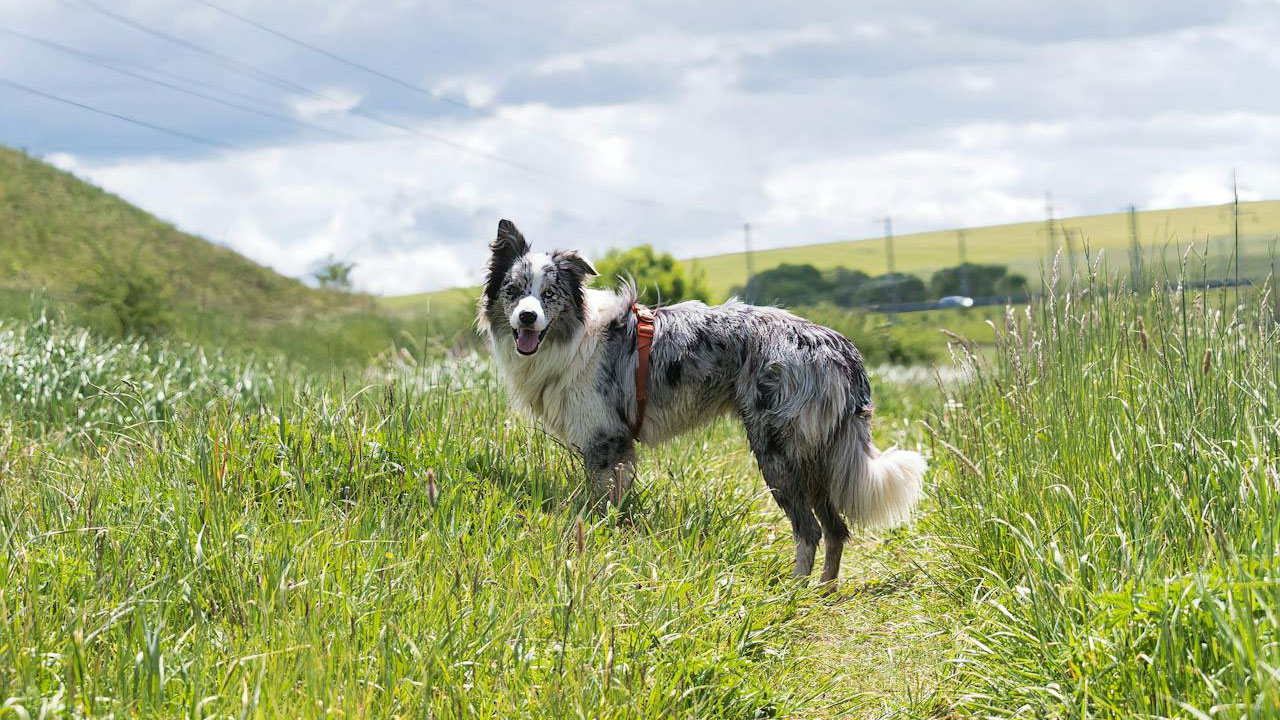
A landowner said he and his family had groomed trails around their own property where they walked their dogs all year long. It was part of their regular life, not something they suddenly started doing because hunting season opened next door.
Then the neighboring land was leased to hunters, and those normal walks became a problem.
In a Reddit post, the landowner said the hunters first called animal control to complain that his dogs had crossed onto the leased property. He said that was not true, but he still adjusted. During that stretch of trail, he started walking the dogs on leashes to avoid giving anyone a reason to claim the dogs were roaming.
That did not stop the complaints.
The next month, the hunters called the conservation officer twice, claiming hunter harassment because the landowner was out walking his dogs on his own property and making too much noise. From the landowner’s side, this was ridiculous. He was using his own trails, on his own land, doing something he had done all year. The hunters were the temporary ones in the picture.
He said the hunters were set up along his posted property line. He also said they had cleared brush so they could see better into his woods, while the plot they were actually hunting was basically mowed lawn. That detail bothered him because it made it seem like they were using the neighbor’s leased ground as a place to watch into his cover.
He did not care that they hunted. He said that plainly. His issue was that he did not want them trespassing, and he did not want to feel unsafe walking his own trails with his dogs.
That is where the conflict got personal. The hunters were not only complaining to each other. They were bringing authorities into it. Two different conservation officers had already come to his house to talk about the complaints. He had not been cited, but the visits themselves were wearing on him. Every time he walked his dogs and the hunters did not like it, it seemed like another official complaint might follow.
He told commenters that the officers had basically repeated the same message: hunter harassment is a crime, but he also has the right to walk his own property. That left him stuck in the middle. The hunters could keep making claims. The officers had to investigate. And he had to keep explaining that he was on his land, doing normal landowner things.
He was sure of the property line, too. When people questioned whether there could be a boundary misunderstanding, he said the line was staked and that the complaint was not actually trespassing. The hunters were not claiming he crossed over. They were claiming he was making noise while walking on his side.
That made the whole thing feel less like a boundary dispute and more like pressure. If the hunters could not control his land, they could at least make using it uncomfortable.
The dog issue added another layer. Several commenters understood why he had leashed the dogs, even if they thought it was unfair. A dog does not have to be in the wrong to be at risk near irritated hunters. One person pointed out that being right would not bring the dogs back if someone made a bad decision. Others suggested blaze orange for both him and the dogs during hunting season, not because he should have to dress like that on his own land, but because it was the safer move.
The landowner also clarified that the deer were used to him and his dogs. He said the herd knew their scent and heard them daily. If they flushed deer, the deer only moved a short distance, and the dogs did not chase because they already knew that was not allowed. In his view, he was not ruining anyone’s deer movement. He was part of the normal rhythm of that land.
Several commenters agreed that routine activity can be different from sudden disruption. If deer see and smell the same people and dogs regularly, they often adjust. A neighbor’s dog barking, a tractor running, or someone walking a trail does not automatically destroy a hunt.
But the hunters leasing next door apparently wanted that trail quiet during their sits, even though they did not own it. That was the part the landowner could not accept.
He was asking how to approach it respectfully, which matters. He did not come in saying he wanted to ruin their hunt or run them off. He wanted to keep walking his own property without being treated like a criminal every time a hunter across the line got annoyed.
Commenters mostly told him to document everything and get ahead of the complaints. Several said he should explain the situation directly to the conservation officer from his side, since the hunters were already telling their version.
Trail cameras and video came up repeatedly. People suggested cameras along the property line and walking trail, ideally ones that upload to a phone or watch each other in case someone tries to damage them. A few recommended wearing a GoPro during walks so he could prove he was simply walking his dogs on his own land.
Many commenters told him to mark the property line heavily with no-trespassing signs or purple paint if his state recognized it. Others suggested blaze orange for him and the dogs during hunting season, mostly as a safety precaution.
A few told him to talk with the neighboring landowner rather than only the hunters. The hunters were leasing the ground, so the actual owner might not know they were creating drama with the neighbor. If the lessees became a headache, the owner might not invite them back.
Several commenters said the hunters had no right to control how he used his own land. If he was walking his dogs on his property like he did all year, that was not hunter harassment. The more serious concern was whether the hunters had cleared brush to watch or shoot into his woods. Commenters told him to document that carefully and call authorities immediately if anyone crossed the line or fired across it.