Photo credit: Range365/YouTube
The Ruger Mark IV is one of those pistols that a lot of shooters know as the current version of Ruger’s classic .22 autopistol, but not everybody realizes how big a change it was for the line. Ruger’s own product pages make the main point immediately: the Mark IV was built around simple one-button takedown, letting the barrel-receiver assembly tilt up and off the grip frame without tools. That sounds basic now, but it directly addressed one of the longest-running complaints about older Ruger Mark-series pistols.
What makes the Mark IV especially interesting is that it did not just update one old pistol. It became a broad family that now includes traditional metal-frame models, 22/45 variants with 1911-style grip geometry, Tactical versions, and lightweight Lite models. Ruger’s current lineup and product pages show just how far the platform has spread while keeping that same easy takedown system at the center.
1. The Mark IV’s whole identity is built around one-button takedown

This is the biggest fact about the gun, and Ruger knows it. The official Mark IV 22/45 and Mark IV 22/45 Lite pages both say that pressing a button in the back of the frame allows the barrel-receiver assembly to tilt up and off the grip frame without tools.
That matters because older Ruger .22 pistols were famous for being accurate and durable, but they were also famous for being more annoying to field-strip than many shooters wanted. The Mark IV was Ruger’s answer to that. That second sentence is an inference from Ruger’s heavy emphasis on takedown as the defining feature.
2. The 22/45 branch keeps a 1911-style grip angle
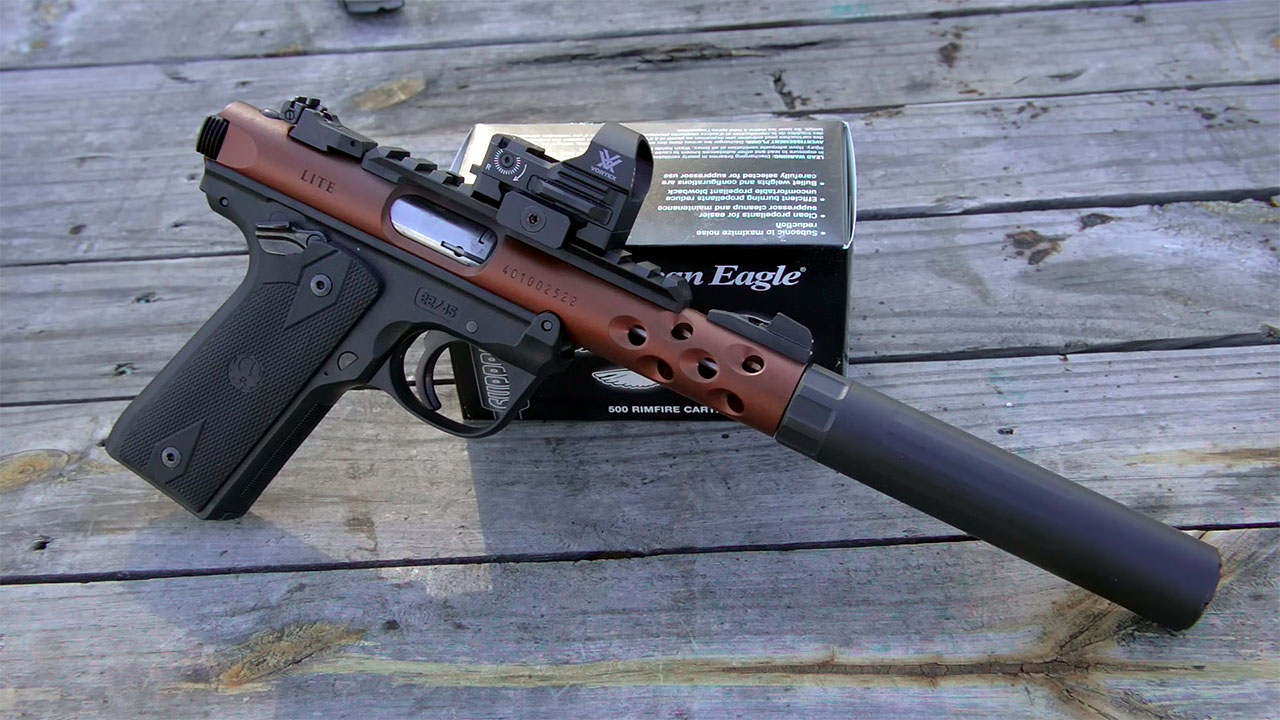
One of the easiest things to miss if you are not already familiar with the line is that the 22/45 models are not just regular Mark IVs with different textures. Ruger’s 22/45 and 22/45 Lite pages describe them as having polymer grip frames, and Ruger’s product naming has long tied “22/45” to that 1911-style grip angle idea.
That matters because it makes the Mark IV line more flexible as a trainer. A shooter who likes 1911-style ergonomics can get a rimfire pistol that feels closer in hand than the more traditional Mark-series grip shape. That training-role point is an inference grounded in Ruger’s model split between standard and 22/45 versions.
3. The Lite models are built very differently from the heavier standard guns
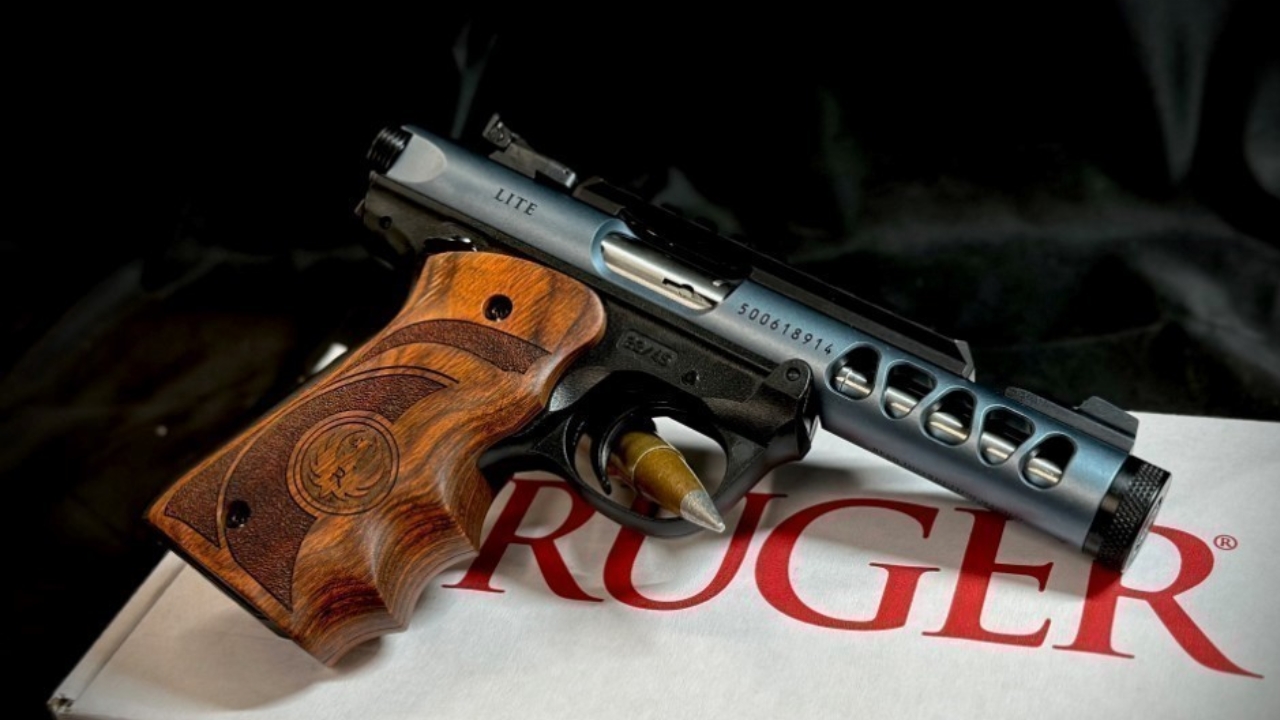
Ruger’s Mark IV 22/45 Lite page says the pistol uses a lightweight, ventilated aerospace-grade aluminum receiver and a tensioned stainless steel barrel.
That is a big reason the Lite models feel different from the moment you pick them up. They are not just normal Mark IVs with cosmetic cuts. They were built specifically to trim weight and keep the pistol lively for range use, suppressor use, and general rimfire fun. That last sentence is an inference grounded in Ruger’s material and construction choices.
4. Ruger treats the Mark IV as a real outdoor, plinking, and training platform

Ruger’s 2023 Mark IV 22/45 Lite Optics-Ready announcement says the pistol is suited for target shooting, plinking, small-game hunting, and competitive shooting.
That tells you the Mark IV is not being sold into one tiny niche. Ruger clearly sees it as a rimfire do-it-all handgun that can serve new shooters, casual shooters, hunters, and more serious competitors at the same time. That broader-role conclusion is an inference from Ruger’s own usage list.
5. The cold hammer-forged barrel is one of the core accuracy features

Ruger’s Mark IV 22/45 page says the cold hammer-forged barrel results in ultra-precise rifling that provides exceptional accuracy and longevity.
That is one of the reasons the Mark-series pistols have always been taken seriously as shooters, not just as casual plinkers. The Mark IV kept that accuracy-focused tradition while fixing the takedown headache that older versions were known for. The continuity point is an inference, but it follows directly from Ruger preserving premium barrel language in the Mark IV line.
6. The Lite model’s receiver design is intentionally ventilated

Ruger’s official Lite pages specifically call the receiver ventilated.
That is not just a visual gimmick. It is part of the weight-saving strategy that defines the Lite branch. The cuts help reinforce that the Lite was meant to feel like a noticeably lighter, faster-handling pistol than the heavier standard metal-frame versions. That function explanation is an inference grounded in Ruger’s lightweight emphasis and the visible receiver cuts.
7. The 22/45 Lite is one of the clearest examples of the Mark IV as a training pistol

Ruger’s 2023 announcement explicitly calls the Mark IV 22/45 Lite “the perfect .22 caliber training pistol,” while also pointing to the 1911-style grip angle and one-button takedown.
That matters because Ruger is not just hoping people use it for practice. It is actively positioning the pistol as a training tool, especially for shooters who want centerfire-style ergonomics in a cheaper-to-feed rimfire package. That second sentence is an inference grounded in Ruger’s own training-pistol language.
8. The optics-ready direction is now a real part of the line
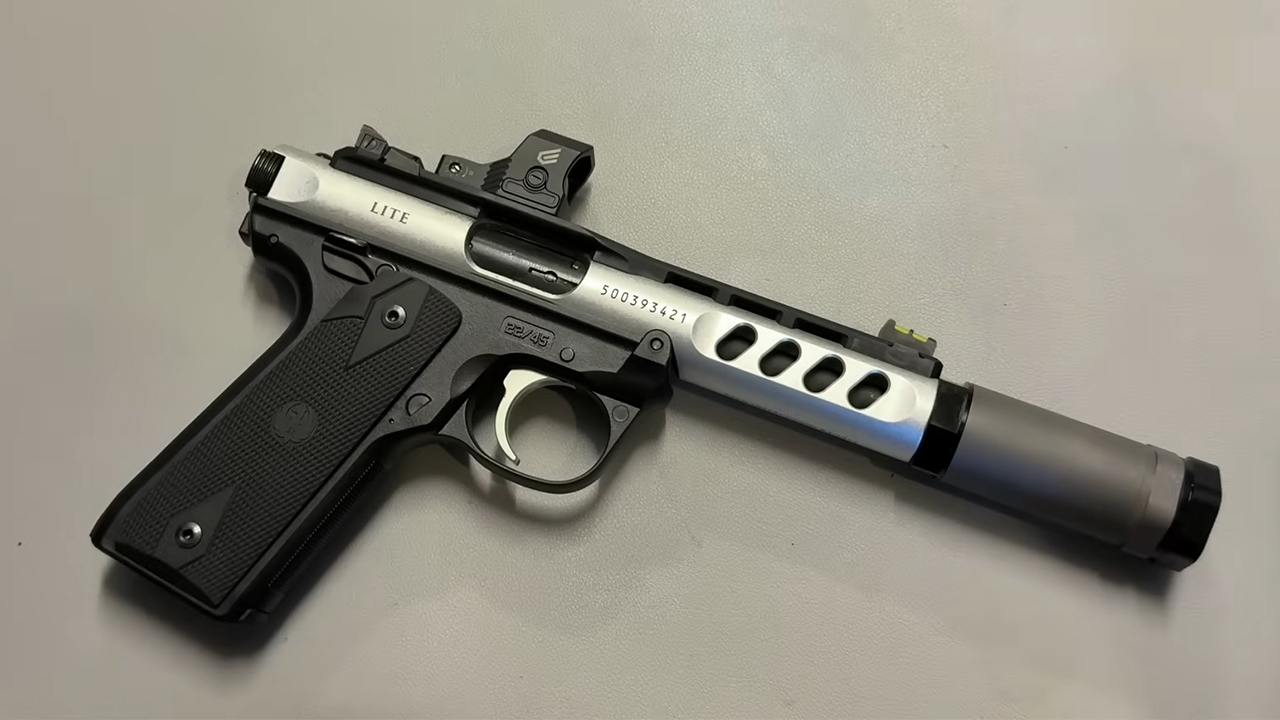
Ruger’s 2023 Mark IV 22/45 Lite announcement was specifically about an optics-ready version, which shows the company is treating red-dot compatibility as a meaningful branch of the platform rather than a fringe add-on.
That is a big deal because the Mark-series pistols used to be thought of mostly through irons, bull-barrel target use, and classic rimfire styling. The Mark IV family now reaches cleanly into modern optics-ready territory too. That second point is an inference grounded in the dedicated optics-ready launch.
9. The Tactical versions push the platform toward suppressor-friendly use

The Mark IV 22/45 Tactical product ecosystem, including current retailer listings and Ruger’s broader model architecture, shows a compact threaded-barrel branch built for suppressor-minded shooters, with top-rail optics or accessory compatibility and the same easy takedown.
That matters because the Mark IV is no longer just “the Ruger .22 target pistol.” It also occupies the suppressor-ready, practical-rimfire lane that a lot of modern shooters care about. That broader-platform conclusion is an inference grounded in the Tactical configuration and current model spread.
10. The Mark IV family is unusually wide for a rimfire pistol line
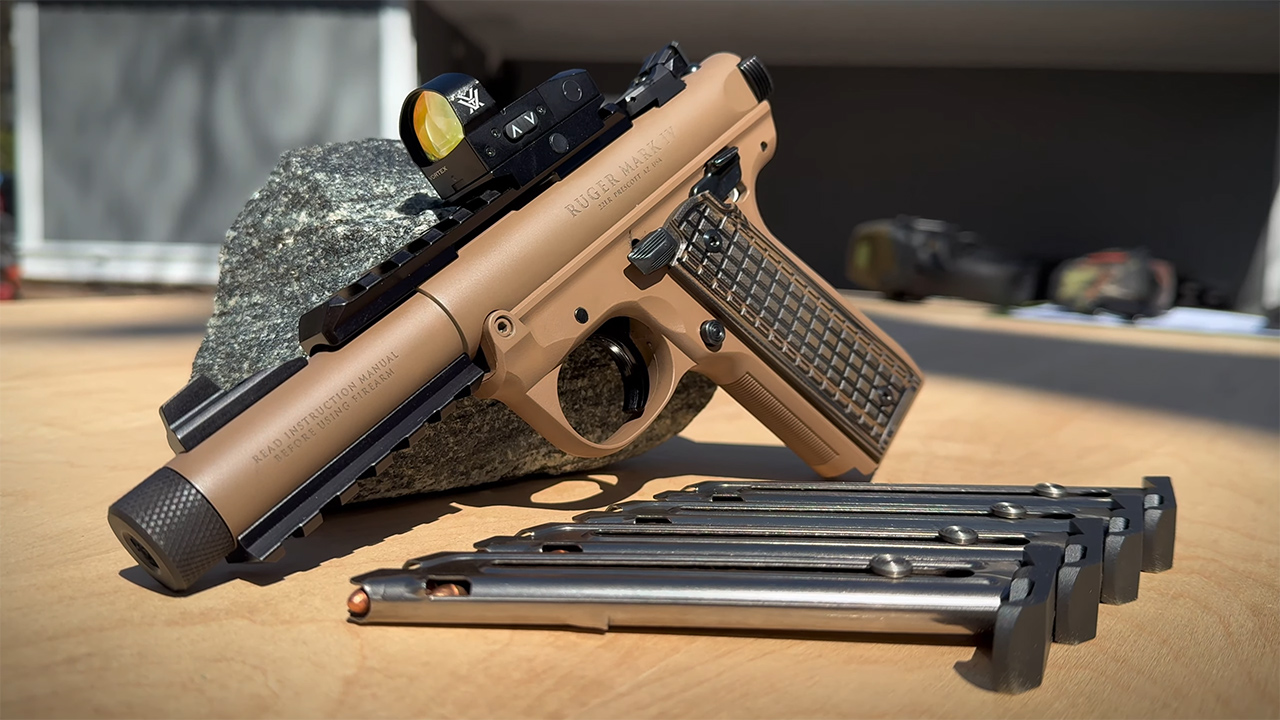
Even just looking at the current Ruger pages returned here, you can see 22/45, 22/45 Lite, Tactical-oriented variants, and optics-ready versions.
That tells you the Mark IV is not a one-format pistol. Ruger has turned it into a true rimfire family that can cover training, field use, suppressor use, plinking, and more specialized range roles. That family-role point is an inference from the breadth of current model branches.
11. The polymer-frame 22/45 versions are a major part of the line, not a side note
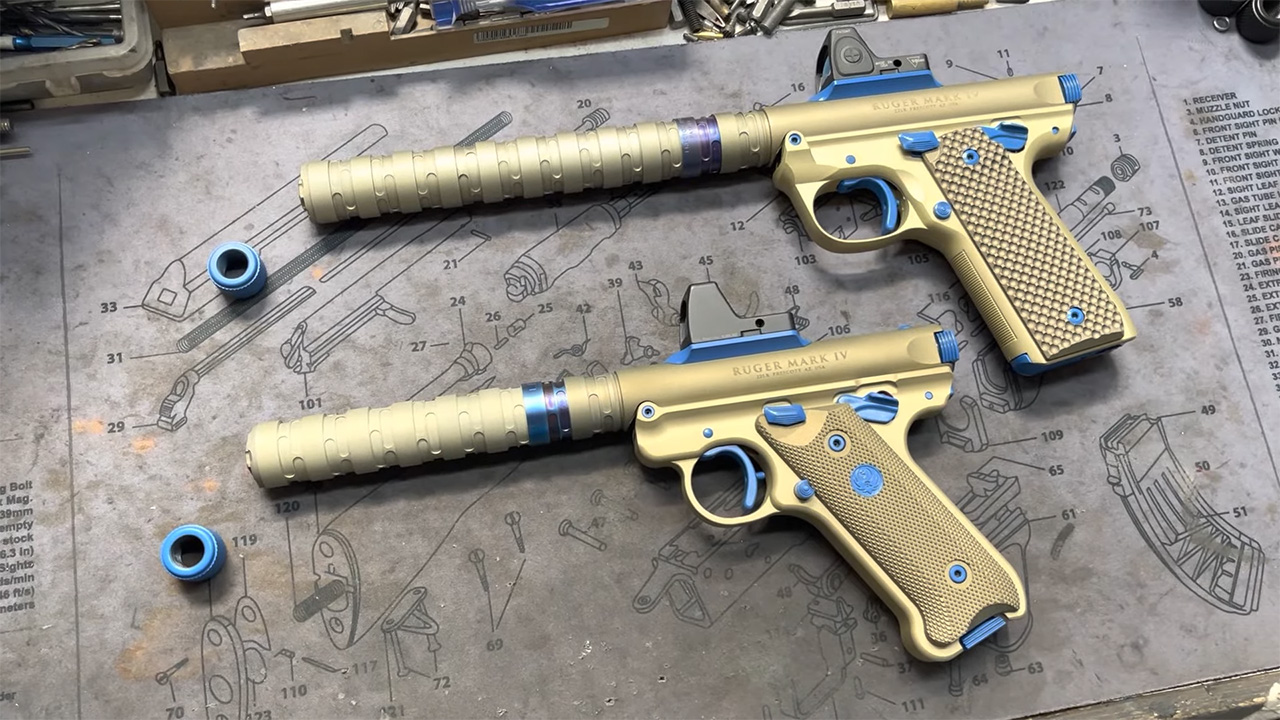
Ruger maintains dedicated pages for the Mark IV 22/45 and Mark IV 22/45 Lite, which shows the polymer-grip-frame side of the family is central to the lineup.
That matters because some shooters still think of the Ruger .22 autopistol mainly as an all-metal classic-shape gun. The Mark IV family has moved well beyond that, and the 22/45 line is one of the clearest signs. That second point is an inference grounded in Ruger’s dedicated 22/45 emphasis.
12. Ruger is still actively refreshing the line

The 2023 optics-ready announcement proves the Mark IV family is not just a stable legacy product being left alone. Ruger is still updating and relaunching sub-variants inside the line.
That is a strong signal that the platform continues to matter to the company. Guns that are fading out do not usually get this kind of specific feature refresh. That reading is an inference grounded in the 2023 launch activity.
13. The Mark IV still keeps the practical rimfire-pistol balance Ruger is known for

Across the current pages, Ruger emphasizes takedown, accuracy, practical ergonomics, and multiple use cases instead of treating the pistol as a single-purpose target gun.
That is a big part of why the platform has lasted. It gives shooters a rimfire handgun that can be serious without becoming fussy or narrowly specialized. That conclusion is an inference from Ruger’s repeated multi-role positioning.
14. The simple takedown feature probably did more for the line than any other single change
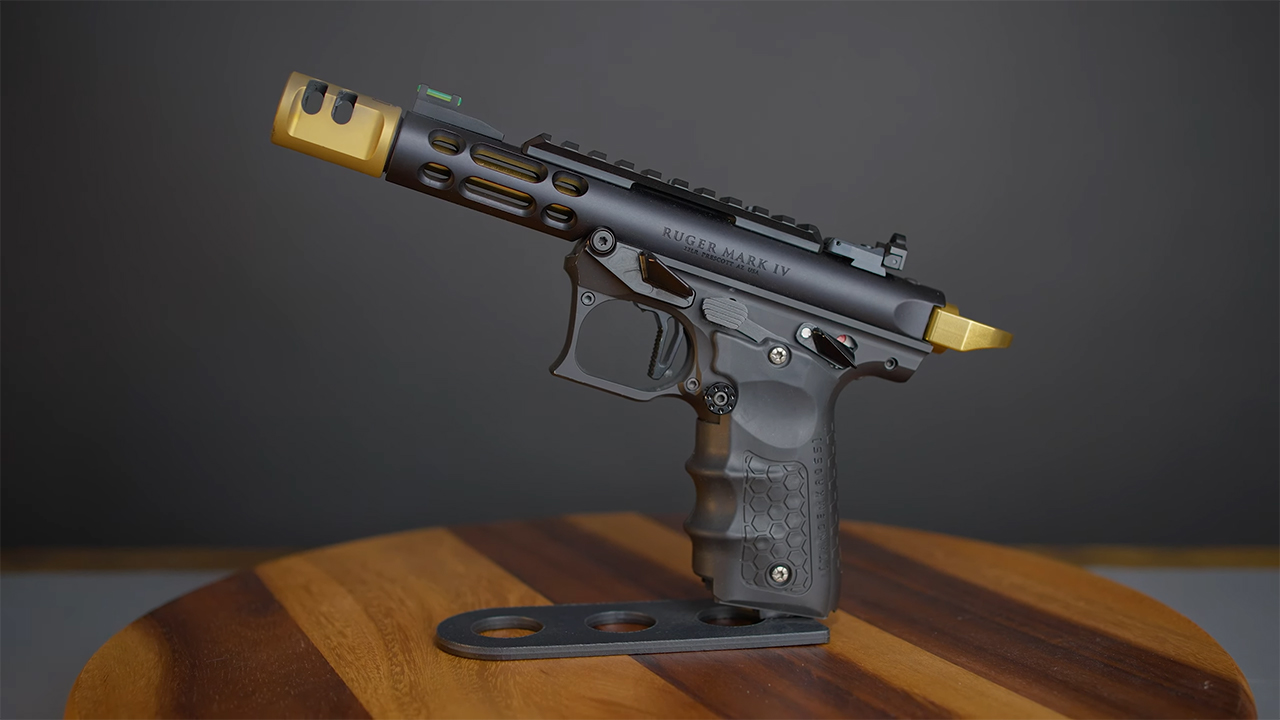
Ruger’s pages keep repeating the one-button takedown message across multiple Mark IV branches, which is a strong clue about what the company sees as the platform’s biggest differentiator.
That is probably because it solved the one issue that had lingered around older Ruger .22 pistols for years: field stripping that some shooters found annoying enough to avoid. That last point is an inference grounded in the sheer prominence Ruger gives the takedown feature.
15. the Mark IV was a reset for the whole Ruger rimfire-pistol experience

When you step back, the Mark IV kept the Ruger .22 autopistol’s accuracy-focused identity, then wrapped it in a much easier-to-live-with platform built around tool-free takedown, modular family branches, lighter Lite models, 22/45 training variants, and modern optics-ready options. Ruger’s current pages and 2023 launch material all point the same way.
That is why the Mark IV matters so much. It did not just continue Ruger’s rimfire-pistol line. It made the line easier for modern shooters to actually love.
Like The Avid Outdoorsman’s content? Be sure to follow us.
Here’s more from us: