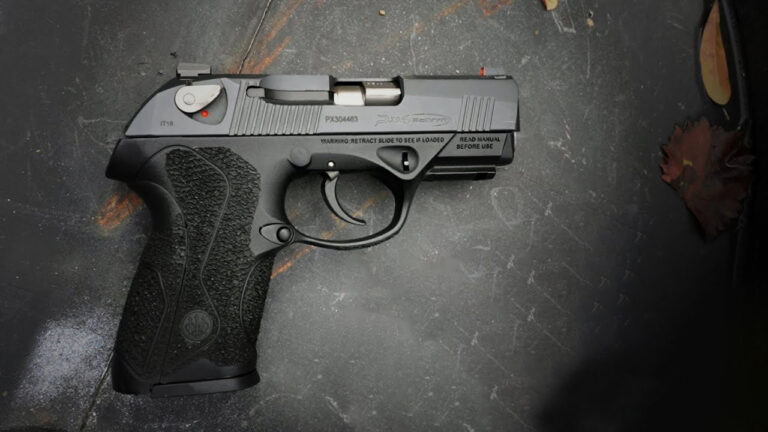
Photo credit: GunBroker
The Smith & Wesson Model 36 is one of those revolvers that almost everybody has seen, even if they do not immediately know the model number. It is the classic blued steel Chief’s Special, and it helped define what a small-frame defensive revolver looked like for generations. Smith & Wesson’s own company history says the Model 36, Chief’s Special, debuted at the IACP conference in 1950. The gun later became the Model 36 when Smith & Wesson shifted to numerical model designations.
What makes the Model 36 especially interesting is that it was not just another little revolver in a crowded market. It was one of the key guns behind the rise of the J-frame, and the J-frame has become one of the most important small-revolver formats Smith & Wesson ever made. Smith & Wesson’s current Model 36 Classic page still treats it as a live piece of the company’s legacy, which says a lot about how much staying power the design still has.
1. It debuted in 1950, not in the 1960s or 1970s
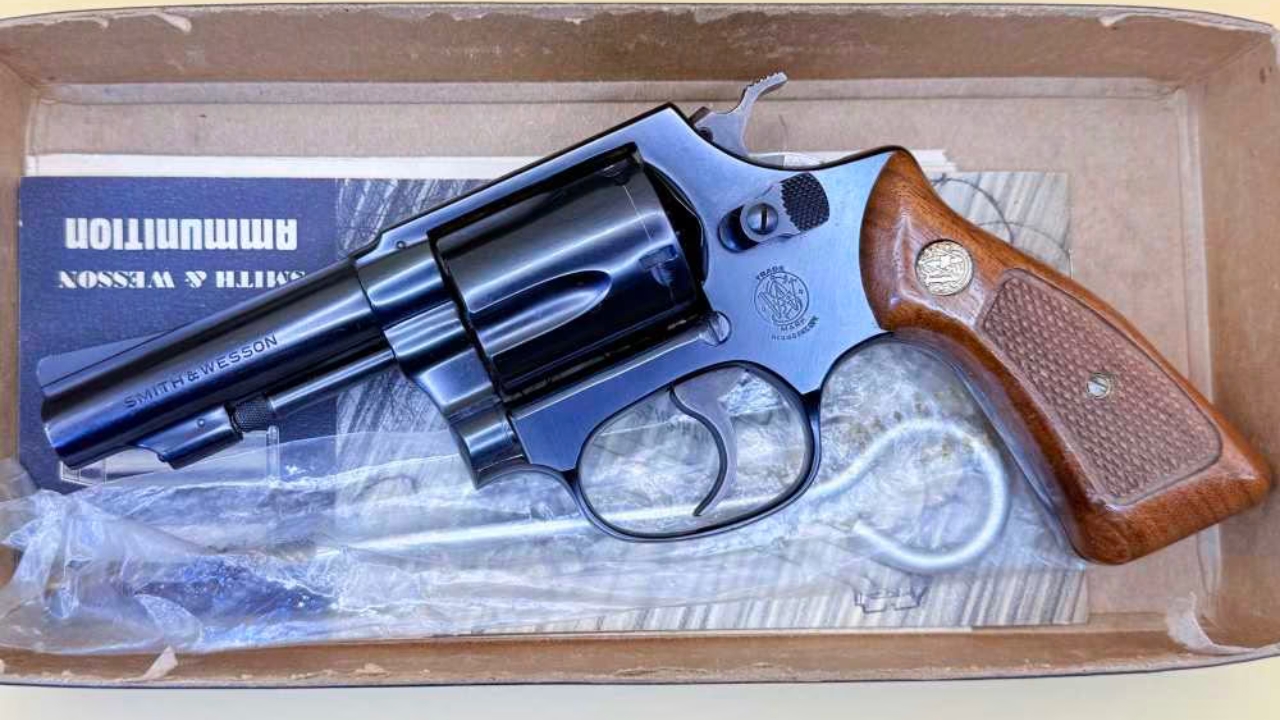
A lot of shooters assume the Model 36 came along later than it really did because the gun stayed relevant for so long. But Smith & Wesson’s official history says the Model 36, Chief’s Special, made its debut at the IACP conference in 1950. A Smith & Wesson investor filing also says the Model 36 Chief’s Special was first sold in 1950.
That timing matters because it places the gun right in the postwar period when police and plainclothes officers were looking for something compact, serious, and easier to carry than a full-size duty revolver. That role is an inference based on the IACP debut and the revolver’s later Chief’s Special identity.
2. It started life as the Chief’s Special
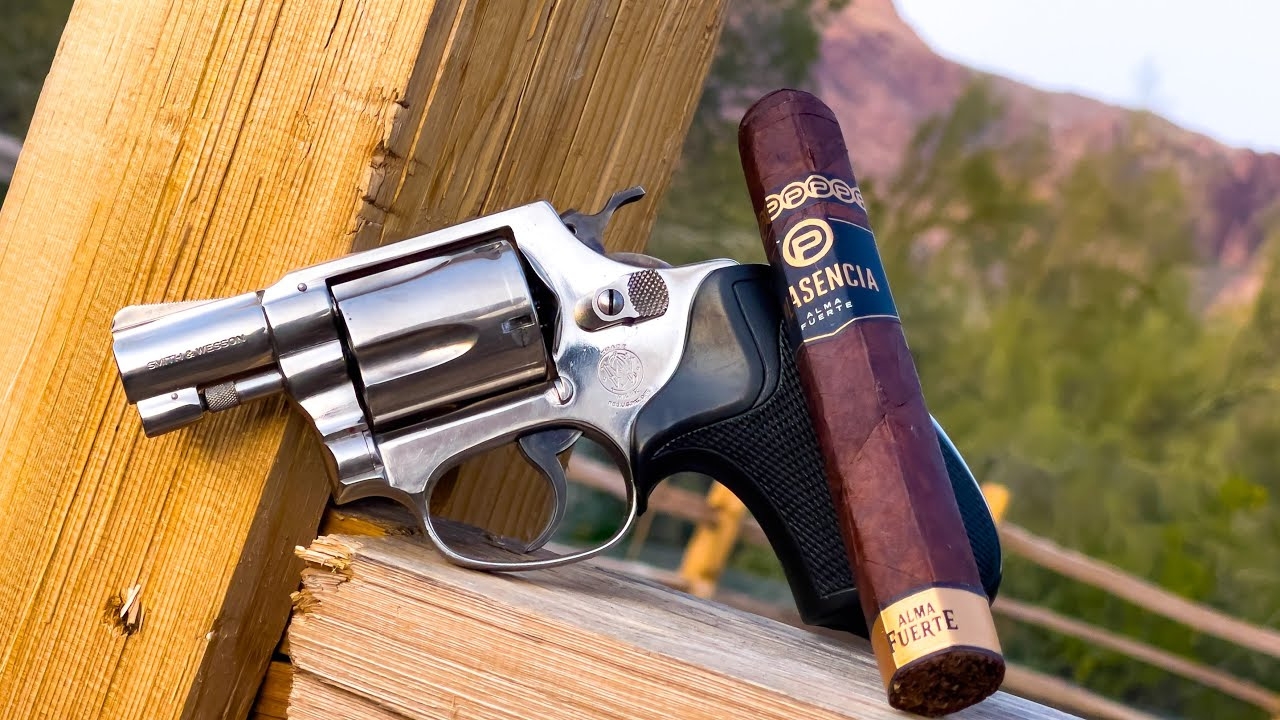
A lot of people know the nickname better than the model number, and for good reason. Smith & Wesson’s own history uses both together: “The Model 36, Chief’s Special, makes its debut.” That tells you the revolver’s original public identity was strongly tied to the Chief’s Special name.
That name mattered because it positioned the gun as a serious small defensive revolver rather than just a plinker or trail gun. The “special” part was not about decoration. It was about purpose. That last point is an inference grounded in the naming and law-enforcement conference debut.
3. The Model 36 helped launch the J-frame era

Smith & Wesson’s modern revolver-history page specifically references the “pre-Model 36 Chiefs Special,” which reflects the gun’s place in the company’s small-frame revolver development. Smith & Wesson’s current Model 36 Classic page also identifies it as a J-frame revolver.
That matters because the J-frame became one of the most important concealed-carry revolver formats ever made. The Model 36 is one of the guns that made that size class iconic. That second point is an inference grounded in the official J-frame identification and the model’s long-running legacy status.
4. It was built as a compact defensive revolver from the beginning

The IACP debut is not a random detail. Smith & Wesson unveiled the Chief’s Special to a law-enforcement audience, which strongly suggests the gun was intended for real defensive and police-related use from the start.
That is a big reason the Model 36 matters. It was not simply a reduced-size revolver for convenience. It was a small revolver built to be carried seriously. That conclusion is an inference from the official debut context and later Chief’s Special branding.
5. It stayed important enough that Smith & Wesson still builds a Classic version
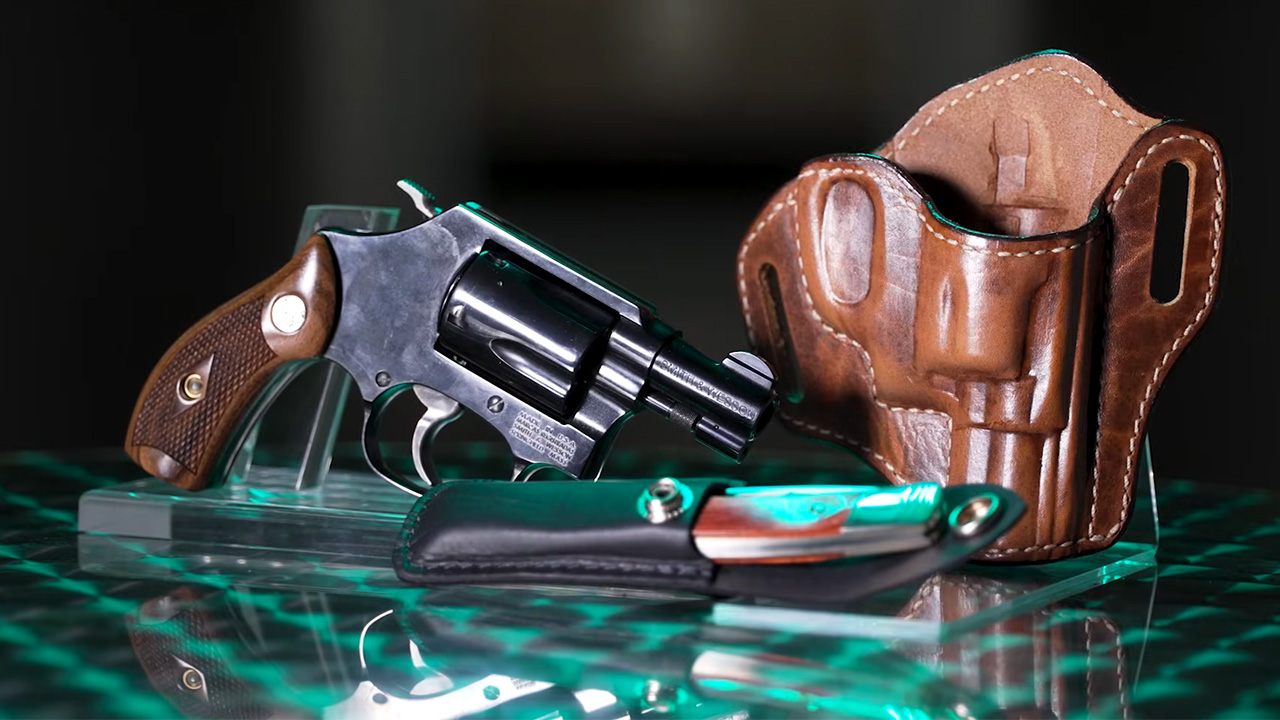
Smith & Wesson’s current product page lists the Model 36 Classic No Internal Lock as an active product.
That tells you the design never became just a forgotten catalog footnote. Smith & Wesson still thinks there is enough demand for the old Chief’s Special formula to keep it in the modern lineup. That demand point is an inference grounded in the current production listing.
6. The modern Classic version specifically drops the internal lock
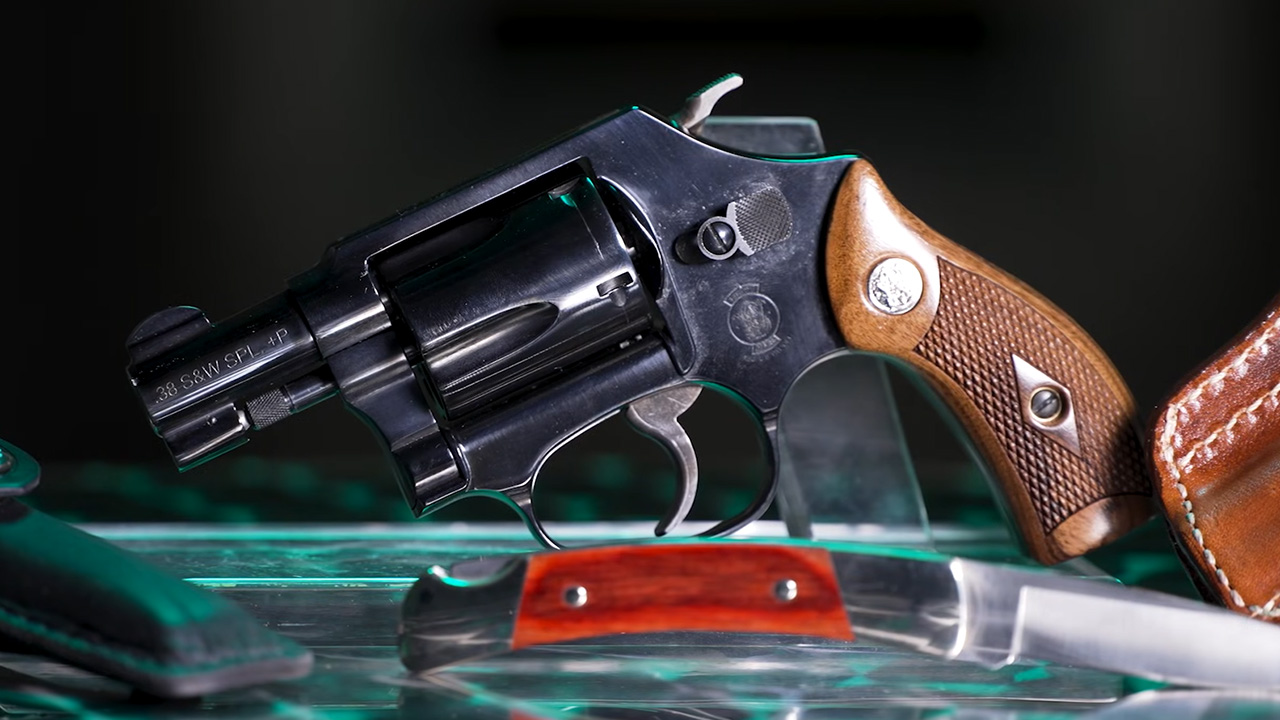
Smith & Wesson’s current product page is explicit: it is the Model 36 Classic No Internal Lock.
That is not a throwaway detail. It shows Smith & Wesson understands that part of the Model 36’s appeal is traditionalism, and that some buyers want the revolver to feel as classic and uncluttered as possible. The buyer-preference part is an inference based on the product’s official naming.
7. The Model 36 became one of Smith & Wesson’s foundational revolver patterns
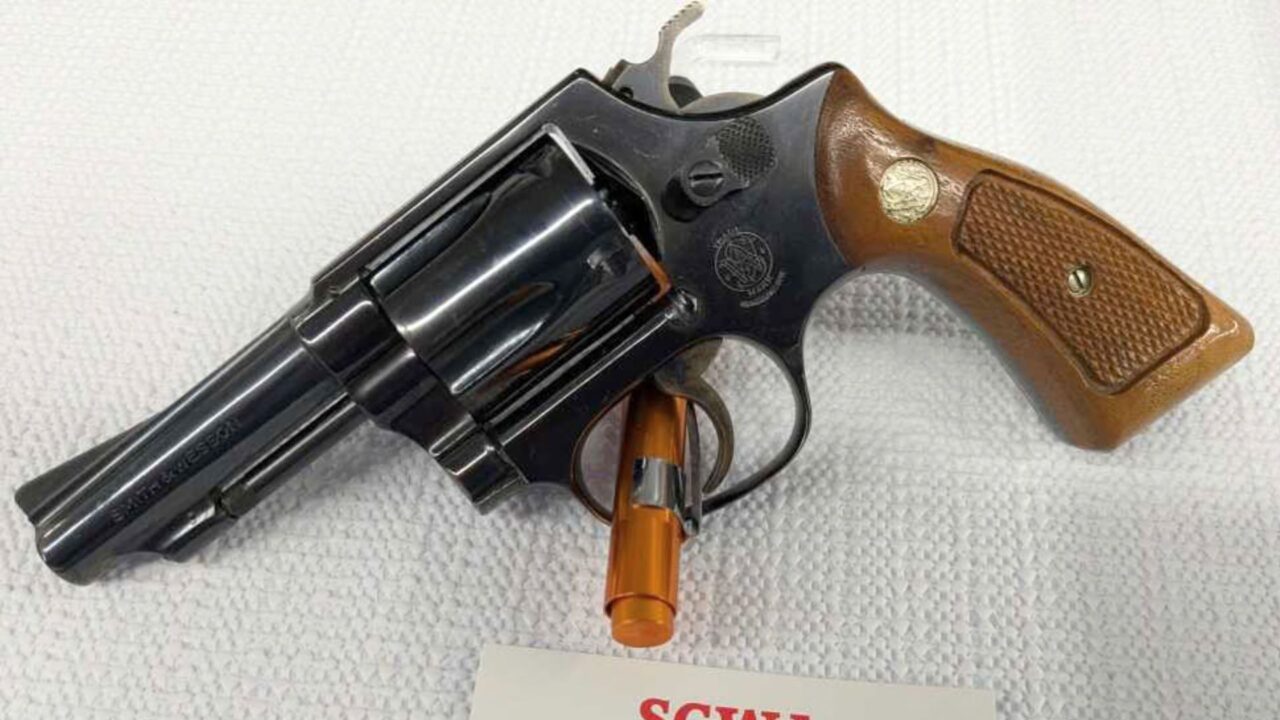
A Smith & Wesson investor filing says that many of the revolvers the company manufactures today are variations on three styles, one of which is the Model 36, .38 caliber Chief’s Special, first sold in 1950.
That is a pretty major statement, because it means the Model 36 is not just historically important in hindsight. Smith & Wesson itself treats it as one of the core revolver patterns behind its later products.
8. It is closely tied to the .38 caliber Chief’s Special identity

The same Smith & Wesson filing specifically calls it the “Model 36, .38 caliber Chief’s Special.”
That matters because .38 Special became deeply associated with the small defensive revolver concept in American gun culture. The Model 36 sat right in the middle of that story. The broader cultural point is an inference grounded in Smith & Wesson’s own characterization of the revolver.
9. The Model 60 is basically its stainless sibling in the broader family story
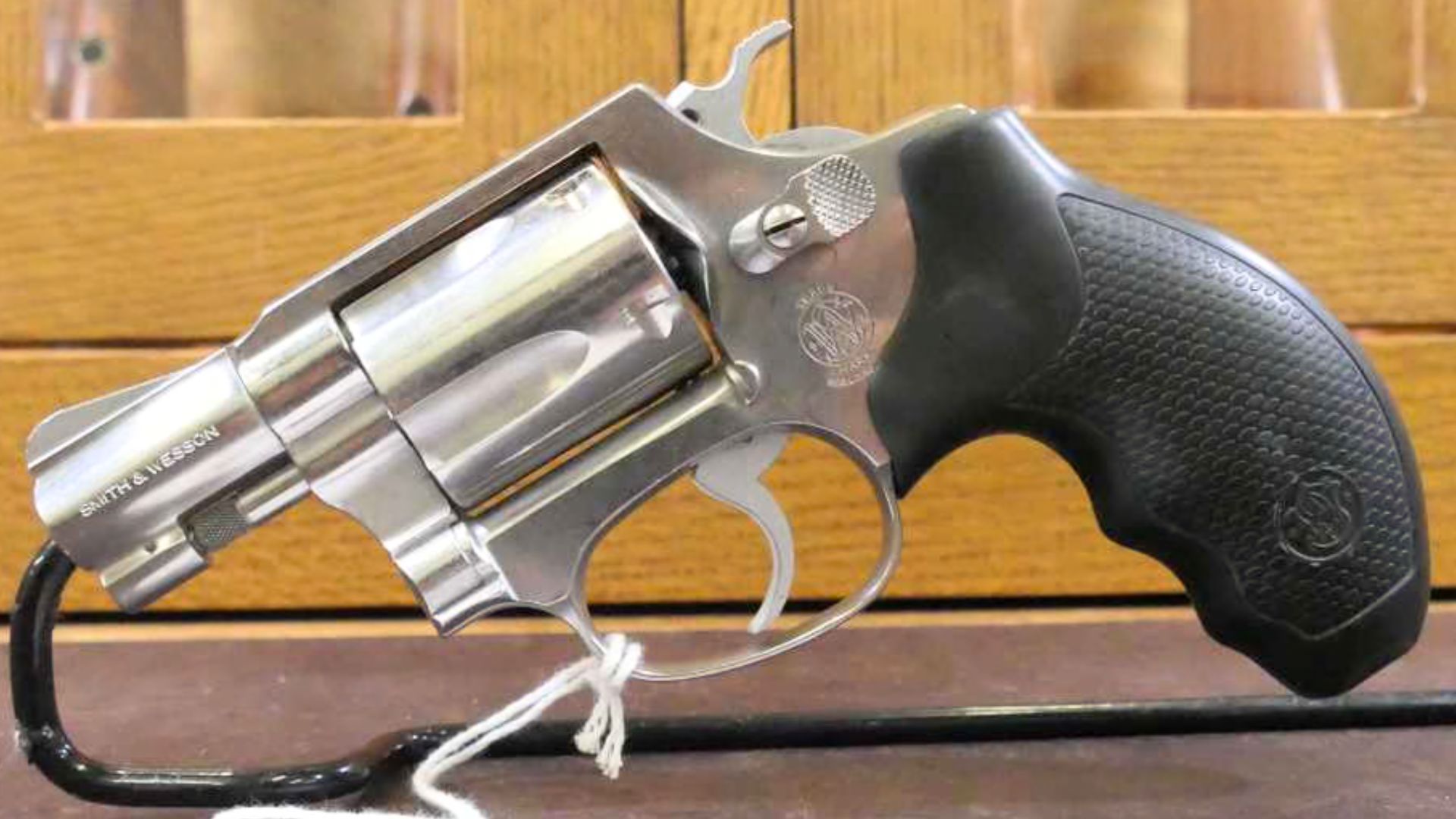
Smith & Wesson’s official history timeline places the Model 36 Chief’s Special in 1950 and then highlights the Model 60, Stainless Steel Chief’s Special, in 1965.
That is useful because it shows how the Model 36 concept directly led into one of the company’s most famous stainless small revolvers. The Model 36 was not a dead-end design. It became the blued-steel anchor for a whole branch of later J-frame revolvers. That last sentence is an inference grounded in the official timeline pairing.
10. It remained relevant enough to appear on federal approved-model lists decades later
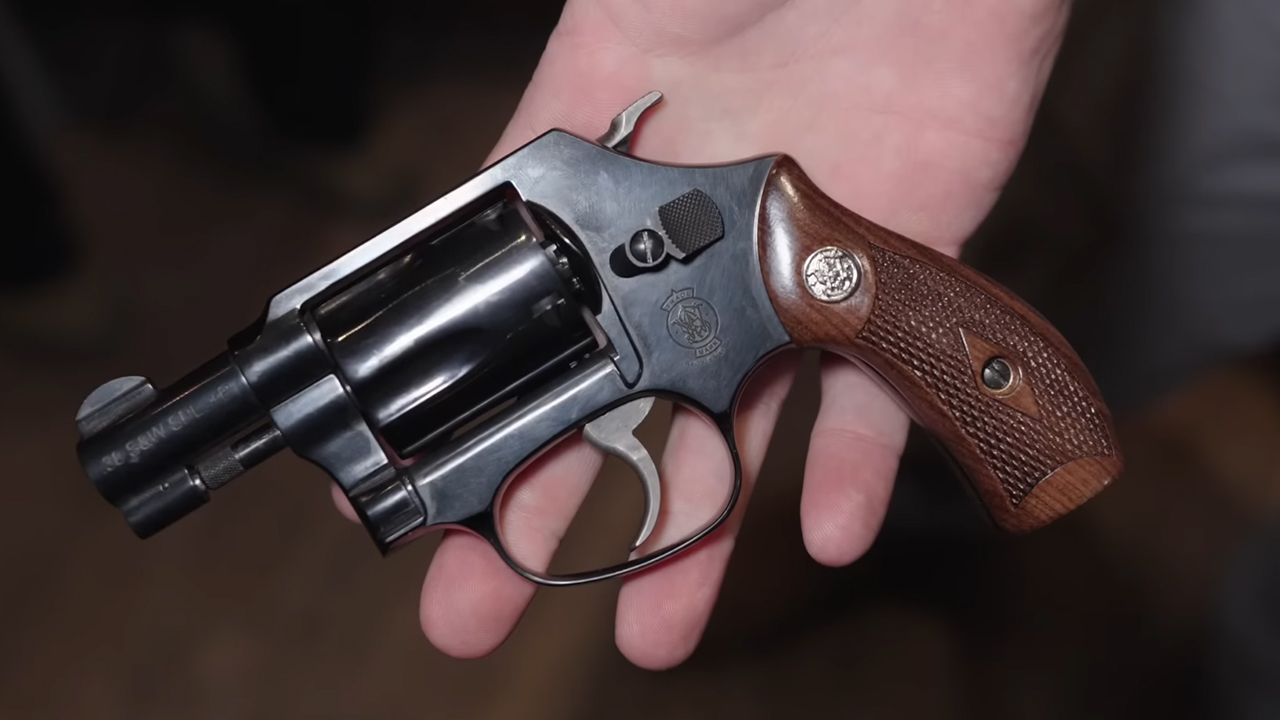
A 2006 Smith & Wesson release about Department of Homeland Security authorized models included the Model 36LS alongside several other J-frame revolvers.
That is interesting because it shows the Model 36 family concept remained institutionally relevant long after the original 1950 debut. The specific listed gun was a later variant, but it still reflects the continued life of the Model 36 line. That interpretation is an inference grounded in the DHS authorized-model listing.
11. The Model 36’s long legacy helps explain why so many modern snubs still look familiar
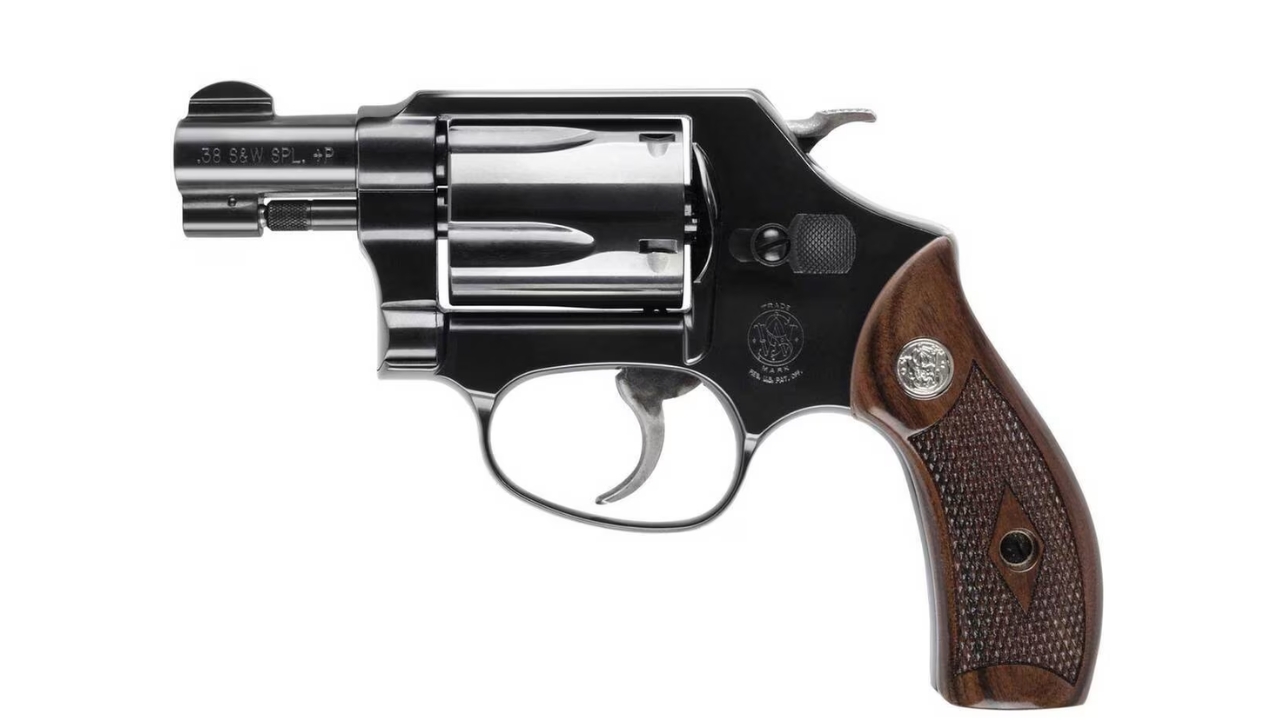
Smith & Wesson’s investor filing says many current revolvers are variations on the Model 36 style, and the current Classic page shows the company still selling a version of it today.
That means when a shooter looks at a modern small-frame Smith & Wesson revolver and thinks it feels familiar, there is a good chance the Model 36 is part of the reason. That is an inference, but it follows directly from Smith & Wesson treating the Model 36 as one of its foundational revolver patterns.
12. The Chief’s Special identity is older than the “Model 36” number
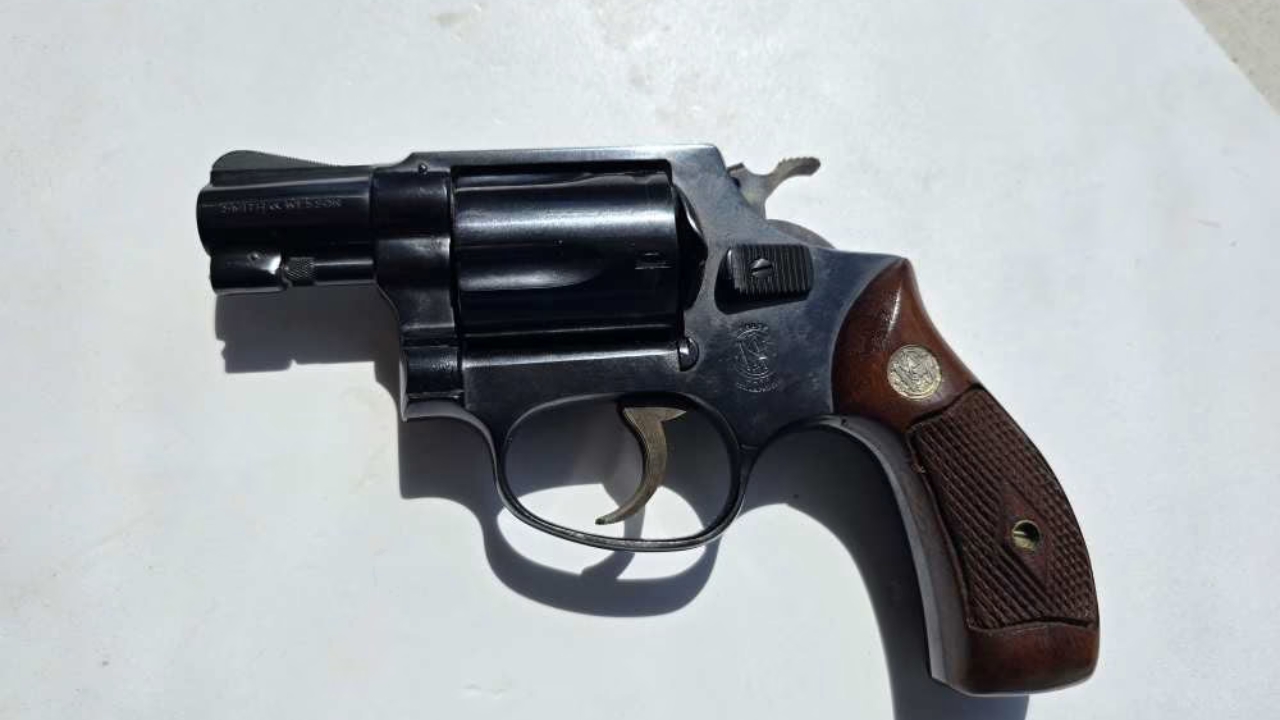
Smith & Wesson’s own history phraseology is revealing: it pairs the model number and the Chief’s Special name together, while the revolver-history page separately references the “pre-Model 36 Chiefs Special.”
That is a good reminder that the gun’s identity was rooted in the Chief’s Special name first, and the number came later as part of Smith & Wesson’s model-numbering system. That sequencing is an inference grounded in the official wording.
13. The Model 36 became one of the most recognizable plainclothes-style revolver templates ever
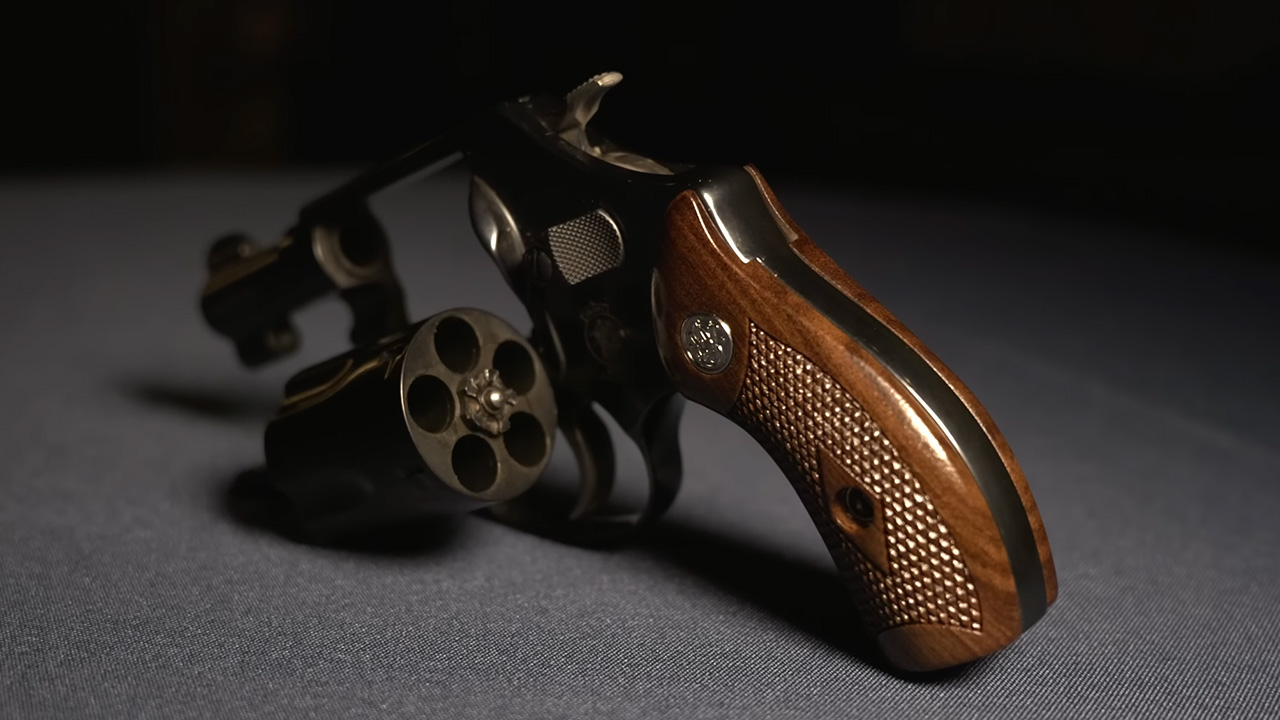
Smith & Wesson’s official material ties the gun to its 1950 IACP debut, its Chief’s Special identity, and its foundational place in the company’s revolver lineup.
That makes it hard to overstate how much the Model 36 influenced the idea of the compact defensive revolver. It was one of the guns that helped make the small steel snubnose feel normal, practical, and professional. That conclusion is an inference from the official historical role and continued production legacy.
14. The fact that Smith & Wesson still sells it without the internal lock is part of the appeal
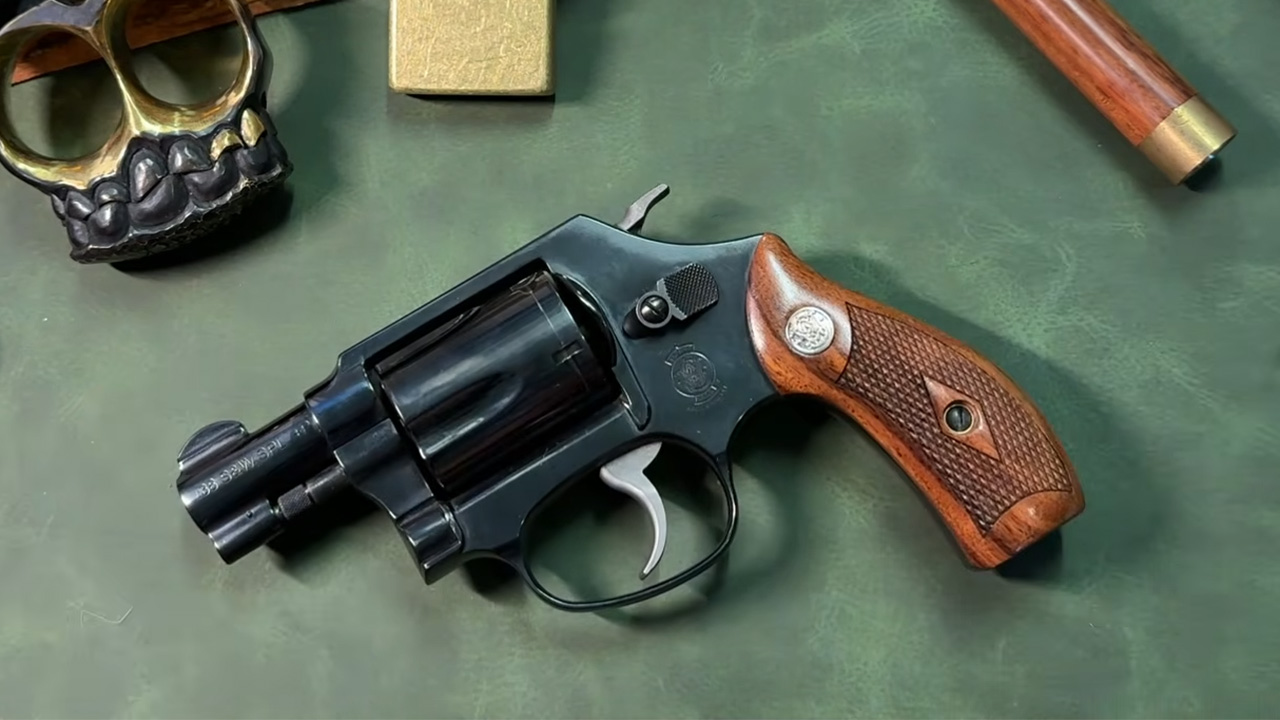
The modern product page does not just list a Model 36. It explicitly lists a classic no-lock version.
That strongly suggests the company knows buyers are coming to the Model 36 for old-school simplicity as much as for basic function. That buyer-motivation point is an inference, but it is a very grounded one given the specific product naming.
15. it is one of Smith & Wesson’s core revolver archetypes
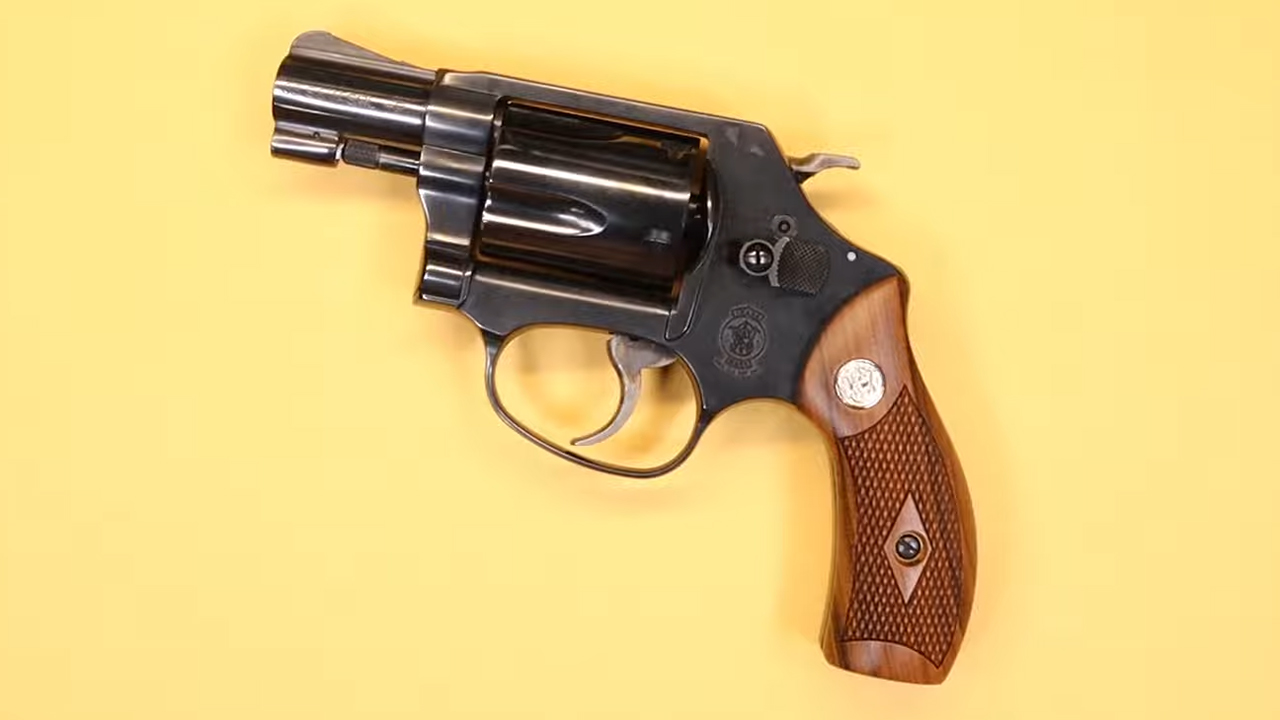
The strongest evidence for that is straight from Smith & Wesson: the company says many of its revolvers are variations on three styles, one of which is the Model 36 Chief’s Special, first sold in 1950. Add in the IACP debut and the still-active Classic listing, and the picture is pretty clear.
That is why the Model 36 still matters. It was not just a successful little revolver. It became one of the defining templates for how American shooters think about the small defensive wheelgun.
Like The Avid Outdoorsman’s content? Be sure to follow us.
Here’s more from us: