Photo credit: Photographer artist/istock.com
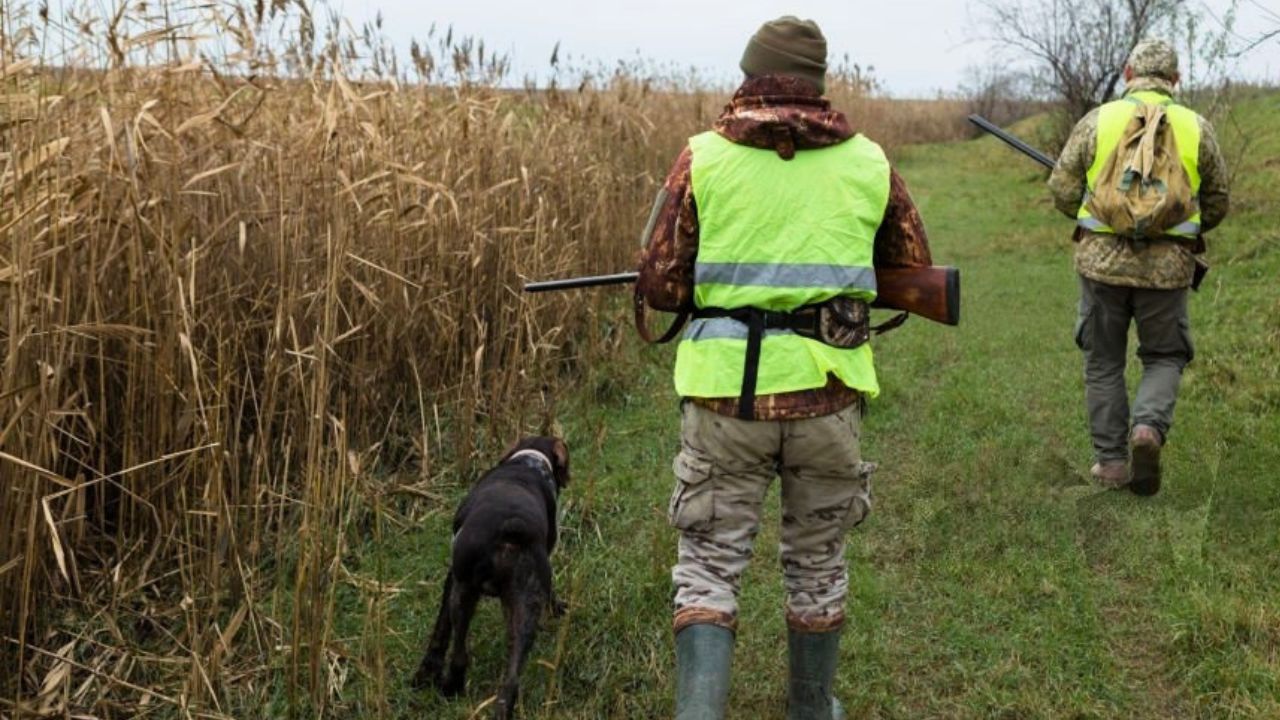
Sharing land with other hunters sounds simple until you actually do it. On paper, everybody knows where the boundaries are, everybody respects each other’s space, and the season goes the way it ought to. In real life, it usually gets messy when someone is new, excited, and not yet thinking through how their decisions affect everybody else using that property. That is where hard feelings start. A guy hangs a stand too close to somebody else’s spot, drives in at the wrong time, checks a camera when somebody is already hunting the area, or assumes open land means first come, first served every single day. Most of the time, these mistakes are not made out of disrespect. They come from inexperience, poor communication, and not understanding that shared ground only works when everybody gives a little and thinks ahead. The hunters who fit in well on shared land are usually not the ones with the best gear or the biggest opinions. They are the ones who pay attention, communicate clearly, and understand that one careless move can throw off more than just their own hunt.
One of the biggest problems new hunters run into is acting like a property map tells the whole story. They see a tract of land, hear they have permission, and figure that means they can set up wherever they want as long as they stay legal. What they miss is that every shared property has an unofficial rhythm to it. Certain spots may belong to certain guys by habit, some entry routes may be avoided during prime time, and some areas may be left alone unless the wind, pressure, or time of year makes them worth touching. A new hunter who ignores all that and charges in blind usually creates problems without even realizing it. He may not understand why people get irritated when he parks in the wrong place before daylight, walks through a bedding area somebody else has been protecting, or decides to “just scout a little” in the middle of somebody else’s sit. Shared land is not only about legal permission. It is about understanding how the property is actually being used and showing enough respect to learn that before you start making moves.
Acting like every open spot is fair game
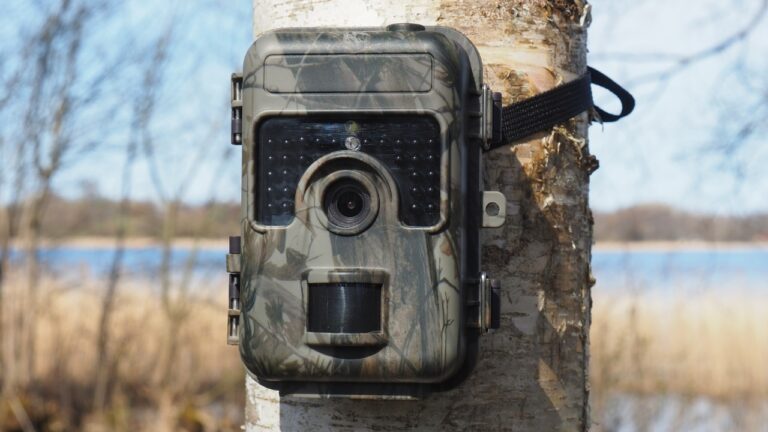
This is one of the fastest ways to create tension. A new hunter sees an empty patch of woods, a ladder stand somebody is not sitting in that morning, or a corner of the property that looks good on a map, and he assumes it is open for the taking. That mindset causes more trouble than people want to admit. On shared land, an area can be “open” in the technical sense and still clearly be part of somebody else’s regular pattern, especially if stands, cameras, mineral sites, or access routes already show that somebody has been working it. Charging in there without asking may not break a law, but it absolutely breaks trust, and once trust starts slipping on shared land, every little thing gets harder after that.
The hunters who last on shared property are the ones who learn to ask first instead of assuming first. Even a quick text can save a lot of aggravation. Something as simple as checking whether somebody plans to hunt a certain side, whether a stand is active, or whether an area is being left alone for a reason shows that you are thinking bigger than your own morning. New hunters who skip that step usually end up stepping on toes without meaning to, then acting surprised when the mood changes around camp or the group chat gets quiet. Shared land works best when people stop thinking only in terms of what they can do and start thinking in terms of what makes the property work for everybody using it.
Moving through the property like nobody else is hunting
Another mistake new hunters make is treating access like it does not matter. They focus on the spot they want to reach, but not on how they are getting there or what they are blowing up along the way. They drive too far in, slam truck doors, use the wrong trail in the dark, walk past another hunter’s setup, or cross through the middle of a section somebody else is already hunting because it is the easiest route on foot. Then they wonder why the rest of the group is irritated before daylight is even over. On shared land, how you move matters just as much as where you sit. One careless entry can ruin more than one person’s hunt if the property is tight or pressure is already high.
That is why experienced hunters usually think through access before they think through anything else. They know which roads stay quiet, which ridges carry sound, which creek crossings leave too much scent, and which parking spots should stay clear once somebody is already in the woods. A new hunter who has not learned that yet can create a lot of damage without ever firing a shot. It is not always dramatic. Sometimes it is just enough noise, scent, or pressure in the wrong place to change the way deer move for the rest of the morning. Shared land has a memory for that kind of thing. People remember who keeps barging in and who pays attention. And once you build a reputation as the guy who does not think past his own stand, it is hard to shake.
Not communicating until after there is already a problem
A lot of new hunters wait too long to speak up. They do not ask where other people plan to be, they do not mention what stand they are heading to, and they do not say anything when they change plans at the last minute. Then suddenly two people are walking toward the same ridge in the dark or one guy shows up and realizes someone else is already set up where he thought he was headed. Now a situation that could have been handled with one text the night before becomes awkward, frustrating, and sometimes unsafe. Most shared-land issues do not happen because nobody cared. They happen because nobody communicated early enough to keep the overlap from happening in the first place.
The best thing a new hunter can do on shared ground is over-communicate a little until he understands how the place works. Say where you are parking. Say what area you are thinking about. Ask if anybody else is planning to be nearby. Let people know if you back out early and switch to another part of the property. None of that is complicated, but it goes a long way. Guys get a lot more forgiving about mistakes when they can tell somebody is trying to do things the right way. What they get tired of is cleaning up confusion that never should have happened. Good communication does not make you look inexperienced. On shared land, it usually makes you look like someone worth keeping around.
Treating shared land like it is only about your hunt
This is really the mistake behind all the others. New hunters often get so locked in on their own excitement that they forget shared land is exactly that—shared. They think about the buck they saw on camera, the wind they finally got, or the stand they are itching to try, and they stop seeing the bigger picture. They forget there are other people with time invested, patterns established, and goals of their own. That does not mean a new hunter should feel like he has to stay out of the way forever. It just means he needs to understand that on shared ground, every decision affects more than one person, and the guys who do best are the ones who hunt with that in mind.
If a new hunter wants to earn trust fast, the formula is pretty simple. Ask more than you assume. Move carefully. Communicate before problems happen. And pay attention to how the property is actually being used, not just what a map says. Most people are willing to help someone who is new if they can see he is trying to learn and not bulldoze his way through everything. That is really what separates a welcome addition from a recurring headache. Shared land can be some of the best hunting there is when the people on it respect each other. But it goes bad in a hurry when one hunter acts like everybody else is supposed to work around him.
Like The Avid Outdoorsman’s content? Subscribe to our newsletter so you never miss an article.
Here’s more from us: