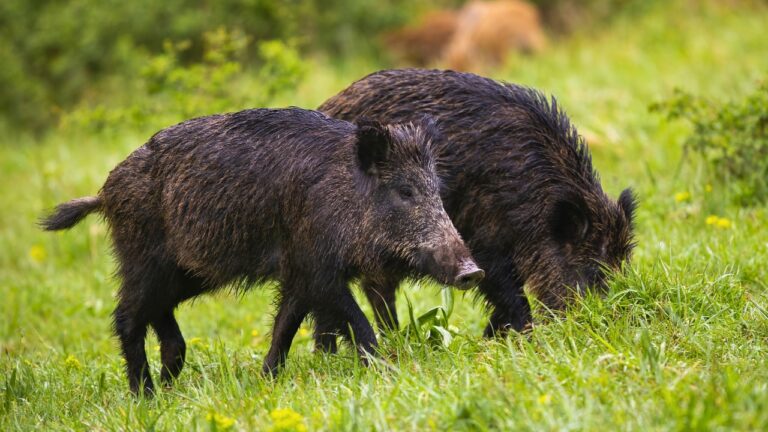
Photo credit: Vahe Aramyan/Shutterstock.com
Stay Calm and Build a Timeline

The second you pull the trigger or release an arrow, your job isn’t done—it’s just getting started. Before you do anything, take a breath and let your nerves settle. Adrenaline can make you rush, but patience is what separates a recovered deer from a lost one. Give yourself a minute to process what just happened. The best trackers don’t act on impulse—they gather information first.
Reconstruct the sequence of events in your head. Where did you hit the animal? How did it react? Did it drop, hunch up, or take off running? Was there a loud crack, or did the bullet or arrow pass clean through? Watch for landmarks and note the last place you saw movement. The more details you lock in now, the better your odds of recovery.
Think Before You Track

Once you’ve built a timeline, it’s time to analyze what you saw. The way a deer reacts to a hit tells you a lot. A hard kick and a sudden sprint often mean a heart shot. A deer running low to the ground might indicate a lung shot. If it hunches up or moves stiffly, that usually means a liver or gut shot. Recognizing these signs helps you decide how long to wait before tracking.
If you’re confident in a lethal shot and saw the animal drop, give it at least twenty minutes. For lung shots, thirty minutes is a safer bet. Liver shots require a couple of hours, and gut shots need six or more. Rushing in too soon can push a wounded deer farther, making recovery much harder. When in doubt, wait longer. There’s no such thing as too dead, but there is such a thing as not dead enough.
Read the Blood Trail

Your first clue is at the point of impact. Check for your bullet or arrow and inspect the blood. Bright red and heavy splatter usually means a heart or major artery hit. Bubbly pink blood points to a lung shot. Dark, thick blood suggests liver, while anything greenish or foul-smelling means a gut shot. Each type of blood tells a story about the wound and how to proceed.
Follow the trail carefully, but don’t just look at the ground. Blood can show up on brush, tree trunks, or grass at about waist height. If the blood gets heavier as you go, the animal likely isn’t far. If it thins out, slow down and reassess before pushing forward.
Follow the Trail Like a Tracker
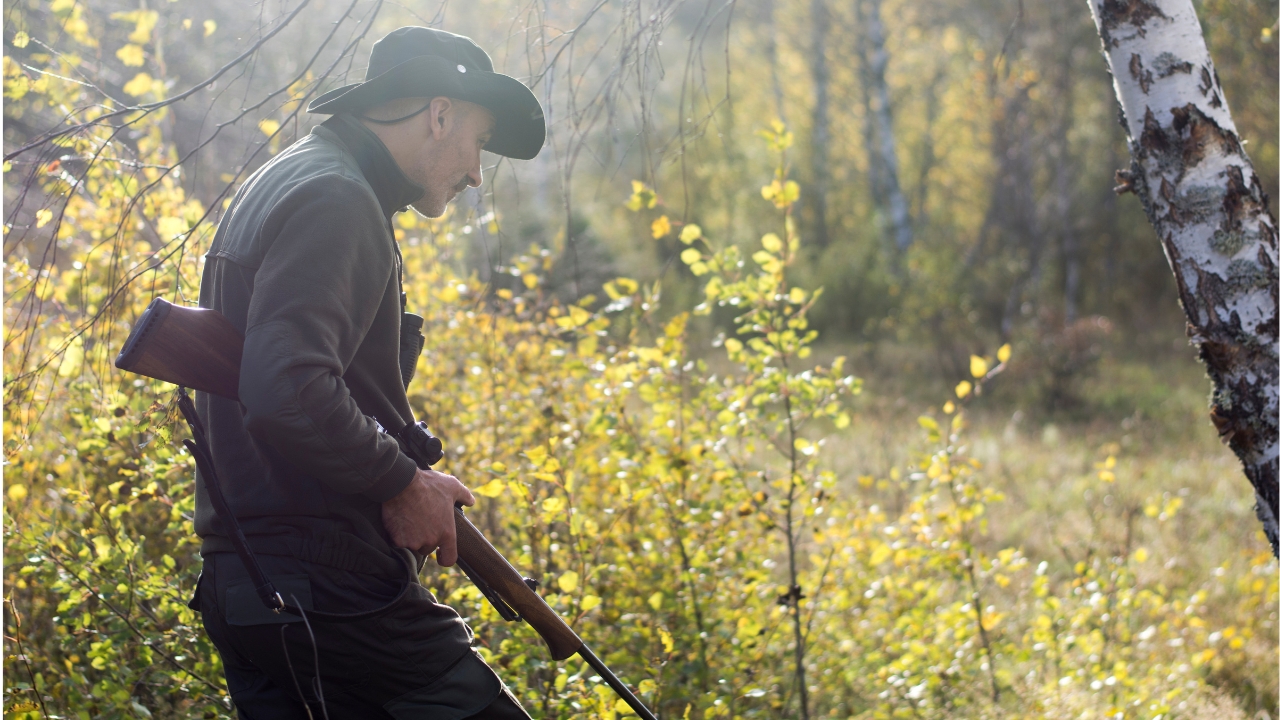
Once you’re on the blood trail, slow down. The last thing you want is to stomp right past a key clue. Mark spots as you go—flagging tape, toilet paper, or even sticks stuck in the ground work fine. If the trail’s steady and consistent, odds are the deer isn’t far.
Watch for changes. If the blood starts thinning out, the wound might be clotting, or the deer is slowing down. If you see a big pool, that means it stopped and bedded down. That’s your sign to back out and give it time. Push too soon, and you’ll send it running farther than you want to track.
Read the Terrain

Blood is just one part of the puzzle. Tracks, snapped twigs, and disturbed leaves tell the rest of the story. Pay attention to the direction of prints—if they start staggering or dragging, that deer is hurting and won’t last much longer.
Wounded deer look for cover. Thick brush, low spots, or water are all prime places to check if the trail goes cold. If the blood disappears, don’t just wander aimlessly. Think like the deer. Where would you go if you were hurt and looking for a place to hide?
Stay Quiet, Stay Sharp

A lot of guys screw up by making too much noise. If that buck is still alive and hears you coming, he’ll drag himself deeper into the woods. Walk slow. Step lightly. If you think he’s bedded down ahead, glass the area before moving in. A good pair of binoculars can save you from jumping him before you’re ready.
If you spot movement, don’t rush. Back out, give it more time, and come back when you know he’s expired. The last thing you want is to chase a wounded deer for miles because you got impatient.
No Blood? Slow Down

Sometimes, you won’t find blood right away. That doesn’t mean the deer isn’t down—it just means you need to work smarter. Start by going to the last place you saw the animal and scanning for clues. A wounded deer will take the easiest path, often moving downhill or toward water. Look for broken branches, fresh tracks, or kicked-up leaves.
If you lose the trail completely, backtrack to the last known blood and start a grid search. Expanding circles from that point can also help. It’s not about luck—it’s about methodically working the area until you find the next clue. The key is not to get frustrated. Stay patient, and the signs will appear.
Look for the Right Bedding Areas

Wounded deer almost always head for thick cover. When tracking slows down, shift your focus to bedding areas, creek beds, and brush piles. A mortally wounded deer wants to feel safe before it lays down, so think like a deer and look for spots that provide security and concealment.
If you suspect a liver or gut shot, be extra cautious. These deer will often bed within a few hundred yards but can still be alive if you push them too soon. If you jump a wounded deer, back out immediately and give it more time. Rushing in too early can send it running another mile, making your job much harder.
Use the Wind to Your Advantage

Human scent can send a wounded deer running, even when it’s on its last legs. Pay attention to wind direction while tracking. If possible, approach from a downwind angle to avoid alerting the animal before you find it.
This is even more important if you’re tracking with help. Spread out in a way that keeps your scent from pushing the deer farther. The goal is to recover, not to chase. If you’re using a dog, let the wind work in its favor too—good tracking dogs work best when they can follow scent freely without interference.How to Track and Recover Wounded Game Like a Pro
Call for Backup

If you’ve done everything right and still can’t find your deer, it’s time to call in reinforcements. A second set of eyes can spot things you missed, and a group grid search increases your chances. Spacing out and moving slowly through the woods is an old-school but effective way to recover game.
Tracking dogs are another option, but they should be a last resort, not an excuse to cut corners. Not every state allows them, so check the rules before bringing one in. The best hunters don’t just rely on technology—they develop their skills so that they rarely need outside help. At the end of the day, a successful recovery comes down to patience, observation, and experience.
Know When to Call It Off
Even with the best tracking skills, not every recovery ends in success. If you’ve exhausted all your options and the trail has gone completely cold, it’s time to ask the hard question: was the hit fatal? If the blood is light, stops completely, and the deer showed no signs of distress, you might be dealing with a non-lethal hit. Shoulder shots, low brisket wounds, and muscle grazes can heal quickly, meaning the deer could survive.
That doesn’t mean you give up too soon. If there’s any sign that the wound was serious, keep at it. Call in extra help, use a tracking dog if legal, and work through every possible angle. But if the evidence points to a flesh wound, it’s best to accept the loss, learn from it, and make sure your next shot counts.
*This article was created with the assistance of AI.