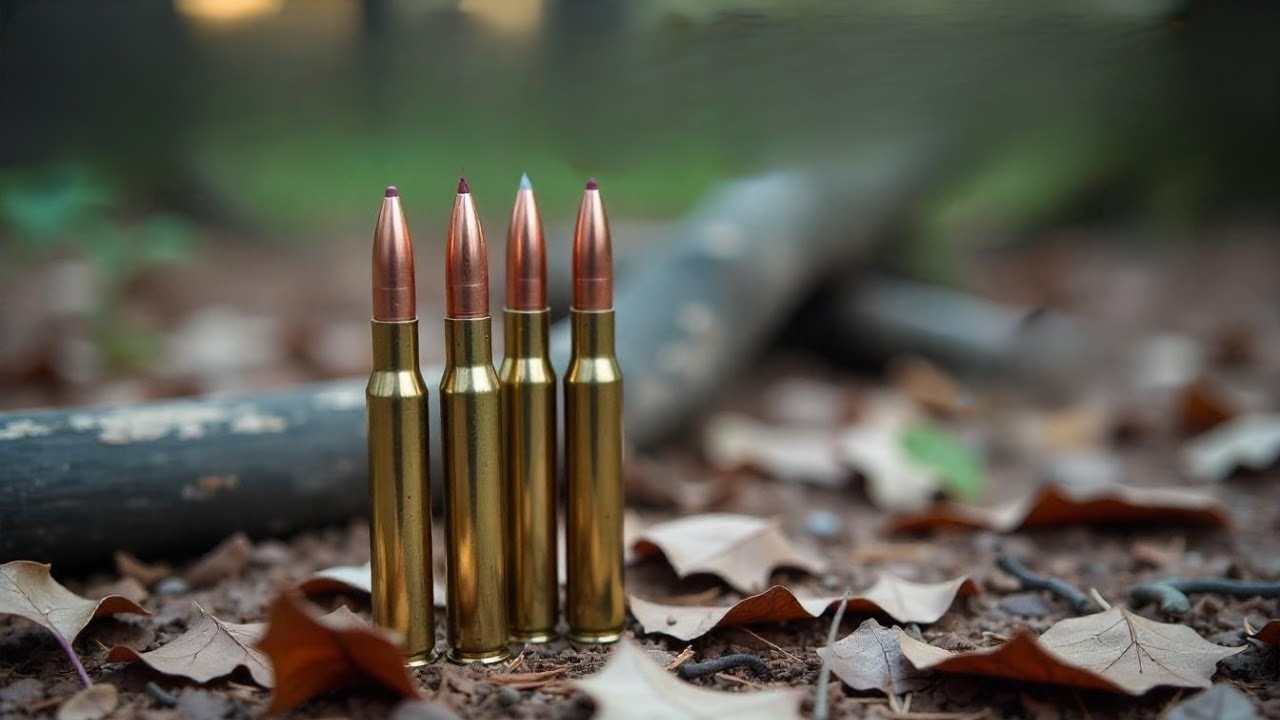
Photo credit: WatchVibe/YouTube
Hunters hear the same pitch every few years. A newer cartridge shows up with sharper branding, a cleaner story, and a lot of talk about efficiency, flatter flight, or finally fixing what the older rounds somehow got wrong. Some of those newer cartridges are good. A few are genuinely excellent. But the reason so many older rifle calibers refuse to go away is simple: they never stopped doing the job in the first place.
That matters in the field. A hunting caliber does not stay alive for decades because of nostalgia alone. It stays alive because it kills game cleanly, gives hunters confidence, and keeps solving real problems season after season. These are the rifle calibers hunters keep using because they still flat-out work, no matter how many newer options try to talk them out of it.
.30-06 Springfield

The .30-06 keeps surviving because it still covers more real hunting ground than most people actually need. It can handle lighter deer bullets, heavier elk bullets, and plenty in between without asking the hunter to buy into some narrow, specialized idea of what a rifle should be. That broad usefulness is hard to replace once you actually hunt a mix of game instead of shopping only by hype.
It also has the kind of track record that is impossible to fake. Hunters trust it because too many animals have already proven the point. Deer, elk, black bear, hogs, moose, it has done the work for too long to be dismissed as old. There are flatter rounds and louder rounds, but very few that still solve as many practical hunting problems as this one without becoming a pain to own or shoot.
.308 Winchester
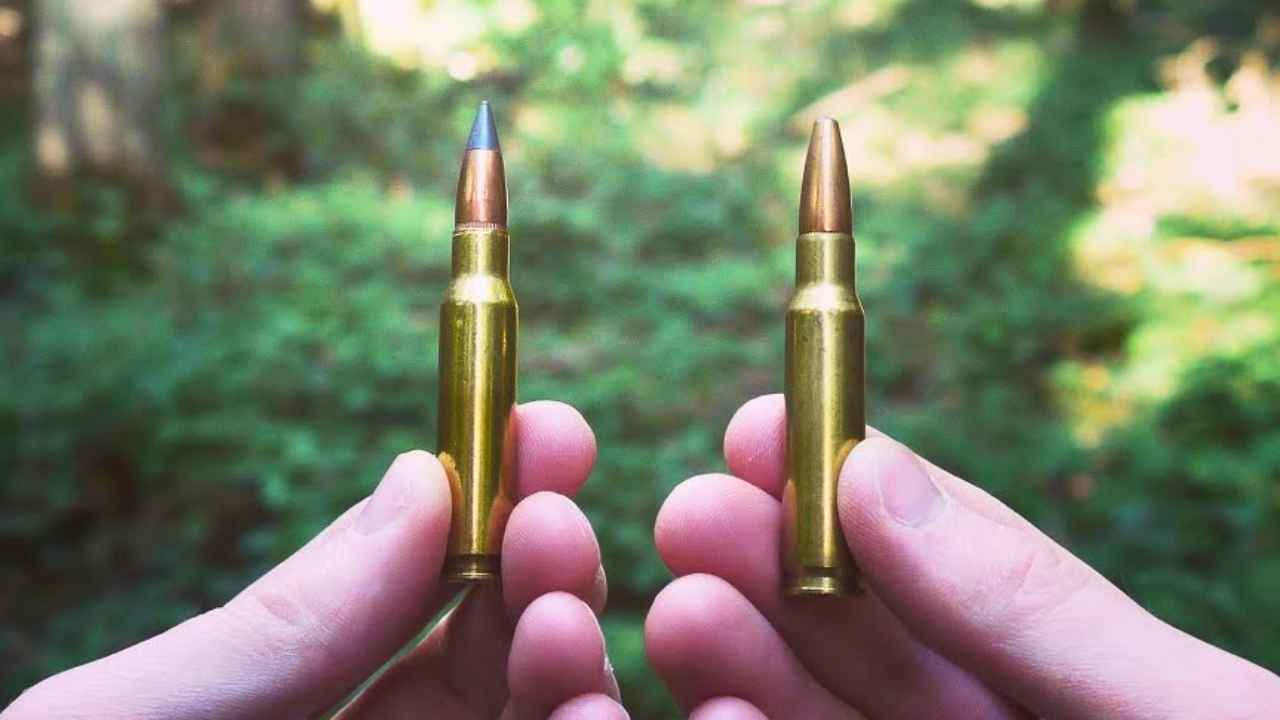
The .308 keeps getting used because it does a lot of things well without wearing the shooter out. That matters more than some hunters want to admit. Recoil stays manageable, rifles stay handy, and the cartridge still carries enough authority for deer, hogs, black bear, and elk within sane hunting distances. It keeps earning trust because it stays simple.
That practicality is exactly why it refuses to fade. Hunters can find ammo, find rifles, and find good bullet choices without turning the whole process into a project. The .308 is not exciting in the way newer cartridges try to be. It is steady. In the field, steady usually ages better than exciting. That is why so many hunters who have already tried other things still come back to it.
.30-30 Winchester
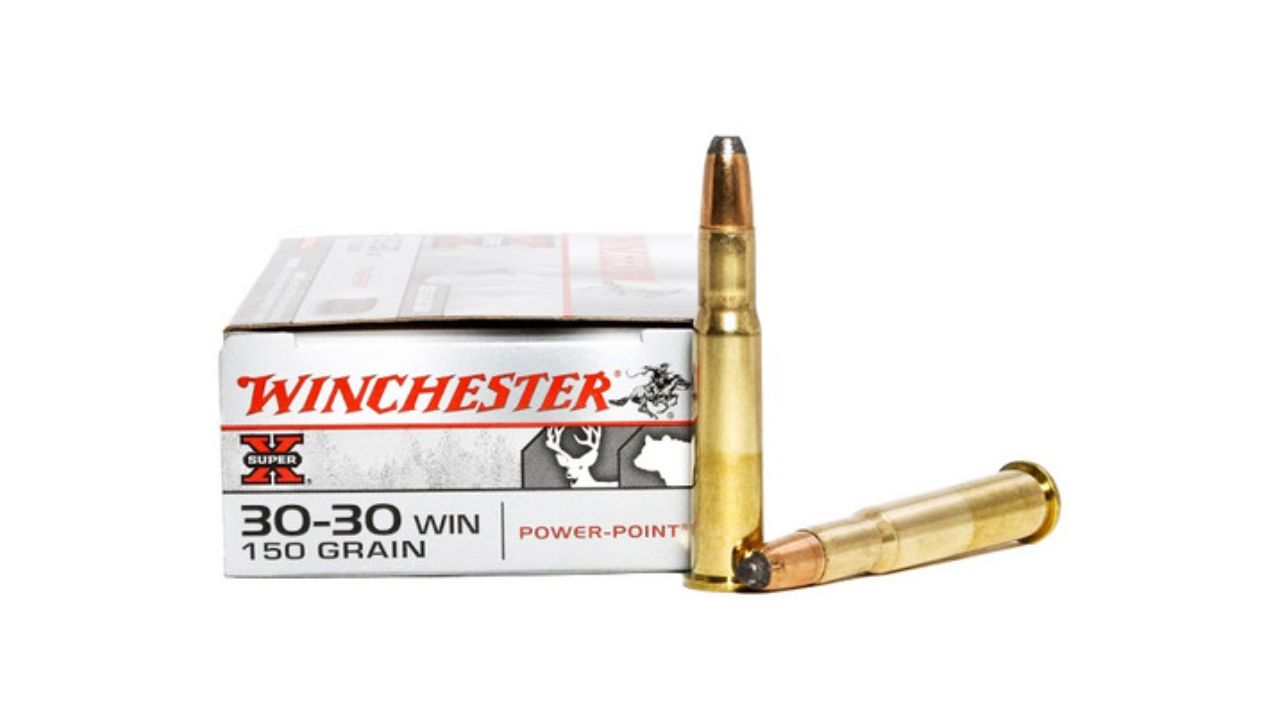
The .30-30 keeps working because most deer are not shot in internet arguments. They are shot in woods, cutovers, creek bottoms, brush, and ordinary hunting country where fast handling and decent close-to-midrange punch still matter more than bragging rights at 600 yards. That is where the .30-30 has always made its living, and that country has not disappeared.
Hunters keep using it because it still kills deer cleanly when paired with common sense and reasonable range discipline. It also tends to live in rifles people actually enjoy carrying. That matters. A cartridge does not have to win ballistic beauty contests if it still keeps putting venison on the ground in the places real hunters spend their mornings. The .30-30 has been doing exactly that for far too long to be talked out of relevance.
.270 Winchester

The .270 keeps holding on because it still does what hunters always liked about it. It shoots flat enough for open-country deer and antelope, carries enough authority for elk in the right hands, and does it without turning every rifle into a recoil lesson. That combination remains extremely hard to beat for people who want a practical hunting rifle instead of a personality statement.
It also helps that the .270 never really needed excuses made for it. It built its reputation in the field and kept it there. Hunters who spend real time in big country still understand why it matters. It is not fashionable to call a cartridge dependable and leave it at that, but that is a huge part of what keeps the .270 alive. It stays useful where a lot of newer options still feel like sales pitches looking for proof.
.243 Winchester

The .243 keeps working because a lot of hunters still need a cartridge that is easy to shoot well. That is not a small thing. Low recoil, enough practical accuracy, and solid deer performance with the right bullets keep it relevant for younger hunters, smaller-framed shooters, and anybody who values shot placement more than macho suffering. Those needs have not gone away.
That is why the cartridge stays in camps and safes year after year. It is also more versatile than its critics like to admit. It can handle varmints and predators, and it can still be a very useful deer round when people stay disciplined about bullet choice and range. The .243 does not survive because people are sentimental. It survives because it keeps doing exactly what many hunters actually need a rifle to do.
7mm-08 Remington

The 7mm-08 keeps getting carried because it sits in one of the sweetest spots in hunting. It gives hunters efficient bullet performance, manageable recoil, and enough real authority for deer, hogs, black bear, and elk with the right load and sensible use. That is a very hard combination to argue with once somebody actually hunts with one for a few seasons.
It also avoids a lot of the baggage newer cartridges bring with them. The rifles are practical, the shooting experience stays comfortable, and the field results remain strong. Hunters keep using the 7mm-08 because it does not ask them to make a dramatic lifestyle change or tolerate magnum punishment to feel prepared. It simply works, and there is no trend strong enough to make a cartridge like that disappear.
.280 Remington
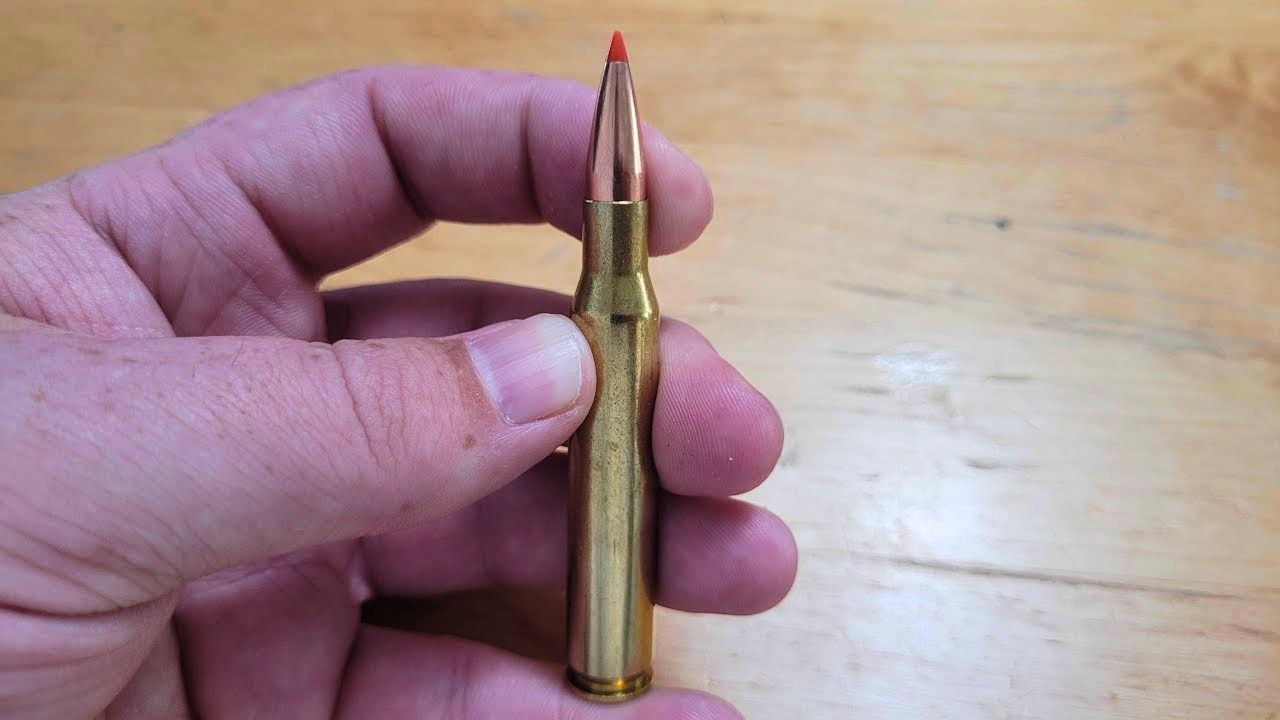
The .280 Remington has always felt like the cartridge hunters “discover” after realizing they do not need to follow the crowd to end up with something very useful. It brings enough bullet performance to be taken seriously on bigger game, enough balance to stay pleasant to shoot, and enough practical field ability to make its fans deeply loyal. That tends to happen when a cartridge consistently does more than its market hype suggested.
Hunters keep using it because it fills that all-around hunting role with very little drama. It is one of those rounds that never needed a giant ad campaign to stay relevant. The people who actually use it do most of the talking for it. That kind of long-term field respect matters more than trend energy. The .280 never had to dominate the conversation to keep earning tags punched and freezers filled.
.35 Remington
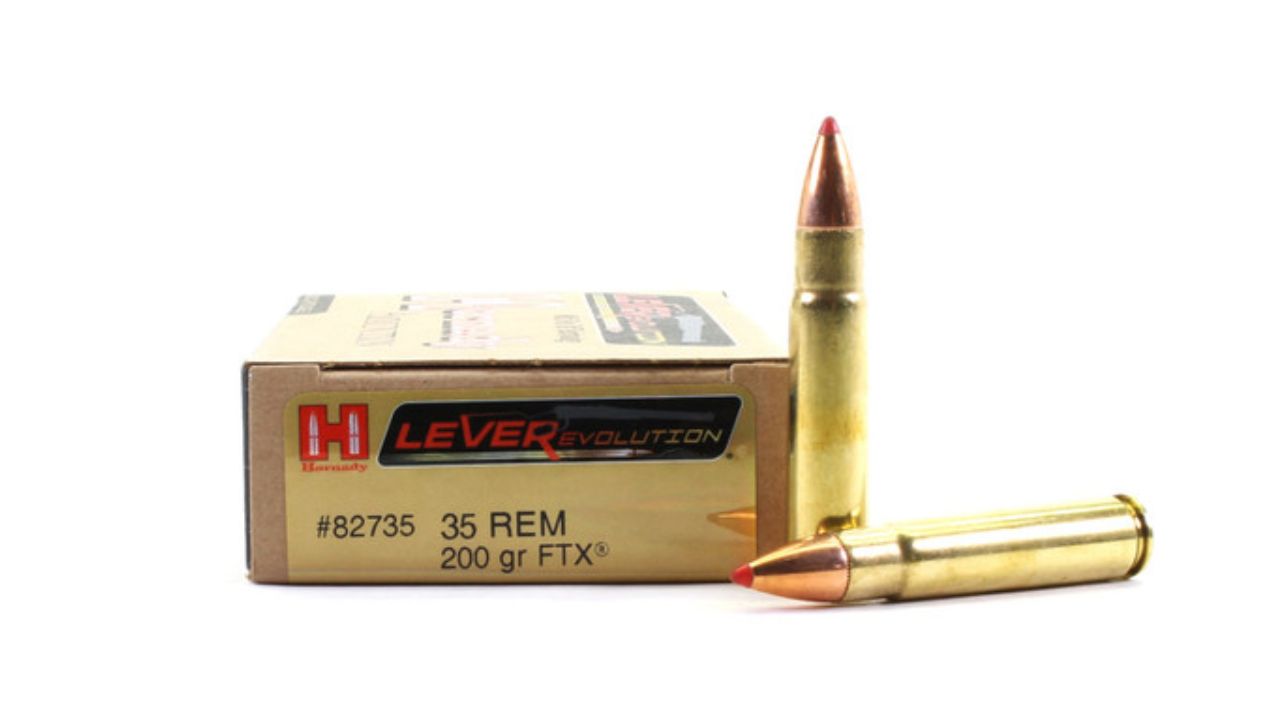
The .35 Remington keeps showing up in deer camps because it still makes excellent sense in the kind of country where many hunters actually hunt. In thick timber, brush, and moderate-range conditions, a heavier bullet moving with real authority still has a lot of practical value. That may not sound sexy in the age of ballistic calculators, but deer do not care how current the cartridge is.
Hunters keep using it because it works exactly where it was always meant to work. It does not pretend to be a do-everything long-range round. It is a woods cartridge, and it remains good at that job. There is something honest about calibers that know what they are for. The .35 Remington has outlasted plenty of smarter-sounding ideas simply by continuing to hit game like a real hunting round at real hunting distances.
.45-70 Government

The .45-70 stays alive because heavy bullets and close-range authority still solve real problems. In thick cover, on bigger-bodied game, and in the hands of hunters who understand the distances involved, it remains one of the most convincing rifle calibers in the woods. It does not need to be fast to feel decisive. It only needs to hit like it means it.
That is why the cartridge keeps hanging on so hard. Hunters who use it are not usually doing so out of blind nostalgia. They know exactly what it offers. The rifle may be shorter-range than modern darlings, but when conditions fit the job, the .45-70 still feels like one of the most serious answers a hunter can carry. That kind of authority never really goes out of style.
.300 Winchester Magnum

The .300 Win. Mag. keeps getting used because there are still hunters who want real reach and real power in the same cartridge. Elk, moose, western hunts, big country, difficult angles, all of that keeps the .300 alive because it still solves those problems with more authority than the softer rounds people keep trying to talk themselves into.
It is not subtle, and it is not comfortable for everybody. That is part of why its staying power means something. Hunters do not keep carrying a magnum like this out of sentiment alone. They carry it because it still delivers when the animal is big and the distance gets serious. There are newer rounds that sound cleaner on paper, but the .300 Win. Mag. keeps holding its place because the field still respects hard answers.
7mm Remington Magnum

The 7mm Rem. Mag. continues to earn tags because it gives hunters a strong blend of reach, bullet performance, and practical big-game usefulness. It has long been one of those cartridges that lets people stretch into open country without immediately stepping into the heaviest-recoiling class of rifles. That has always mattered more than people pretending every good round needs to be new.
Hunters keep using it because it still makes sense when the country opens up and the game gets bigger. It has too much field history and too many clean kills behind it to be dismissed as a relic. A lot of cartridges come in promising modern efficiency. The 7mm Rem. Mag. keeps answering with dead game and years of proof.
.338 Winchester Magnum

The .338 Win. Mag. still flat-out works because there are animals and conditions that still reward unmistakable authority. Elk, moose, and big bears have a way of reminding hunters that some cartridges are not trying to be delicate or fashionable. They are trying to hit hard enough to keep the conversation very short. That is what the .338 has always done well.
Hunters who use it tend to understand exactly why they are using it. It is not there for soft recoil or easy marketing. It is there because when things get big and unpleasant, a cartridge with real weight behind it still makes sense. That sort of brutally honest usefulness is why the .338 Win. Mag. remains respected long after more polished trends have rolled through.
.257 Roberts

The .257 Roberts has survived because it remains one of those cartridges that does more real hunting work than its low-key reputation suggests. It has always been very effective on deer-sized game, very pleasant to shoot, and very easy to live with when paired with a good rifle. Those are the sorts of traits that build long-term loyalty, especially among hunters who care more about practical field results than trendy conversation.
It keeps showing up because mild recoil and real effectiveness are not small advantages. The Roberts does not need to dominate gun-store chatter to matter. It only needs to keep rewarding the hunters who actually use it, and that is exactly what it has done for decades. A cartridge that remains this easy to trust is hard to push out of the field.
.257 Weatherby Magnum

The .257 Weatherby Magnum keeps getting used because speed and flat shooting still matter in open-country hunting when the cartridge behind them is proven. Deer, antelope, and similar game have a way of showing whether a fast quarter-bore is theory or reality, and this one has been proving the point for a long time. It is not just flashy. It is effective.
What keeps it relevant is that it still solves a real problem for hunters who like to reach without carrying unnecessary recoil for the job. The cartridge may carry some Weatherby glamour, but it survived because it did the work. Hunters who know exactly what they want out of a fast, flat hunting round keep coming back to it because it remains one of the best pure examples of that idea.
.375 H&H Magnum

The .375 H&H stays alive because it still answers one of the most serious questions in hunting better than almost anything else: what do you carry when the game is large, tough, and capable of making mistakes feel permanent? That is not a role most hunters need, but for the ones who do, the old .375 remains one of the clearest and most proven answers in the world.
Its staying power comes from trust. Not hype. Not novelty. Trust. Dangerous game, heavy game, and real hard-country hunting built this cartridge’s reputation, and those standards are higher than any ad campaign. Hunters keep using it because when a cartridge has already proven itself that thoroughly, replacing it becomes a much tougher argument than marketing people want to admit.
Like The Avid Outdoorsman’s content? Subscribe to our newsletter so you never miss an article.
Here’s more from us: