Photo credit: Wirestock Creators/Shutterstock.com
Massachusetts is adding a deep winter opportunity to your deer calendar, and it arrives just as most hunters are packing away their gear. The Winter Deer Season from January 1 to February 14 in select coastal zones gives you a fresh window to fill tags, help manage dense island herds, and test your late season skills when whitetails are at their wariest. To make the most of it, you need to understand how this new stretch fits into existing rules, how it compares with neighboring New York, and what tactics work when food is scarce and deer are on edge.
Where the new winter season applies and why it exists
The Winter Deer Season is not statewide, so you cannot simply head to any Massachusetts woods after New Year’s and expect to be legal. The state has opened this late window specifically in Wildlife Management Zones 13 and 14, which cover Martha’s Vineyard and Nantucket, areas where deer densities and human–deer conflicts have been persistent concerns. By targeting WMZ 13 and 14, regulators are focusing extra hunting pressure where it can most effectively reduce browsing damage, vehicle collisions, and tick-related issues without overharvesting deer in regions that do not have the same population surplus.
Officials have already framed the broader expansion of deer opportunities as a response to a “ballooning population” in parts of Massachusetts, and the islands are a textbook example of that trend. At the same time, Massachusetts and Maine remain the only states that still prohibit Hunting on Sundays, a restriction that shapes how much pressure deer actually experience even when seasons are extended. The winter framework, which runs from January 1 through February 14 in those Wildlife Manag zones, is designed to add days in a biologically strategic period rather than simply crowding more hunters into the traditional fall calendar.
Licenses, tags, and who can hunt from Jan 1–Feb 14
To participate in the Winter Deer Season, you must be properly licensed for the year in which the season occurs, and that detail matters more than some hunters realize. For the January 1 to February 14, 2026 window on Martha’s Vineyard and Nantucket, you need a valid 2026 hunting or sporting license, not a leftover credential from the prior fall. You also must hold the appropriate deer tags that apply to WMZ 13 and 14, since the state manages harvest through a combination of zone specific permits and statewide allowances rather than a single blanket tag.
Massachusetts expects you to follow the same core reporting rules that apply in the main fall seasons, which means you should report your deer online after a successful hunt instead of assuming the winter period is more relaxed. The state’s deer hunting regulations spell out that the Winter Deer Season is part of the formal framework, not an informal cull, so you should treat it with the same seriousness you bring to archery or shotgun weeks. If you are used to New York’s system of Wildlife Management Units and a mix of regular, bow, and muzzleloader tags, the Massachusetts approach will feel familiar in concept, but you still need to study the specific license and tag combinations that apply on the islands before you step into the field.
Key rules that still apply, from Sunday bans to reporting
Even with the new winter opportunity, the long standing guardrails on Massachusetts deer hunting do not disappear. Hunting is prohibited on Sundays statewide, which means your January and early February plans must be built around six day weeks, no matter how eager you are to capitalize on late season patterns. That Sunday closure can actually shape deer movement, since animals experience a predictable weekly break from human pressure, and you should factor that rhythm into how you scout and when you push your best spots.
The Winter Deer Season is also bound by the same safety and reporting expectations that govern the rest of the year. You are expected to know the boundaries of WMZ 13 and 14, respect private property rules on Martha’s Vineyard and Nantucket, and file harvest reports promptly through the state’s online system. Regulators have emphasized that the expanded seasons are part of a structured response to high deer numbers, not a casual extension, so compliance data from your reports helps them decide whether these changes will be made permanent or adjusted in future years. Treat every January hunt as part of that larger management experiment, and you will be better prepared if the state tweaks bag limits or timing based on what it learns.
How Massachusetts compares with New York’s late and holiday hunts
If you split your time between New England and New York, the contrast in late season structure is striking and worth understanding before you plan multi state trips. New York divides its Deer Hunting Season by Zone and Season Type, with Southern and Northern frameworks that include Early Bowhunting, Crossbow, regular firearms, and muzzleloader periods that typically wrap up in December. On top of that, the state has created a “holiday hunt” in the Southern Zone, a Christmas to New Year’s stretch where you can keep chasing whitetails after the main gun season, especially in units that need extra antlerless harvest.
In WMUs 8C and 4J during that holiday period, deer hunters can only use archery equipment, either crossbows or vertical bows, and they often rely on Additional deer tags to take antlerless deer in areas with high suburban densities. New York’s wildlife agency also publishes Future Big Game Hunting Seasons so that Many hunters can plan years ahead, something Massachusetts has not emphasized to the same degree for its new winter window. When you compare the two states, Massachusetts is using a focused January to mid February island season to solve a local problem, while New York is layering late December opportunities across a broader Southern Zone, but both approaches reflect the same underlying goal of aligning hunter effort with deer management needs.
Late season deer behavior and how it changes your tactics
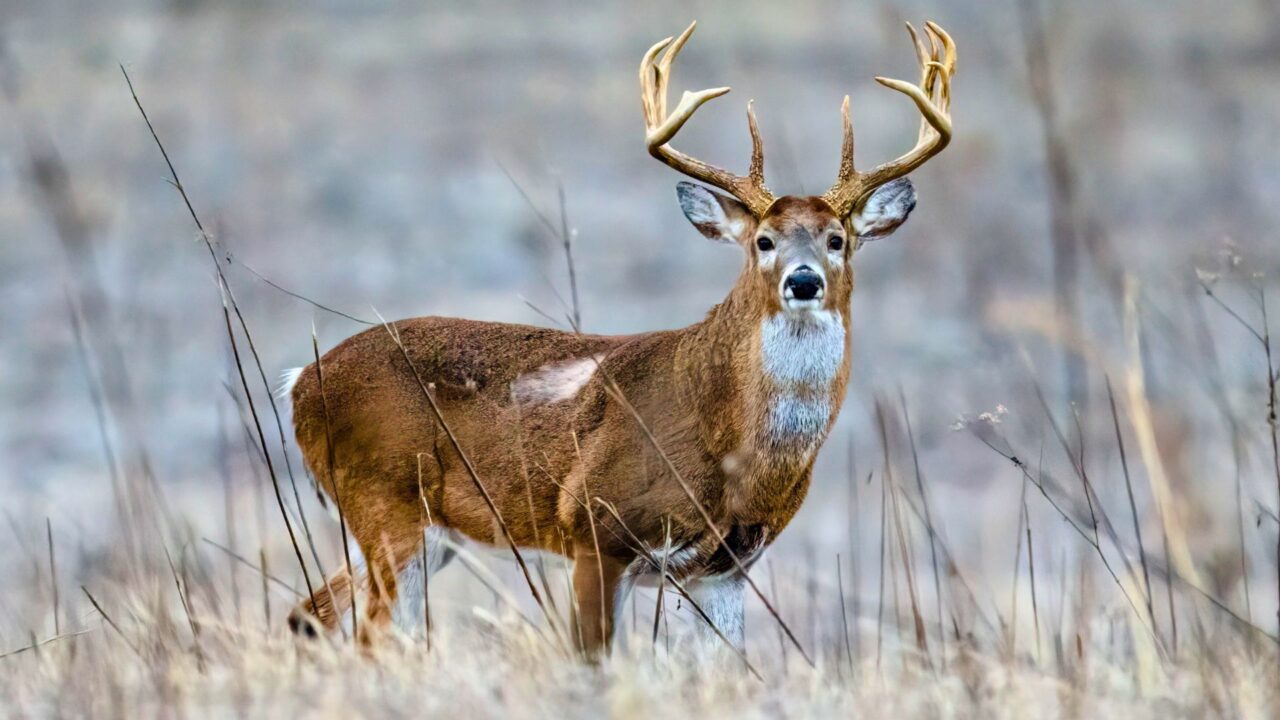
By the time you reach January, whitetails have survived months of pressure, and their behavior reflects that experience. Food is dwindling, the cover all but gone, and Mature bucks in particular are on high alert after archery, shotgun, and muzzleloader waves have pushed them into the thickest remaining security cover. Yet most states, including Massachusetts and New York, hold some form of late season opportunity because deer are still vulnerable if you adjust your approach to match their winter priorities.
Experienced late season hunters emphasize that whitetails remain susceptible to still hunting when snow and cold quiet the woods, a point underscored in Conclusions about late season deer hunting from seasoned columnists who have tracked Christmas and New Year’s patterns in New York. Those same insights translate directly to Martha’s Vineyard and Nantucket, where deer will key on remaining food sources and predictable bedding cover. If you are used to fast paced drives or aggressive rut tactics, you will need to slow down, glass more, and think in terms of energy conservation, both for you and the deer, since every step in deep snow or cold wind costs calories that winter stressed animals cannot easily replace.
Proven strategies for hunting deep winter on the islands
On Martha’s Vineyard and Nantucket, the Winter Deer Season unfolds in a landscape of coastal winds, patchy cover, and concentrated food sources that can work to your advantage if you plan carefully. Agricultural fields, ornamental plantings near residential areas, and remaining mast stands become magnets when natural browse is limited, so your scouting should focus on identifying where deer can feed efficiently without exposing themselves to long sightlines. Setting up on the downwind edge of these food sources, especially in the last hour of light, lets you intercept deer that have waited all day to move under the cover of dusk.
Columnists who have studied Tactics for New York Christmas hunts point out that late season deer often move in tighter family groups and use terrain features to stay just out of sight, a pattern you will see on the islands as well. Slow still hunting along thick edges, using wind and noise discipline, can reveal bedded deer that feel secure after the main fall rush has ended. Because the Winter Deer Season runs into mid February, you also have time to adjust based on fresh sign, shifting food availability, and changing weather, rather than trying to force everything into a single frantic week.
Safety, gear, and stand discipline in harsh conditions
Cold, wind, and short daylight hours make winter hunts inherently riskier, so your gear and safety habits need to be sharper than they were in October. New York’s wildlife agency has repeatedly stressed its Record of Safe Hunting and urges Hunters to Strap Up Before You Go Up, a reminder that tree stand falls remain one of the most common serious accidents in the deer woods. That advice applies just as strongly on Martha’s Vineyard and Nantucket, where icy steps, bulky clothing, and numb fingers can turn a routine climb into a dangerous moment if you are not clipped into a full body harness from ground to platform.
Your equipment choices should reflect both the weather and the late season mindset. Layered clothing that keeps you warm without restricting movement, waterproof boots that can handle slush and shoreline mud, and optics that cut through flat winter light will all make you more effective. If you are used to the Primitive Weapons rules in states like Mississippi, where Weapons legal for that season include archery gear and specific muzzleloaders, you already understand how regulations and gear interact. In Massachusetts, you must match your firearm or bow to the legal method for the Winter Deer Season and then build a safety routine around that choice, from careful muzzle control to keeping your finger off the trigger until you are truly ready to shoot.
How the winter season fits into broader regional hunting calendars
For many hunters, the new Massachusetts winter window is not an isolated event but part of a year round strategy that spans multiple states and species. In New York, for example, Deer and Bear Hunting Seasons stretch from early bow periods in the Northern Zone through regular firearms and late muzzleloader dates, with some seasons in the Southern Zone overlapping the holiday period and ending around New Year’s. Small game opportunities, such as squirrel hunting that Typically runs from early September through late February in some regions, keep you in the woods even after big game tags are filled, and they can serve as valuable scouting time for future deer seasons.
Other states are also adjusting their calendars, which shows how dynamic big game management has become. Nevada’s Changes for the 2024 to 2025 Season Changed season dates to Sept. 15 to Jan. 1 for Hunt Units 131, 132, 164, 161 and Opened Hunt Un options in additional units, while New York has launched new rules that refine how Wildlife Management Unit boundaries and dates line up for the 2025 to 2026 season. Against that backdrop, Massachusetts is using the Winter Deer Season in WMZ 13 and 14 as a targeted tool rather than a wholesale overhaul, but you should still think of it as one more piece in a regional puzzle where regulations, biology, and hunter opportunity are constantly being recalibrated.
Planning your hunt: practical steps before opening day
To take full advantage of the January 1 to February 14 window, you should start planning well before the calendar flips. That begins with confirming that you have a valid 2026 hunting or sporting license, the correct deer tags for WMZ 13 and 14, and a clear understanding of access rules on Martha’s Vineyard and Nantucket, where private land and local ordinances can shape where you can safely and legally hunt. Studying the state’s deer hunting regulations, including the explicit Winter Deer Season language and the Sunday prohibition, will help you avoid unforced errors that can cost you a tag or a fine.
From there, build a scouting and logistics plan that reflects the realities of island travel and winter weather. Ferry schedules, lodging, and transportation on the islands can all be affected by storms, so you should leave room in your schedule for delays and have backup hunting days in mind. Look at how New York publishes Future Big Game Hunting Seasons so that Many hunters can block out time months in advance, and apply that same discipline to your Massachusetts plans. If you map out likely food sources, bedding cover, and access routes now, you will be ready to step off the boat with a clear strategy instead of scrambling to improvise in the cold.
Like The Avid Outdoorsman’s content? Be sure to follow us.
Here’s more from us: