Photo credit: BearFotos/Shutterstock.com
Hunting seasons bring out rifles that haven’t seen daylight since last fall. And every year, without fail, certain rifles head right back to the store—or get listed online—before they’ve even taken a deer. You know the ones. They might’ve looked promising in the shop, but the moment they hit the bench or the range, their flaws show up fast.
Sometimes it’s the way they handle. Sometimes it’s accuracy—or the lack of it. And sometimes it’s a matter of trust. When you’re heading into the woods, you don’t want to question your gear. You want something that hits true, cycles clean, and feels right in your hands.
The rifles on this list tend to fail that gut check.
Not because they’re all bad rifles, but because they overpromise and underdeliver once a hunter actually shoulders them. Whether it’s a junky scope mount, a plastic stock that won’t hold zero, or feeding issues that show up at the worst time, these are the rifles folks return before they ever load the truck for opening day.
Remington 770
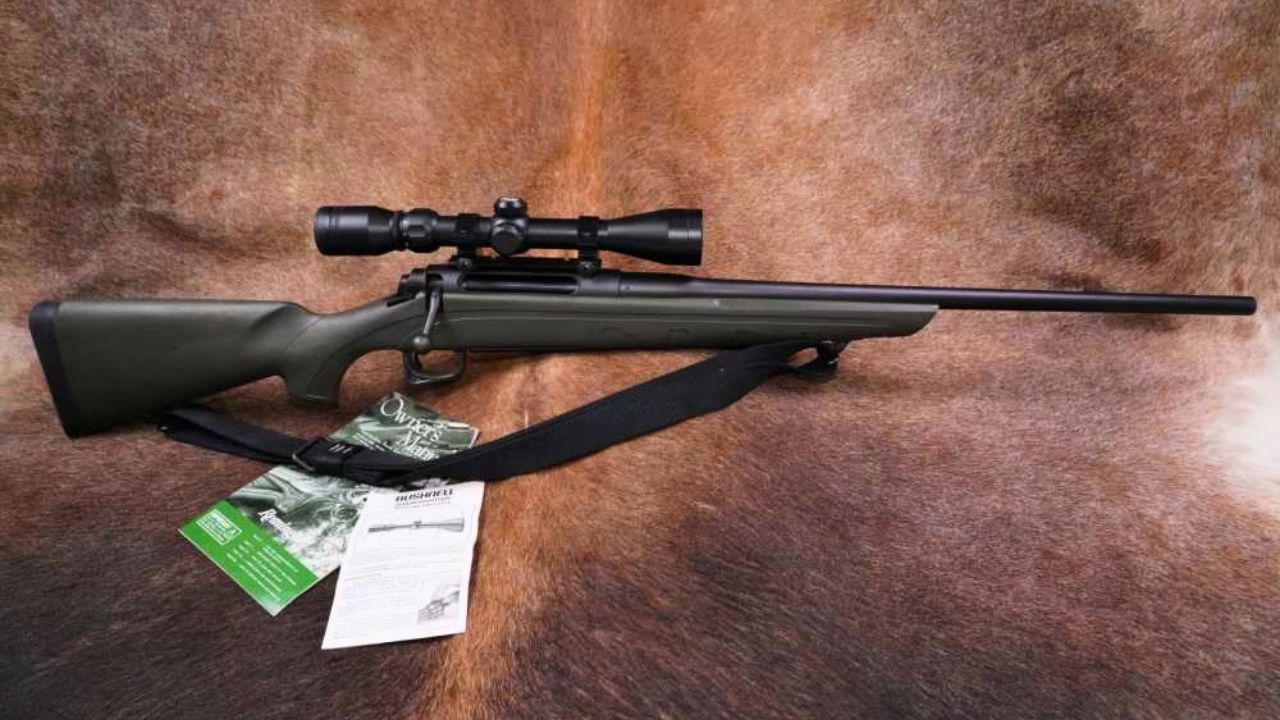
The Remington 770 is often pitched as a budget-friendly way to get into big-game hunting. On paper, it checks a lot of boxes: factory-mounted scope, magazine-fed bolt-action, and the Remington name.
But when hunters start sighting it in, that’s when the problems show.
The trigger feels spongy and inconsistent. The bolt isn’t smooth—sometimes you’ve got to muscle it open after a shot. And the scope, while technically functional, usually doesn’t hold zero for long. If you’re trying to stretch shots past 100 yards, expect frustration. The synthetic stock doesn’t help either—it’s hollow, light, and prone to flexing under pressure.
Plenty of new hunters pick one up thinking it’ll get the job done, but wind up learning the hard way that reliability costs more than a few hundred bucks. This rifle ends up back on the rack more often than it heads to the woods.
Mossberg Patriot Walnut

You want to like the Mossberg Patriot. It’s handsome with that walnut stock, and Mossberg’s known for shotguns that can take a beating. But rifles are a different game, and the Patriot doesn’t always show up ready to play.
Right out of the box, accuracy can be hit or miss. Some shoot fine, others pattern like a shotgun. The factory trigger is decent, but the stock bedding is questionable. That nice-looking wood doesn’t hide the fact that it’s built on the same action as the cheaper synthetic models.
And if you start swapping scopes or tightening base screws, you’ll probably discover soft screws and uneven mounting surfaces. Those issues add up when you’re chasing consistent groups. It’s frustrating because the Patriot’s close to being a reliable budget rifle, but too many hunters end up disappointed before ever sighting a deer.
You’ll see it returned with a few rounds through it and a look that says, “Yeah, not worth the trouble.”
Ruger American Compact .308

The Ruger American series has plenty of fans, and for good reason. But the compact .308 model doesn’t land with everyone—especially grown hunters expecting more than youth-sized handling.
It’s light, which sounds good until you shoot it. That short, thin barrel heats up fast, and recoil in a small frame gets uncomfortable after a few rounds. If you’re running full-power .308 loads, don’t expect a pleasant range day. Many buyers also notice vertical stringing as the barrel warms up, which doesn’t inspire confidence.
The synthetic stock doesn’t offer much rigidity, and the plastic magazine feels like it’s one bad bump away from cracking. For small-framed shooters or tight treestand setups, it might make sense. But too many folks buy it thinking they’re getting a full-powered, packable deer rifle—only to realize it’s not built for consistent 150-yard shots.
So it heads back, barely broken in, because recoil and accuracy weren’t part of the deal they expected.
Savage Axis II XP in .243

Savage rifles are known for their accuracy, especially at their price point. But the Axis II XP in .243 doesn’t always carry that reputation well. It comes with a factory scope and an AccuTrigger, which should be a winning combo.
But the truth is, it’s inconsistent.
The stock flexes enough to affect your groups. The scope isn’t terrible, but it’s not great either. And that matters when you’re trying to squeeze tight groups out of a light .243. You’ll also find the bolt throw a little clunky, and the magazine doesn’t always seat cleanly.
Plenty of new hunters go for this rifle thinking it’s the ideal setup for a lightweight whitetail gun. But once they see how it patterns—or doesn’t—they start second-guessing. You don’t want to spend your first few range sessions wondering if it’s you or the rifle. That’s how it winds up back in the return pile before tags are even filled out.
Thompson Center Compass
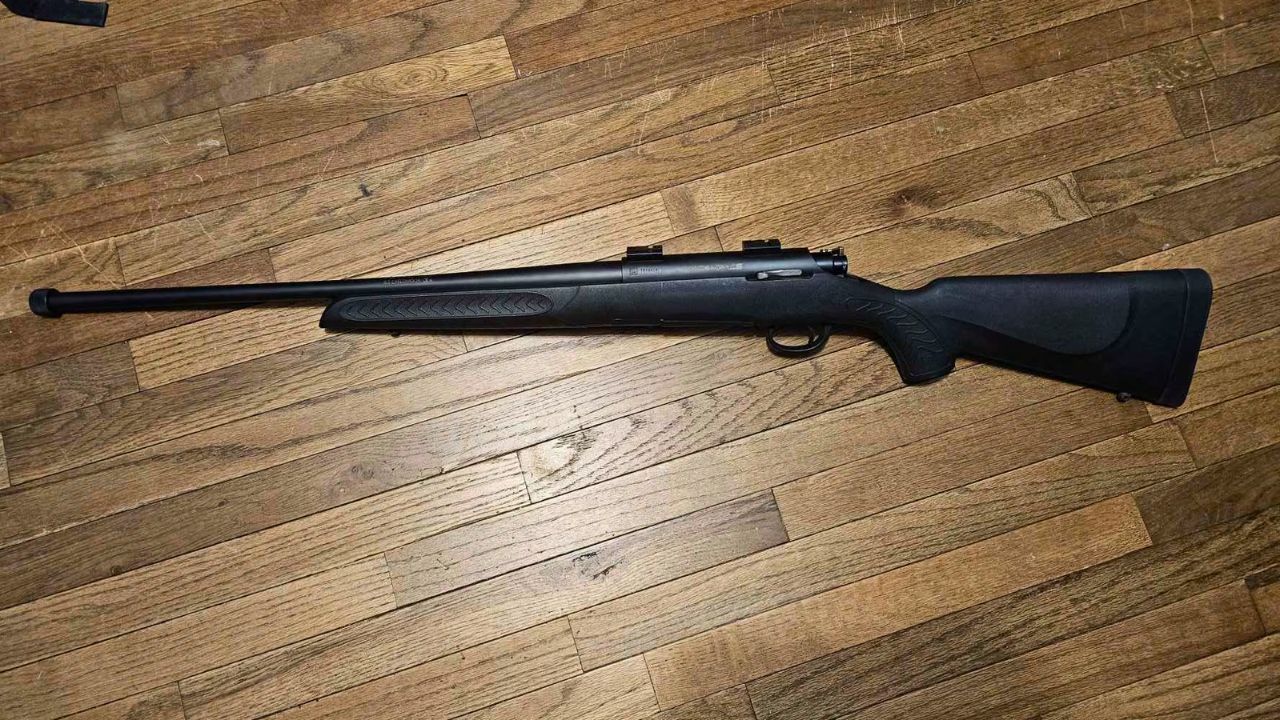
This one looked like it was going to be a serious competitor in the budget rifle world. The Thompson Center Compass has a good reputation for accuracy and features like a threaded barrel and three-lug bolt. But it’s the little things that start to wear on you.
The bolt throw is rough. The safety is stiff and noisy. The magazine release sometimes hangs up, and feeding can feel inconsistent. Then there’s the synthetic stock, which is prone to shifting under pressure—especially when mounted on a bipod or rested on a blind window.
The Compass isn’t a total failure, but when you’re setting up for a season and the rifle’s already giving you headaches at the range, it doesn’t earn a spot in the truck. Hunters need rifles that build confidence, not doubts. That’s why this one often ends up back on the store shelf after a few frustrating outings.
Winchester XPR

The XPR showed promise when it launched—Winchester’s attempt at competing in the modern budget rifle arena. But it hasn’t exactly stolen the show.
The action feels gritty, the stock is noticeably hollow, and the trigger’s inconsistent. Some rifles shoot lights-out, but others have real issues with grouping. If you’re looking for a reliable 200-yard deer rifle, you’d expect a lot more from a name like Winchester.
There’s also the issue of bulk. It’s heavier than you’d think for a polymer-stocked rifle. That might not be a problem from a box blind, but if you’re hiking in a mile, you’ll notice it. Add in a few feeding quirks and scope mounting frustrations, and you’ve got a rifle that makes hunters second-guess their purchase before the season even starts.
CVA Cascade

CVA is best known for muzzleloaders, and the Cascade was their leap into the centerfire bolt-action market. It looks sharp and promises decent features for the money. But once you start shooting it, you realize the design isn’t fully dialed in yet.
The bolt feels a little sticky, especially after a few rounds. Accuracy is okay, but not impressive. And the stock has a lot more give than most hunters are comfortable with. There’s a common complaint that the Cascade feels like a parts-bin rifle—one that was pieced together to hit a price point, not to build trust in the field.
Hunters expecting a “poor man’s Tikka” quickly learn that there’s a gap between appearance and performance. For some, the Cascade holds up fine. But for plenty of others, it doesn’t make it past the first couple range trips before getting boxed back up.
Browning AB3

The Browning AB3 tends to look good on paper, especially when priced well under the X-Bolt. But in practice, it feels like a budget rifle pretending to be something more. The molded stock is overly flexible, and the textured finish feels cheap in hand. It’s not something you’d feel confident hauling into rugged terrain, and most hunters know that before even taking it out once.
You also might notice the trigger has a fair bit of creep, and it doesn’t always break clean. That’s not something you want to fight with when a buck finally steps into your crosshairs. Scope mounting options are decent, but the feel of the bolt and the inconsistent accuracy some models produce will have you second-guessing your decision. Plenty of folks send them back after a few range sessions, realizing they’d rather spend a little more and get something that doesn’t feel like a compromise.
Remington 783

The Remington 783 was supposed to be the follow-up to the long-running success of the Model 700. Instead, it landed with a thud. The synthetic stock feels hollow and fragile, and the action isn’t what you’d call smooth. A few rounds into sighting in, and you’re already thinking about trading it in for a used 700 or something altogether different.
The bolt throw feels clunky, the factory trigger often requires tweaking, and it doesn’t inspire the kind of trust you want in a hunting rifle. Add to that the rifle’s reputation for questionable accuracy out of the box, and it’s no surprise hunters take one look before season and decide they made a mistake. When you’re chasing deer, you want a rifle you can depend on. The 783 often doesn’t feel like that rifle.
Savage Axis II XP Hardwood
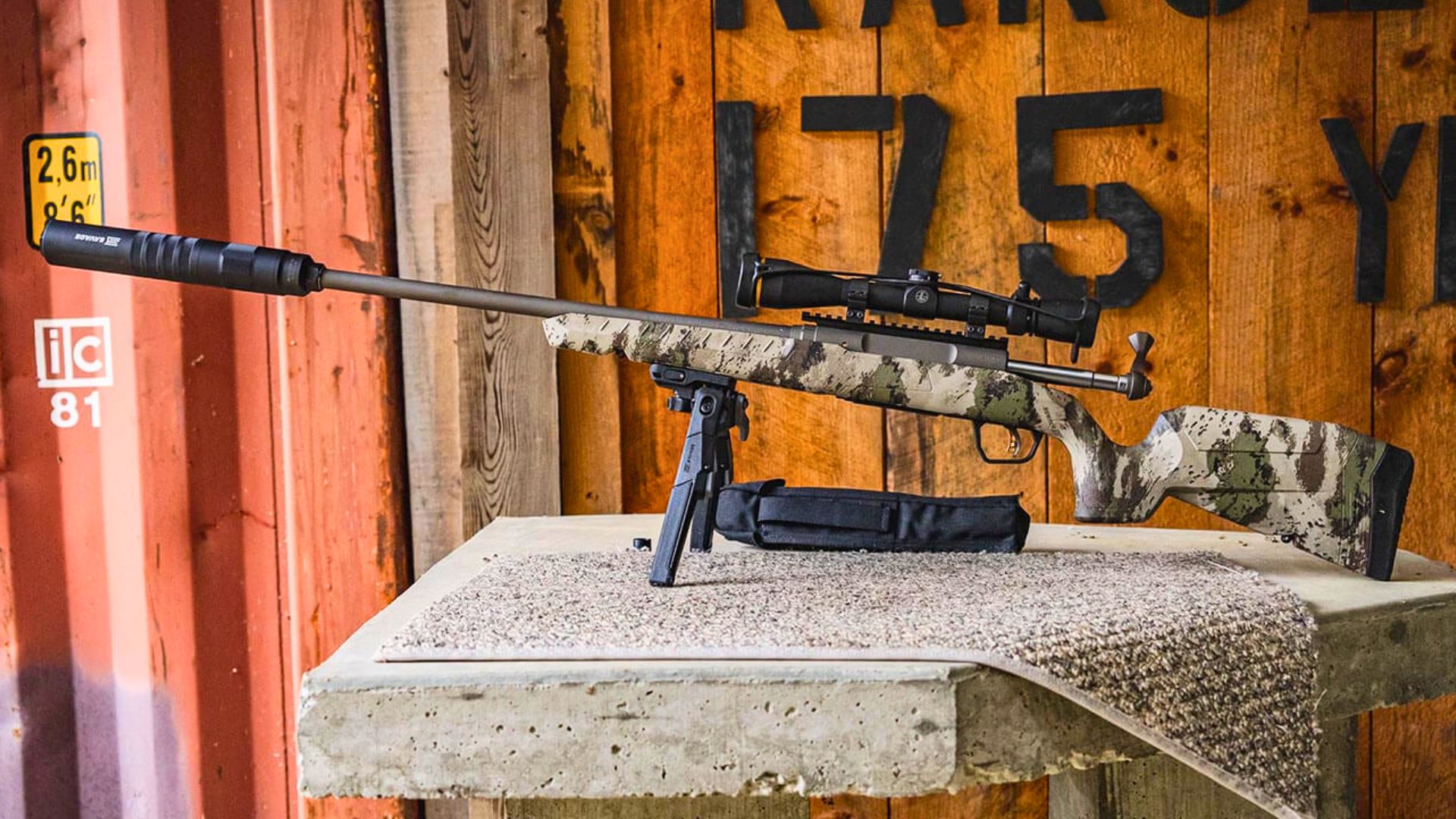
Savage wanted to offer something affordable with a “classic look,” but the Axis II XP Hardwood has been one of those rifles folks regret picking up. The wood stock might seem like an upgrade over the standard Axis, but it’s usually too heavy and poorly balanced. You’re trading maneuverability for aesthetics—and not getting much in return.
The included scope setup doesn’t do the gun any favors either. Most hunters end up ditching it, realizing it’s not up to par for anything beyond casual plinking. The trigger and action feel like they were pulled from a rifle in a different class—something rougher and less refined. You can get the Axis II to shoot decently, but the out-of-the-box feel has turned off enough early-season buyers that many send it packing before ever setting foot in the woods.
Mossberg Patriot

The Mossberg Patriot checks a lot of boxes when you first handle it. It’s lightweight, priced right, and comes chambered in popular hunting calibers. On the rack, it feels like a sensible choice. But once you spend time behind it at the range, the cracks start to show. The stock is one of the biggest offenders. It’s overly flexible, and you can feel it shift under recoil or when loading the bipod. That alone makes consistent accuracy harder than it should be.
The bolt throw often feels rough, especially when compared to other rifles in the same price range. Feeding can be hit or miss, and the detachable magazine doesn’t always inspire confidence. The trigger is usable, but it lacks the clean break most hunters want when settling in for a shot. A lot of guys buy the Patriot thinking it’ll be a dependable backup rifle, only to realize quickly that it doesn’t feel trustworthy enough for opening morning. That’s when it goes back to the shop.
Ruger American Predator (Early Models)

The Ruger American Predator has improved over the years, but early versions left a bad taste for some hunters. The lightweight design is appealing until you realize how much that flexible stock affects accuracy. Rest it wrong, or load into it too hard, and your point of impact can shift enough to matter.
The rotary magazine works, but it doesn’t always feed smoothly, especially with heavier bullets. The bolt feels serviceable, not refined, and the trigger—while adjustable—can still feel vague. A lot of hunters bought early Predators expecting a no-nonsense workhorse and ended up frustrated by the rifle’s quirks. Many didn’t wait around to see if upgrades would help. Instead, they returned it before season and moved on to something that felt more confidence-inspiring right out of the box.
Howa 1500 Synthetic Package
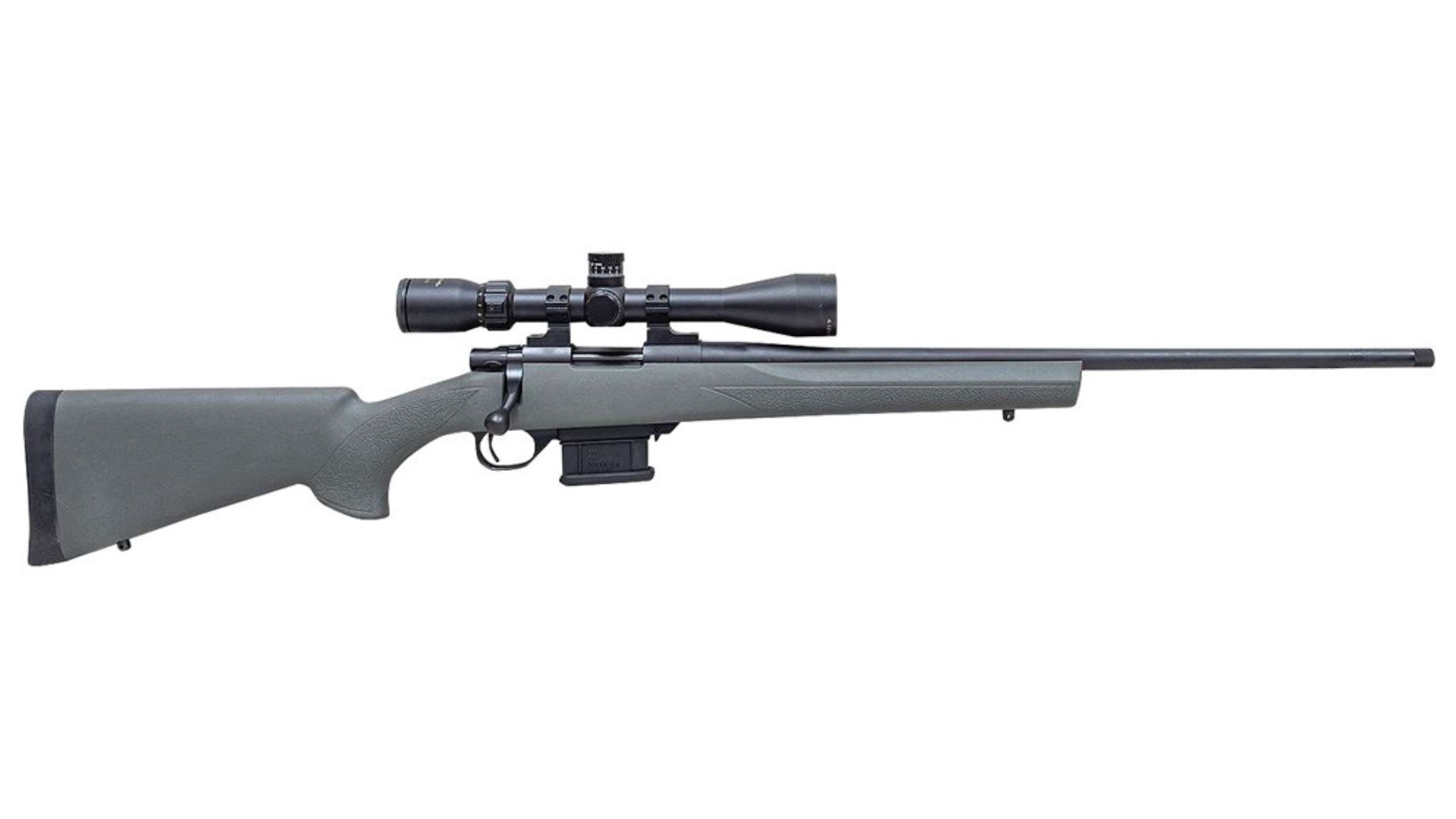
The Howa 1500 action has a solid reputation, which is why the synthetic package rifles sell well. The problem isn’t the action—it’s everything wrapped around it. The factory synthetic stock is heavy, poorly balanced, and doesn’t fit many shooters well. After mounting a scope, the rifle often feels front-heavy and awkward to shoulder.
The included scope packages don’t help either. Many hunters immediately realize the glass isn’t up to hunting standards, which adds unexpected cost. While the action itself is smooth and strong, the overall rifle feels like a project rather than a finished tool. For hunters who want something ready to go before season, that’s a deal breaker. Instead of sinking more money into upgrades, a lot of buyers return it early and look for a rifle that doesn’t need fixing before it ever sees the woods.
Like The Avid Outdoorsman’s content? Subscribe to our newsletter so you never miss an article.
Here’s more from us: