Photo credit: Redacted Gear/YouTube
Soft points kill deer just fine, but some rifles treat them like chew toys. The bullet tip gets dented, shaved, or flattened on the way into the chamber—usually because the round hits a feed ramp hard, the magazine presents the cartridge at a steep angle, or the feed lips let the round nose-dive. A little ding doesn’t always ruin a hunt, but it can hurt consistency, create feeding hiccups, and turn confidence into doubt.
AR-15 (5.56/.223) with aggressive feed ramps

ARs can be great with soft points, but they can also deform tips because the round often contacts the feed ramps on the way in—especially if you’re using certain magazines, shorter overall lengths, or soft, exposed lead tips. Under speed, the bolt strips the round hard, and that bullet nose can smack the ramp and get dented or shaved.
This shows up more when you’re running quick strings or loading from a closed bolt. The practical move is to test your exact hunting load in your exact mags. Some soft points feed like butter, others look like you took pliers to them. If the tips are getting mashed, you may need a different bullet profile or a magazine that presents rounds more consistently.
AR-10 / SR-25 pattern rifles (.308 and similar)
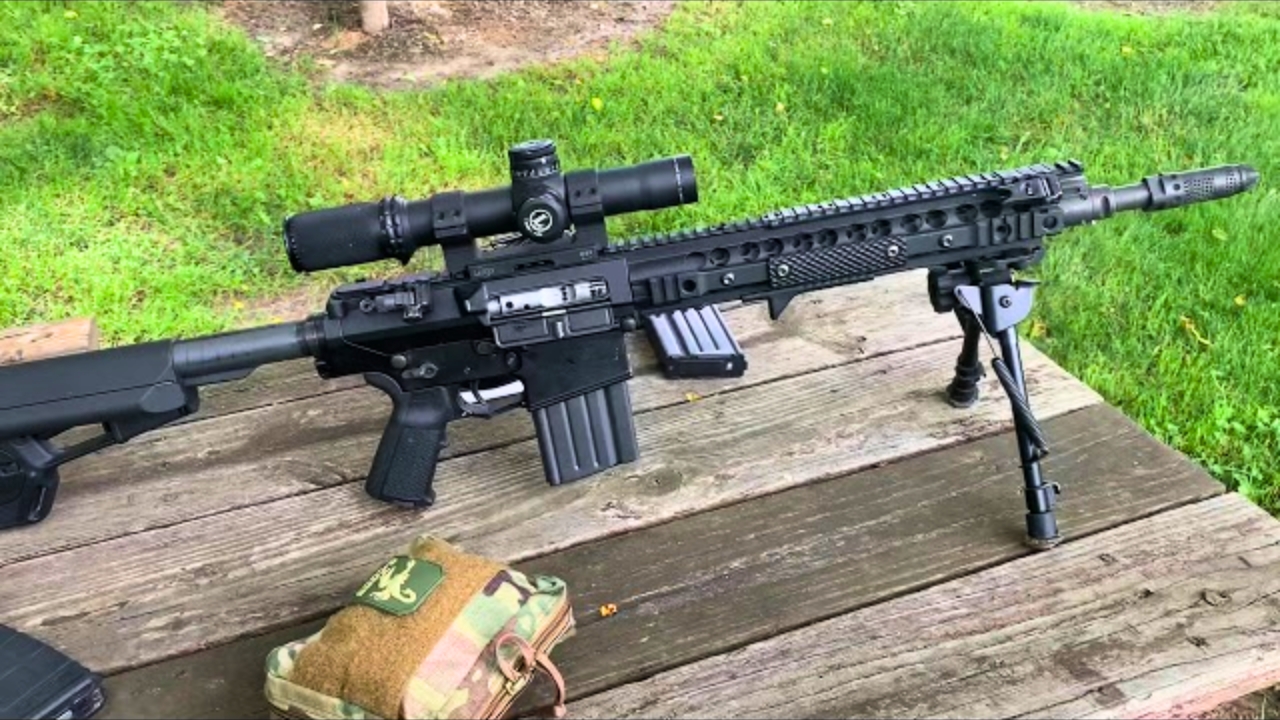
Bigger ARs can be even more noticeable with soft points because the cartridges are longer and the feeding angle can be less forgiving depending on mags and geometry. A soft lead tip can get flattened as it transitions from magazine to chamber. Sometimes it still feeds; sometimes you get a stutter that you don’t see with FMJ or polymer tips.
In a hunting rifle, that matters because you might only need one shot—but you need it to chamber without drama. The solution is the same boring answer: prove your load. Try multiple mags. Try a few different soft point designs. If your rifle is denting tips consistently, a tougher nose profile or polymer tip can eliminate the problem without you having to “fix” the rifle.
Ruger Mini-14 (.223/5.56)

Mini-14s can be picky about ammo shape, and soft points can take a beating depending on the magazine and how the rifle feeds. The round can nose-dive or catch on the feed path, and the soft lead tip ends up getting flattened. Some Minis run soft points fine. Others make them ugly fast, especially with certain mags.
This is why Mini owners get serious about magazine choice. If you’re seeing tip deformation, don’t ignore it as “cosmetic.” It’s a clue that feeding presentation isn’t ideal. Test with proven magazines and a few bullet profiles. In some rifles, a slightly different soft point design feeds cleaner even at the same weight.
M1 Garand (.30-06)

The Garand is a classic, but it was built around a specific feeding system and certain ammo profiles. Soft points can deform because the cartridge gets stripped and driven forward with authority. The bullet nose can hit surfaces during feeding, and a soft tip shows every bit of that contact. Some loads feed fine; others come out looking bruised.
With a Garand, the bigger issue is always: use ammo appropriate for the rifle and make sure you’re not creating unnecessary wear. But strictly on the “soft points get dinged” topic, don’t assume your favorite modern hunting soft point will feed perfectly just because it shoots well in a bolt gun. Run it through the rifle and inspect rounds after cycling.
M1A / M14 pattern rifles (.308)
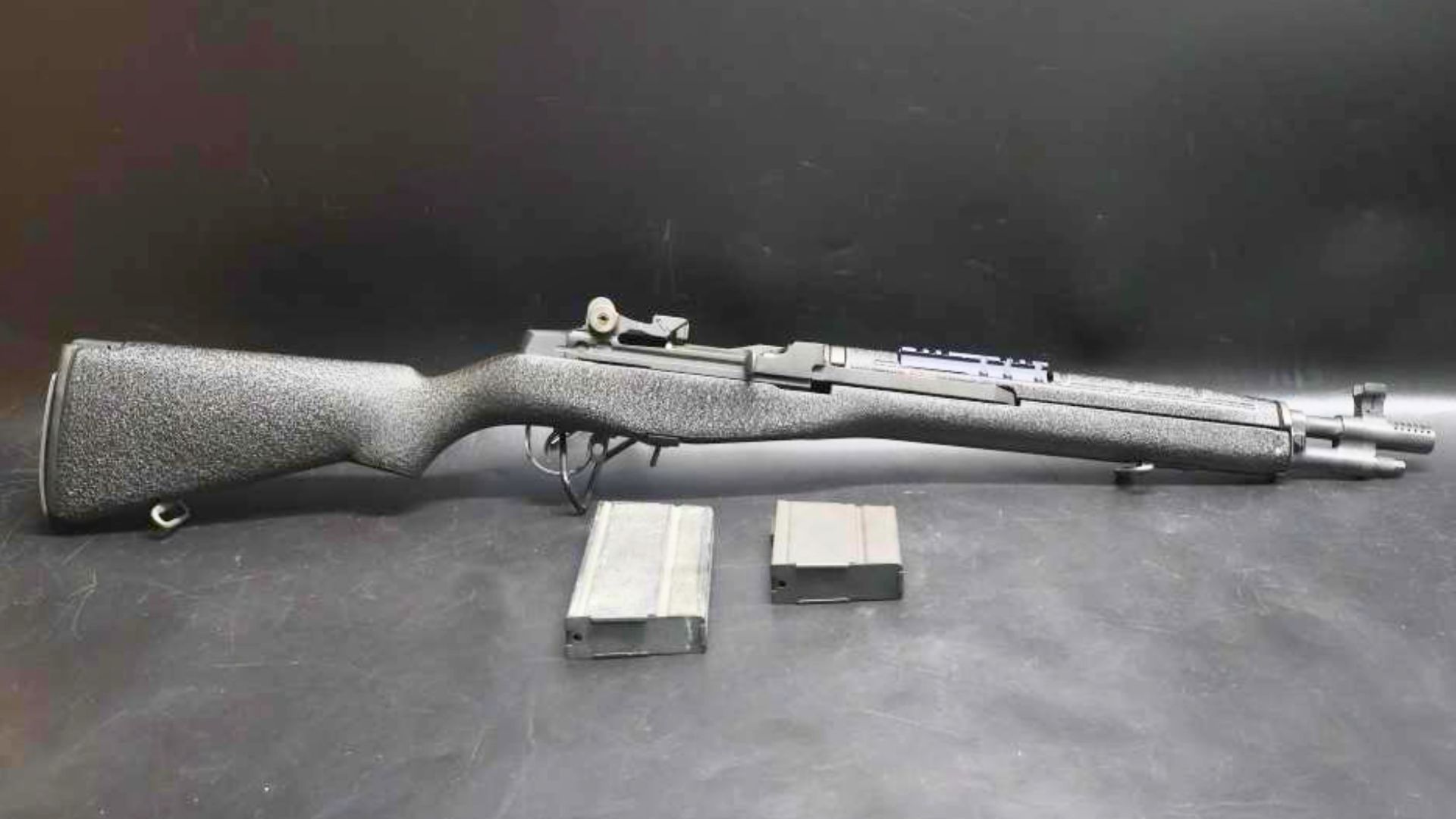
M1A feeding can be hard on soft points because the cartridge makes a noticeable transition from mag to chamber, and the bullet nose can contact feed surfaces. If the magazine presents the round slightly low, you’ll see mashed tips faster. It’s often magazine-related, but the rifle’s feed geometry also plays a role.
The way to handle it is to treat magazines like the heart of reliability. If one mag deforms tips and another doesn’t, you’ve got your answer. Also, some soft point designs simply have softer exposed lead than others. In rifles like the M1A, bullet profile matters. If you want fewer headaches, pick a load known to feed well in semi-autos.
AK-pattern rifles in 7.62×39 with traditional soft points

AKs in 7.62×39 can run soft points, but they can also dent tips because the cartridges are moving fast and the presentation angle can vary across mags. The nose can contact the feed ramp area and get flattened. Some shooters don’t care because the gun still runs. Others notice it when they’re trying to keep hunting ammo looking consistent.
Again, magazine quality matters. AKs are famous for “it runs,” but hunting loads and consistent feeding are a higher standard than blasting. If your soft points are getting mashed, test different mags and different soft point profiles. Some 7.62×39 soft points have tougher noses and resist deformation better during that rougher semi-auto feed cycle.
SKS

SKSs can be a mixed bag with soft points. Some feed them fine. Others deform tips or even hang up depending on the specific rifle and ammo. The fixed magazine and the feed path can create a situation where the bullet nose catches or gets driven into surfaces during chambering. Soft points show that immediately.
If you’re using an SKS for hunting, you want boring function more than anything. Don’t assume because FMJ runs, soft points will run the same. Cycle rounds, inspect tips, and confirm it chambers cleanly when the rifle is cold and dirty. If it’s chewing up bullet noses, a different bullet shape or a tougher tip often solves it faster than trying to “make” the rifle like it.
Browning BAR

The BAR is a serious hunting rifle, but semi-auto hunting rifles still move rounds with force. Soft points can get dinged during feeding, especially if the magazine presentation is slightly off or the load has a very soft exposed lead tip. A BAR that’s perfectly happy with one soft point may visibly mash another.
This is why I tell people: don’t just shoot groups. Cycle and inspect. If the rifle is denting tips badly, it can affect consistency downrange and it can indicate marginal feeding. The BAR is usually dependable, but it still benefits from ammo testing the way any semi-auto does. Pick the load it likes and stay consistent.
Remington 742 / 7400 (.30-06, .308)
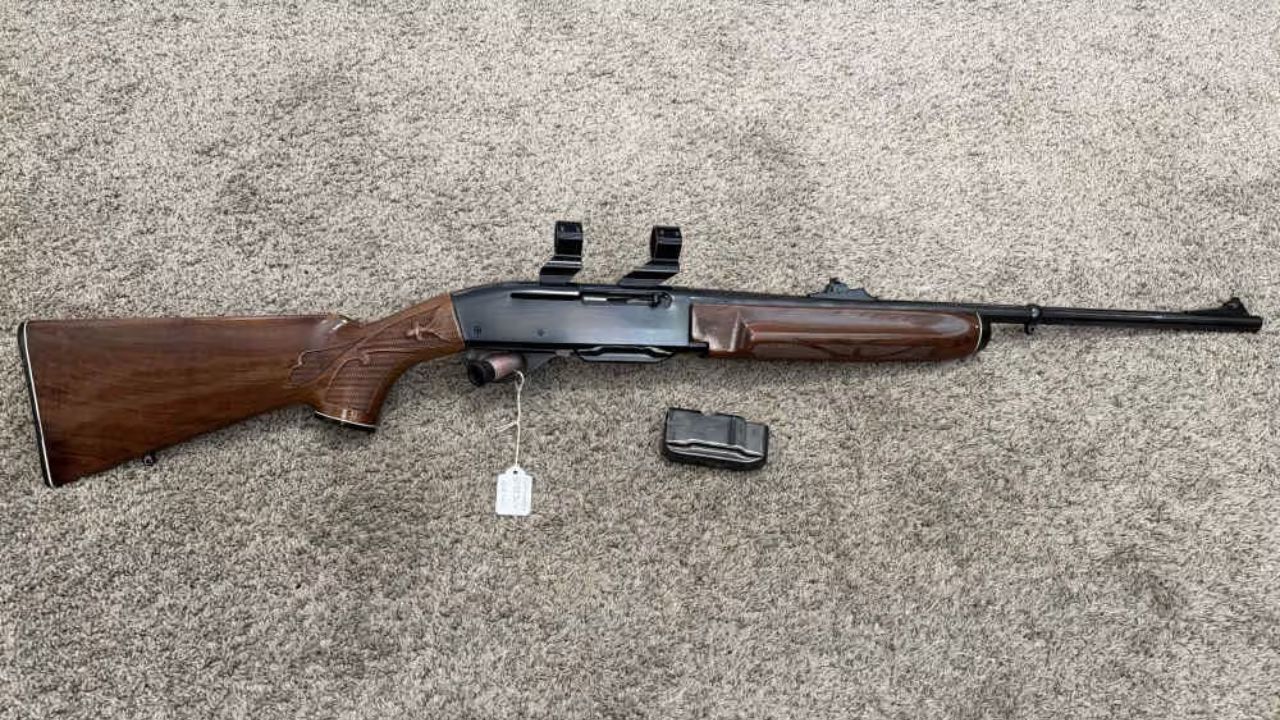
Older Remington semi-auto deer rifles can be rough on soft points because tolerances, wear, and feed geometry vary a lot depending on age and condition. If the rifle is a little worn or the mags are tired, rounds can nose-dive or hit feed surfaces harder. Soft tips get flattened and sometimes shaved.
If you run one of these rifles, inspect your magazines and don’t treat them as immortal. Also don’t assume a modern soft point will behave the same as the ammo the rifle has “always eaten.” If it’s chewing up tips, it might still shoot fine—but it might also be warning you about feeding reliability. For hunting, reliability wins over nostalgia every time.
Benelli R1 (semi-auto .30-06/.308)
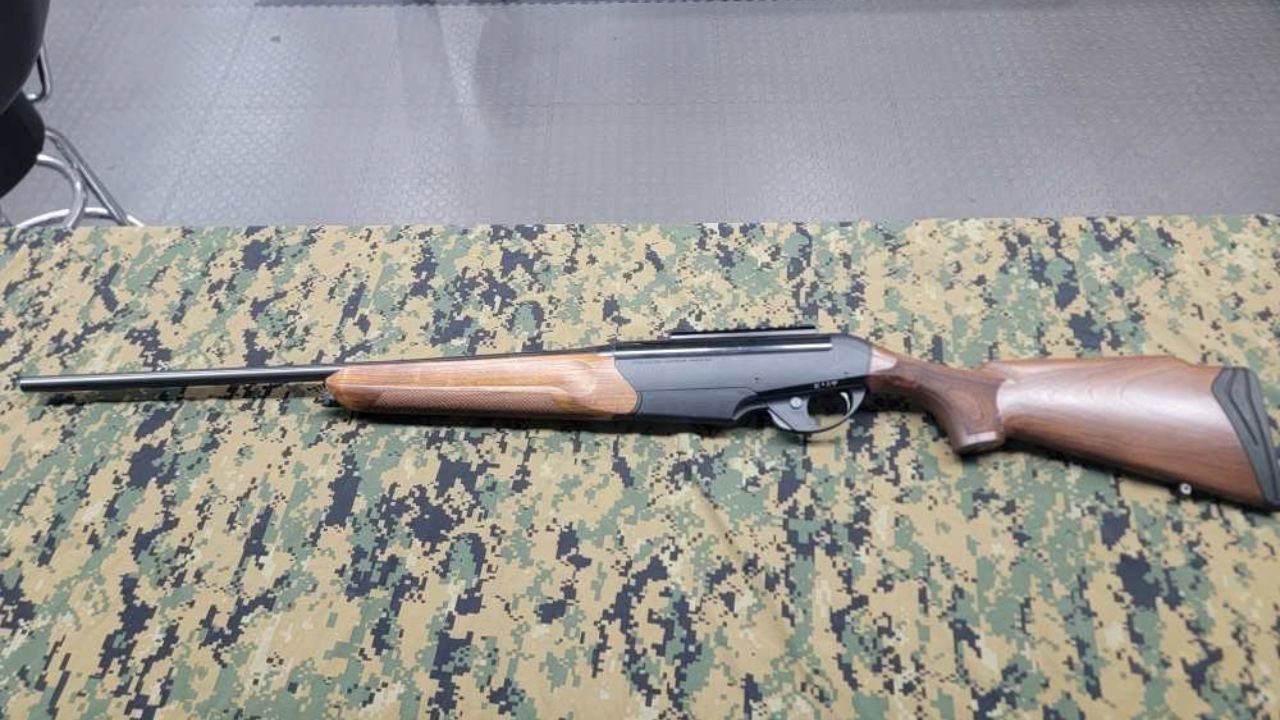
The Benelli R1 is a solid semi-auto hunting rifle, but like any semi-auto, it can deform soft points depending on the load and magazine presentation. The bolt strips rounds with authority, and if the bullet nose meets resistance, a soft lead tip will show it. Some hunters never notice because they load and shoot. Others notice when they chamber and unload repeatedly and see the tips getting uglier each time.
The practical lesson is simple: minimize repeated chambering of the same round, and choose a bullet design that feeds cleanly. If your rifle is denting tips on the first chambering, change ammo. If it only dents after multiple cycles, that’s still worth noting. Hunting setups need to stay dependable when the moment comes.
Pump-action rifles (Remington 760/7600) with certain soft points

Pump rifles like the 760/7600 can be hard on soft points because the feeding speed and angle depend on how you run the pump. A slow, hesitant pump can cause the round to nose-dive or catch. A hard, fast pump can slam the round into feed surfaces. Either way, soft tips can get dented in ways you don’t always see with tougher bullet noses.
This isn’t a knock on pump rifles—they can be great hunting tools. It’s a reminder that ammo profile matters and technique matters. If you run soft points, run the action decisively and confirm the rifle feeds your chosen load smoothly. If tips are getting mashed, a different bullet profile often makes the rifle feel “smoother” immediately.
Lever actions with tubular magazines (Marlin 336 / Winchester 94)

This one catches people off guard: in tubular magazines, pointed soft points can get damaged just from being stacked under spring tension and recoil. The classic answer is to use flat-nose or round-nose bullets designed for tube mags. When people ignore that and try to run certain soft points, the bullet nose can get deformed and you can create consistency and safety concerns depending on bullet shape.
Even with appropriate bullets, lever guns can still mark up soft noses during feeding because the round makes a sharp transition. The solution is not complicated: feed the gun what it was built to feed. If you want modern performance, there are purpose-built options for lever guns that avoid the soft-tip deformation issue while staying safe in tube magazines.
Browning BLR

The BLR avoids the tube-mag bullet-shape issue because it uses a box magazine, but it can still deform soft points during feeding depending on magazine and cartridge presentation. The BLR cycles quickly, and if the bullet nose contacts feed surfaces, a soft tip gets dented. Some BLRs are completely fine. Others are noticeably rougher on exposed lead.
The right approach is the same: test your hunting load in your magazines. If one mag dents tips and another doesn’t, don’t argue with the evidence. Also, some soft points have harder exposed lead or a more protected nose profile. A small change in load often fixes what looks like a rifle problem.
Ruger Gunsite Scout
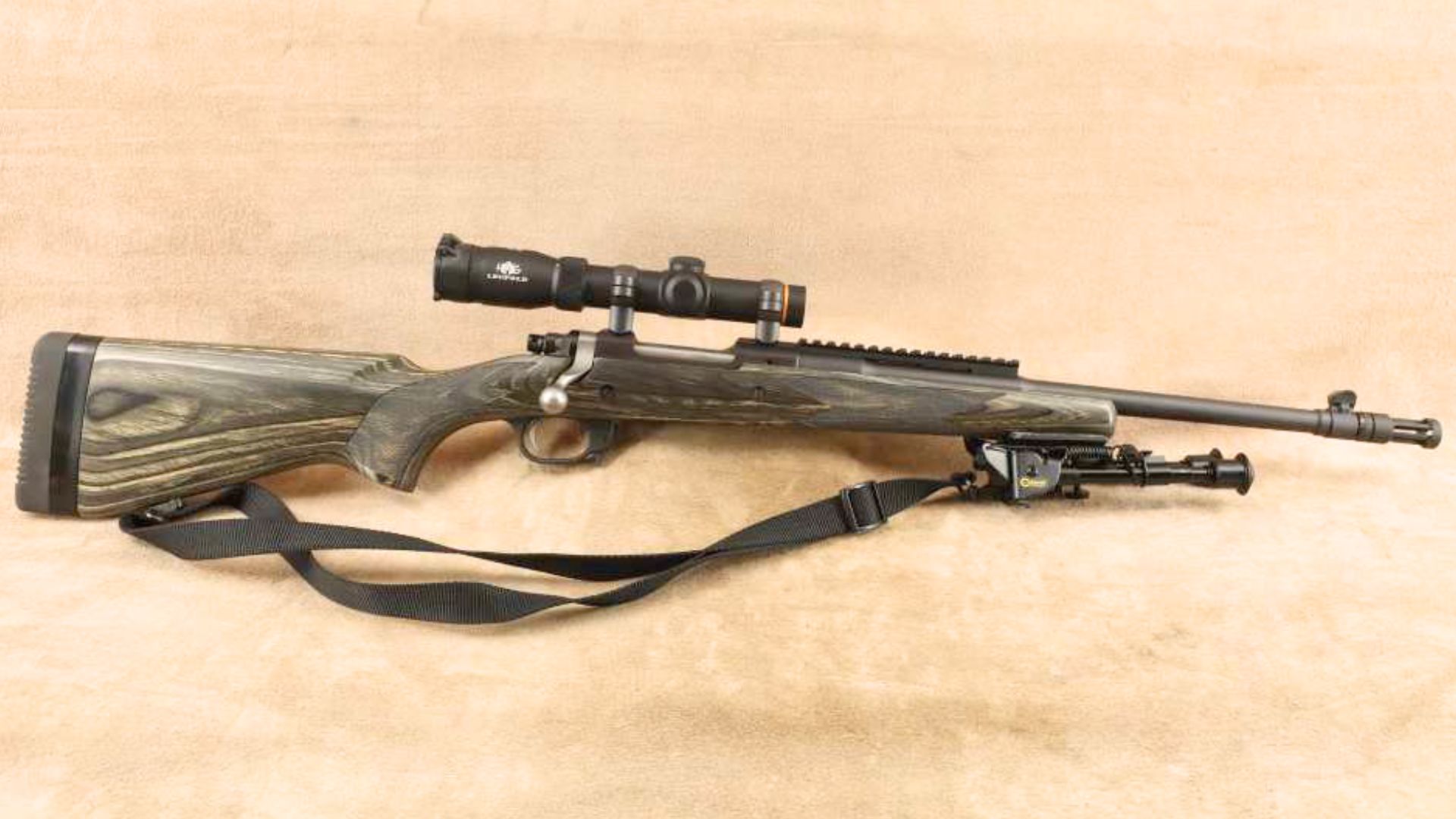
AICS-pattern mags are popular, but they can vary in how they present cartridges, especially with certain bullet shapes and overall lengths. In some Scout rifle setups, soft points can get dinged because the round strips forward and the nose contacts the feed ramp area at an angle that isn’t gentle. The bullet still chambers, but the tip looks beat up afterward.
If you’re using a Scout as a hunting rifle, you want the ammo/mag combo that feeds cleanly every time. Try multiple mags. Try multiple soft point designs. If your soft points are consistently getting mashed, it’s often easier to choose a tougher nose profile than to chase hardware. A hunting rifle should chamber cleanly when you’re cold, tired, and in a hurry.
Budget bolt guns with rough feed geometry (Savage Axis / Ruger American in some setups)

Most people think soft point deformation is a semi-auto problem. It can happen in bolt guns too—especially budget rifles where the feed path is a little rough or the magazine presentation is inconsistent. If the cartridge nose dives or hits the feed ramp sharply, a soft lead tip can get flattened. It’s often worse when you run the bolt slowly or at an odd angle from field positions.
The fix is usually practical, not fancy: run the bolt decisively and test your load. If one brand of soft point gets dented and another doesn’t, pick the one that feeds clean. For hunting, you don’t need the “best on paper” bullet—you need the bullet that chambers perfectly every time and still shoots where you’ve zeroed.
Tikka T3x (with certain polymer mags and soft point profiles)

Tikkas are usually smooth feeders, but I’ve still seen soft points get marked up in certain combinations—often tied to specific magazine geometry and bullet shape. If the cartridge presents a little low, the bullet nose can contact the feed ramp area more than expected. Most of the time it’s minor. Sometimes it’s enough to make you notice a dented or flattened tip after chambering.
The solution is the boring hunter solution: test your exact load and don’t ignore what you see. If your chosen soft point is getting dented, try a different soft point design with a slightly tougher nose or different profile. The rifle isn’t “bad.” You’re just matching ammo to the way that specific magazine and feed path presents rounds.
Like The Avid Outdoorsman’s content? Be sure to follow us.
Here’s more from us: