
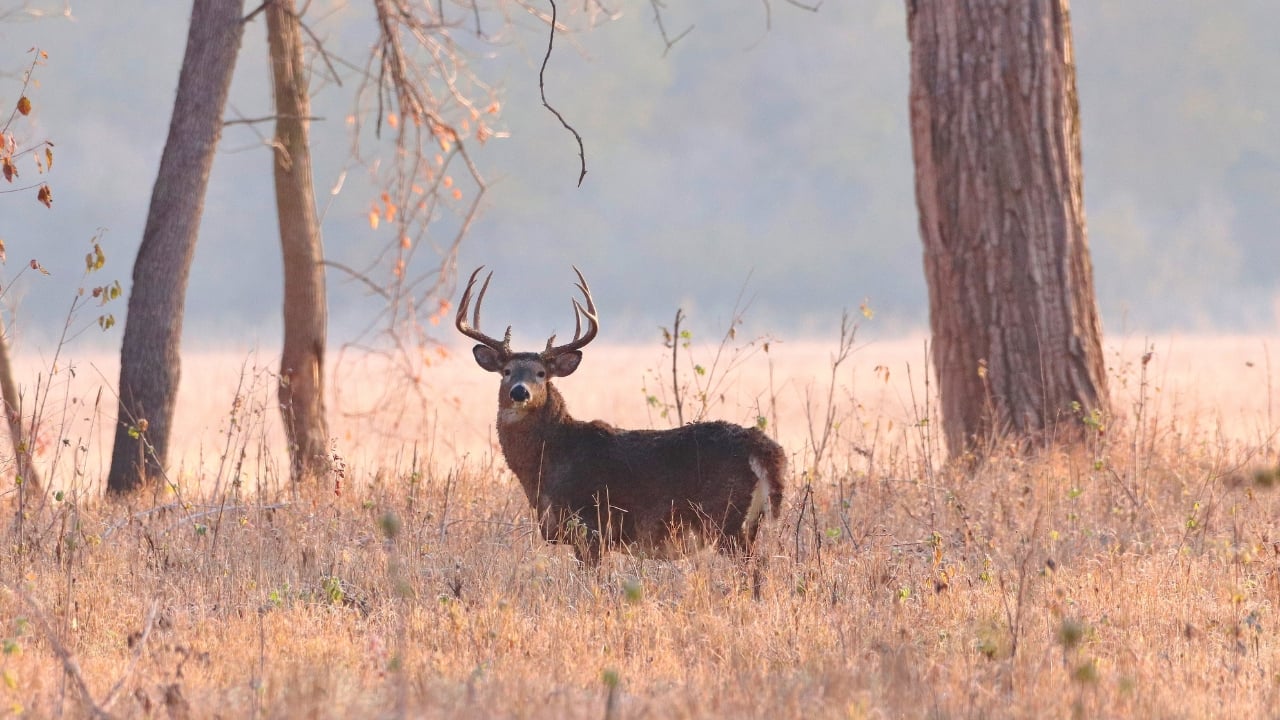
Photo credit: BobSMatzen/Shutterstock.com
Missed shots are easy to blame on nerves or equipment, but most blown opportunities on mature whitetails start long before you touch the trigger. The habit that quietly sabotages more sits than bad shooting is casual, almost lazy wind discipline, the assumption that “close enough” on wind direction is good enough. When you treat wind as a suggestion instead of the central factor that shapes where deer bed, travel, and feed, you give mature bucks the warning they need long before you ever see them.
The real habit that ruins your sits
The most damaging wind mistake is not hunting the “wrong” direction, it is treating wind as a box to check once and then forgetting about it. You glance at a forecast, see a general direction that seems workable, and head in without a plan for how your scent will move as the air shifts, speeds up, or dies. That habit of one-and-done wind checking lets your scent pool in low spots, drift into bedding cover, or wash across a trail you never realized was there, and by the time you notice, the deer you came for has already slipped away.
Experienced whitetail hunters treat wind as a living thing that changes by the hour, not a static arrow on a weather app. They study how wind influences where bucks will bed, how they approach food, and how they use cover to monitor danger, then they build their sits around those patterns instead of forcing a stand to work on any breeze. When you stop assuming and start mapping how air actually flows through your ground, you begin to see why mature bucks so often circle downwind, check a field edge before bedding, and favor certain ridges or points when the wind hits them just right, patterns that are laid out in detail in advanced wind strategies for mature bucks.
Why “good enough” wind is never good enough
You ruin more hunts by sitting on a marginal wind than by staying home on a bad one. A “good enough” breeze that brushes your scent toward a bedding area or trail might not blow the whole woods out, but it educates the very deer you are trying to kill. Mature bucks live by their noses, and when they catch even a faint trace of human odor in a place that should be clean, they adjust, often shifting their daylight movement just far enough or late enough that you never see them again in shooting light.
Wind does not just decide whether a deer smells you, it shapes where that deer chooses to live. Bucks often bed where they can use the wind to monitor danger, such as on the downwind side of thick cover or along a ridge where they can smell what they cannot see, and they will check the wind before they commit to a bedding site or a food source. When you hunt a stand on a wind that is almost right, your scent can drift into those security zones, tipping off deer that something is wrong and teaching them to avoid that pattern, a behavior that detailed wind mapping for bedding and feeding helps explain.
How deer actually move in the wind
Many hunters still cling to the idea that deer lock down when the wind picks up, but movement data tells a different story. When you look at GPS studies and long term observation, you see that both bucks and does often move more when there is at least some wind, using the steady air to carry scent and cover their own noise. Light to moderate wind can actually make deer feel safer, because they can rely on their noses and ears without every twig snap standing out in dead calm woods.
What really hurts deer movement is not wind itself but extreme or erratic conditions that make it hard for them to interpret danger. Gusty, swirling air that constantly shifts direction can cause deer to hang up in cover or travel shorter distances, while a consistent breeze encourages them to travel predictable routes where they can keep the wind in their favor. When you understand that a little wind is good and that deer often move more, not less, in those conditions, you stop canceling hunts for breezes that actually help you and start planning sits that take advantage of how whitetails respond to Jul wind patterns.
The blind spot: ignoring thermals
Even hunters who obsess over the forecast often ignore the vertical side of air movement, the daily rise and fall of thermals. In hill country, river bottoms, and even gentle farm country, temperature shifts cause air to flow like water, dropping down slopes as the ground cools and rising as it warms. If you only think about the compass direction of the wind and not how thermals will pull your scent up or down, you can be technically “upwind” of a deer and still have your odor slide right into its nose.
Thermals rise and fall with temperature change, which means your scent can behave very differently at first light, midday, and last shooting light even if the forecasted wind direction never changes. In the evening, for example, cooling air often sinks into low spots and draws scent downhill, a pattern that can either betray you or help you if you set up with that flow in mind. When you learn to anticipate how those rising and falling currents will interact with the prevailing breeze, you can use evening thermals to fool whitetails that are otherwise impossible to approach, a tactic that becomes clear when you study how Thermals and What they do to scent.
The “just off” wind that big bucks crave
Once you stop treating wind as a simple “good” or “bad” binary, you can start using a “just off” wind to your advantage. Mature bucks love to travel with the air almost, but not quite, in their favor, slipping along edges where they can scent check a field, bedding area, or doe group without walking directly into the wind. If you set up so that the breeze is slightly off their nose, you can position yourself in the narrow band where the deer feels safe and you remain undetected, a calculated risk that often produces your best daylight encounters.
The danger is that a just off wind leaves very little room for error, especially in broken terrain or around cover that creates swirling eddies. If your scent stream hangs and spins in a pocket or boils around your tree, you are effectively sitting in the same air the buck is using to stay alive, and he will pick you off before he ever steps into view. To make this tactic work, you need to avoid common mistakes like sitting in the eddy of a swirling wind, overhunting marginal conditions, or choosing entry and exit routes that drag your scent through the core of the movement you are targeting, pitfalls that are spelled out in detail in guidance on Common Mistakes to Avoid With Just Off Wind Sitting.
Entry, exit, and the invisible scent trail
Most hunters think about wind only in terms of what happens once they are in the stand, but you start winning or losing the scent game the moment you leave the truck. Every step you take lays down an invisible trail of odor that deer can cross hours later, and if that trail cuts across bedding cover, primary trails, or staging areas, you can educate deer you never even see. A buck that hits your ground scent on his way back to bed may simply shift his route or timing, and you will sit through dead hunts wondering where he went.
To avoid that, you need to plan entry and exit routes that keep your body and your scent cone out of the heart of the movement you are hunting, even if that means a longer walk or a tougher approach. Think about how the wind and thermals will carry your odor as you move, not just when you are settled, and use terrain features, creeks, and low impact edges to slip in and out without broadcasting your presence. When you treat your access like a critical part of the setup instead of an afterthought, you stop burning out stands before they ever really start, a lesson that is reinforced in detailed breakdowns of how wind and travel routes can quietly blow your cover.
Reading real wind, not just the forecast
Weather apps are useful, but they only tell you what the wind is doing at a broad scale, not how it behaves in your specific timber, draws, and fields. On the ground, trees, ridges, and even standing corn can bend and twist the breeze into something very different from the clean arrow on your screen. If you rely solely on the forecast, you will sit in spots where the predicted northwest wind actually swirls from three directions, and you will never understand why deer keep busting you from angles that should be safe.
The fix is to become a student of your own properties, using simple tools like milkweed fluff or light powder to track how air really moves around your stands. By dropping milkweed at different heights and times of day, you can see where your scent stream flows, where it hangs, and where it gets sucked into low spots or pushed over ridges, then adjust your setups accordingly. When you combine that real world mapping with a solid grasp of how wind and thermals interact, you can choose optimum wind directions that keep your scent off the main travel routes instead of unknowingly blowing your scent into the very cover you are trying to hunt.
Building a wind-first game plan
To break the habit that ruins so many sits, you need to flip your planning process so wind comes first and everything else follows. Instead of asking where you want to hunt and then checking if the wind is acceptable, start by looking at the day’s wind and thermal patterns and then choosing which stands or ground setups fit those conditions. Over time, you can design your properties with multiple options for each prevailing wind, from morning bedding setups to evening food sources, so you always have a high odds choice instead of forcing a marginal sit.
That wind-first mindset also means tracking how deer respond to different conditions and logging what you see, so you can refine your approach season after season. When you notice that certain bucks favor specific ridges on a west wind, or that a particular funnel only works when thermals are rising, you can build a playbook that turns abstract wind theory into repeatable strategy. Hunters who commit to that level of discipline, studying how wind influences bedding, feeding, and movement and then tailoring their sits to those patterns, consistently see more mature deer and fewer empty evenings, a payoff that becomes obvious when you apply the kind of detailed wind analysis used to target Jun buck behavior.
Like The Avid Outdoorsman’s content? Be sure to follow us.
Here’s more from us:


