Photo credit: Nebraska78/GunBroker
Some calibers stick around because hunters rely on them year after year. Others survive for a completely different reason: collectors like the history, the looks, or simply the novelty. These cartridges rarely see the field anymore, and most shooters won’t encounter them unless they browse old reloading manuals or dig through the back corner of a gun show table.
They sound interesting on paper, but their value today is mostly sentimental. If you ever talk to a collector long enough, you’ll hear praise for cartridges that haven’t ridden in a serious hunting rifle for decades.
.33 Winchester
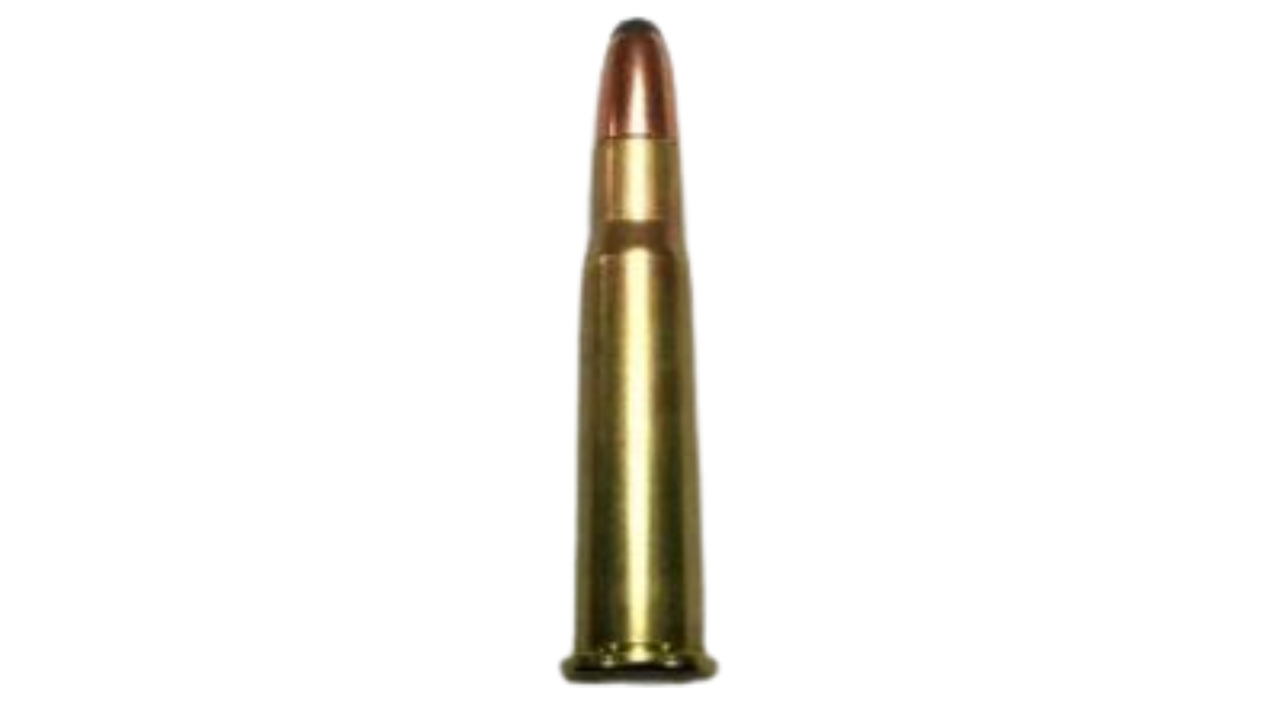
The .33 Winchester hangs on mostly because collectors appreciate oddball lever-gun history. It was meant to beef up the Model 1886 for bigger game, but factory loads vanished long ago. Modern bullets don’t match its original diameter, and loading components are nearly impossible to find unless you enjoy searching through estate sales.
As a practical hunting cartridge, it’s been surpassed in every direction. You could make it work with enough patience, but you won’t gain anything that modern rounds don’t already do better. Still, collectors enjoy talking about it, even if it rarely leaves the safe.
.30 Remington
The .30 Remington once tried to compete with the .30-30 but never truly caught on. Today its fans are mostly collectors who appreciate the early Remington autoloaders and pumps chambered for it. Ammunition is scarce and expensive, and brass availability is inconsistent at best.
Performance-wise, it doesn’t offer anything you can’t get from more common rounds. It shoots fine, but no hunter is running to the woods with one unless they’re trying to relive a specific era. Collectors keep the name alive, but field use has basically dried up.
.35 Winchester
The .35 Winchester is another 1886-era cartridge kept alive almost exclusively by collectors. It carried impressive energy for its time, but modern bullets and powders have left it far behind. If you want to shoot one today, you’re dealing with extremely scarce brass and rifles that shouldn’t be pushed hard.
It’s admired by people who value old lever guns more than practical performance. The cartridge still gets talked up at gun shows, but you won’t see anyone taking it out for serious hunting anymore.
.22 Savage Hi-Power
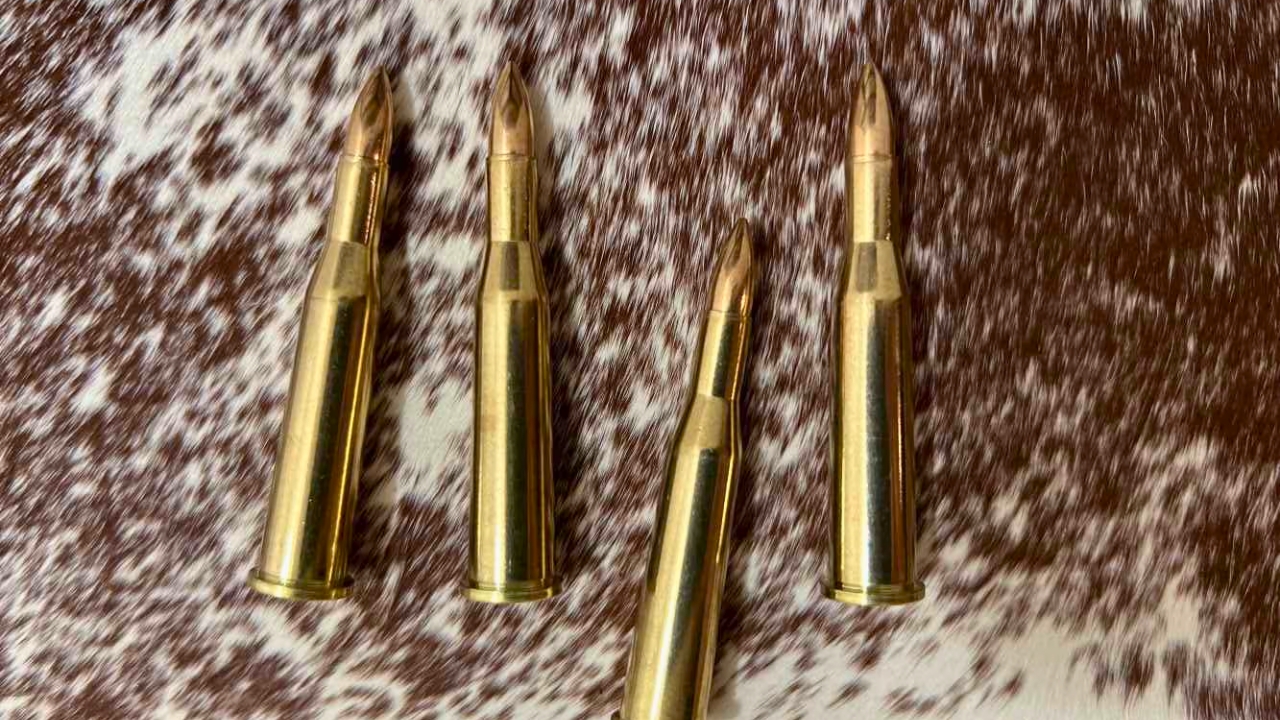
The .22 Savage Hi-Power drew attention a century ago, but today it only appeals to folks who enjoy owning rifles chambered for something different. It lacks the bullet selection and performance consistency modern small-caliber hunters expect. Most loads were designed around outdated bullet shapes that don’t hold up well on game.
Collectors still love finding clean Savage 99s in this chambering. But as a working cartridge, it makes little sense now. It’s kept alive more by nostalgia than real-world results.
.401 Winchester Self-Loading
Winchester introduced the .401 WSL for early autoloading rifles, and collectors still admire the mechanical history behind it. But ammunition scarcity is a major obstacle, and modern hunters have little reason to bother with a cartridge that’s hard to feed and even harder to reload correctly.
Its ballistics are completely overshadowed by modern mid-bore choices. As a piece of history, it’s fascinating. As a hunting round, it stays in the past where it belongs.
.244 H&H Magnum
The .244 H&H Magnum is an example of a cartridge admired mostly because of the H&H name. It offers extreme velocity but with ridiculous powder consumption and significant barrel wear. Most shooters today admire it as a collector’s curiosity rather than something they’d actually run in the field.
It never saw wide adoption, and rifles chambered for it are rare. Collectors chase it for the novelty, but it has no meaningful role in modern hunting or long-range shooting.
.250-3000 Savage
The .250-3000 Savage still has loyal fans, but most of the praise comes from collectors and historians who appreciate its “first to break 3,000 fps” heritage. Modern bullet weights have changed how it performs, and newer cartridges easily overshadow its original claim to fame.
Hunters using it today usually do so because they inherited a rifle or love the history. As a practical choice, it’s been surpassed many times over. Its reputation stays alive because collectors continue telling the story.
.356 TSW
The .356 TSW was created for competition shooting, but it never caught on and now lives in the realm of collectors who enjoy owning obscure handguns. Ammunition is nearly impossible to find unless you stumble on a forgotten box from the 1990s.
Its performance isn’t bad, but accessibility kills it. Unless you reload—and enjoy chasing rare brass—it serves no real purpose outside of collecting. Still, enthusiasts enjoy discussing how ahead of its time it “could have been.”
.351 Winchester Self-Loading
Like the .401, the .351 WSL is admired mostly by collectors of early Winchester autoloaders. Its blunt-nose bullet, low ballistic efficiency, and scarce ammunition make it nearly irrelevant in modern shooting.
Collectors enjoy the rifles and the era they represent, not the cartridge’s performance. It still shows up in conversations among vintage firearm enthusiasts, but it isn’t going anywhere near a hunt anytime soon.
.300 Savage (modern perspective)

The .300 Savage is still shootable, but it occupies an awkward space between nostalgia and practicality. Collectors admire the old Savage 99s chambered for it, but modern .308 loads outclass it. Its once-impressive velocity was overshadowed quickly as powders improved.
It remains popular among people who appreciate older rifles, but fewer hunters choose it for new builds or long seasons in the field. Appreciation today comes more from history than performance.
.225 Winchester
Winchester introduced the .225 to replace the .220 Swift, but it never found a strong foothold. Collectors admire it because the rifles are uncommon and the cartridge represents a short chapter in varmint-hunting history. Very few shooters bother with it today unless they enjoy collecting unusual bolt guns.
Ballistically, it can hang with similar cartridges, but ammunition scarcity makes it impractical. Most praise comes from people who enjoy owning something different, not from active field use.
.32 Winchester Special
The .32 Winchester Special is still talked about fondly among collectors of old lever guns, especially those who like the idea of loading black powder in a big-bore case. But in modern use, it offers nothing that the .30-30 doesn’t already do better with far more available ammunition.
It stays relevant because collectors appreciate its niche history. For everyday hunters, it’s simply outdated and overshadowed.
.280 Ross
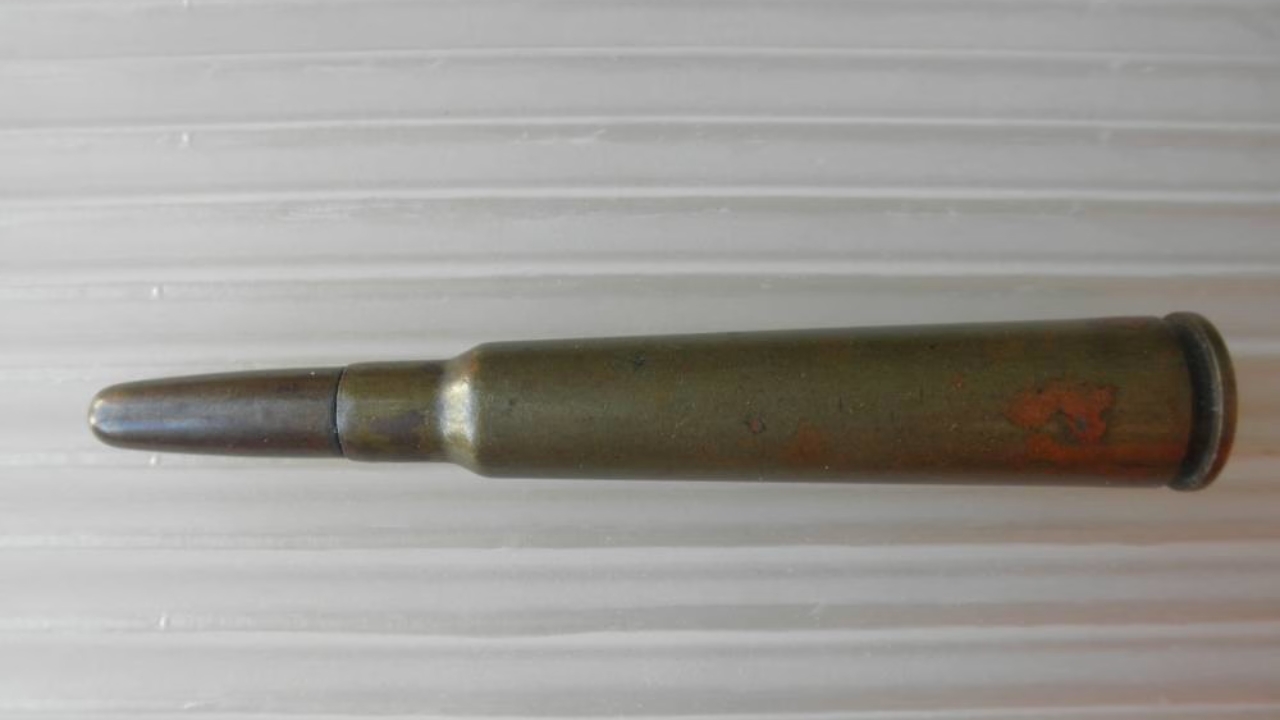
The .280 Ross was known for tremendous velocity, but it came with high pressures and finicky early rifles. Collectors admire the engineering, but real-world use faded quickly as people realized the cartridge demanded more than most rifles—and shooters—could give.
Barrels eroded fast, ammunition is long discontinued, and modern shooters avoid the headaches. It’s a fascinating cartridge to study, not one to take to the field.
.348 Winchester
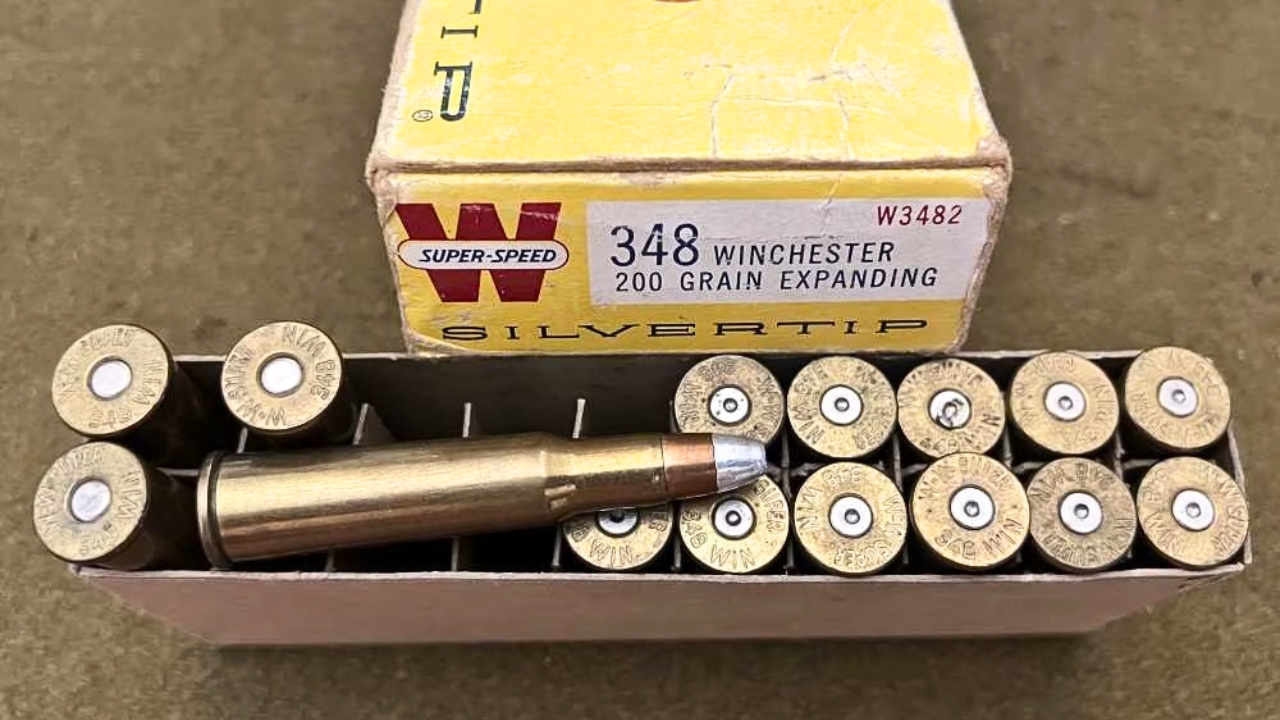
The .348 Winchester remains beloved mostly by collectors who treasure the Model 71 lever gun. It delivered excellent power in its day, but ammunition options are limited, and reloading takes commitment. Most hunters choose more practical cartridges with broader bullet selection.
Its fan base persists because the rifles are beautiful and historically significant. But as a working round, it doesn’t fit the needs of modern shooters.
.250 Savage Ackley Improved
Even the Ackley Improved version of the .250 Savage has a following, but it exists mostly among collectors and handloaders who admire unique chamberings. While it offers solid performance, modern cartridges like the 6mm Creedmoor overshadow it entirely.
Most shooters who praise it do so from a collector’s perspective, not from field experience. It’s a cartridge people enjoy owning, not one they rely on for modern hunting seasons.
Like The Avid Outdoorsman’s content? Subscribe to our newsletter so you never miss an article.
Here’s more from us: