Photo credit: travel4fishing/Shutterstock.com
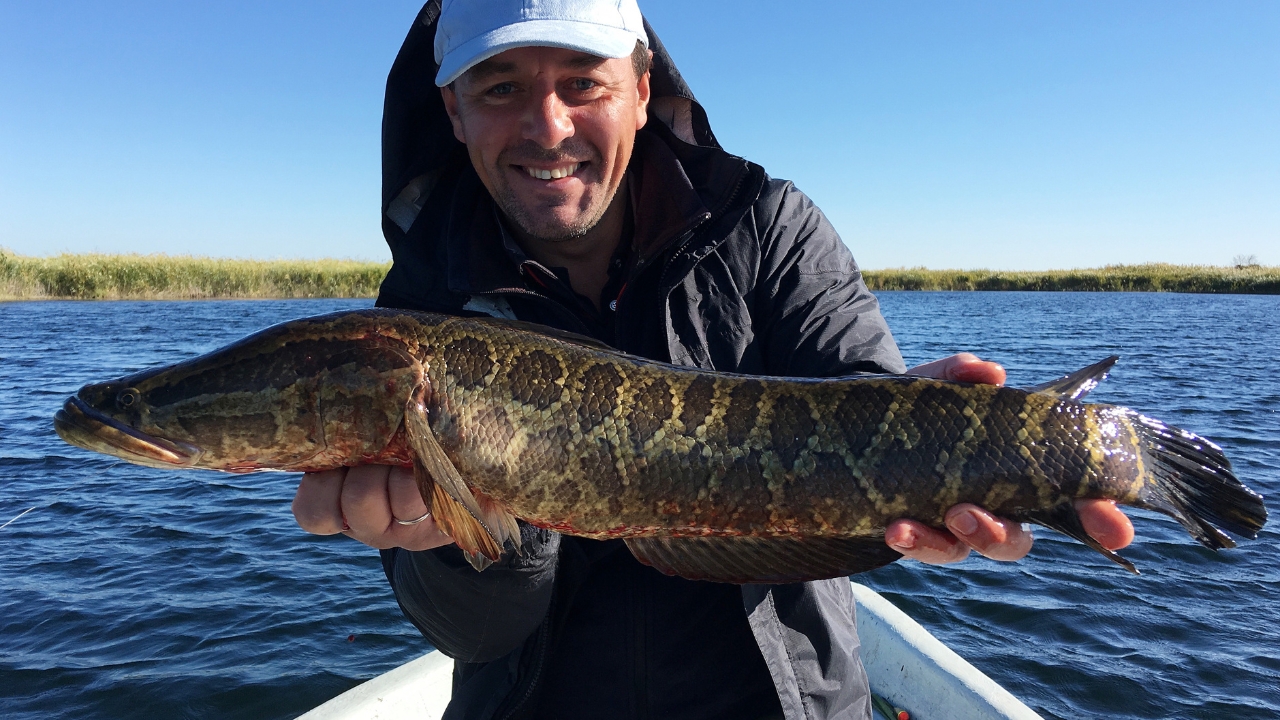
A fisherman on Reddit said he was out on the water when the day turned into a mix of a good catch, busted gear, and a long argument about what anglers are supposed to do when they catch an invasive fish. He posted a photo of a snakehead and said the fish snapped the tip off his rod while he was fighting it. That alone was enough to get fishermen talking, because snakeheads are strong, nasty fighters, and they have a way of turning a regular cast into a mess fast. But the real debate started when the thread shifted toward fish and game wardens, reporting rules, and what actually happens when someone catches one.
Snakeheads have a reputation that follows them everywhere. They are not a normal “nice catch, throw it back” kind of fish in a lot of places. They are invasive in many waters, they can hit hard, and they have been blamed for putting pressure on native fish populations. That means anglers do not always treat them like bass, catfish, crappie, or pike. Depending on the state and water body, a fisherman may be expected to kill the fish, report it, photograph it, or follow a specific set of rules before leaving the spot.
That is where this kind of catch gets complicated. To some anglers, the answer feels simple: if it is invasive, kill it and move on. To others, the rules are not always that clean. Some states have changed their guidance over time. Some areas now have established snakehead populations, while others still treat a single catch like something biologists need to know about right away. A guy fishing one river may be following the law by dispatching the fish, while someone in another state could be expected to call it in. Same fish, different rules, and that is how fishermen end up arguing in the comments.
The broken rod tip added another layer to the story because it said plenty about the fish itself. Snakeheads are not delicate. They can slam a lure, bury themselves in cover, twist hard, and fight like they know exactly where every log, weed mat, and shoreline snag is located. A rod tip breaking during the fight is not hard to believe. Anybody who fishes around heavy vegetation knows that sometimes the fish is only half the battle. The other half is keeping your line out of junk while the fish tries to bulldog its way into the worst possible place.
The Redditor’s post pulled in the usual mix of reactions. Some users focused on the gear damage and the fight. Others jumped straight to invasive-species talk. A few wanted to know what the local game laws said. That is usually how these threads go. One fisherman sees a hard-fighting catch. Another sees a threat to the fishery. Somebody else sees a regulation problem. And then the whole thing turns into a lesson about why anglers need to know more than what bait worked that day.
Game wardens came up because invasive fish rules often land in their lap. If a fisherman catches something like a snakehead and does not know what to do, calling the local wildlife agency or checking the current regulation book is smarter than guessing based on what strangers online say. A lot of anglers mean well, but comments sections can get loud and wrong at the same time. One person may be repeating old rules. Another may be talking about a different state. Another may be telling people to do something that sounds tough but is not actually legal where they are fishing.
That matters because wardens usually do not care that a guy “saw it on Reddit” if the rulebook says something else. If a state requires a fish to be killed and not transported alive, that is the rule. If a state wants photos, location details, and a report, that is the rule. If a certain water body has its own guidance, that is the rule too. Snakeheads are a perfect example of why local regulations matter more than general fishing talk.
The bigger story here is how one fish can turn a simple outing into a whole pile of questions. The fisherman caught a tough fish, lost a rod tip, and ended up in a thread full of opinions about invasive species, reporting, enforcement, and responsibility. That is not a bad thing. Outdoorsmen should argue through this stuff because healthy fisheries do not take care of themselves. But the final answer should always come from the state agency managing the water, not from whichever commenter sounds the most confident.
For anyone fishing waters where snakeheads, carp, gobies, or other problem species are present, it is worth checking the rules before the first cast. Know what has to be killed, what has to be reported, what cannot be moved, and what can legally go in a cooler. That little bit of homework can save a lot of trouble later. It also keeps a good fishing day from turning into a warden conversation you were not ready to have.