Photo credit: Tommy38/Shutterstock.com
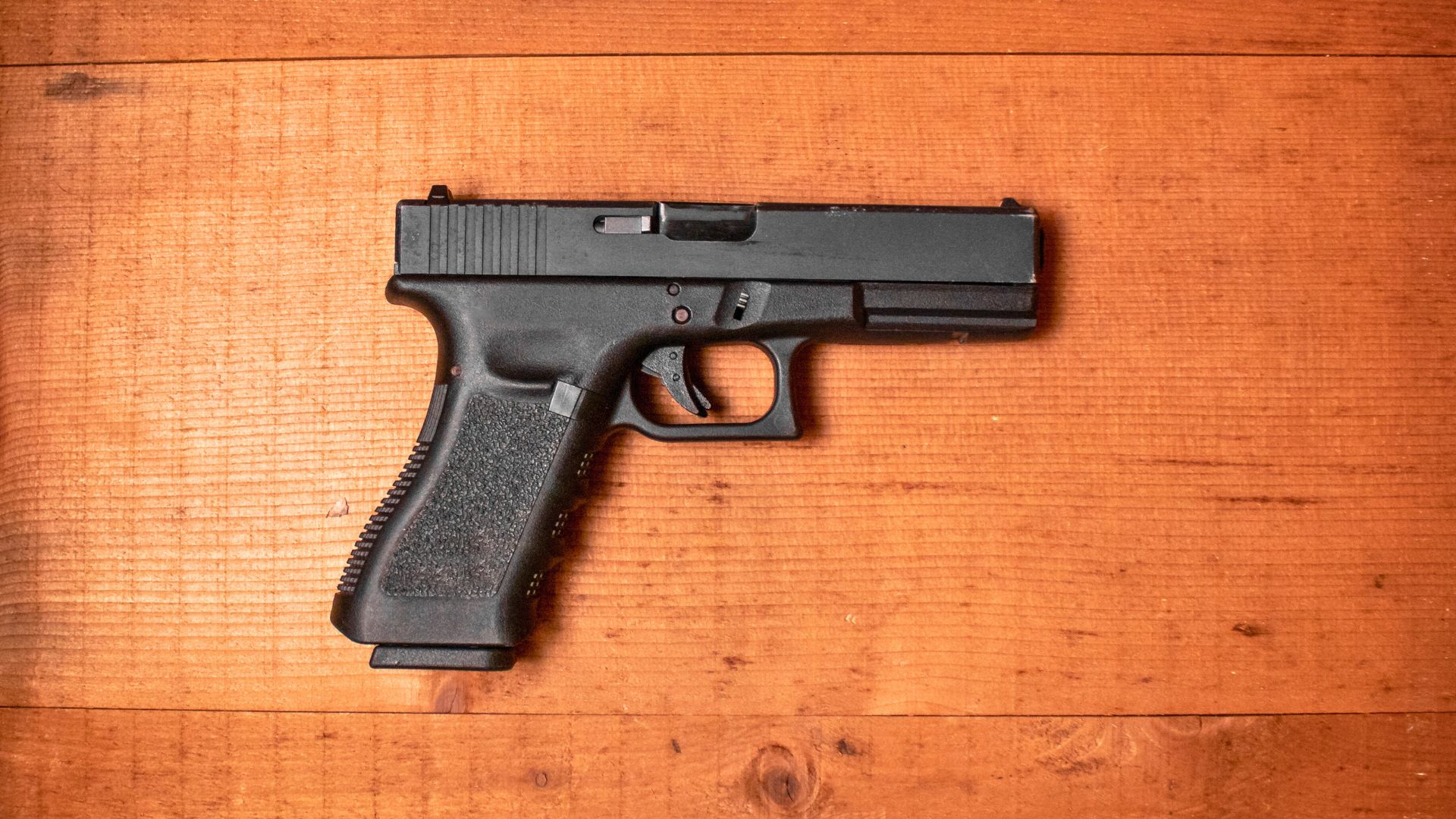
The Glock 17 is one of those pistols that almost suffers from being too familiar. Everybody knows what it looks like. Everybody has an opinion about polymer frames, striker-fired triggers, and “Glock perfection.” But once you get past the surface, the G17 has a deeper story than most people realize. It was not just another service pistol that happened to catch on. It came out of a military requirement, beat established competitors, helped normalize polymer-framed duty guns, and kept evolving long after people thought the formula was already set. Glock says the pistol was born in the early 1980s to meet Austrian military needs, and American Rifleman notes that the early G17 introduced a then-radical mix of polymer construction, striker-fired operation, and high capacity.
That is why the Glock 17 is worth revisiting even if you think you already know it. Some of the most interesting parts of its story are the little details people skip over: where the “17” really comes from, how quickly it spread, what the early guns looked like, and how much of modern pistol design culture it helped push forward. Here are 15 facts about the Glock 17 that most shooters either never learned or have not thought about in years.
1. The “17” does not mean 17 rounds

A lot of people assume the Glock 17 got its name because it held 17 rounds. That guess sounds so tidy that it has spread forever, but Glock’s own history says otherwise. The company says the G17 was named because it was Gaston Glock’s seventeenth patent.
The magazine capacity helped the name stick in people’s minds, but that was not the origin. It is one of those gun-facts that sounds too neat to question, which is exactly why so many shooters repeat it. The real answer is more boring, but also more interesting once you know how many myths the pistol picked up later.
2. It was designed for the Austrian military, not the American police market

Today the Glock 17 feels almost inseparable from U.S. law enforcement and American civilian handgun culture, but that was not where it started. Glock says the pistol was developed in response to the needs of the Austrian military, and it was accepted by the Austrian Army in 1983.
That matters because it helps explain the whole design philosophy. The G17 was built as a serious service sidearm from the beginning, not as a range toy or a commercial carry gun that later got pressed into duty. Simplicity, durability, capacity, and ease of training were part of the point from day one.
3. The original military designation was P80
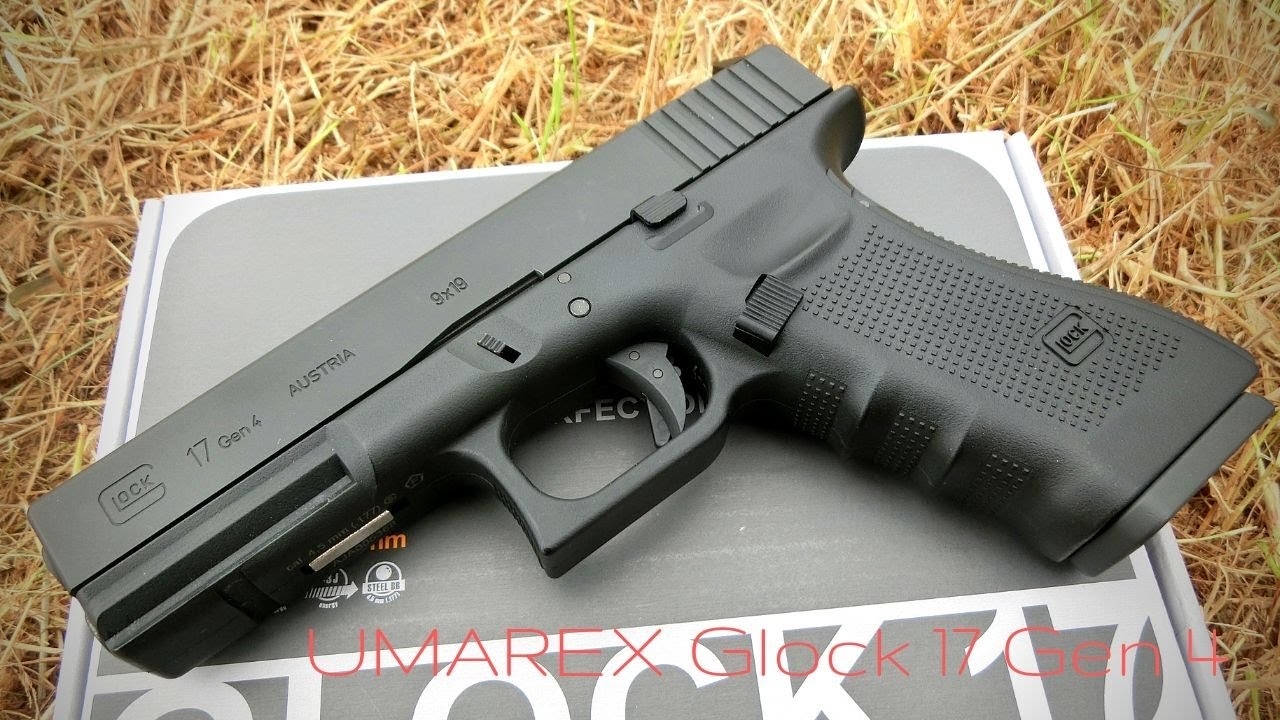
A lot of Glock fans know the company history in broad strokes, but fewer people remember that the Austrian military version of the Glock 17 was designated the P80. American Rifleman notes that when the pistol won the Austrian trials, it was adopted by the Austrians under that designation.
That little detail matters because it reminds you the G17’s story is rooted in formal military adoption, not just commercial hype. Before it became a global service pistol icon, it was the Austrian P80. That military identity was there before the American market really got involved.
4. The Glock 17 was controversial almost immediately

It is easy to forget now, but the Glock 17 sounded strange to a lot of shooters when it appeared. American Rifleman’s reprint of its original 1986 review makes clear that there was already media panic and misinformation surrounding the pistol, especially around the idea that it was an “all plastic gun.” The article pushed back hard, noting that the pistol was still mostly steel by weight.
That is one of the most revealing parts of the G17 story. It did not just enter the market as a normal new pistol. It arrived as something many people found suspicious, futuristic, or flat-out wrong. That early panic helped make the Glock famous even before a lot of skeptics had actually used one.
5. It helped kill the idea that duty pistols had to be metal-framed

Polymer-framed pistols feel normal now, but that was not the case when the Glock 17 showed up. Glock’s own history page says its polymer frame revolutionized the pistol market, and American Rifleman points to the G17 as the company’s first semi-automatic handgun built around that material in 1982.
That influence goes way beyond one gun model. The G17 did not just sell well. It helped prove that a service pistol with a polymer frame could be trusted for military, police, and civilian use. Once that idea stopped sounding crazy, the rest of the handgun world had to respond.
6. It also helped normalize striker-fired service pistols

Polymer gets most of the attention, but the operating system mattered just as much. American Rifleman notes that the early Glock pistols were notable for their Safe Action trigger system and lack of external thumb or grip safeties.
That combination helped push the broader handgun market toward striker-fired service pistols with more consistent trigger pulls and simpler manual of arms. Plenty of other designs existed before and alongside it, but the Glock 17 was one of the most important guns in making that kind of pistol mainstream and respected rather than niche or suspect.
7. It was a 17-shot 9 mm at a time when a lot of police still had revolvers
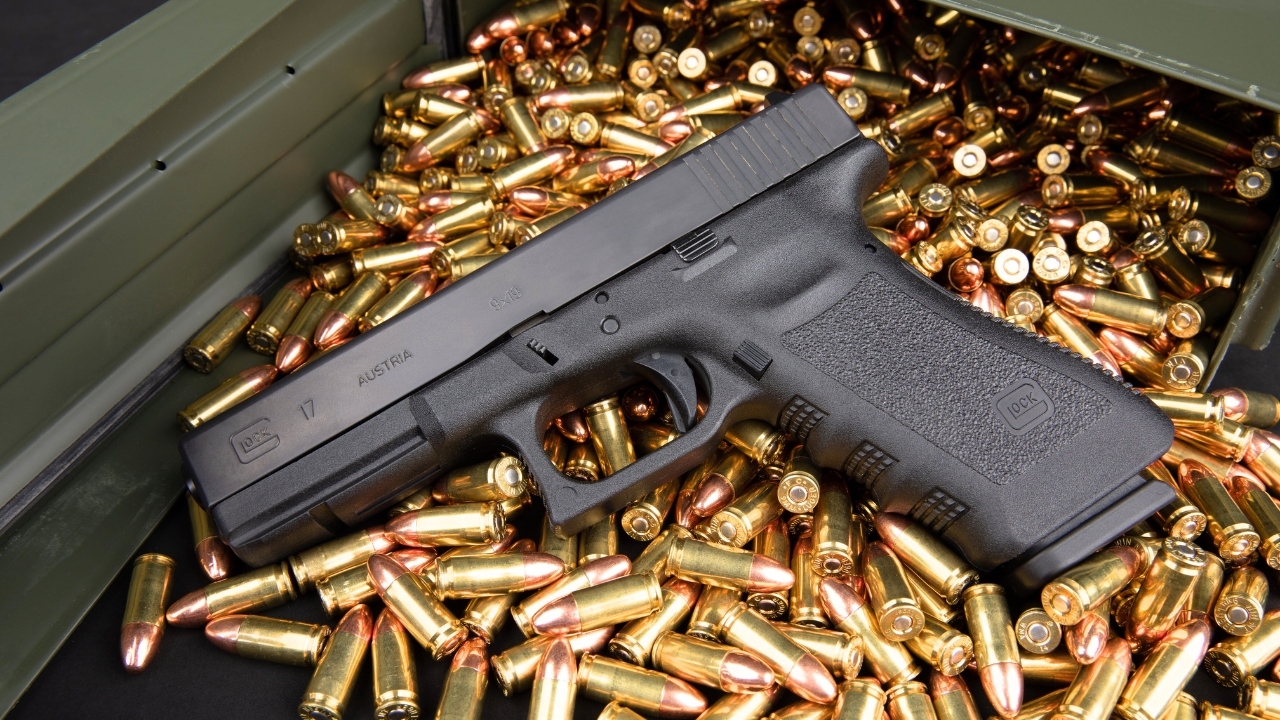
Part of what made the G17 such a shock to the system was timing. American Rifleman wrote that the Glock was hitting the scene when American law enforcement was transitioning away from revolvers, and its 17-round capacity looked very different from the six-shot standard many officers were used to.
That is easy to underrate now because full-size 9 mm pistols with double-stack magazines are normal. Back then, though, the G17 offered a very different picture of what a duty handgun could be. It gave agencies more rounds, a simpler trigger system than traditional DA/SA autos, and a frame material that would not rust. That was a serious change in direction.
8. It passed NATO durability testing early in its life

Glock says the pistol passed the NATO durability test in 1984, and that success helped lead to adoption by the Norwegian Army. That is a bigger deal than many shooters realize because it shows how quickly the Glock 17 moved from Austrian experiment to serious international contender.
That early durability win mattered for reputation. A lot of new firearms get attention because they look different. The G17 started building credibility because it also survived demanding institutional testing. For a gun that people were already side-eyeing because of polymer, that kind of performance mattered a lot.
9. The early Glock 17 had only 36 parts

American Rifleman’s 2022 overview says the original 9 mm G17 had only 36 parts in all. That simplicity is one of the core reasons the platform became so attractive to armorers, agencies, and everyday shooters.
A simple pistol is not automatically a better pistol, but in a duty context it can be a huge advantage. Fewer parts can mean less complication in manufacturing, maintenance, and training. That plain mechanical simplicity is one of the things people mean when they talk about why Glocks were so easy for institutions to embrace once they got over the cultural shock.
10. The Glock 19 came along surprisingly early

A lot of newer shooters think of the G19 as the “main Glock” and the G17 as the older full-size parent gun, but it is still useful to remember how quickly the compact version showed up. American Rifleman says that by 1988, Glock had introduced the second generation and included the compact-size G19 that same year.
That is a big reason the Glock ecosystem spread so fast. The company did not leave the G17 to stand alone for long. It moved quickly into a broader family of pistols that preserved the same basic operating logic while changing size and caliber options. The G17 opened the door, but Glock’s real dominance came from building a family behind it.
11. The early generations looked and felt different enough that collectors notice immediately

People who are not deep into Glock history sometimes act like every Glock 17 looks the same. That is not really true. American Rifleman’s Gen4 overview traces clear generational changes starting with the original guns, then Gen2, then Gen3, and beyond. Later Gen5 models brought still more changes, including the Glock Marksman Barrel, removal of finger grooves, tougher finish, flared magwell, and ambidextrous slide stop.
That matters because the G17’s story is not one flat line. The basic concept stayed recognizable, but the details kept changing with market demand, agency requests, and lessons from later testing. A shooter who thinks “a Glock is a Glock” usually has not spent much time comparing early and late G17s side by side.
12. The Gen5 Glock 17 owes a lot to law-enforcement contract work
American Rifleman’s 2017 Gen5 announcement said the Gen5 G17 and G19 were inspired by the Glock “M” pistol used by the FBI, and Glock described the changes as driven by requests from the law-enforcement market before rolling into consumer sales.
That is one of the more interesting parts of modern Glock history. The civilian G17 Gen5 was not just a random refresh. It was partly the result of institutional users asking for changes, Glock testing those ideas, and then the broader market wanting the same upgrades. The service-pistol feedback loop never really stopped.
13. Glock’s U.S. expansion happened fast

Glock says it opened its U.S. headquarters in Smyrna, Georgia, in November 1985. That is quick. The pistol had only recently been accepted by the Austrian Army, and within a short stretch Glock was already setting up a serious American foothold.
That fast expansion helps explain how the G17 became such a major American presence instead of staying just a successful European service pistol. Glock moved quickly, and it did so at exactly the right moment, when American law enforcement was open to new ideas and the revolver era was fading.
14. The Glock 17 became one of the most copied reference points in handgun design

Even people who do not like Glocks usually end up talking about them as a standard of comparison. That did not happen by accident. American Rifleman’s 2009 “Top 10 Handguns” piece said the Glock 17 earned its ranking because of innovation and manufacture numbers, noting that more than 4 million Glocks—the 17 and its variations—had been produced by that point.
Production numbers alone do not prove greatness, but they do show influence. The Glock 17 became one of those pistols every other service pistol had to answer. If a new duty gun came out, people immediately compared capacity, weight, trigger system, ease of maintenance, and agency appeal back to Glock. That is when you know a design has moved beyond popularity and into benchmark status.
15. The Glock 17 kept evolving long after people assumed it had “peaked”
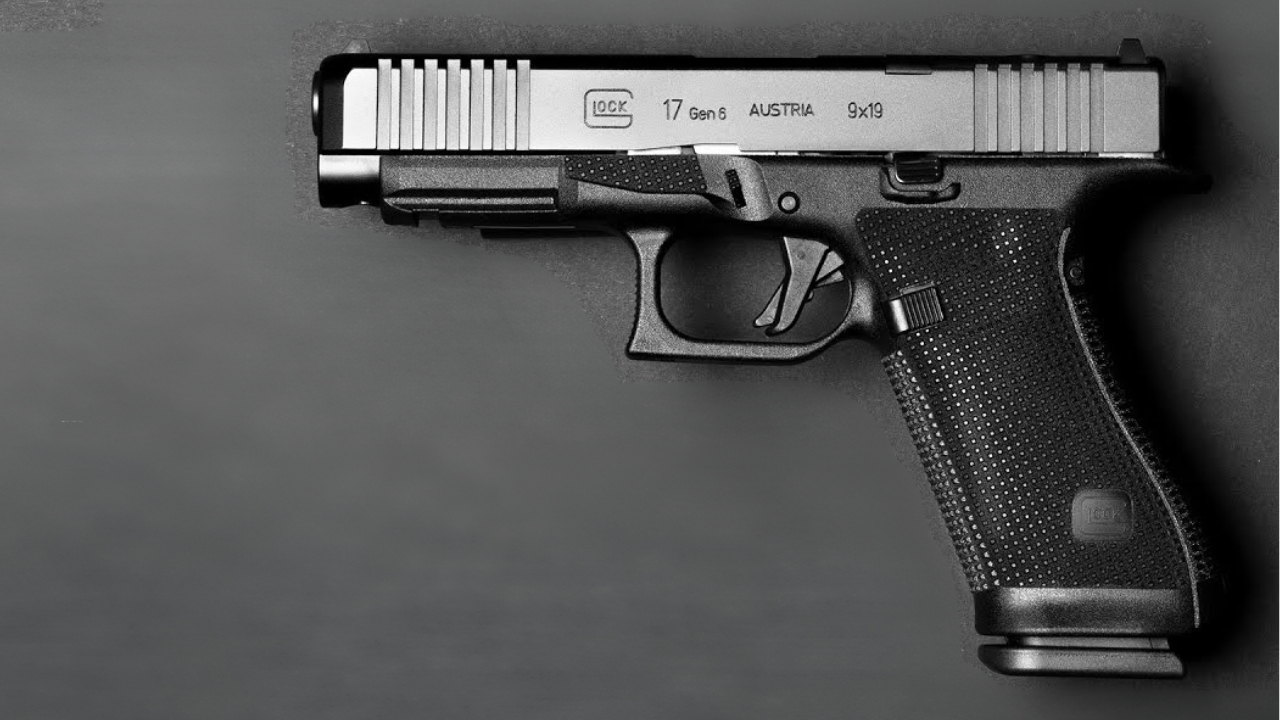
One of the most surprising things about the G17 is that it never really sat still. Gen5 was a major update. Then by late 2025, American Rifleman was already covering Glock’s GEN6 line and describing substantial mechanical and design changes. Even if a shooter prefers an older generation, the bigger point is that Glock never treated the G17 as finished history.
That is probably the best closing fact of all. The G17 is old enough to feel iconic, but still modern enough to keep changing. A lot of guns get famous and then freeze in place. The Glock 17 got famous and kept getting revised, copied, debated, and reissued for new audiences. That is a big reason it stayed important instead of just becoming a museum piece with a polymer frame.
Like The Avid Outdoorsman’s content? Be sure to follow us.
Here’s more from us: