Photo credit: Nordroden/Shutterstock.com
A lot of classic cartridges hang around long after they’ve outlived their usefulness. Some are still chambered in rifles and pistols today, mostly out of nostalgia, but their shortcomings show up quick in the field. They may be underpowered, inaccurate by today’s standards, or simply outdated when better options exist. Knowing which old-school rounds are more trouble than they’re worth can save you from wasted money and frustration when you’re looking for dependable performance.
.25-20 Winchester

The .25-20 Winchester was once praised for its small-game use, but compared to modern varmint cartridges, it’s weak and inconsistent. Hunters who expect it to cleanly take coyotes or larger predators are often left disappointed.
Its low velocity and poor ballistic performance limit its range, making it impractical by today’s standards. While it has collector interest, most shooters who try it in the field end up shelving it quickly. There are simply too many better options in the small-caliber category now.
.32-20 Winchester
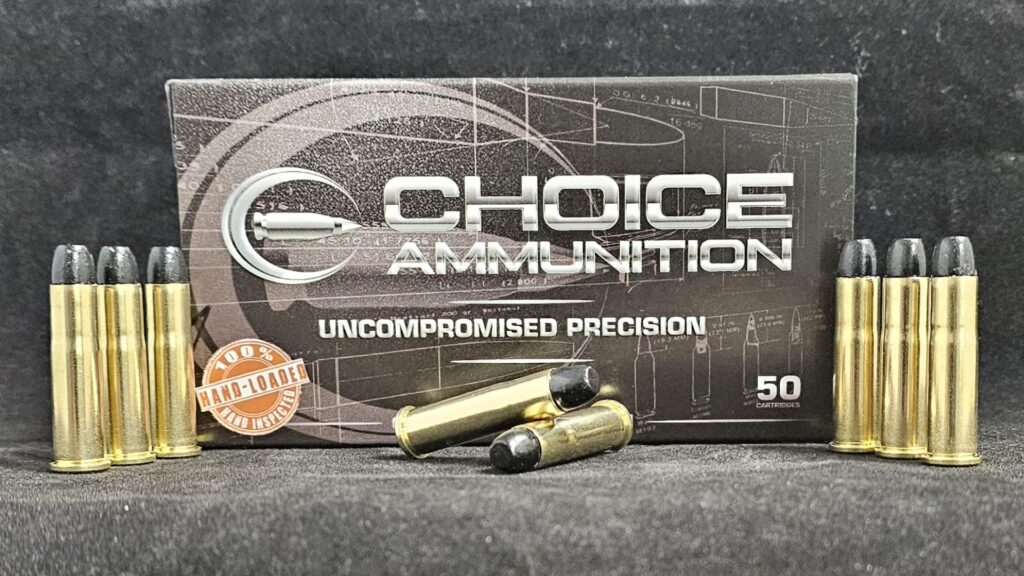
Another round from the black powder era, the .32-20 Winchester struggles to stay relevant. It was once considered a good all-around cartridge for varmints and light deer hunting, but its limited power shows quickly.
It can’t compete with modern cartridges for accuracy or knockdown power, and many hunters who experiment with it end up frustrated. While it still appeals to cowboy action shooters, in the field it’s more of a liability than a reliable choice. It lingers only because of nostalgia, not performance.
.30-40 Krag
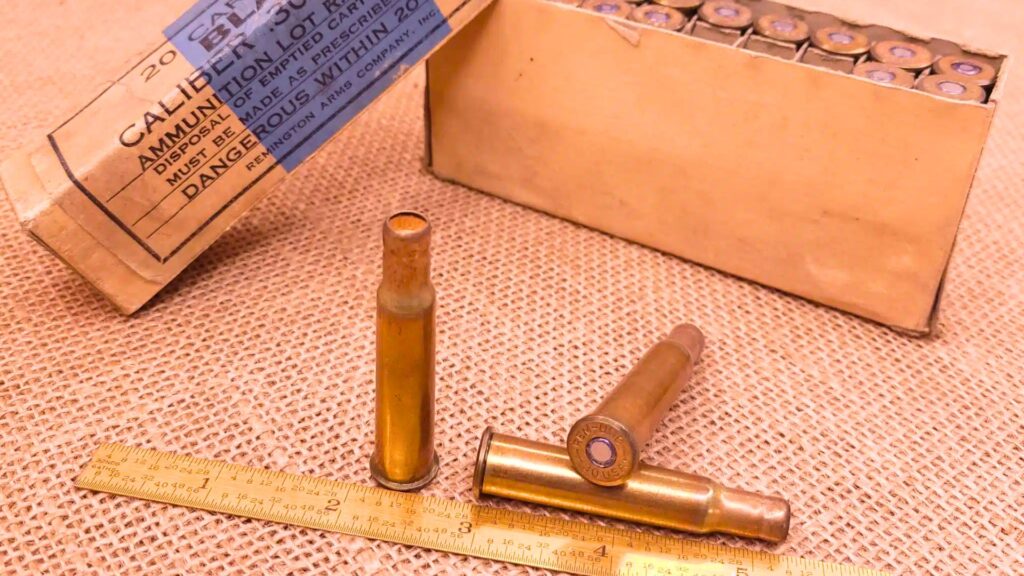
The .30-40 Krag has historical value as one of the U.S. military’s early smokeless cartridges, but it’s been eclipsed many times over. Its ballistics fall far behind the .30-06 and other modern .30-caliber rounds, and ammo availability is scarce.
Hunters who use it for deer or elk often find it underwhelming in performance and frustrating to source ammunition for. While collectors may value the old Krag rifles, in practical use the .30-40 doesn’t offer much reason to stick around anymore.
.41 Long Colt
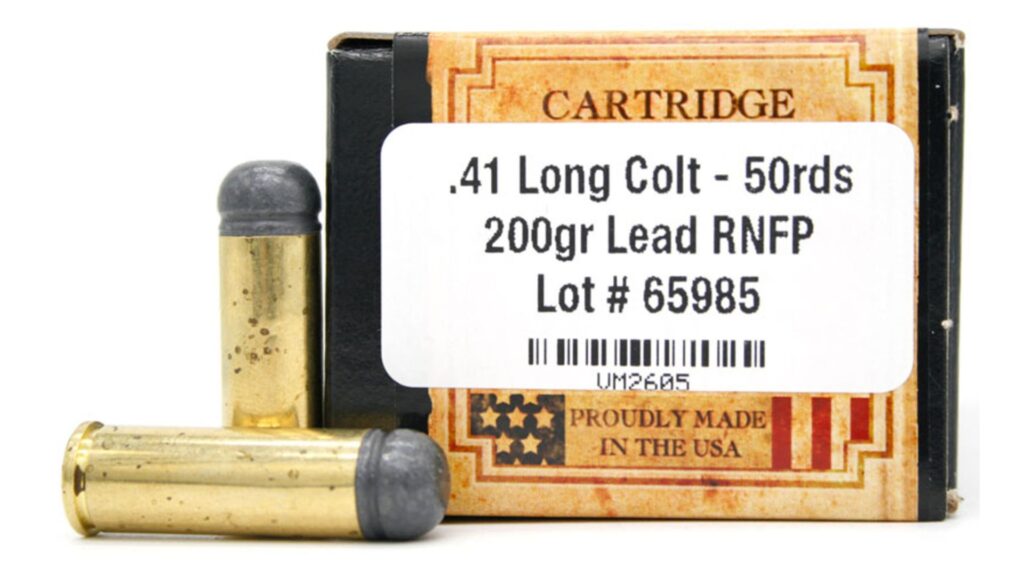
The .41 Long Colt was once seen as a capable revolver round, but its oddball design and weak ballistics make it obsolete today. It never delivered consistent stopping power, even in its prime, and ammunition is nearly impossible to find.
Revolvers chambered for it are mostly wall-hangers now. Those who do manage to shoot one quickly realize how far revolver cartridges have come since. Compared to modern .357 or .44 offerings, the .41 Long Colt doesn’t stand a chance in real use.
.38 S&W
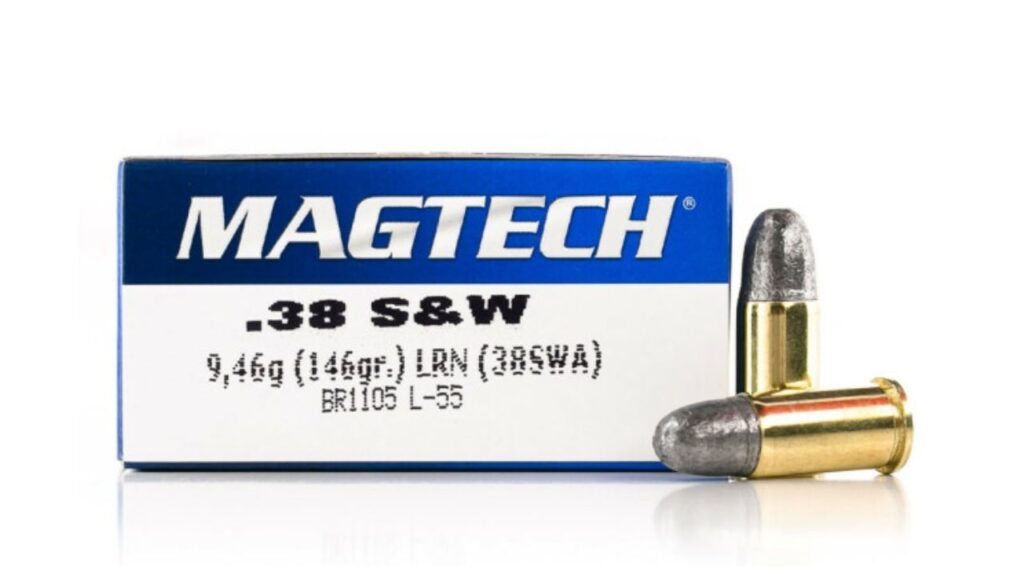
The .38 S&W was once common in police and civilian revolvers, but it has been completely overshadowed by the .38 Special. Its low pressure and weak ballistics make it a poor choice for hunting or defense.
Shooters who try it often struggle with limited ammo choices and anemic performance at the range. While it has a place in collecting or restoring vintage revolvers, it simply doesn’t belong in the field anymore. Modern alternatives leave it in the dust.
.44-40 Winchester

The .44-40 Winchester is famous for its use in lever guns of the Old West, but its ballistics don’t hold up today. While it was versatile in its time, it lacks the velocity and consistency hunters demand now.
For deer or hogs, it falls short, especially compared to modern .44 Magnum rifles and revolvers. Many hunters who pick one up out of curiosity find themselves disappointed with its limited range and poor trajectory. It’s a round that survives on nostalgia, not performance.
.32 ACP

The .32 ACP has been around for more than a century, but it’s badly outdated for defensive use. With limited penetration and poor terminal ballistics, it doesn’t inspire confidence compared to modern carry rounds like 9mm or even .380 ACP.
Ammo is still available, and some pistols chambered for it remain in circulation, but you’re working with a cartridge that can’t keep up with modern demands. It lingers mostly because of old pocket pistols, not because it actually delivers in real situations.
.35 Remington

The .35 Remington has its loyal fans, especially among lever-action hunters, but it’s largely faded for a reason. Ammo availability is spotty, and its trajectory is poor compared to modern mid-caliber hunting rounds.
While it can still take deer and black bear effectively, most hunters who try it eventually move on to something flatter-shooting and easier to find. The .35 Remington is a classic that clings to life, but it doesn’t offer enough practical advantage to justify keeping it around.
.22 Short
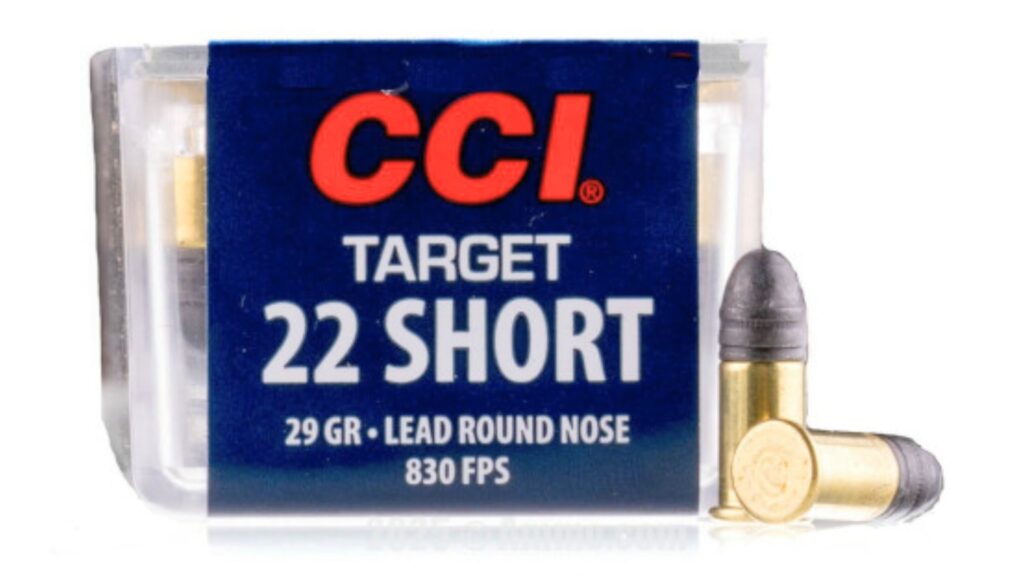
The .22 Short has history on its side, but it’s mostly useless for anything beyond plinking cans at close range. With limited velocity and poor terminal performance, it’s not a serious hunting round.
Most hunters and shooters who give it a try quickly see how underpowered it is compared to .22 LR. While it still sells for niche uses like indoor ranges or historical firearms, it doesn’t have a role in modern field use. It’s been outclassed in every way.
.30 Carbine
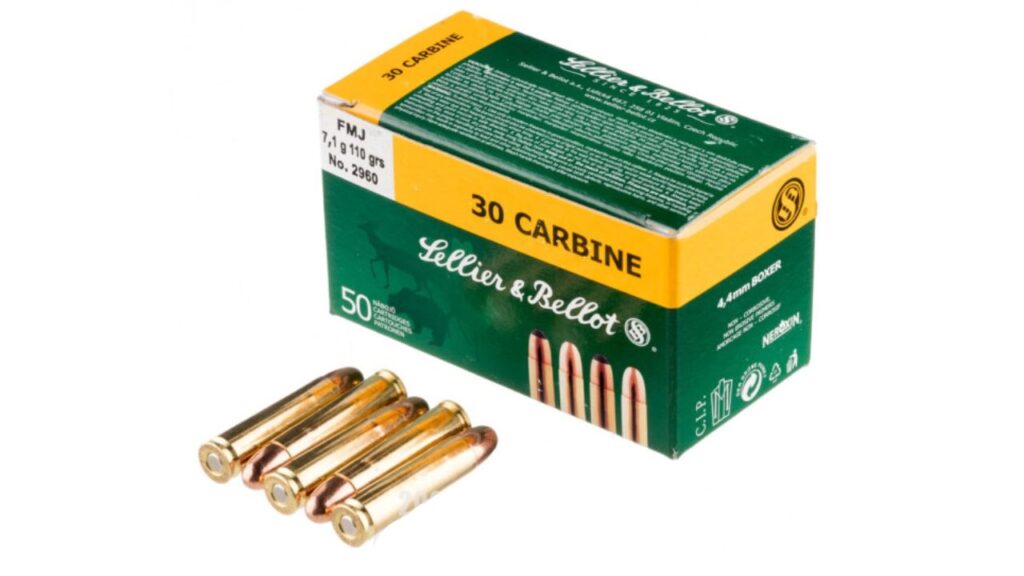
The .30 Carbine gained fame with the M1 Carbine during WWII, but it’s not much of a hunting or defensive cartridge by today’s standards. Its ballistics are closer to a pistol round than a proper rifle round, leaving it underpowered for medium game.
Hunters who attempt to use it often run into problems with penetration and stopping power. While collectors and enthusiasts still keep it alive, in practical use it doesn’t bring enough to the table. Better options are everywhere, leaving it little reason to stick around.
*This article was developed with AI-powered tools and has been carefully reviewed by our editors.