Photo credit: Sophon Nawit/Shutterstock.com
Not every cartridge that looks mean on paper actually performs that way when you hit the field. Some come with flashy numbers—velocity, energy, ballistic coefficients—that make them look like the next big thing. But when it comes to accuracy, real-world knockdown, or consistent terminal performance on game, they fizzle. And sometimes the problem isn’t the math—it’s how they behave when wind, range, and living animals get involved. Whether they’re oversold, finicky, or just not practical for what most hunters do, these are the cartridges you probably heard someone brag about—before they quietly went back to a more trusted round.
6.5 PRC

You’ll hear a lot of folks talk up the 6.5 PRC like it’s the future of hunting. On paper, it checks all the boxes—flat trajectory, high BCs, and hard-hitting at distance. But once you leave the benchrest and head into the hills, it starts losing its luster.
The rifles are often heavier, recoil is snappier than expected for a 6.5, and factory ammo can be hard to find. You’re paying for long-range precision that most hunters never need. And if you’re in thick timber or doing fast follow-up shots, you’ll probably wish you had something more forgiving.
.300 RUM
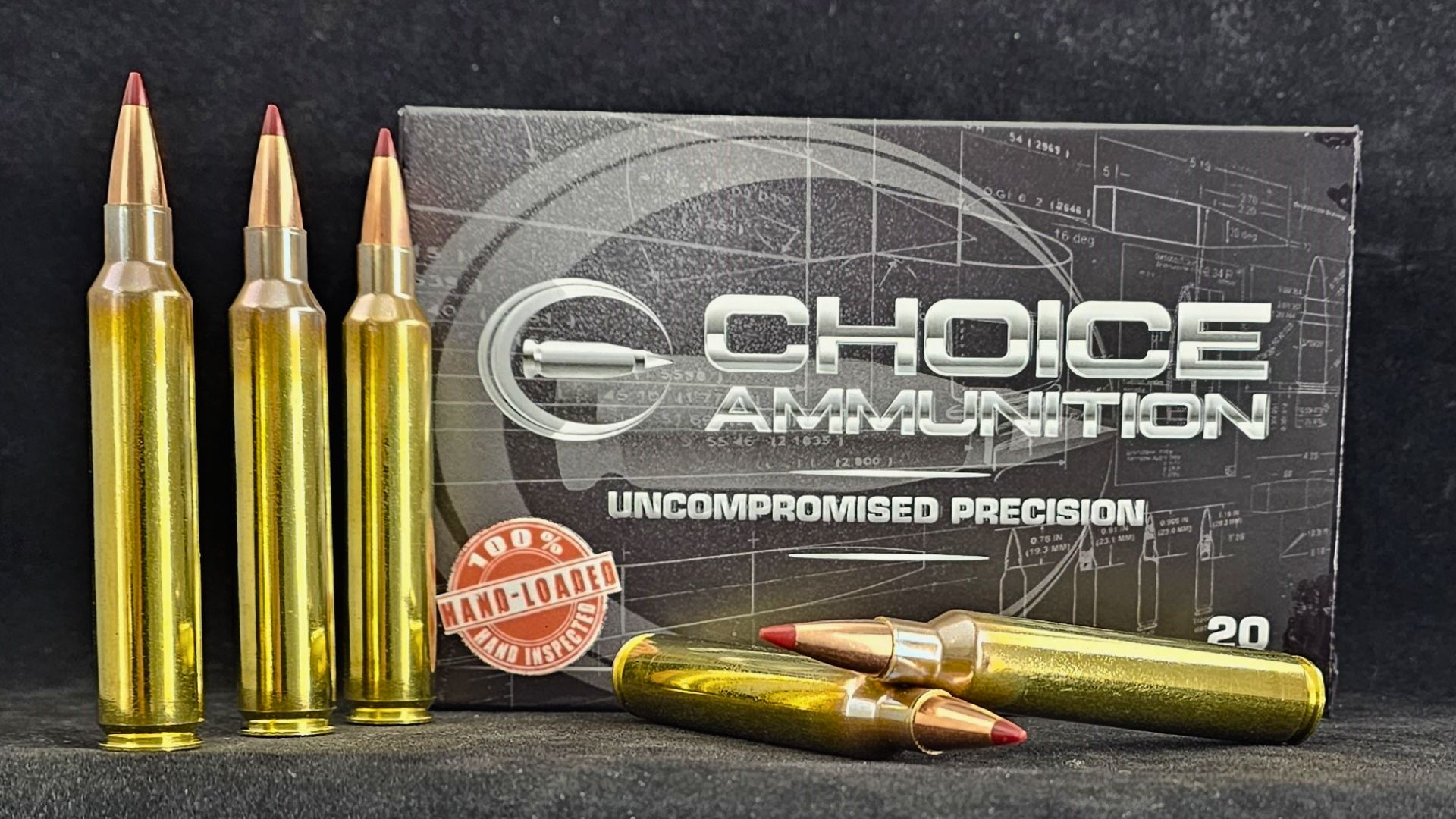
The .300 Remington Ultra Magnum is one of those cartridges that looks like a monster on paper. Ballistics suggest it should flatten anything out to a mile. But in real-world hunting, the drawbacks pile up fast.
Barrel life is short, recoil is abusive, and most factory rifles chambered for it are long and awkward to carry. Unless you’re hunting moose across an Alaskan canyon, you’re carrying way more power than you’ll ever need. And even with all that energy, bullet selection becomes critical—too light and they grenade, too heavy and you lose speed.
.25-06 Remington

The .25-06 Remington reads like a do-it-all deer round—flat shooting, fast, and light recoil. But that same speed becomes a problem when you deal with wind drift and marginal hits. Despite what the charts say, terminal performance can be inconsistent on bigger-bodied deer.
If you aren’t using premium bullets and paying attention to shot placement, you’re going to have a few long tracking jobs. And once the novelty wears off, most hunters quietly go back to .270 or .308 because they get the job done with less drama.
.224 Valkyrie
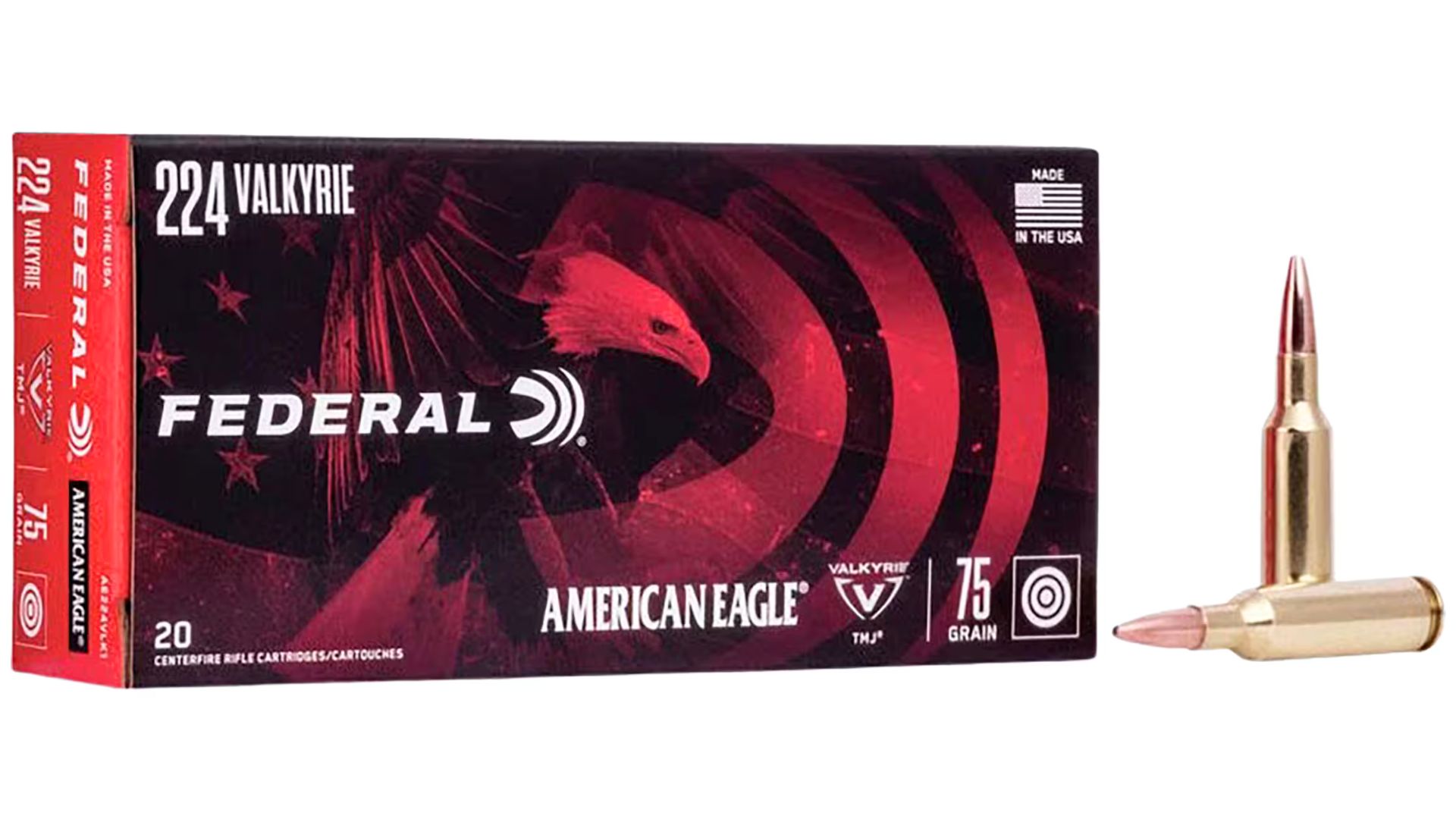
This one was hyped to no end as the long-range king of AR-15s. But out in the field, especially for medium game, it struggles to live up to the promise. On paper, the numbers looked great—high BCs, flat shooting, and more retained energy than .223.
The reality? Ammo inconsistencies, poor expansion on live targets, and occasional feeding issues depending on the rifle setup. It’s fun at the range and great on steel, but when you’re hunting coyotes or deer, you’re better off with a cartridge that’s proven in the field—not just in marketing copy.
.270 WSM
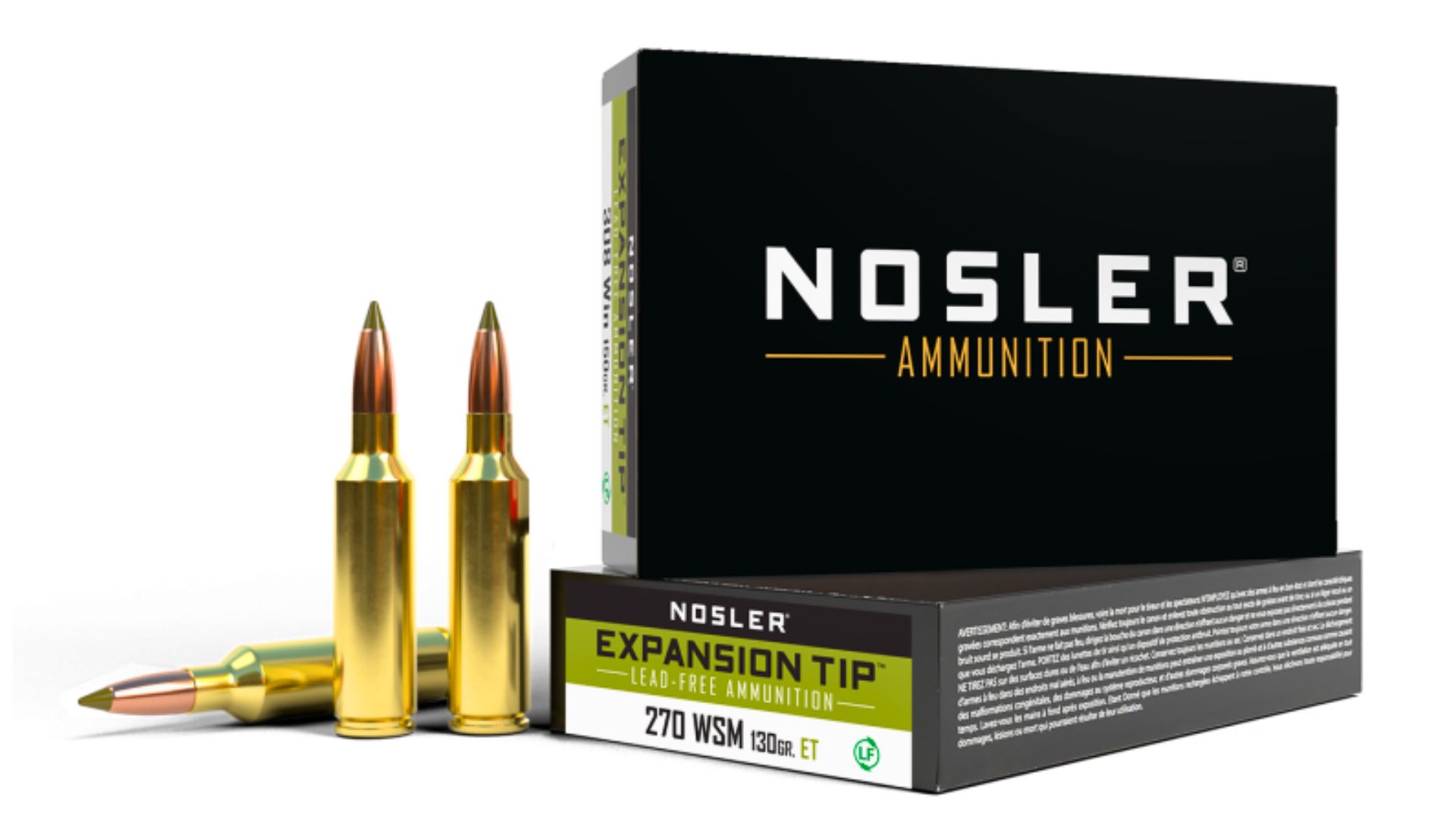
The .270 WSM was supposed to be a magnum upgrade to the classic .270 Winchester. On paper, it delivers flatter trajectories and more punch. But many hunters find that the extra recoil, barrel heat, and limited factory load variety aren’t worth it.
You’ll also run into feeding quirks in some rifles due to the short fat case design. And while the trajectory is technically flatter, in the real world, it rarely gives you an edge that matters. Most hunters wind up going back to the original .270 or something with better ammo availability.
.300 WSM

The .300 WSM promised .300 Win Mag performance in a short-action package. Sounds great on the surface. But the reality doesn’t always match the pitch. The recoil is still heavy, and the pressure curve can be sharp depending on the load.
You’ll also deal with occasional feeding issues, especially in older or cheaper rifles. And the performance gain over standard .30-06 loads isn’t as dramatic as charts make it look. When you factor in higher ammo costs and fewer choices on the shelf, it starts feeling like a hassle for not much reward.
7mm Rem Ultra Mag
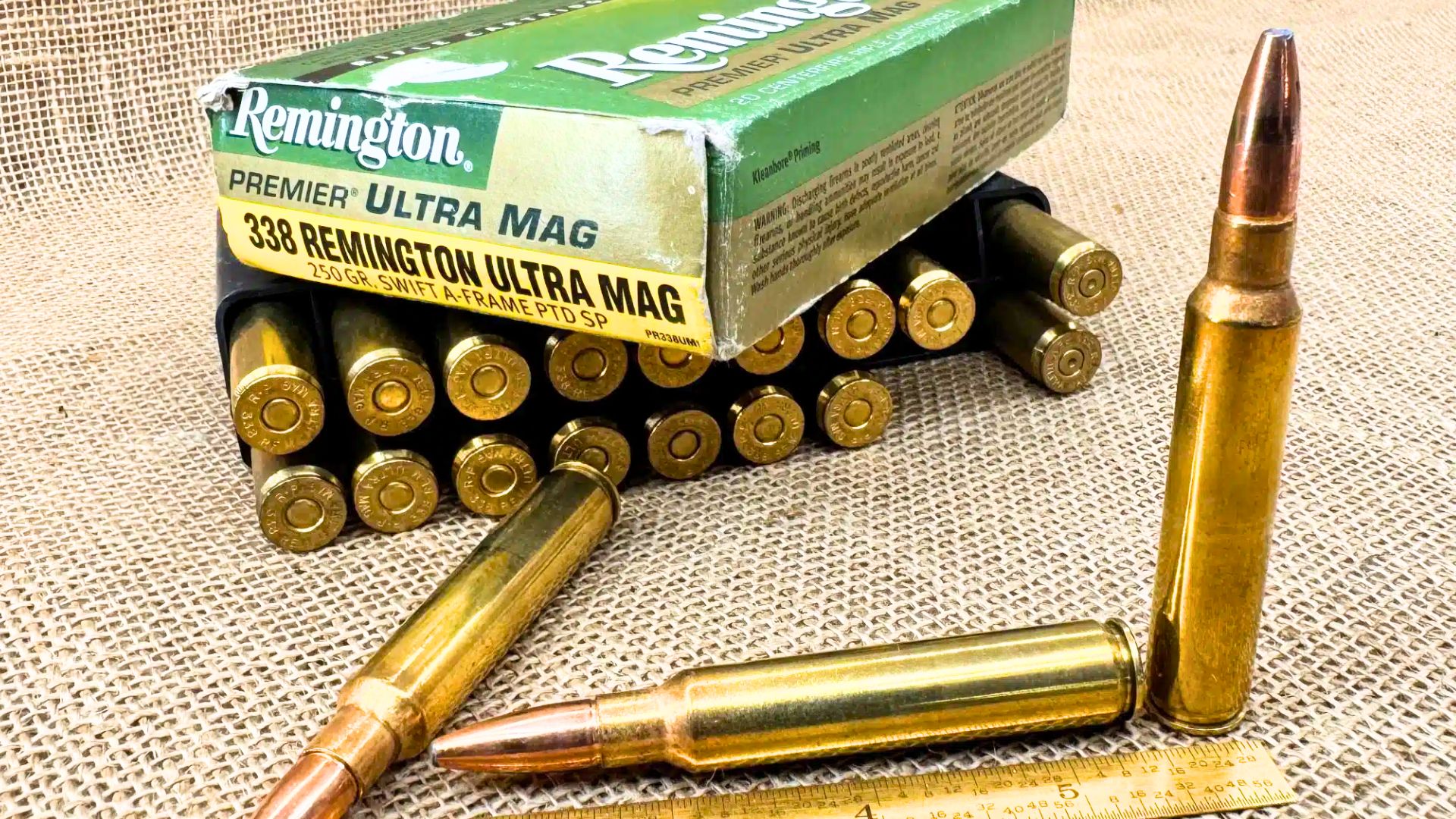
The 7mm RUM is the definition of overkill for most hunts. On paper, it throws high-BC bullets at blistering speed. But in the real world, it brings massive recoil, barrel wear, and fewer shot opportunities because you’re flinching or adjusting for blast.
Ammo’s hard to find, and even when you handload, it’s a finicky cartridge. Long barrels are common, which makes it tough to maneuver in timber or tight quarters. Unless you’re shooting elk across canyons every season, it’s a lot of pain for a very narrow gain.
.264 Winchester Magnum

This cartridge has lived a strange life. Introduced with high hopes, it’s fast and flat—on paper, a dream for long-range hunting. But when you put it to use, problems show up. It burns barrels fast, especially with lighter contour barrels common on hunting rifles.
Recoil is sharper than most people expect from a 6.5, and ammo has never been easy to find. Even handloaders struggle to get consistent results with some powders. It’s got a cult following, but it’s one of those rounds that sounds better than it performs.
.357 SIG
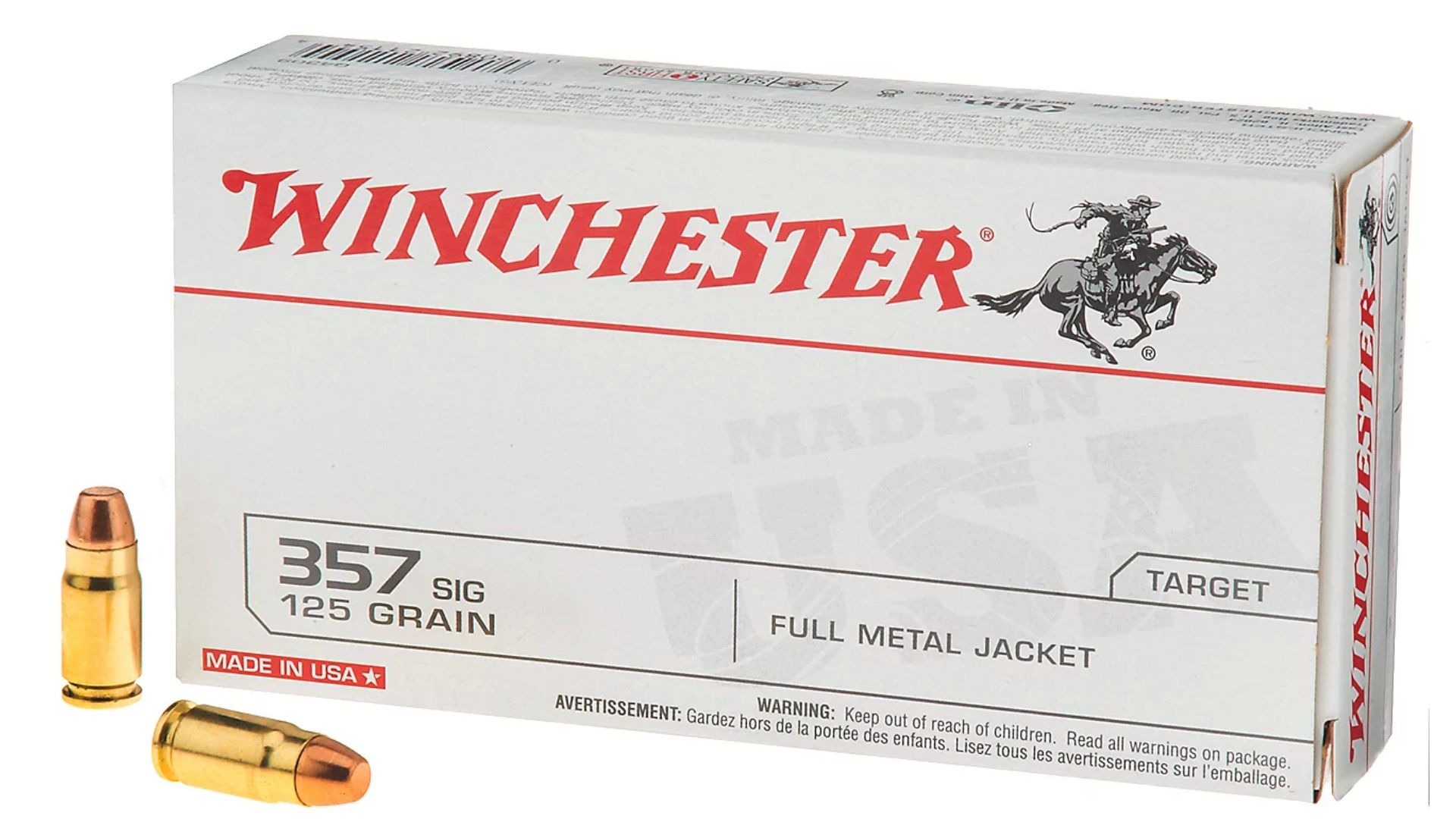
While more of a handgun round, some folks try to run .357 SIG in carbines or claim it’s a viable hunting or defense caliber due to its velocity. On paper, it’s fast and hits harder than 9mm. But ballistically, it doesn’t do enough to warrant the extra recoil and cost.
It tends to be loud and snappy, and bullet choices for hunting are limited. You’ll also find that most people who try it wind up going back to .40 S&W or 9mm because they’re easier to shoot well, cheaper to feed, and more versatile.
.223 WSSM
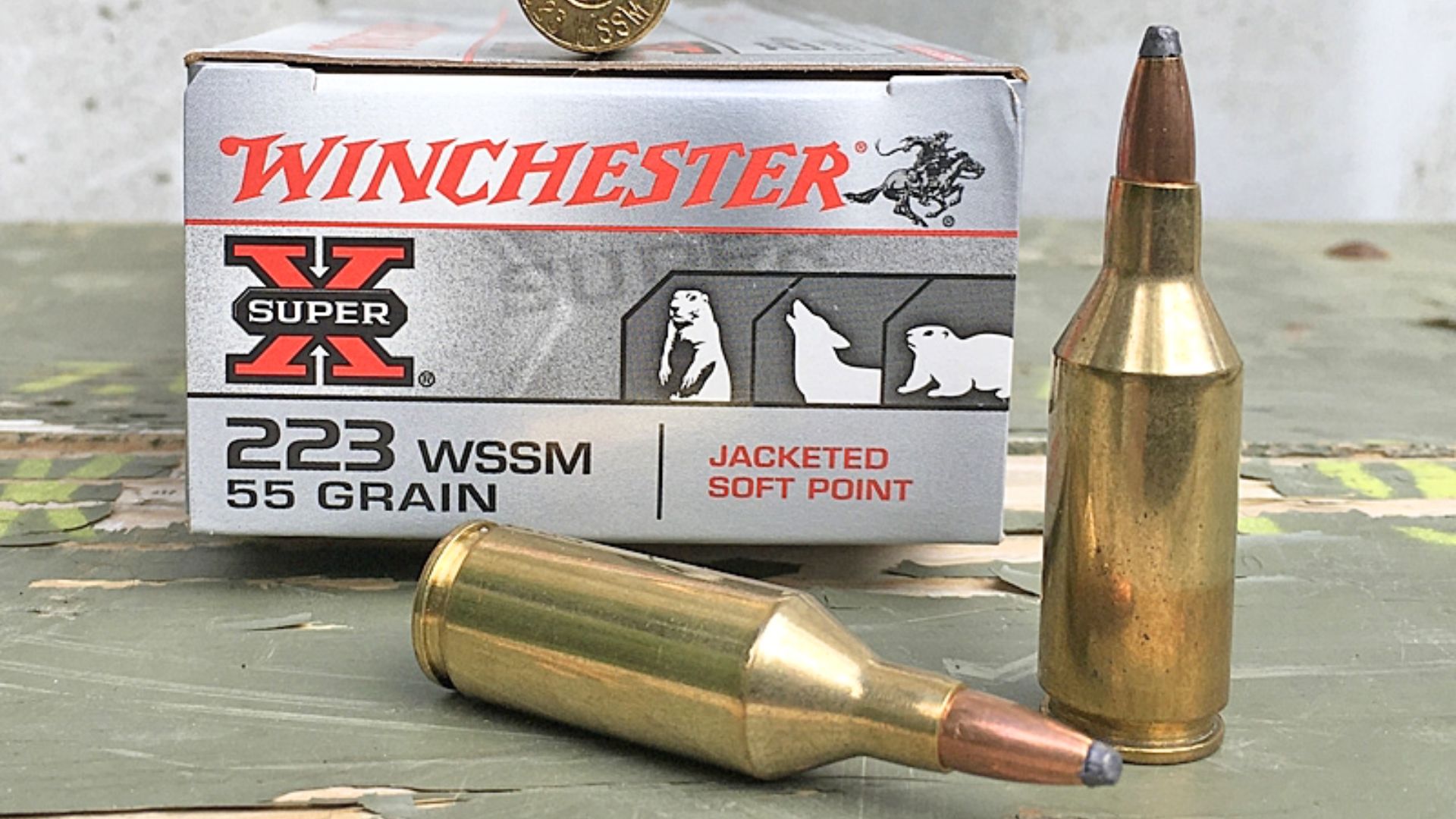
The .223 Winchester Super Short Magnum is one of those rounds that looks like it belongs in a sci-fi movie. It’s fast—no denying that. But barrel life is short, it’s extremely sensitive to fouling, and finding a rifle chambered in it now is getting harder by the year.
Even when everything lines up, terminal performance can be unpredictable. It was meant to give varmint hunters an edge, but most found that .22-250 or even .223 Rem gave more consistent results with fewer headaches. Another round that burned bright and fizzled out.
.358 Winchester

The .358 Win sounds like a powerhouse—a necked-up .308 throwing heavy bullets. But while it packs a punch, the trajectory drops fast, and ammo selection is thin. It also tends to recoil more than most hunters expect from a short-action round.
In practice, it’s hard to justify over more modern or efficient medium-bore options. Unless you handload, you’ll be lucky to find more than one or two choices on the shelf. Plenty of folks praise it for nostalgia, but most of those rifles stay in the safe come deer season.
.300 Blackout (Supersonic Loads)

Everyone loves .300 Blackout for subsonic suppressed shooting, and rightfully so. But when you switch to supersonic for hunting, it often underwhelms. The performance looks decent on paper, especially for short barrels, but expansion can be inconsistent.
Even with good shot placement, it lacks the energy you’d want for deer-sized game at longer distances. And some loads struggle with reliable feeding depending on your mag and rifle combo. If you’re not running it suppressed or at close range, you’ll probably be wishing you grabbed something with more punch.
Like The Avid Outdoorsman’s content? Be sure to follow us.
Here’s more from us:
The worst deer rifles money can buy
Sidearms That Belong in the Safe — Not Your Belt
*This article was developed with AI-powered tools and has been carefully reviewed by our editors.