Photo credit: GunBroker
The Smith & Wesson Shield Plus is one of those pistols that looks familiar enough that people assume they already know what it is. At a glance, it still looks like a Shield. That is exactly why a lot of shooters miss what changed. When Smith & Wesson launched the Shield Plus in 2021, the company kept the same basic slim carry profile but redesigned the magazine system to raise capacity, upgraded the trigger, and kept compatibility with a lot of existing Shield gear. American Rifleman said the flush-fit magazine jumped from seven rounds to 10, while the extended magazine went from eight to 13.
What makes the Shield Plus especially interesting is that it did not try to reinvent the Shield line. Smith & Wesson basically took one of the most proven concealed-carry pistols in the market and fixed the two biggest complaints people had: capacity and trigger feel. Smith & Wesson’s own product pages still frame the Shield Plus as the next generation of everyday carry, and company filings say the broader Shield line had already shipped more than five million units by April 2022.
1. The Shield Plus launched in 2021
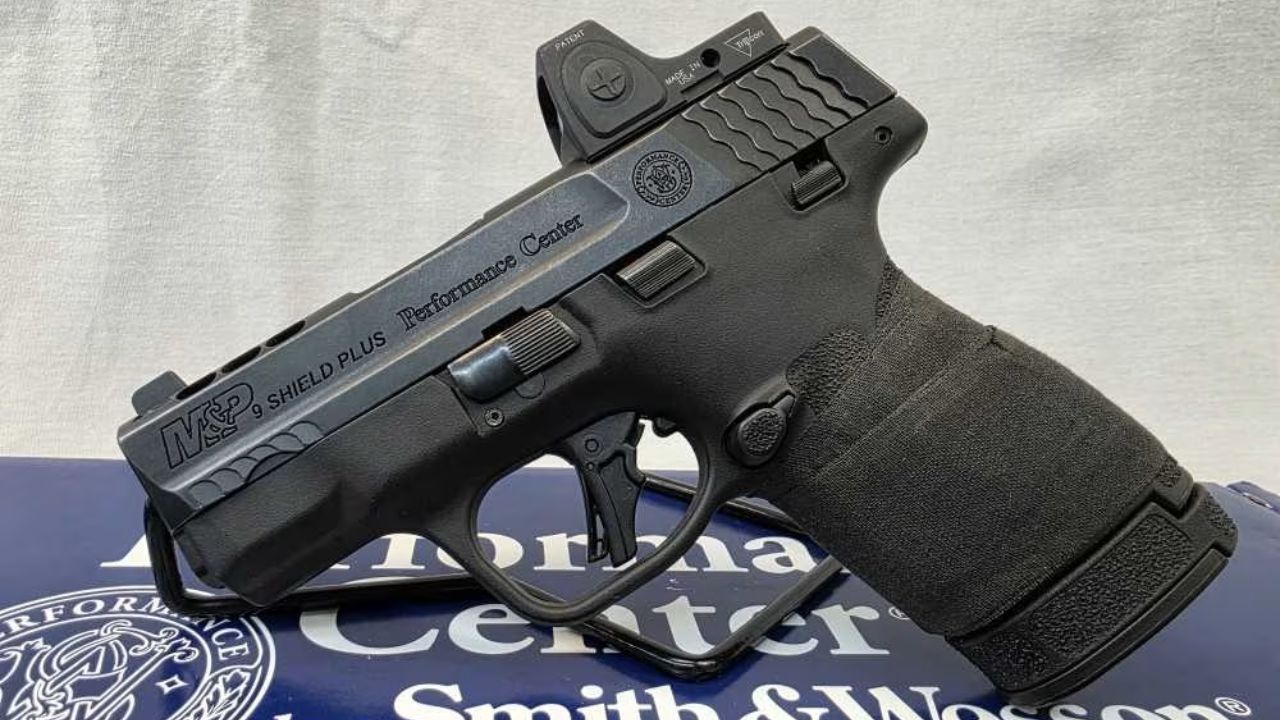
The Shield Plus officially arrived in 2021. American Rifleman’s “New for 2021” coverage is dated March 16, 2021, and the publication’s later full review also treats it as a major 2021 launch.
That timing matters because the Shield Plus showed up after the original Shield had already become one of the best-known carry pistols in America. Smith & Wesson was not building a new name from scratch. It was updating a carry-gun formula that already had huge trust behind it. That second point is an inference grounded in the company’s filings on Shield sales volume.
2. The biggest upgrade was capacity

This is the most important fact about the pistol. American Rifleman says the Shield Plus uses a redesigned stagger-stack magazine that raises flush-fit capacity from seven rounds to 10 and extended capacity from eight rounds to 13. Smith & Wesson’s product page also highlights 10+1 and 13+1 capacity as the core pitch.
That matters because the Shield Plus fixed one of the original Shield’s biggest limitations without turning it into a chunky compact. That is the whole reason the gun landed so well.
3. It is only slightly wider than the original Shield
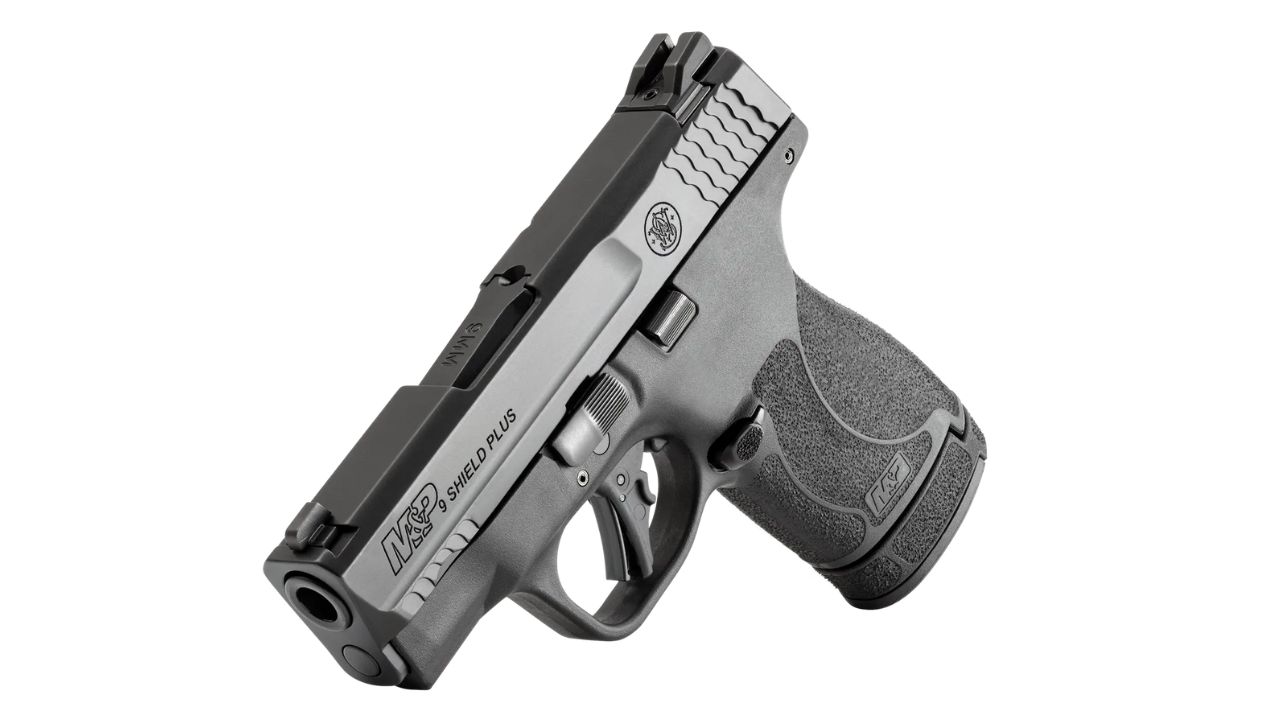
A lot of people assume the Shield Plus must feel dramatically thicker because of the capacity jump, but American Rifleman says the dimensions are only slightly wider than the original M&P Shield M2.0. American Rifleman’s 2023 optics-ready review even says the extra width is actually helpful because it fills the hand a bit better.
That is a big reason the pistol works. Smith & Wesson added useful capacity without losing the easy-carry feel that made the Shield famous in the first place. That conclusion is an inference grounded in the published size comparison and handling comments.
4. The trigger was improved in a meaningful way
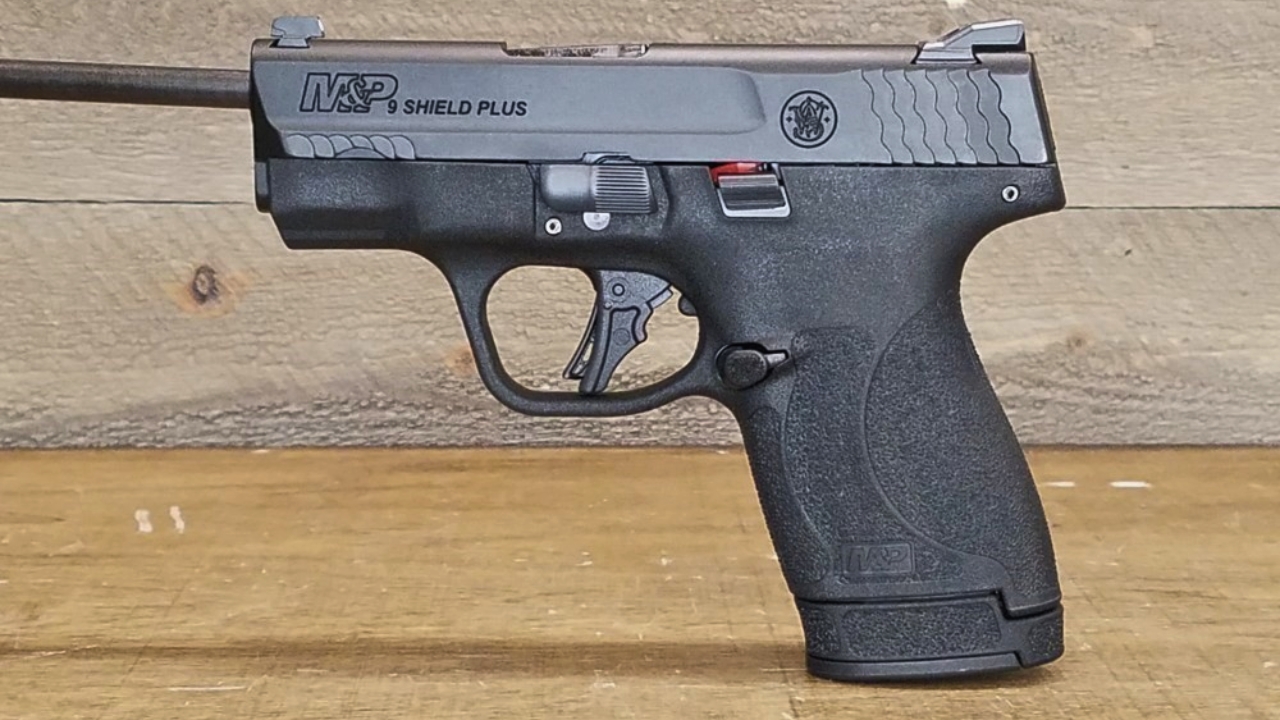
The trigger upgrade was the other huge change. American Rifleman’s 2021 review said Smith & Wesson did a great job on the new trigger, calling it one of the better factory triggers available at the time, with consistent pull weight and a clean, short reset. Smith & Wesson’s own optics-ready product page highlights the flat-face trigger as a feature that improves repeatable accuracy.
That matters because Shield owners had long been willing to tolerate the older trigger for the sake of concealability. The Shield Plus made the gun easier to actually enjoy shooting, not just easier to carry. That second sentence is an inference grounded in the review’s trigger praise and the legacy Shield context.
5. It still fits standard Shield holsters
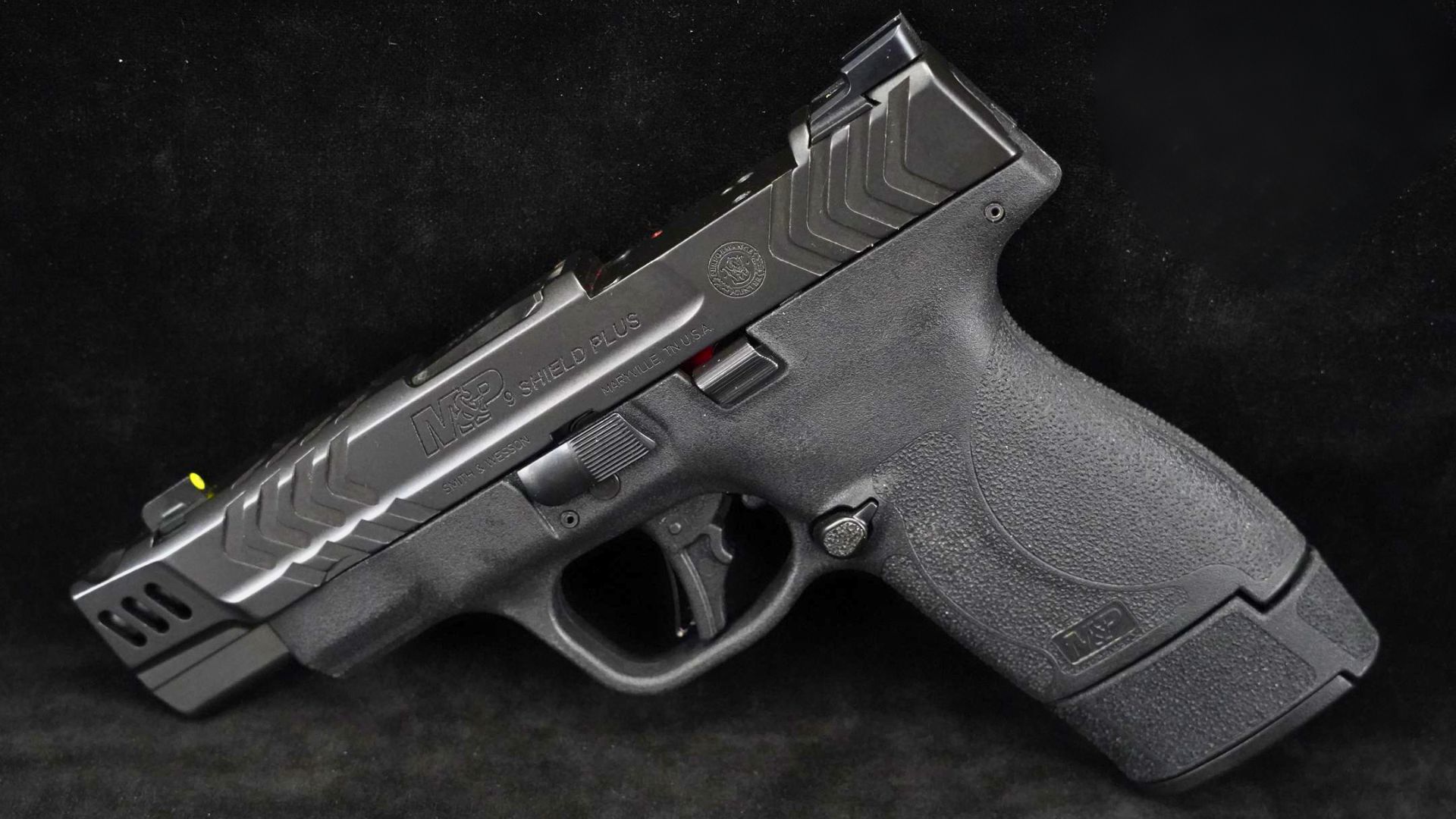
This is one of the most practical details people overlook. American Rifleman’s July 2021 “Gun of the Week” said the Shield Plus keeps enough of the earlier Shield’s contours that it fits all standard Shield holsters. The same article says aftermarket light and laser modules designed for the original Shield also fit the Shield Plus trigger guard.
That is a bigger deal than it sounds. A carry-gun upgrade is much easier to adopt when people do not have to throw out all their old holsters and accessories.
6. Smith & Wesson did not abandon the micro-compact role

Smith & Wesson’s current Shield Plus series page still categorizes the platform as micro-compact, and the series remains centered on concealed-carry configurations rather than growing into a duty-size branch.
That matters because the Shield Plus was not trying to become an M&P Compact substitute. It stayed rooted in the deep-concealment and everyday-carry lane that made the Shield name so valuable. That interpretation is an inference grounded in the company’s own series classification.
7. The Shield Plus is part of a much bigger Shield success story
Smith & Wesson’s 2022 annual filing says the M&P Shield pistol is one of the most popular firearms in the market, with over five million units shipped as of April 30, 2022. The 2024 filing says the company had continued to expand the family, most recently with the Shield Plus and its enhanced features and capacity.
That matters because the Shield Plus was not just another new pistol dropped into the catalog. It was an update to one of the most commercially successful concealed-carry platforms in the country.
8. The grip texture and general contours were intentionally familiar

American Rifleman’s 2021 “Gun of the Week” says the grip texturing, slide serrations, sights, and frame contours all match what shooters already knew from earlier Shield models.
That was a smart move. Smith & Wesson wanted current Shield owners to pick up the Plus and feel immediately at home, instead of feeling like they were learning an entirely different pistol. That conclusion is an inference grounded in the continuity features the review pointed out.
9. Optics-ready versions became a real part of the line
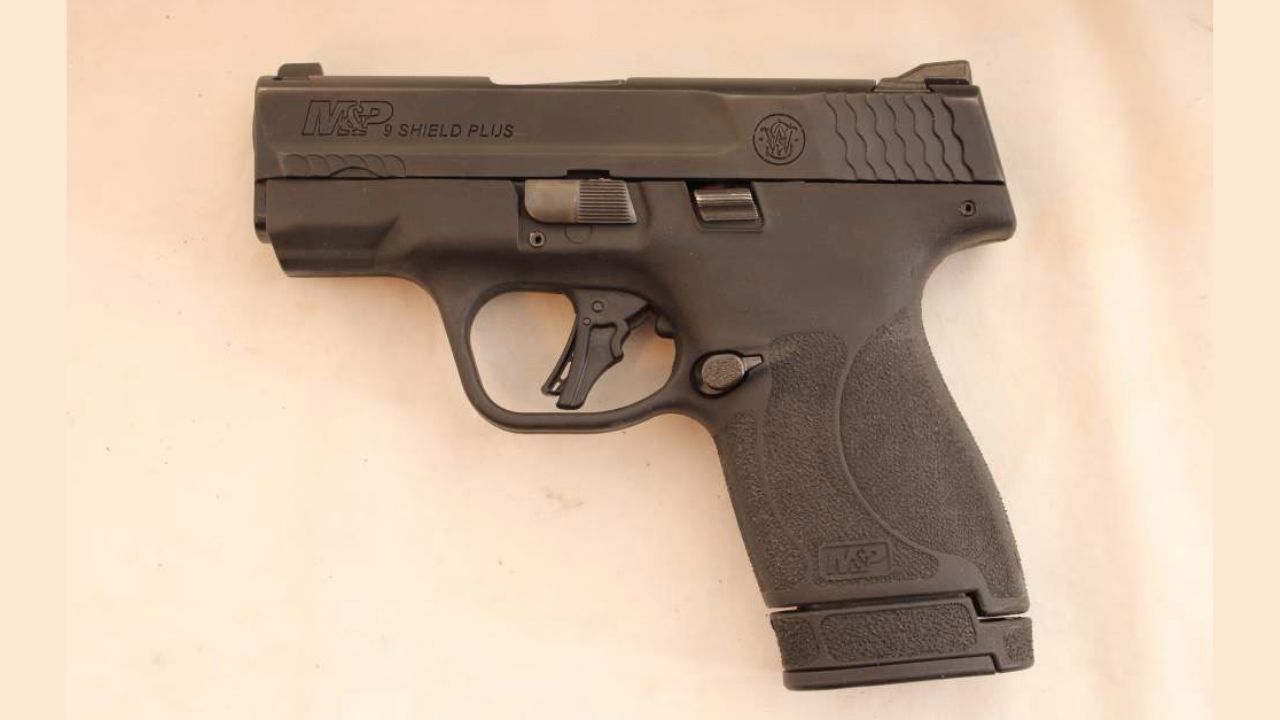
Smith & Wesson’s current product pages show dedicated Shield Plus Optics Ready models, and American Rifleman reviewed the M&P9 Shield Plus OR in 2023. The official OR page specifically calls out the slide cut for optics.
That matters because the Shield Plus did not stay stuck in the older “iron-sight only carry gun” world. Smith & Wesson has kept the line current by pushing it into the carry-optics space too. That second sentence is an inference grounded in the current model lineup.
10. The Shield Plus OR is a little easier to shoot than people expect

American Rifleman’s 2023 review of the Shield Plus OR says the slightly wider grip actually fills the hand better and makes the pistol more comfortable to shoot and easier to handle under recoil.
That is one of the subtle reasons the Shield Plus works so well. It did not just add rounds. It also nudged the gun into a more forgiving shooting experience without giving up its carry role. That interpretation is an inference grounded in the review’s handling comments.
11. Smith & Wesson expanded the line into threaded-barrel and Performance Center versions

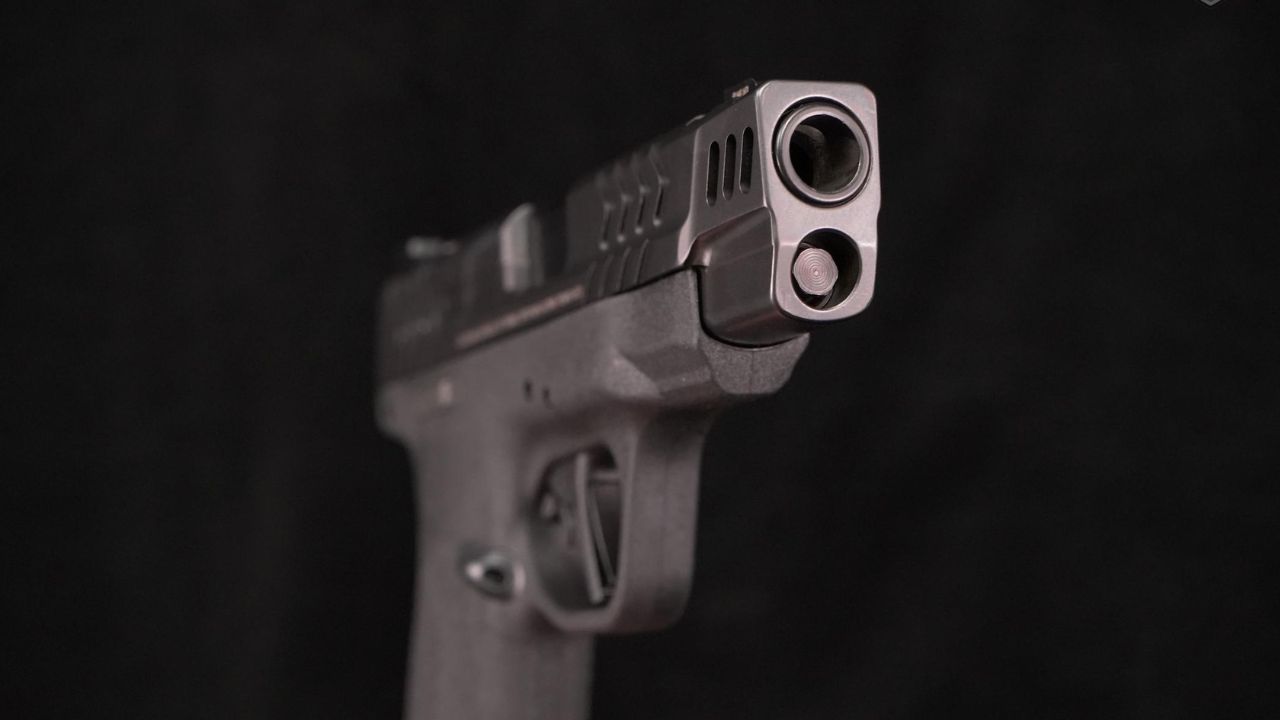
The current Shield Plus series page shows multiple branches, including threaded-barrel models and Performance Center Carry Comp versions. Smith & Wesson’s current product pages clearly show that the line has moved beyond the plain original Shield Plus configuration.
That tells you the company sees the Shield Plus as a real platform, not just a one-model upgrade. Once a company starts branching a carry gun into several trim families, it usually means the design has found a solid long-term audience. That second sentence is an inference grounded in the current lineup breadth.
12. The Carry Comp shows how far the Shield Plus concept has evolved
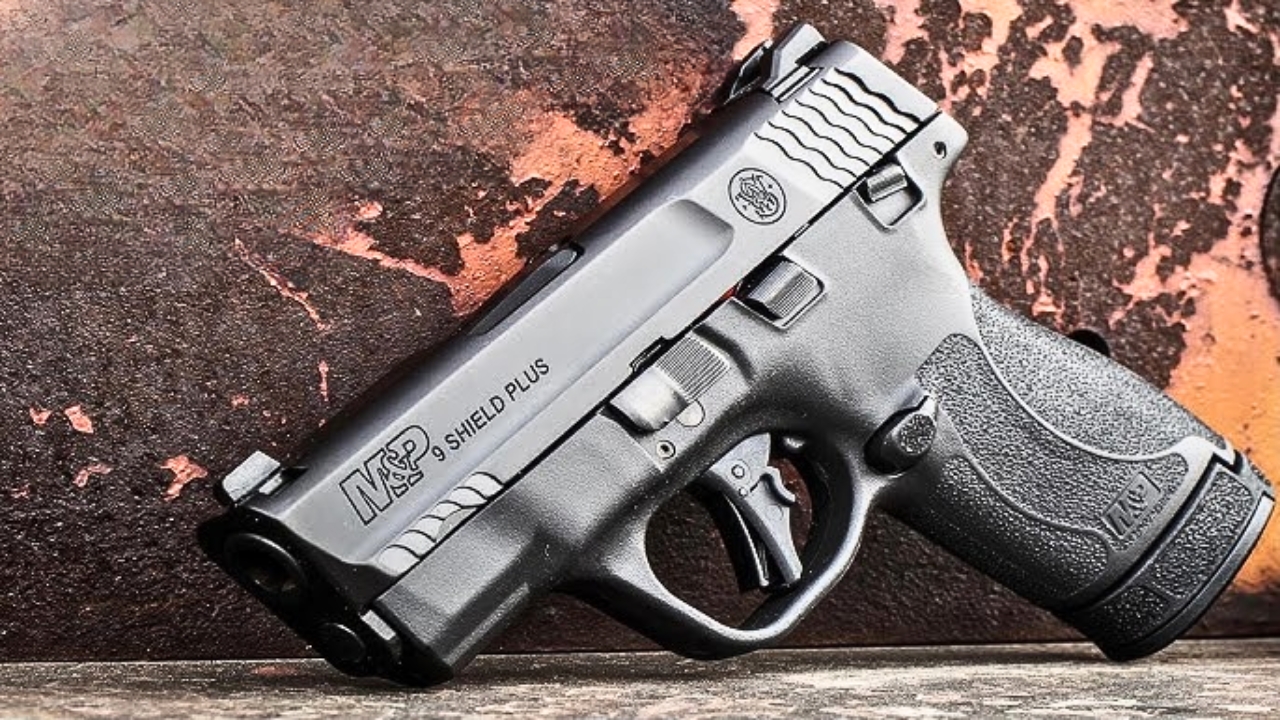
Smith & Wesson’s current Performance Center Shield Plus Carry Comp page says the pistol is focused on enhancing the shooting experience.
That is pretty interesting because it shows how far the Shield concept has moved. What started as a simple, thin carry pistol has now grown into versions explicitly tuned around better shooting performance, not just minimal size. That evolution is an inference based on the current Performance Center framing.
13. The Shield Plus also expanded into 30 Super Carry
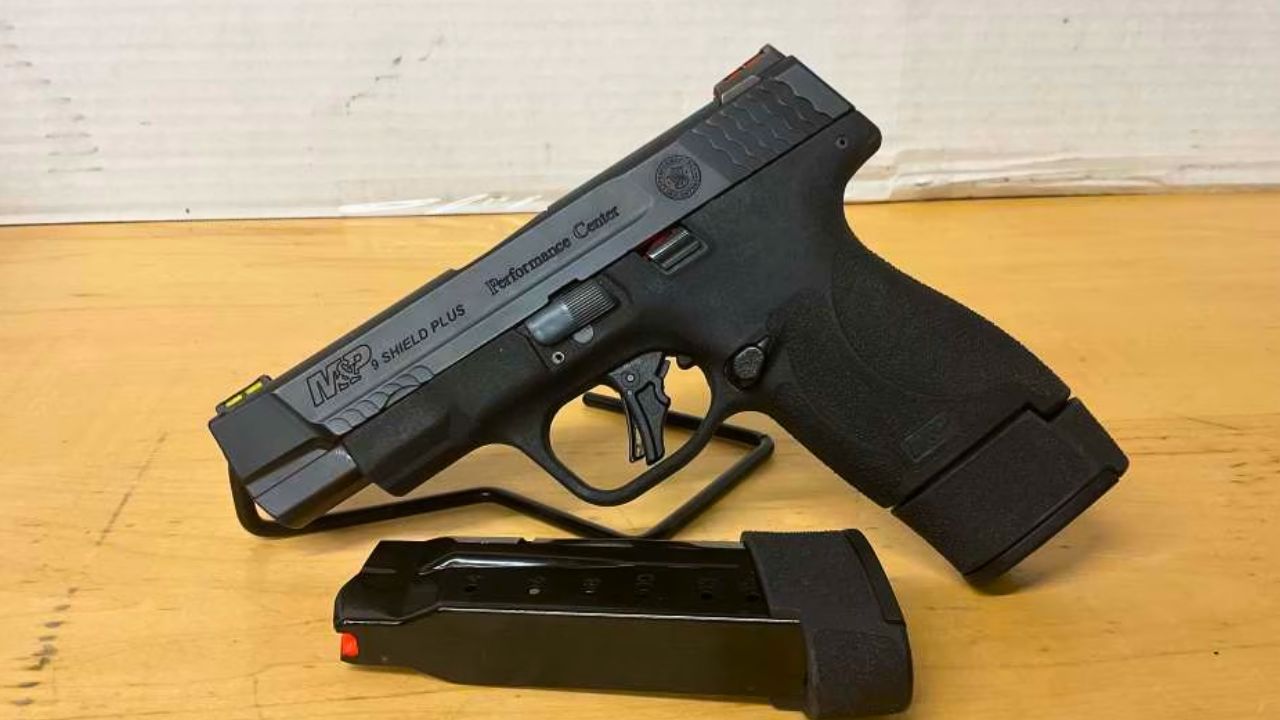
American Rifleman’s 2023 review covered the Shield Plus OR chambered in 30 Super Carry, showing that Smith & Wesson pushed the platform beyond standard 9 mm-only thinking. The review called the platform competent, easy to carry, and good to shoot.
That matters because it shows Smith & Wesson saw the Shield Plus as flexible enough to try newer carry calibers in, not just as a fixed 9 mm update.
14. The Shield Plus succeeded by changing the right things and leaving the right things alone
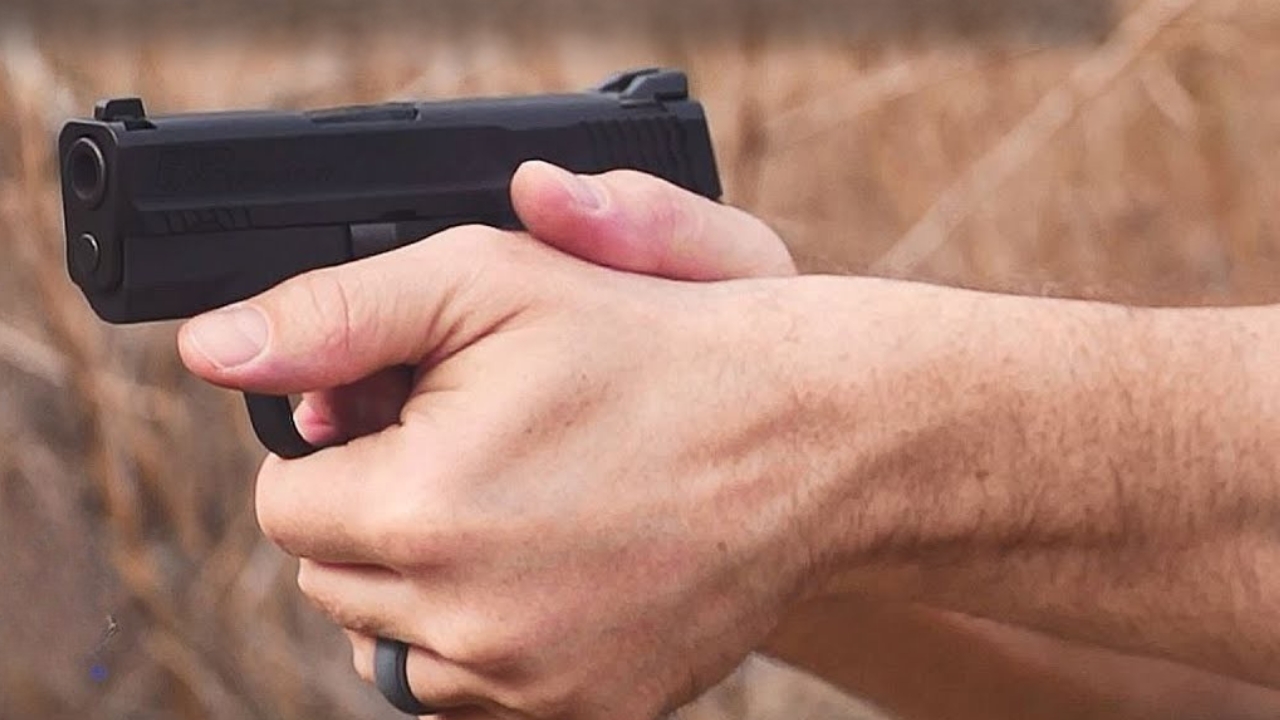
Looking across Smith & Wesson’s product pages and American Rifleman’s reviews, the formula is clear: more capacity, better trigger, optics-ready expansion, but the same familiar holster fit, general shape, and concealability.
That is a big part of why the gun worked. Smith & Wesson did not overcomplicate the update. It fixed the complaints most people actually had. That conclusion is an inference based on the repeated emphasis in both official and review coverage.
15. The Shield Plus was really the “mature version” of the Shield idea
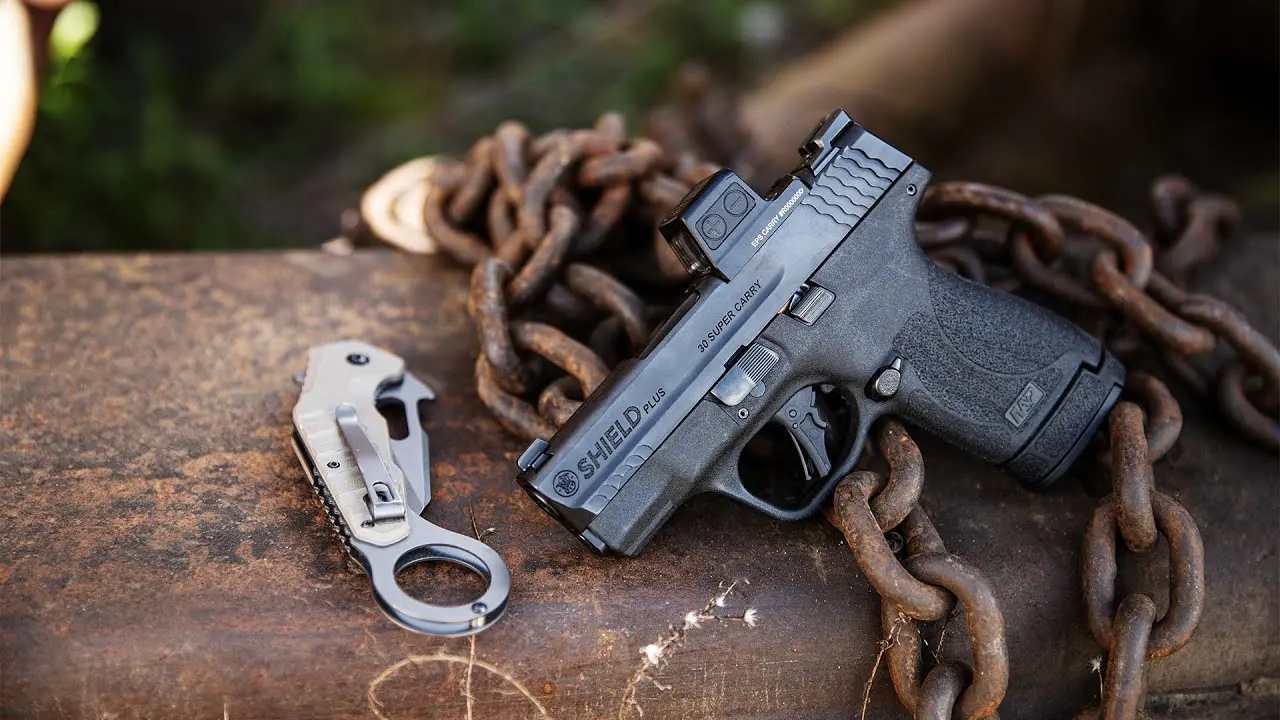
The most interesting thing about the Shield Plus is that it did not try to replace the Shield’s identity. It kept the slim, easy-to-carry form that made the original famous, then added the capacity, trigger quality, and modern optics support that the market increasingly expected. Smith & Wesson’s own pages and American Rifleman’s launch coverage point in exactly that direction.
That is why the Shield Plus still matters. It was not just a higher-capacity Shield. It was the version that made the Shield concept feel fully updated for the current carry-gun market.
Like The Avid Outdoorsman’s content? Subscribe to our newsletter so you never miss an article.
Here’s more from us: