Photo credit: Drake00 – CC BY-SA 3.0/Wiki Commons
When you look back at the handguns armies once trusted, you see a long trail of designs that didn’t hold up once real-world use exposed their flaws. Some were fragile, some were awkward, and some failed because battlefield conditions showed weaknesses the designers never planned for. Militaries don’t hang on to sidearms out of sentiment—they replace them when the shortcomings start costing lives, slowing training, or complicating logistics. When a service branch finally moves on, there’s usually a good reason behind it. As a shooter, studying those retired pistols gives you a clearer understanding of what makes a fighting handgun succeed today: durability, parts support, and a layout that works under stress. Here are fifteen designs that were phased out because their problems eventually outweighed their strengths.
Glisenti Model 1910
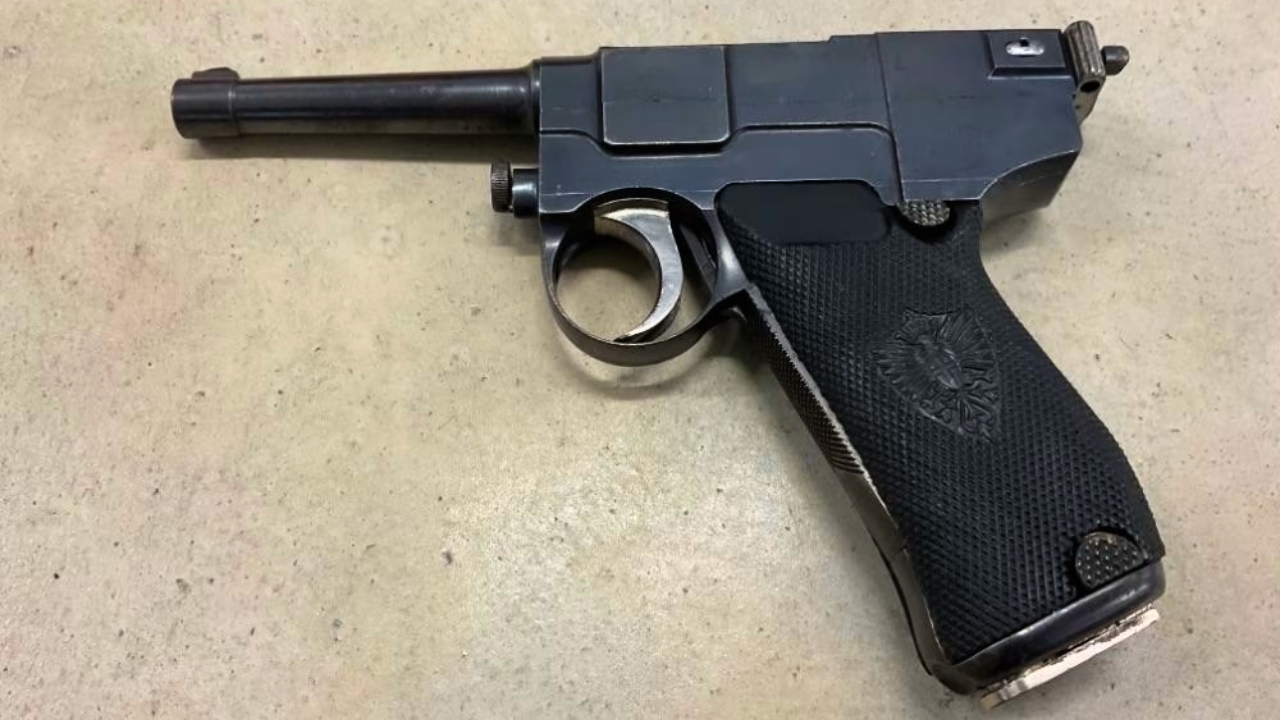
The Glisenti 1910 stayed in Italian service longer than it deserved, mainly because there wasn’t an immediate replacement ready. Its weak internal design couldn’t handle standard 9mm pressures, forcing Italy to use reduced-power ammunition. That decision alone tells you how fragile the pistol was. The locking system was overly complicated, and the action didn’t stand up to hard military use without frequent repairs.
In the field, soldiers complained about inconsistent reliability and finicky operation when dirt or moisture found their way inside. The grip angle also made it uncomfortable for many shooters, and accuracy suffered when the pistol loosened over time. Once sturdier designs became available, the shortcomings of the Glisenti stood out sharply, and the military moved on without hesitation.
French MAS Mle 1935A
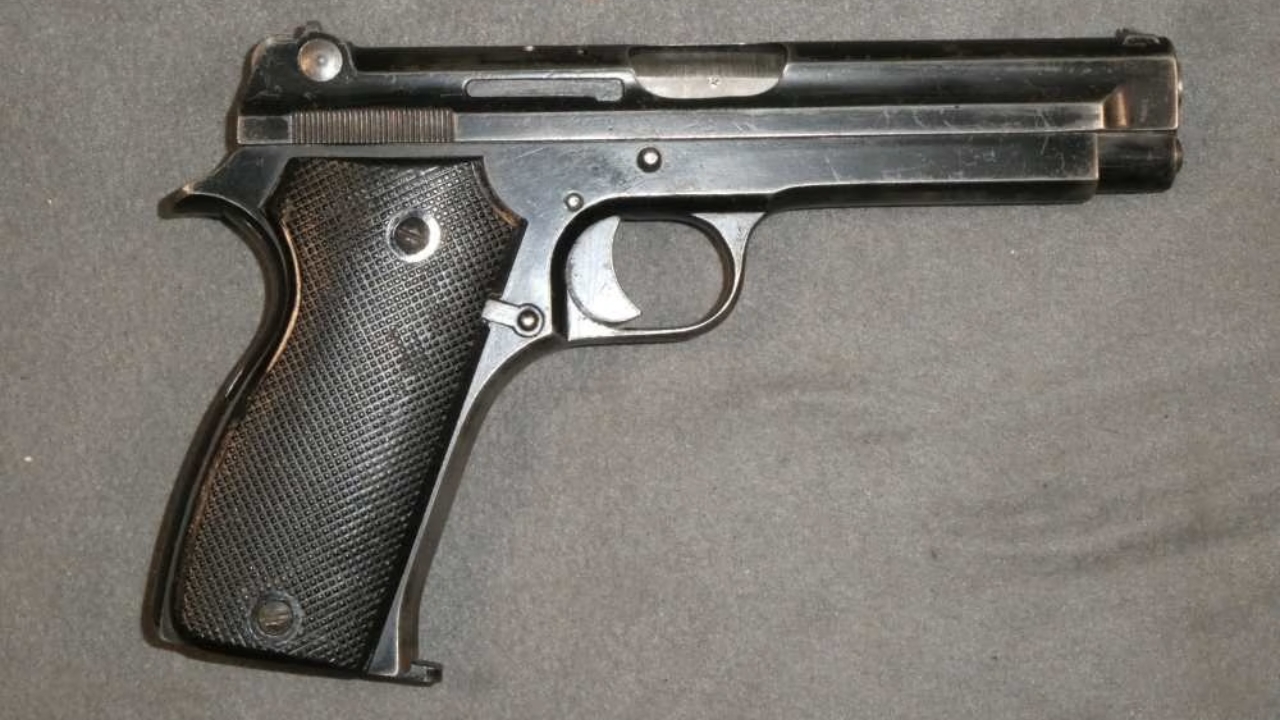
The 1935A served France for decades, but it had clear limitations. Chambered in 7.65 French Long, the pistol lacked stopping power compared to emerging service calibers. It was accurate and relatively smooth to shoot, but the cartridge never inspired confidence. Ammunition supply also became an issue, especially after the war when production slowed.
The pistol’s design didn’t age well as other nations moved to higher-capacity guns with simpler controls. Its small magazine and outdated ergonomics made it feel like a relic by the time modern semi-autos began setting new standards. When France transitioned to the MAC 50, the shift reflected the need for a more durable, powerful, and practical service sidearm.
Nambu Type 94

The Type 94 earned a notorious reputation, and much of it was deserved. The pistol had an exposed sear bar that could be unintentionally activated if pressed from the outside—a dangerous flaw in a military weapon. Even when handled properly, the gun had weak metallurgy, poor machining, and a habit of cracking under heavy use.
Its 8mm Nambu round wasn’t especially effective, and the grip shape made the pistol uncomfortable for many soldiers. Wartime production only made things worse as quality control plummeted. By the end of the war, the Type 94’s reputation was so bad that it became one of the most criticized service pistols ever issued.
British Webley Mk IV (Revolver Era Ending)
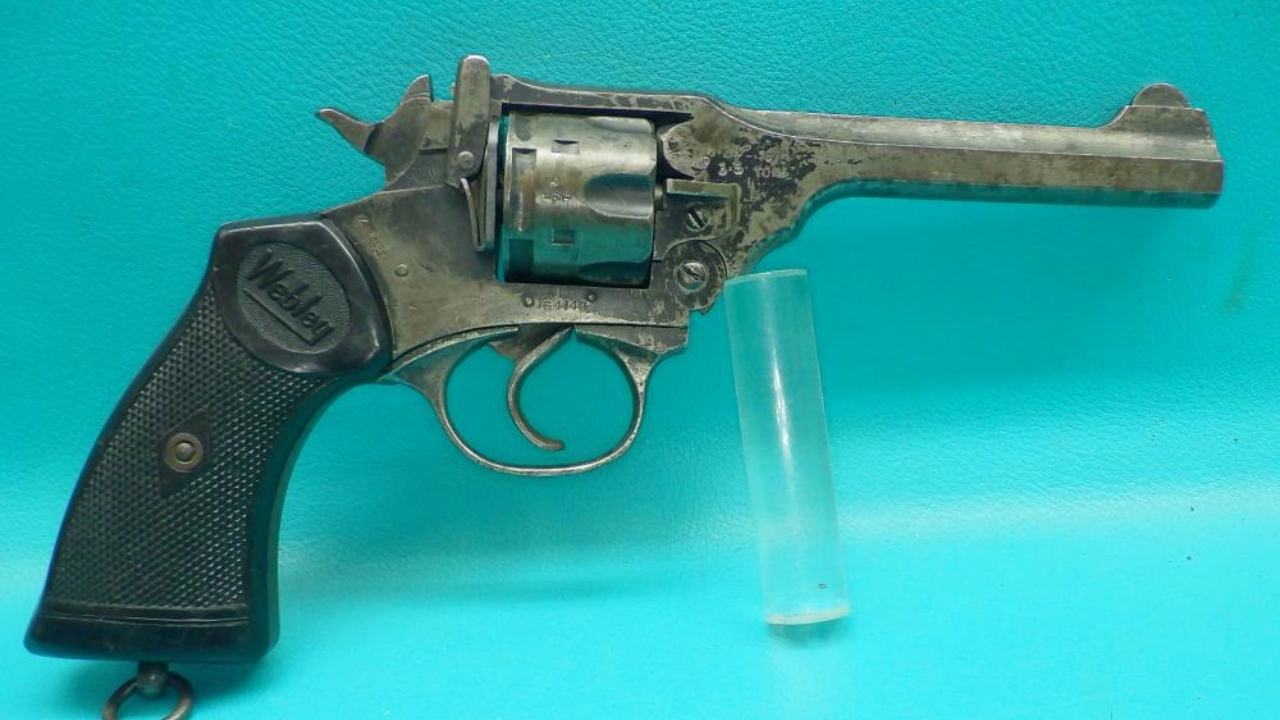
The Webley Mk IV and its predecessors served admirably for decades, but militaries eventually abandoned the break-top revolver pattern for practical reasons. The design limited what cartridges could be safely used, and the .38/200 round didn’t deliver the performance modern forces demanded. Reloads were quick for a revolver, but still much slower than emerging semi-autos.
The revolver simply couldn’t keep pace with the capacity, sustained fire, and logistics advantages of newer designs. As training needs changed and engagement distances grew more unpredictable, the drawbacks of the older revolvers became clear. Semi-autos became the standard, and the Webley line quietly left the stage.
Steyr M1912

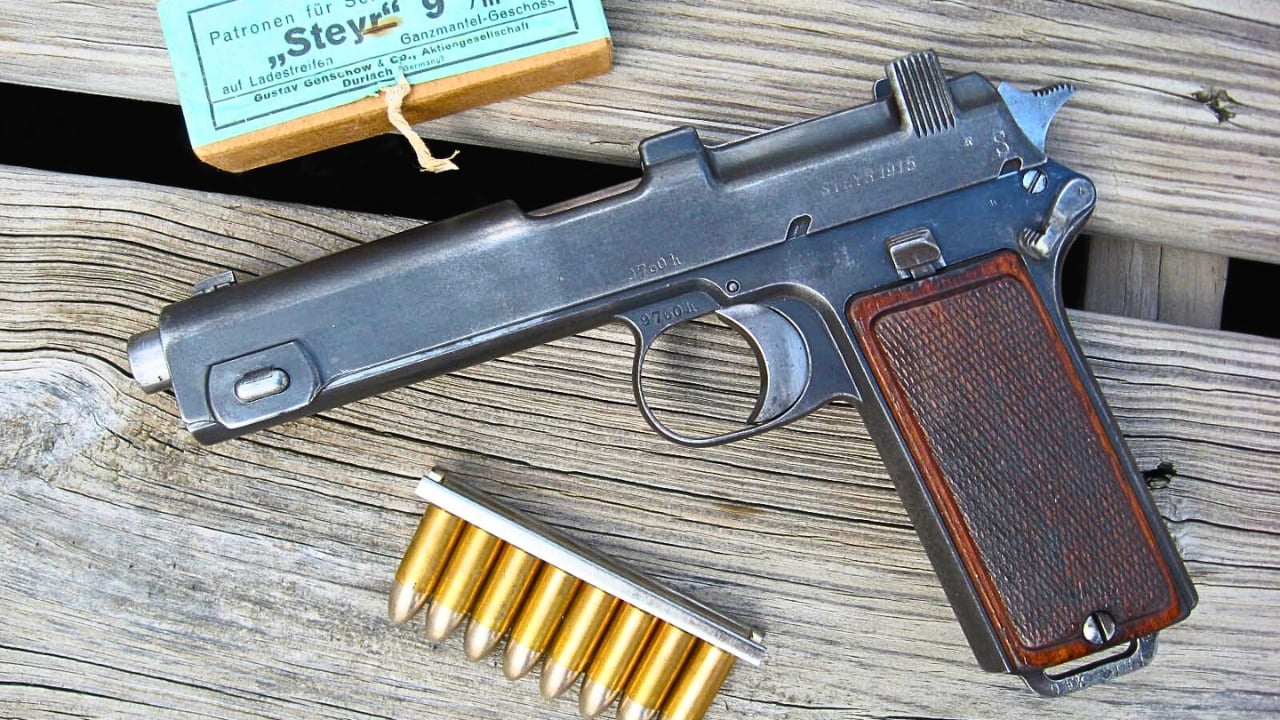
The M1912 was rugged and surprisingly reliable, but its fixed-magazine system was a burden in the field. Reloading with stripper clips slowed soldiers down, especially under stress or in poor lighting. As detachable magazines became the global standard, the M1912’s design aged quickly.
Its powerful cartridge and strong construction gave it some staying power, but logistics carried more weight than raw performance. Armies wanted simpler reloading and easier maintenance, and the M1912 couldn’t compete. Once Austria and other countries modernized, the pistol was retired because it no longer fit the demands of contemporary combat.
Soviet TT-33 Tokarev

The Tokarev served many nations, but its abrupt trigger feel, lack of a true safety, and sharp recoil made it unpopular with many soldiers. While it was reliable and accurate, its 7.62×25 cartridge produced a snappy impulse that some shooters struggled to control. The gun’s thin grip panels didn’t help comfort or confidence.
As militaries transitioned toward pistols with better ergonomics and safer handling features, the Tokarev’s shortcomings became harder to justify. Once the Makarov PM arrived with a simpler system, a safer manual layout, and easier training curve, the TT-33 saw its service life fade.
Beretta M1951
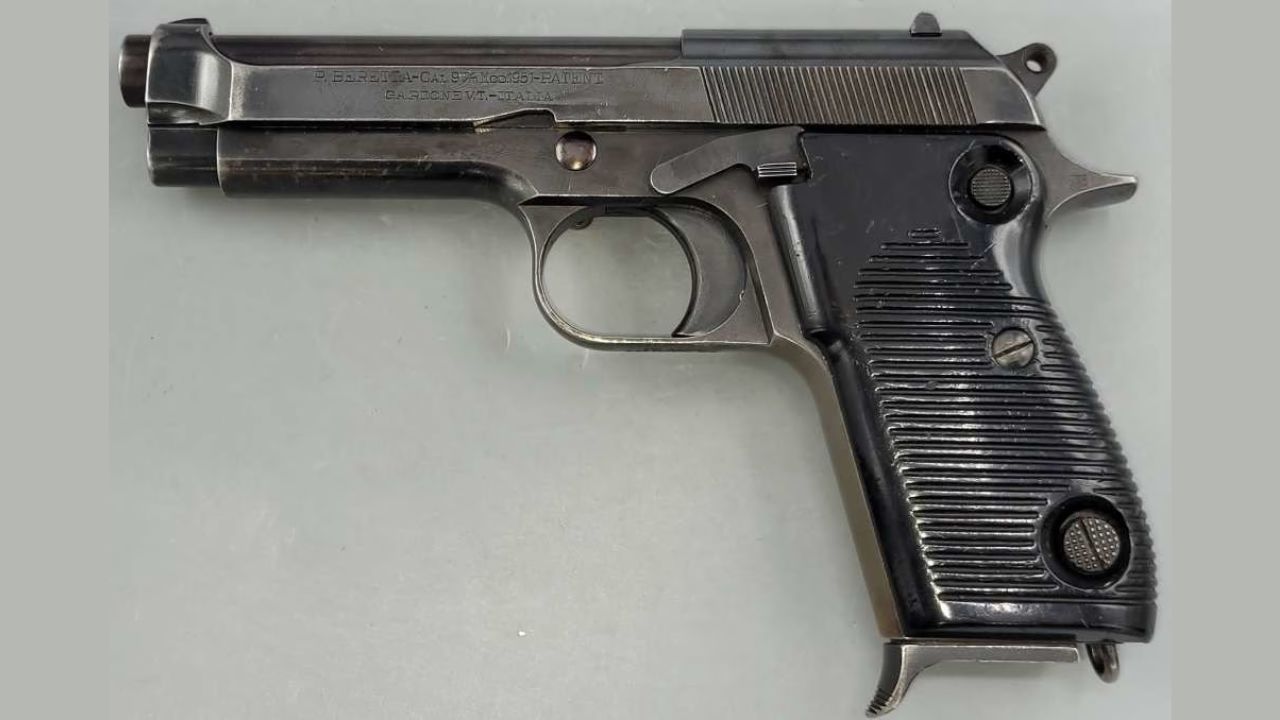
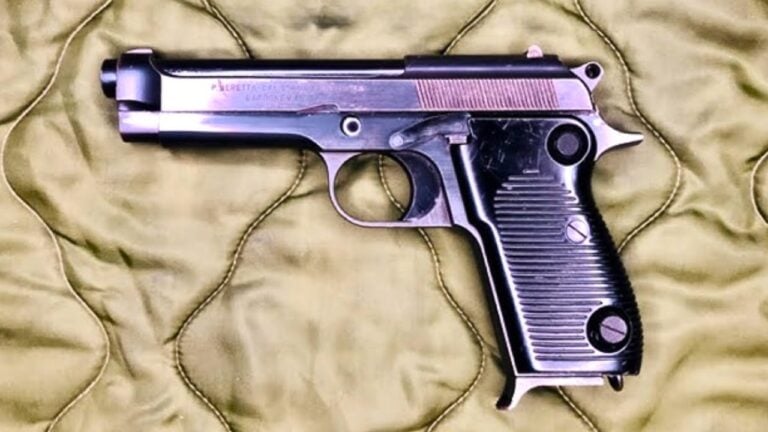
The M1951 was slim, lightweight, and reliable in many conditions, but the single-stack magazine and heel release made it slower to reload than emerging service pistols. Its locking system worked well, yet the safety placement and overall ergonomics didn’t match the evolving standards set by modern combat handguns.
Many militaries that adopted it eventually switched to higher-capacity pistols with ambidextrous controls and more intuitive safety arrangements. When the Beretta 92 series entered service, the M1951 became obsolete overnight, overshadowed by a platform that offered everything the older pistol lacked.
U.S. M1911A1 (End of Service Era)

The M1911A1 is beloved among shooters, but when the U.S. military transitioned away from it, the reasons were practical. Training troops on a single-action pistol with a manual safety took time, and the .45 ACP cartridge added weight to every loadout. Capacity was limited compared to new double-stack designs, and logistics favored NATO’s push toward a unified 9mm standard.
Mechanically, many service pistols were worn out, and keeping them operational required more time and parts than newer, simpler designs. The shift to the Beretta M9 wasn’t a statement against the 1911’s performance—it reflected the needs of a modern military adapting to new realities.
French MAC 50
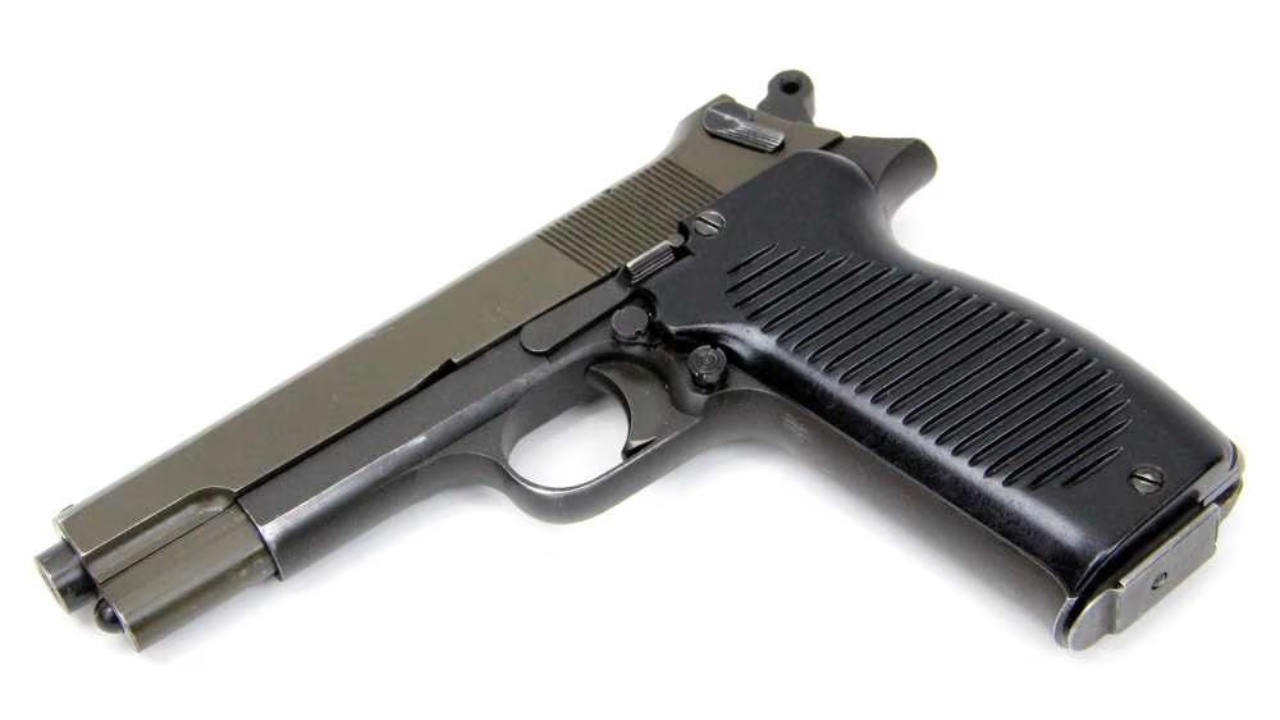
The MAC 50 replaced older French pistols, but it didn’t keep pace with modern expectations for long. Its single-stack design limited capacity, and the sharp recoil from its 9mm chambering made it feel harsher than many contemporary pistols. Breakages weren’t uncommon, especially in heavily used military stocks.
As other nations moved toward more ergonomic double-stack pistols with improved safety systems, the MAC 50 felt dated. France eventually adopted the Glock 17, and the difference in handling, durability, and capacity highlighted why the MAC 50 was retired.
British Browning Hi-Power (Service End)

The Hi-Power served with distinction worldwide, but militaries stepped away from it because the design stopped meeting the demands of modern training and accessory requirements. It lacked an accessory rail, the trigger often suffered due to the magazine disconnect, and its metallurgy from older production runs wasn’t suited for extensive high-round-count programs.
As polymer-framed pistols with simpler maintenance routines became the standard, the Hi-Power’s elegance couldn’t outweigh its limitations. Countries shifting to modern striker-fired pistols did so because the newer platforms were easier to train on, cheaper to maintain, and offered better durability.
Walther P38

The P38 was ahead of its time early on, but postwar militaries eventually needed more capacity, better ergonomics, and improved safety systems. The DA/SA setup worked well enough, yet the controls felt dated compared to modern layouts. Its eight-round magazine simply couldn’t compete with the firepower of new designs.
Wear and tear also became a problem for older service pistols, as locking blocks were known to fail after heavy use. When Germany transitioned to the P1 and later to polymer-framed pistols, the P38’s design limitations became increasingly clear.
CZ 52

The CZ 52 is remembered more for its unique roller-locking system than for its strengths in military service. Its brittle firing pins and slide components were prone to breakage, especially during dry-fire. The recoil impulse was sharp, and the grip angle felt awkward for many shooters.
While the gun was accurate and fired a potent cartridge, its durability issues and uncomfortable handling made it less ideal for general service. Once more conventional and reliable pistols became available, the CZ 52 quickly faded from military inventories.
Stechkin APS
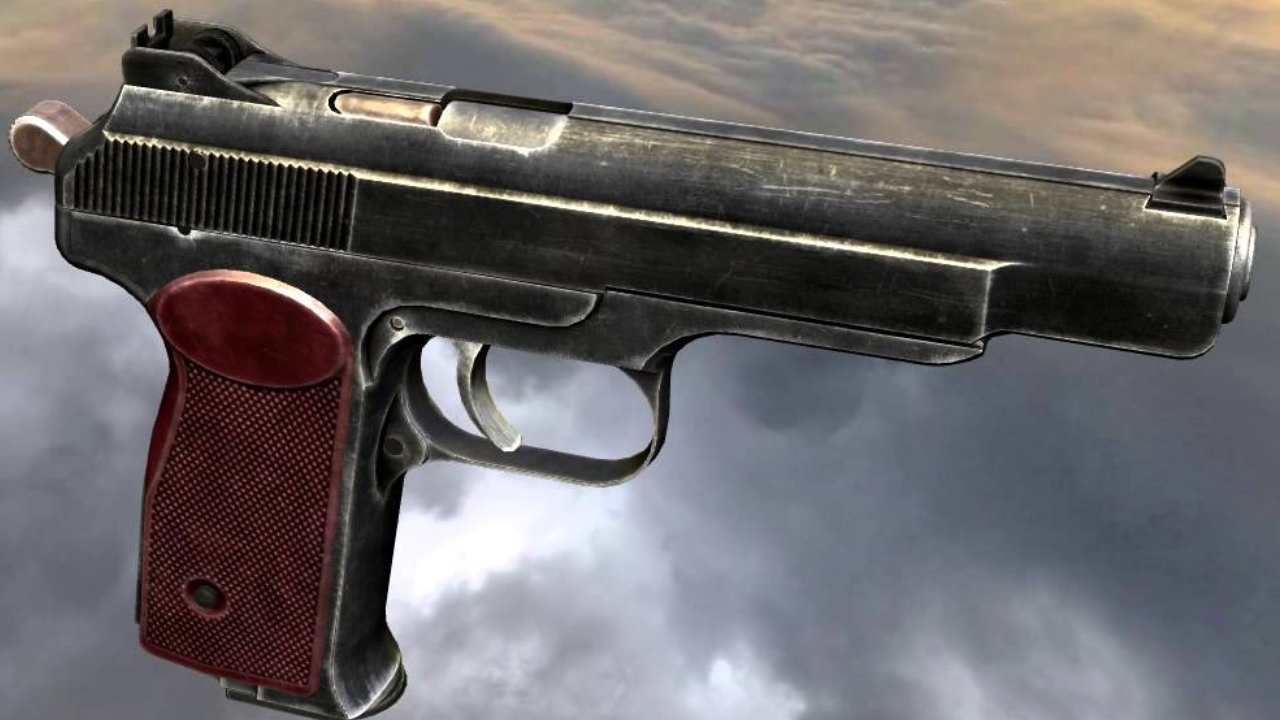
The APS was an interesting concept—a machine pistol intended to fill the gap between handgun and subgun. In practice, it was too bulky for sidearm use and too unwieldy in full-auto for most troops. The holster-stock looked clever on paper, but it added weight and complexity.
Reliability was decent, but not enough to justify the size and recoil management problems. Militaries soon realized that compact SMGs or modern pistols solved the same challenges far more effectively. The APS became a niche weapon rather than a practical service sidearm.
SIG P210 (Retirement Era)

The SIG P210 is one of the most accurate service pistols ever built, but militaries stepped away from it because it was expensive to manufacture and maintain. The finely fitted parts didn’t lend themselves to mass production, and training large forces with such a precise single-action platform wasn’t practical.
Capacity was also limited, and maintenance required more attention than simpler designs. Switzerland eventually replaced it with lighter, cheaper, higher-capacity pistols that better matched modern logistics. The retirement wasn’t a knock on its performance—it was simply too refined for large-scale military use.
Browning Model 1903
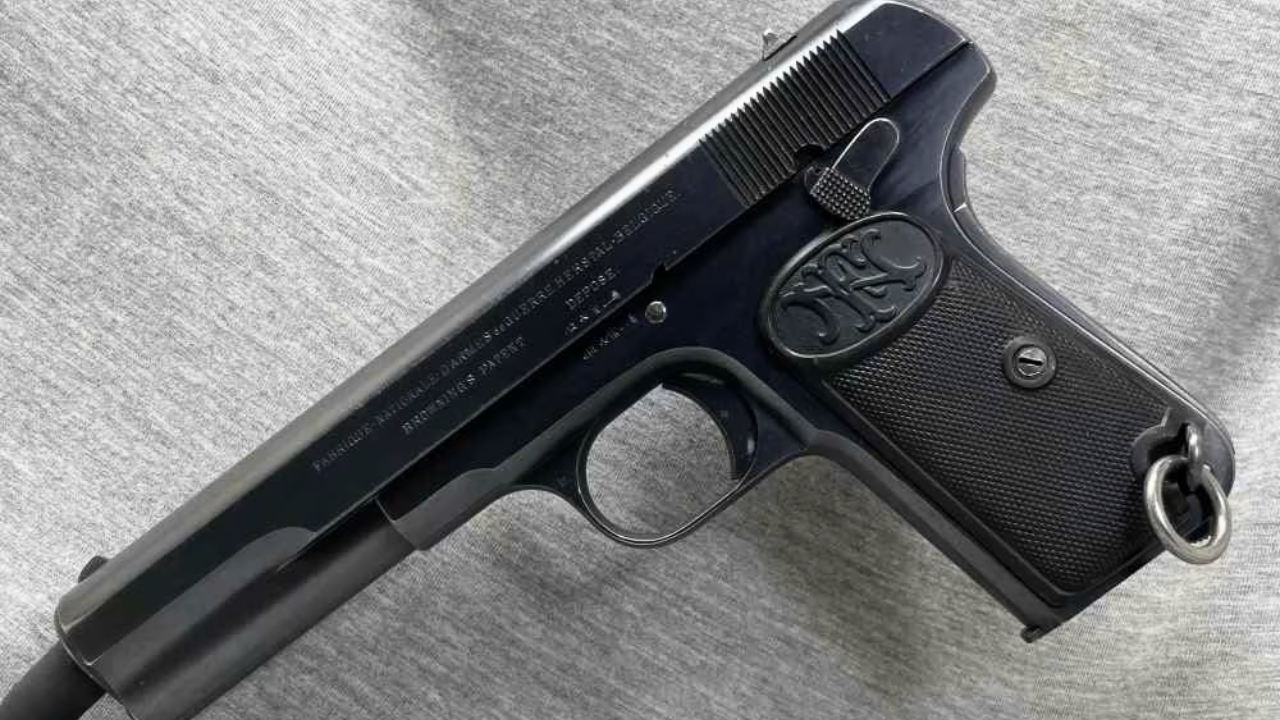
The Browning 1903 saw service across several nations, but the .32 ACP chambering and outdated safety layout made it less viable as handguns evolved. It was accurate enough and easy to carry, but it didn’t offer the power or features needed for modern combat environments.
As militaries increased their expectations for sidearm capabilities, the limitations of the 1903 stood out. Once more powerful and better-designed pistols were widely available, the 1903 quietly exited service because it couldn’t keep pace with the demands of the modern battlefield.
Like The Avid Outdoorsman’s content? Be sure to follow us.
Here’s more from us:
The worst deer rifles money can buy
Sidearms That Belong in the Safe — Not Your Belt
*This article was developed with AI-powered tools and has been carefully reviewed by our editors.