Photo credit: WHO_TEE_WHO/YouTube
Some handguns make you spend the whole range trip diagnosing instead of shooting. It’s not always because the gun is “bad.” A lot of times it’s a combo of tight timing, weak ammo, finicky magazines, small guns with stiff springs, and designs that don’t tolerate dirt or cheap rimfire well. But if you’re constantly clearing failures, you never get real feedback on your grip, trigger press, or sights. You’re just doing stoppage drills you didn’t ask for.
Here are 15 handguns that have a real reputation for turning practice into troubleshooting—especially when they’re new, dry, dirty, or fed bargain ammo.
Walther CCP

The CCP is a smart idea on paper, but it can be a picky pistol in the real world. The gas-delayed setup can be more sensitive to ammo power and cleanliness than most shooters expect from a carry-style gun. When it’s running, it can feel smooth. When it’s not, you’ll see failures to feed, weak ejection, and “why is the slide not doing what it should” moments that kill your range time.
A lot of CCP frustration comes from people treating it like a basic striker gun. It’s not. It demands maintenance, it tends to care about ammo, and it’s less forgiving when it gets dry or dirty. If you’re trying to burn cheap practice ammo and focus on groups, it can drag you into malfunction chasing fast.
SIG Sauer Mosquito

The Mosquito has been “that gun” for a long time. It can be fun, but it’s also famous for ammo sensitivity and stoppages unless you feed it what it likes and keep it clean. Rimfire pistols already live on thinner margins, and this one shows it. If you run bargain bulk .22, it can turn into a jam generator, especially as the gun gets dirty.
The worst part is it messes with your training rhythm. You’ll start gripping differently, anticipating failures, and your shooting goes sideways even when it does fire. Some Mosquitos can be made to behave with the right ammo and maintenance. But if your goal is consistent reps and honest group work, it’s not always the easiest platform.
Walther P22

The P22 is another rimfire pistol that gets a lot of owners chasing reliability instead of accuracy. It can be very picky about ammo, and it can get sluggish as fouling builds up. Weak bulk ammo, inconsistent primers, and a dirty gun is the perfect recipe for constant failures to feed and failures to eject. That turns a “practice day” into a clearing drill.
If you own one, you can improve things by running hotter ammo, keeping the gun cleaner than you think you need to, and using good magazines. But if you’re trying to shoot a brick of cheap .22 and focus on groups, the P22 can hijack your entire session with stoppages.
GSG FireFly

The FireFly can be fun, but it’s also known for being ammo picky and sensitive to maintenance. Rimfire guns already demand good magazines, decent ammo, and regular cleaning. The FireFly often demands all three at once. When it’s not happy, you’ll see failures to feed, failures to eject, and inconsistent cycling that makes it hard to shoot a clean string.
What frustrates people is the “it runs for a mag, then it doesn’t” behavior. You’ll think you fixed it, then the next box of ammo proves you didn’t. If you want a rimfire trainer that lets you focus on fundamentals, this one can pull you into the weeds unless you’re willing to baby it.
Taurus PT709 Slim

The PT709 Slim is easy to carry and easy to buy, and a lot of them have lived in pockets and gloveboxes. The problem is they can be inconsistent across examples, and when you get one that’s picky, you’ll spend a lot of time chasing feeding and extraction issues. Magazine condition matters a lot here, and many used PT709s are running tired mags and springs.
You also see people run cheap, low-powered ammo and then act surprised when the gun short-strokes or ejects weakly. Small, light pistols don’t have much margin. When the PT709 is good, it’s fine. When it’s not, it can eat your range day with “one more thing to try” instead of clean group work.
Taurus PT145 Millennium Pro

Compact .45s can be touchy, and the PT145 has a long history of owners reporting reliability problems that often trace back to magazines, spring timing, and general wear. When it starts acting up, it’s rarely one clean, easy-to-fix issue. It can be a mix of feeding quirks, occasional failures to return to battery, and inconsistent ejection that makes it hard to trust your reps.
This is the kind of gun where a shooter can do everything right and still spend half the session clearing stoppages. If you’re trying to build skill, that’s brutal. Some owners have examples that run fine. Plenty don’t. And that “maybe it’ll run today” feeling is exactly what turns practice into malfunction chasing.
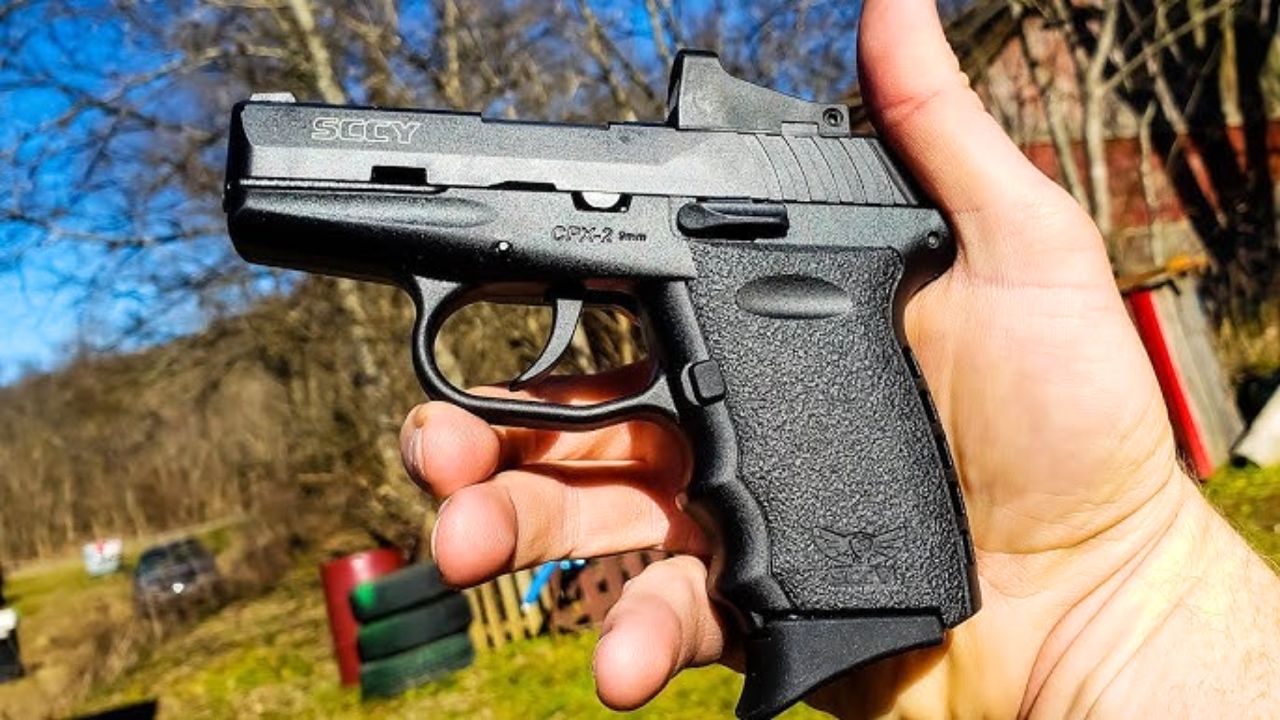
SCCY CPX-2

The CPX-2 is a budget carry pistol, and that price point often comes with tradeoffs in consistency from gun to gun. Many run fine. Some are picky about ammo and magazines, and when they’re picky, you’ll see failures to feed and occasional ejection weirdness that interrupts every drill. That’s hard to ignore when you’re trying to work on speed and precision.
A common problem is that people buy a CPX-2, barely practice, and then the first real “hundreds of rounds” day exposes what the gun likes and doesn’t like. If you get one that’s finicky, it doesn’t quietly fail—it makes you stop constantly. That’s what makes it a “chase malfunctions” gun for many owners.
Kimber Micro .380

The Micro .380 looks like a classy little carry gun, but small .380s are often less forgiving than people expect—especially with cheap ammo and less-than-perfect magazine tuning. When these pistols get picky, you’ll see nose-dives, failures to return to battery, and extraction issues that show up randomly enough to make you doubt everything you’re doing.
The frustration is that the gun can run great with your carry load and still be annoying with cheap practice ammo. That creates a training problem, because most people practice with the cheap stuff. If your Micro .380 is one of the fussy ones, you can spend an entire session experimenting instead of building consistent skill.
Springfield 911 .380

The 911 .380 is another small, 1911-ish .380 that can be a solid carry tool, but it can also be finicky depending on ammo, magazines, and how well the gun is broken in. Small pistols with short cycles and stiff springs can be unforgiving. If you get one that’s picky, you’ll see feeding issues that come and go, which is the worst kind of problem to chase.
This is also a pistol that owners often don’t shoot a lot. Then when they finally do a serious practice day, the gun heats up, gets dirty, and starts showing preferences. If you’re trying to tighten groups and build speed, having the gun “maybe run, maybe not” kills productive training.
Ruger LCP

The original LCP is a classic pocket gun, and plenty of them work fine for what they are. But a lot of shooters have had LCPs that are ammo sensitive, magazine sensitive, or just less tolerant of being dry and dirty. When a tiny .380 starts choking, it’s usually because the system has very little extra energy to work with—and cheap ammo or a dry gun can push it over the edge.
The real-world issue is that LCPs get carried a ton and shot less than they should. That means spring age and magazine condition can sneak up on you. If your LCP starts acting up, you’ll waste your session testing ammo, cleaning, and swapping mags instead of shooting groups and improving your fundamentals.
Diamondback DB380

Small Diamondback pistols can be hit or miss depending on the exact gun, and the DB380 has a reputation for being less forgiving than many people want in a carry pistol. When it’s not happy, you can see failures to feed, failures to eject, and general cycling issues that make your session feel like a mechanical test instead of practice.
The problem is that this is the kind of pistol people buy because it’s compact and affordable. Then they want it to run any ammo, any day, with minimal maintenance. That’s not always how it goes. If you end up with a picky DB380, you’ll spend more time clearing and diagnosing than actually shooting for accuracy.
Kel-Tec P-11

The P-11 has been around forever, and it’s earned its place as a small, simple carry option for some people. It’s also known for being rough around the edges in terms of shootability and sometimes reliability—especially with weak ammo, worn magazines, or guns that are just tired. When it’s running poorly, you get intermittent issues that feel random, which is exactly what ruins a training session.
A lot of P-11s have lived long lives, and long lives mean springs and mags matter. If you grab a used P-11 and try to run a high-volume day, it can turn into a troubleshooting lesson. That’s not what you want when you’re trying to tighten groups and build consistency.
Kel-Tec P-17

The P-17 is a fun .22 concept—light, high capacity, cheap to feed—but rimfire reliability is always a factor, and the P-17 can show that fast with bulk ammo. Fouling builds, ammo varies, and suddenly you’re clearing failures to fire and failures to eject more than you’re shooting. That’s normal in rimfire land, but some guns handle it better than others.
If you’re using it as a trainer, you’ll want to test ammo brands and stick to what runs. If you treat it like “any .22 will work,” your range time can get hijacked by stoppages. When you’re trying to shoot groups, a rimfire that constantly interrupts you is a bad deal.
AMT Backup

The AMT Backup is one of those old-school deep carry guns that can be cool to own, but it’s not always a relaxed range companion. Older designs like this can be sensitive to springs, magazines, and ammo profiles, and many examples out there have unknown history. That’s how you end up chasing failures to feed, inconsistent extraction, and strange cycling behavior.
The hard part is that replacement parts and magazines aren’t always as simple to source as modern pistols. So you’re not just clearing malfunctions—you’re also figuring out how to keep the gun running long-term. If your goal is productive practice and consistent groups, old pocket guns like this can become more “project” than “tool.”
Para-Ordnance Warthog (compact .45 1911)

Compact .45 1911s can be great, but they’re often less forgiving than full-size guns. The Warthog is a classic example of a small .45 that can be picky about magazines, extractor tuning, spring timing, and ammo shape. When it’s right, it can run. When it’s off, it can turn into a constant feed/extract problem that keeps you from ever settling into consistent shooting.
This is also a platform where owners tend to experiment—different mags, different springs, different ammo—because they’re trying to “solve it.” That’s how you burn range days without getting better at shooting. If your pistol demands constant tuning just to behave, you’re chasing mechanics, not building skill.
Like The Avid Outdoorsman’s content? Subscribe to our newsletter so you never miss an article.
Here’s more from us: