Photo credit: The Hunting Gear Guy/YouTube
A rifle can have the right barrel, the right stock, and the right chambering, but a bad trigger will drag the whole thing down. When a trigger is heavy, gritty, or unpredictable, your confidence takes a hit long before you step into the woods. It forces you to fight through the break instead of easing into it, and that’s where accuracy starts to slip. A clean trigger doesn’t make you a better shooter, but it lets you use the skill you already have. Some rifles would be absolute standouts if the factory had spent a little more time on the trigger. Instead, they leave you wrestling with a pull that ruins groups, follow-up shots, and consistency. These are rifles that deserved better but suffered because of a single component most hunters notice the moment the bolt closes.
Remington 770

The Remington 770 has always struggled with its trigger, even before shooters begin talking about the plastic stock or rough bolt feel. The factory trigger pulls heavy, often well above what most hunters prefer, and it doesn’t break clean. Instead of a crisp release, you get a long, spongy pull that makes steady shots much harder than they need to be. When you’re trying to settle on a buck slipping through an opening, that lack of predictability becomes a real liability.
With decent accuracy potential locked behind a poor trigger, the 770 never gets the credit it might have earned with a better design. Many hunters who try to shoot tighter groups with it find themselves fighting the pull more than focusing on their form. A simple trigger upgrade transforms the rifle, which shows how much the factory setup held it back.
Mossberg ATR

The Mossberg ATR was an affordable rifle aimed at new hunters, but the trigger made it tough to shoot well. The pull is notoriously inconsistent—sometimes heavy, sometimes gritty, and almost always lacking a clean break. Even shooters with solid technique find themselves over-pressing or jerking through the final millimeter.
The rifle’s barrel and action aren’t bad for its price, but the trigger keeps you from getting the most out of that potential. In the field, you want to trust the moment the trigger breaks. With the ATR, that moment is often a surprise, and not in a good way. The rifle becomes far more usable once the trigger is replaced, proving the rest of the package was never the problem.
Savage Axis (Original Trigger)

Before Savage updated the Axis line, the original factory trigger made the rifle harder to shoot than it should have been. The pull was heavy, commonly pushing past six pounds, and the break felt mushy. That’s tough to work around when you’re trying to hold steady on a small opening in the brush.
Despite the heavy trigger, the Axis had accuracy potential thanks to a serviceable barrel and action. But many shooters never experienced that accuracy without swapping the trigger. The rifle’s reputation suffered early because the trigger didn’t match what hunters needed. Aftermarket options helped tremendously, but the damage was already done for many who tried the first-run versions.
Ruger American (Early Production)

The Ruger American is a solid, reliable modern deer rifle, but the earliest production triggers were inconsistent. Some rifles shipped with heavy pulls, others felt gritty, and a few had unpredictable breaks. None of those traits make shooting from awkward hunting positions any easier.
Ruger eventually improved the system, and newer rifles are much better. But the early examples showed how quickly a bad trigger can overshadow an otherwise excellent design. Hunters who tried those first-run rifles often complained that they couldn’t group well from field positions. When the trigger doesn’t break the same way twice, your confidence drops with it.
Remington 710

The Remington 710 is remembered for many things, but the trigger is one of the biggest complaints. It’s extremely heavy, often inconsistent, and rarely offers a clean break. Even bench shooters struggle to coax tight groups out of the rifle because they’re fighting the pull every time they settle in.
In the woods, the trigger becomes an even bigger problem. Trying to ease into the break while wearing gloves or shooting offhand is frustrating. The rifle had potential as a budget option, but the trigger turned many hunters away from Remington’s early attempt at an entry-level bolt gun.
Marlin XL7 (Pre-Pro-Fire Trigger)
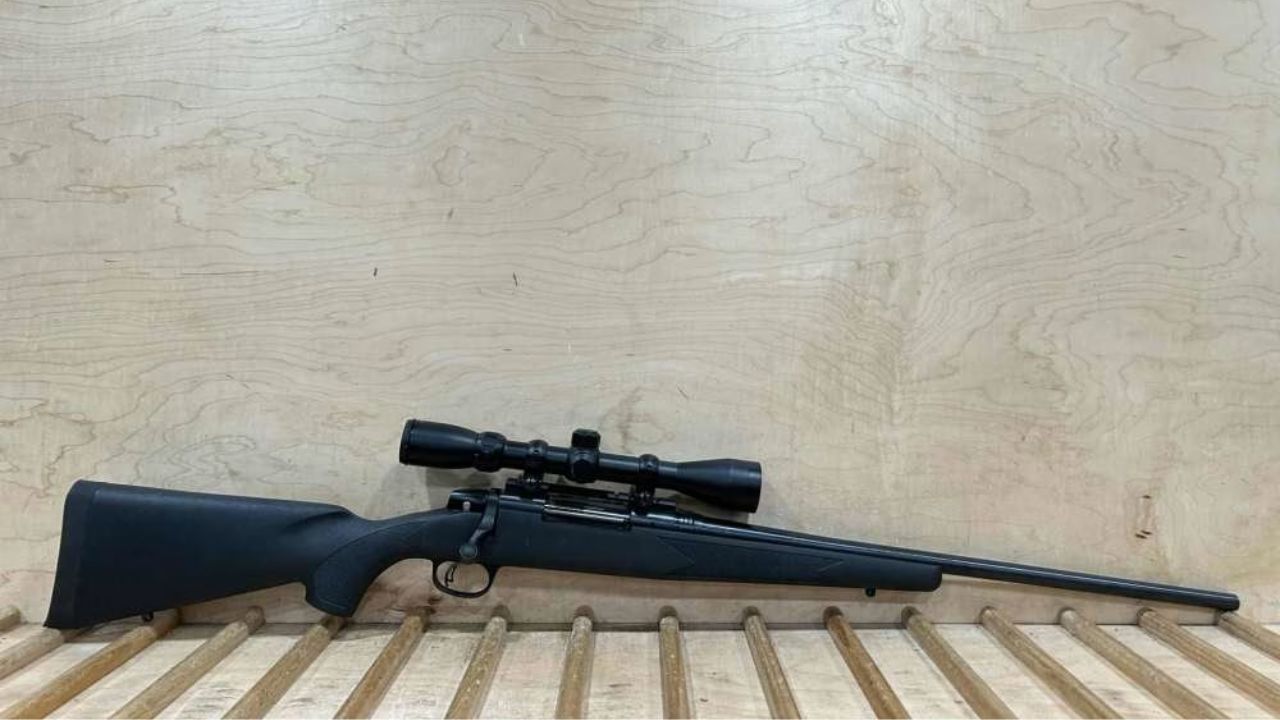
Before Marlin introduced the Pro-Fire trigger, the XL7 line dealt with an unpredictable pull that held the rifle back. The weight varied from rifle to rifle, and the break wasn’t as crisp as hunters wanted. While the barrel quality and action were respectable, the trigger was the weak point.
A bad trigger magnifies small mistakes, and that’s exactly what happened with early XL7 models. Shooters found themselves pulling shots wide or struggling to predict the break. With an upgraded trigger, many XL7 rifles shot far better—proof that the factory setup was the problem, not the platform itself.
Howa 1500 (Older HACT-less Versions)

Modern Howa rifles benefit from the HACT trigger, which is excellent. But older models without that system often came with stiff, gritty pulls that didn’t match the rifle’s accuracy potential. Many hunters were surprised to find that the rifle grouped poorly until they replaced the trigger or lightened it through a careful adjustment.
Given Howa’s reputation for smooth actions and strong barrels, those early triggers held the rifle back more than most people expected. You could feel the wall, then hit a slight creep, then finally break through it—all at weights that were too heavy for comfortable field shooting.
Winchester Model 70 (Post-64 Economy Variants)
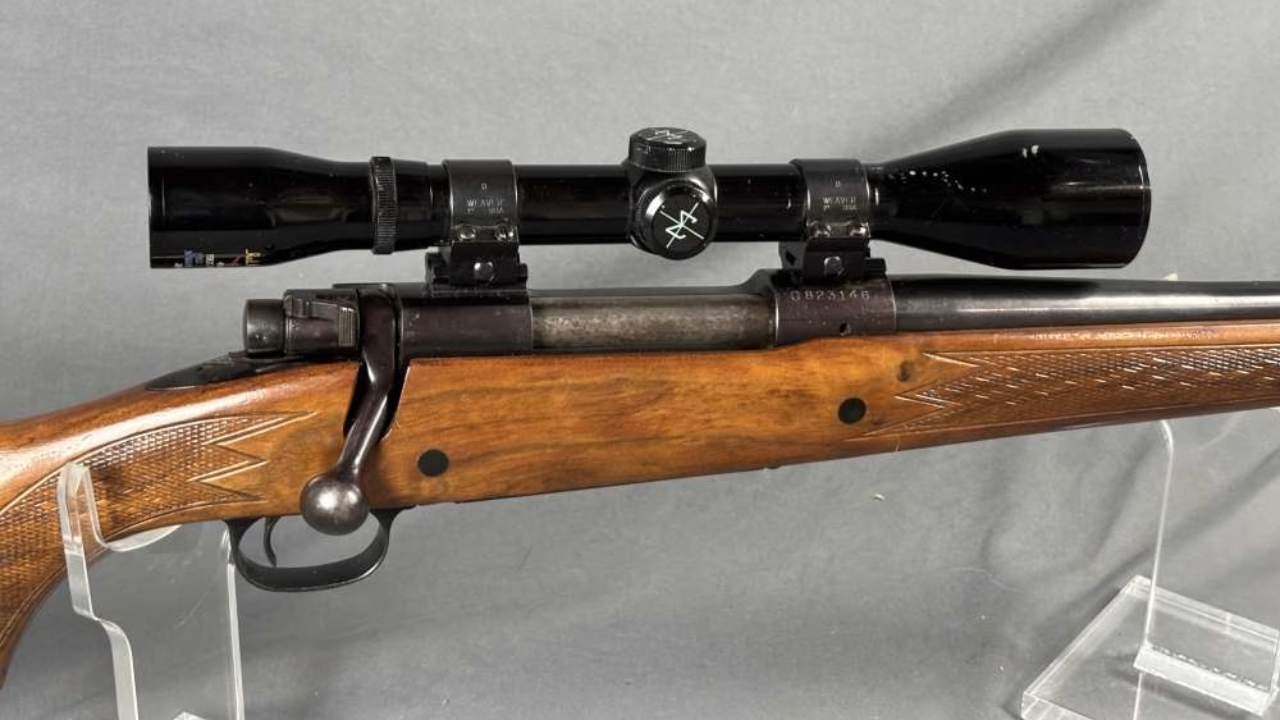
While many Model 70s are legendary for their triggers, the post-64 economy variants suffered from inconsistent pull weight and rough break quality. These rifles weren’t built to the same standard as the flagship models, and the trigger showed it. Some broke heavy, others had noticeable creep, and few felt truly predictable.
A rifle with the Model 70 name deserves a trigger you can trust, but these versions fell short. Many hunters who brought one into the deer woods found themselves working twice as hard to shoot well. Once tuned or replaced, the rifles performed, but the factory setups didn’t give them a fair chance.
Remington Model 770 Youth
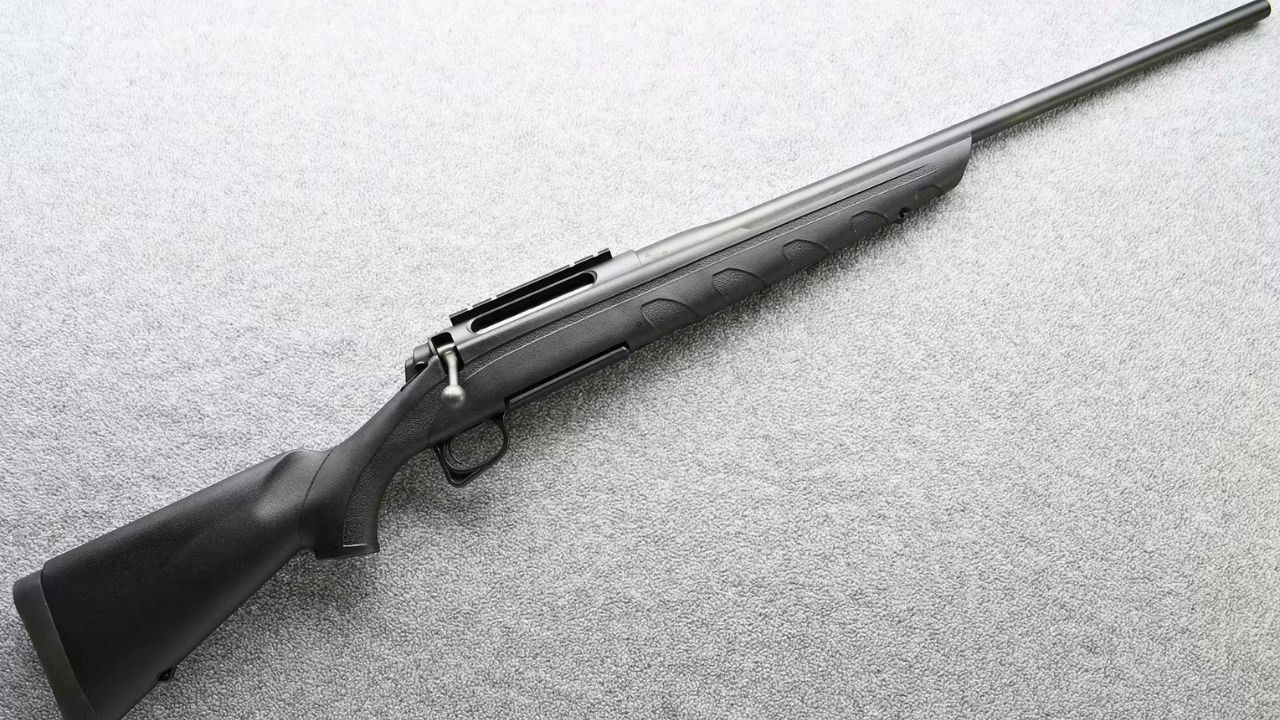
The youth version of the 770 faces the same trigger problems as the standard model, and in many ways it’s worse because new shooters are especially affected by heavy, unpredictable pulls. Instead of building confidence, the trigger often makes shooting feel harder than it needs to be.
A youth rifle should encourage good form and consistency. Instead, this trigger teaches bad habits—punching the pull or yanking through it—because it’s so difficult to press cleanly. Many families discovered that once the trigger was replaced, young hunters suddenly started shooting much tighter groups.
Weatherby Vanguard (Older Factory Trigger)

Before Weatherby updated the Vanguard trigger, the older versions were known for being heavy and sometimes inconsistent. Even rifles with good barrels and quality craftsmanship struggled because shooters couldn’t predict exactly when the break would happen.
For a rifle marketed as a step above basic budget models, that trigger held it back. The Vanguard platform is capable of excellent accuracy, but the factory trigger on those older rifles made it hard to tap into that potential. The newer triggers are far better, but the earlier versions earned the rifle some unfair criticism.
Mossberg 4×4
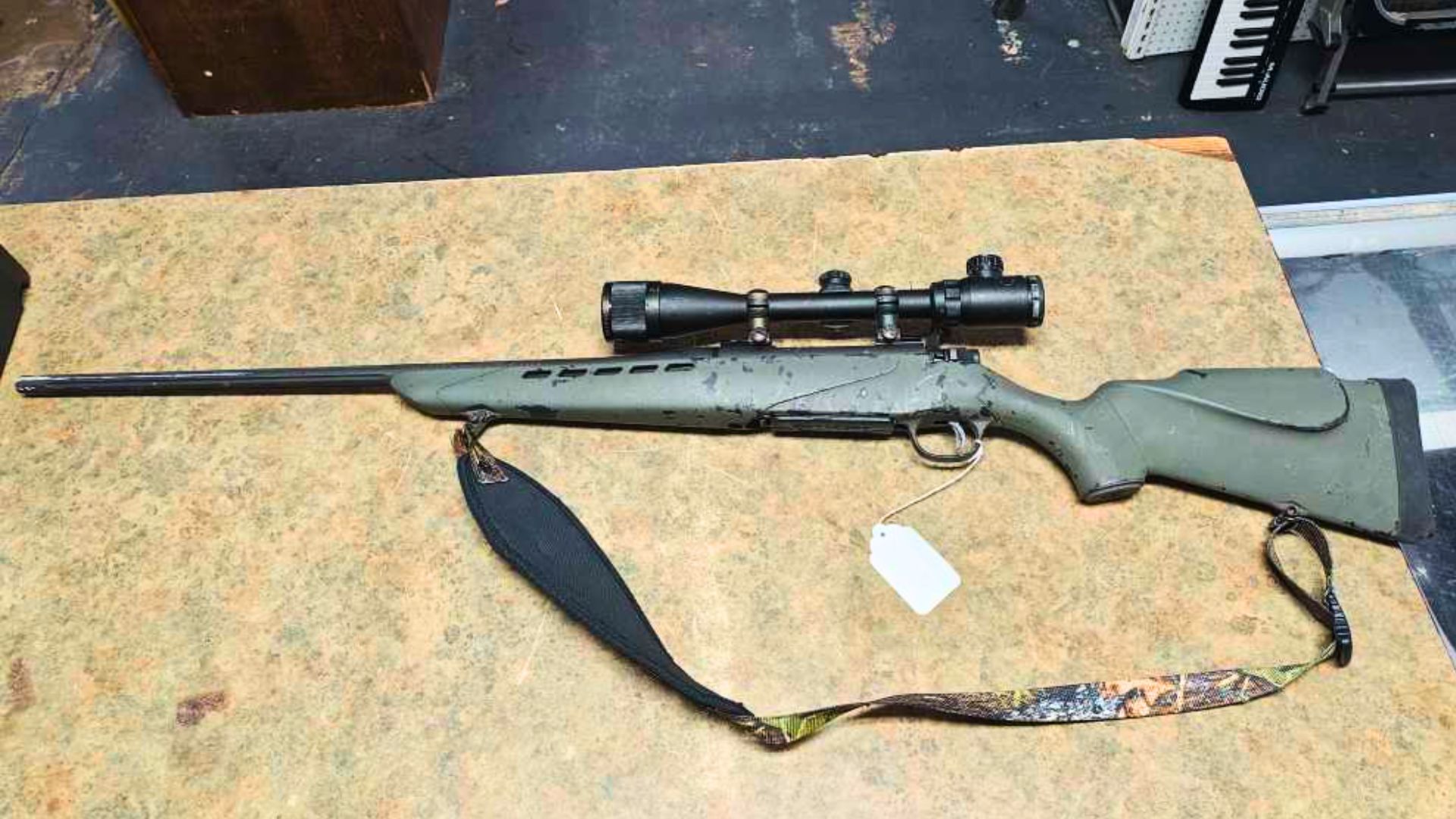
The Mossberg 4×4 had a lot going for it: unique styling, good barrel options, and competitive pricing. Unfortunately, the trigger was one of its biggest weak points. The pull weight often came in heavier than expected, and many rifles had a noticeable, gritty creep before the break.
This made shooting from standing or kneeling positions especially tough. Hunters found themselves working too hard to keep the sights steady through the pull. With an aftermarket trigger, the rifle performed surprisingly well, revealing how much the stock trigger had limited it in the first place.
Savage 111 (Pre-AccuTrigger)
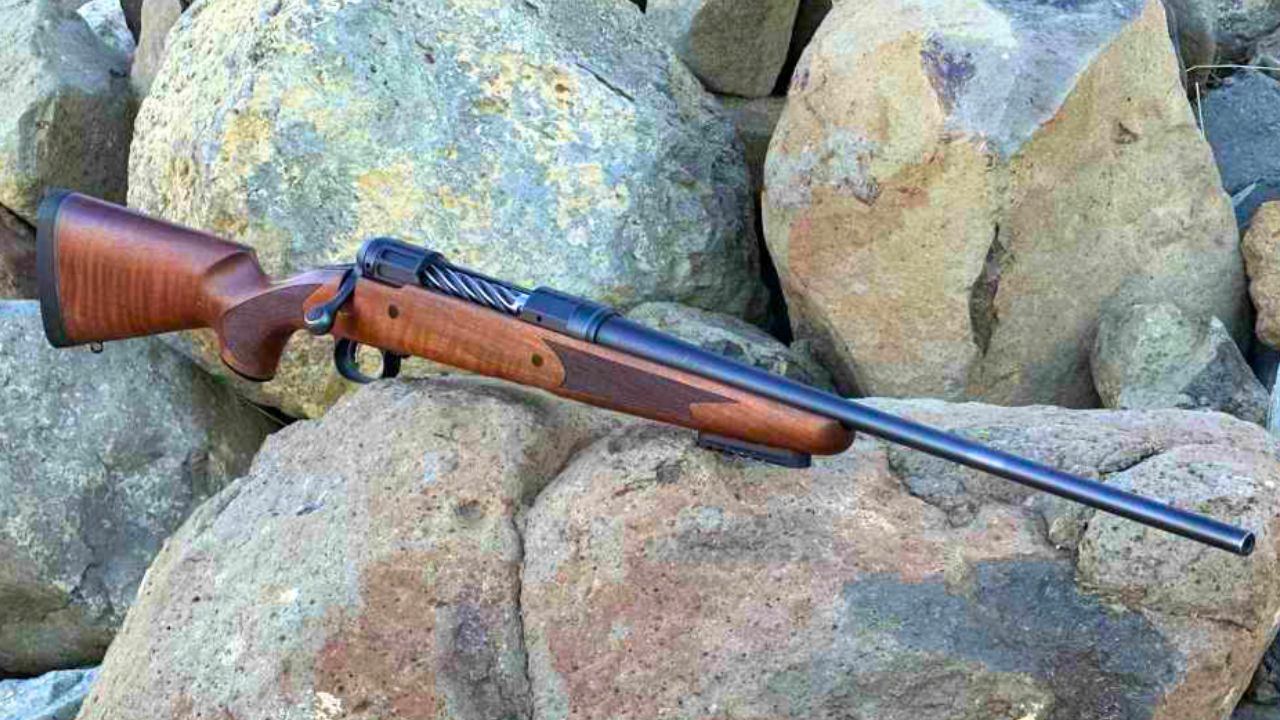
Before Savage introduced the AccuTrigger line, their factory triggers were known for being heavy and inconsistent. Many models, including the 111, suffered from pulls that hovered on the high end of acceptable weights. Add in some creep, and the trigger held back what was otherwise a capable rifle.
The 111 became a different animal once Savage released the AccuTrigger system, but the earlier rifles needed help. Shooters who upgraded the trigger discovered the rifle could shoot far better than they initially believed. The old trigger was the one major flaw in an otherwise dependable hunting rifle.
Tikka T3 (Early Heavy Versions)
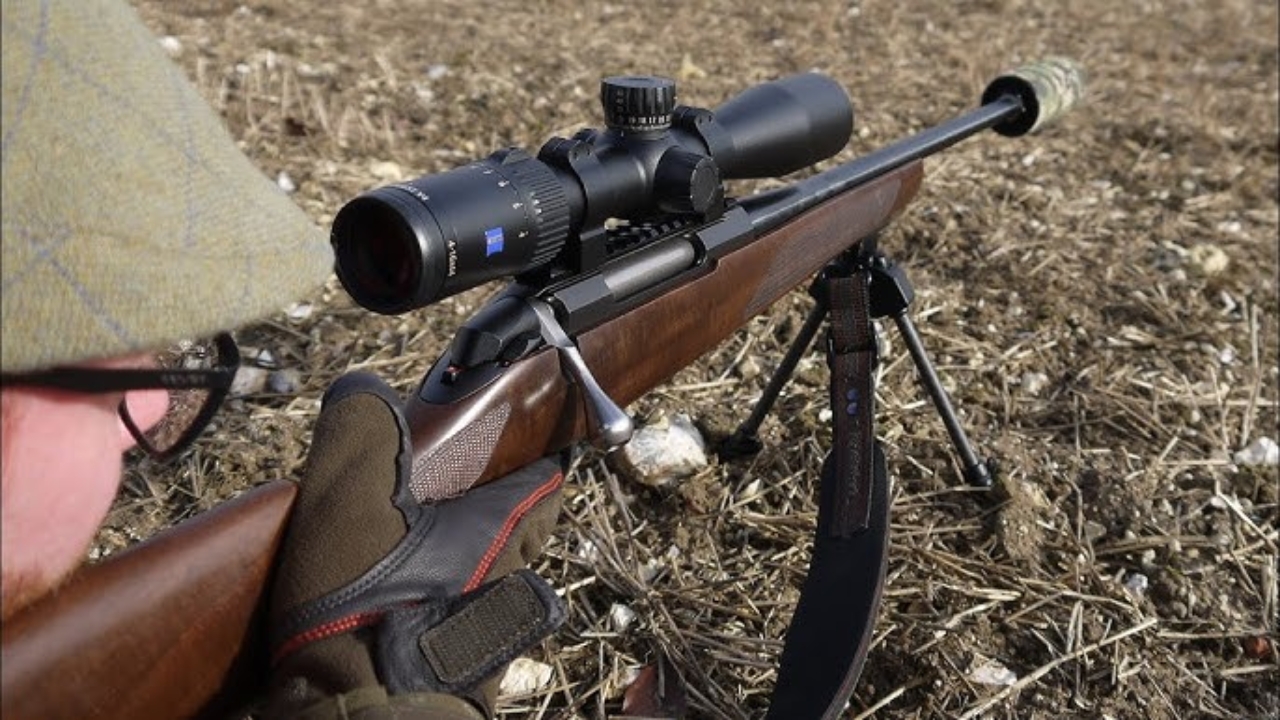
Most Tikka triggers are excellent, but some early T3 rifles came from the factory with heavier-than-expected pulls. While still smoother than many budget rifles, those particular triggers kept the rifles from showing their full accuracy potential without adjustment.
Once lightened, the T3 becomes one of the best-shooting rifles in its class. But out of the box, those few heavy-pull early versions made hunters work harder than necessary. When you’re buying a rifle known for precision, even a slightly heavy trigger feels like a setback.
Harrington & Richardson Handi-Rifle

The H&R Handi-Rifle is simple, durable, and affordable, but the factory trigger is often stiffer and heavier than ideal. That’s tough on hunters trying to shoot accurately from improvised stands or field positions. Break quality varies from rifle to rifle, which makes consistency even harder to achieve.
Despite this flaw, the Handi-Rifle remains popular because it’s easy to carry and reliable. But the trigger keeps it from reaching its true potential. Many hunters who invested in a trigger job saw immediate improvements, proving the rest of the rifle didn’t deserve the blame.
Thompson/Center Venture (First Generation)
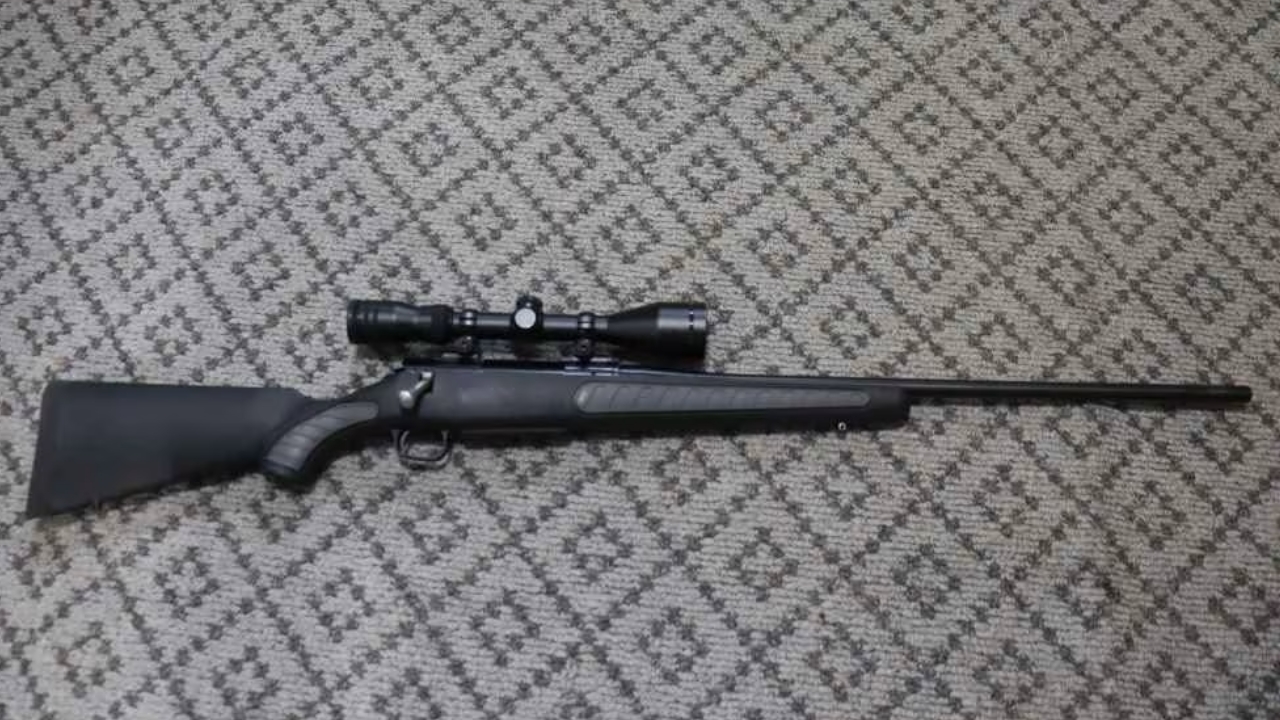
The first-generation T/C Venture had a lot going for it—accuracy potential, smooth actions, and fair pricing. But the trigger varied widely between rifles. Some felt crisp, while others were heavy or had noticeable creep. That inconsistency kept many shooters from trusting the break, especially during quick shots in the field.
Once improved, the Venture platform performed impressively well. But the early triggers left an impression that stuck. It’s another example of how a single component can overshadow an entire rifle design, even when the rest of the package is strong.
Like The Avid Outdoorsman’s content? Be sure to follow us.
Here’s more from us:
The worst deer rifles money can buy
Sidearms That Belong in the Safe — Not Your Belt
*This article was developed with AI-powered tools and has been carefully reviewed by our editors.