Photo credit: Vickers Tactical/YouTube
You’ve seen the hype. Maybe even bought into it. A new pistol hits the shelves, and it’s everywhere—magazines, YouTube, your buddies at the range. You hold it, shoot it, and suddenly that excitement starts to wear off. It prints worse than your dad’s .38, kicks like it’s angry, or you find yourself constantly clearing malfunctions. Some pistols sell like hotcakes but wind up living in the back of your safe. It’s not always about poor design—it’s that some guns look better on paper or in marketing than they perform in real hands. Here are a handful of pistols that stirred up a frenzy, only to fizzle once the range sessions started stacking up.
Springfield XD-S
The Springfield XD-S was marketed as the perfect slim single-stack for concealed carry. It’s lightweight, has decent ergonomics, and comes in serious calibers like 9mm and .45 ACP. On paper, it sounds like a great EDC gun. But real-world use told a different story. The aggressive grip texture chews up your hands during extended sessions, and the trigger feels mushy right out of the box.
Plenty of owners found it snappy and unpleasant to shoot, especially in .45. Follow-up shots can be a chore. Add in a trigger safety that some folks found finicky, and you’ve got a pistol that quickly lost fans after a few hundred rounds. It’s not a disaster—but it’s not what many thought they were getting.
Taurus PT111 Millennium G2

This little budget pistol gained a serious following when folks realized it offered decent capacity, a rail, and a price that didn’t punch your wallet. And for a while, it earned its keep. But once the honeymoon phase ended, owners started noticing the quirks. The trigger pull is long and unpredictable, and that second-strike capability most folks don’t use just complicates things.
The grip texture feels like it was designed to remove fingerprints, and the magazine release is too easy to hit accidentally. While some shooters have had solid experiences with it, many others found it lacked the consistency and refinement they wanted in a carry gun. For a “cheap but works” option, it holds up okay—but it never truly earned long-term loyalty.
Beretta APX
Beretta’s entry into the striker-fired polymer market came late with the APX. The aggressive slide serrations grabbed attention, and the modular chassis gave it some flexibility. But despite solid accuracy and reliability, it never clicked with most shooters. The ergonomics feel odd to many hands, and the trigger, while serviceable, didn’t win fans compared to other options in its price range.
What really hurt it was support—holsters, aftermarket parts, and accessories lagged behind competitors like Glock or Sig. A lot of buyers expected it to be Beretta’s answer to the M&P or P320. Instead, it ended up being a gun that worked fine but failed to inspire confidence or excitement once you spent time with it.
Kimber Micro 9

This one caught a lot of folks with its looks. The Kimber Micro 9 looks like a shrunk-down 1911, complete with metal frame and nice finish options. It’s easy to imagine it as a classy EDC piece. But when you start carrying and shooting it regularly, problems creep in. It’s surprisingly snappy for its size, and the narrow grip doesn’t do much to tame recoil.
Reliability can also be hit or miss, especially when it comes to feeding different hollow-point loads. The trigger is decent, but not great, and disassembly can be a headache compared to more modern designs. It’s one of those guns that’s easy to buy and easy to regret once you try to run it hard.
FN 509 Tactical
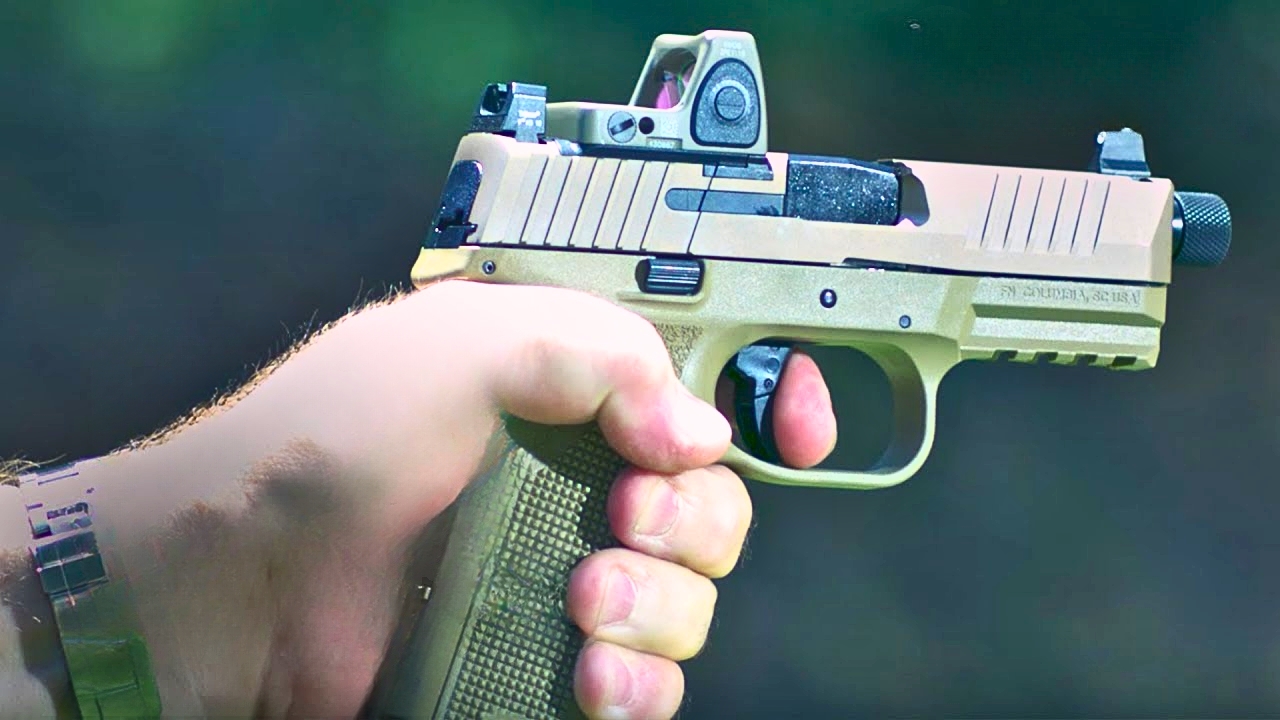
This one’s going to ruffle some feathers. The FN 509 Tactical is well-built and full of features—suppressor height sights, optic-ready slide, and a 24-round mag option. But many shooters who picked it up expecting a do-it-all combat pistol found themselves disappointed. It’s bulky, top-heavy, and not the easiest to conceal, even if you love big guns.
The trigger doesn’t do it any favors either. It’s spongy and lacks the kind of break you’d want on a pistol with this price tag. Some folks power through and adapt to it, but plenty of others shelve it after realizing how much better a Glock or Sig feels in-hand and in use. It’s not that it’s bad—it’s that it’s a lot to pay for something that doesn’t live up to its promise.
Ruger LC9s

Ruger made big waves when they improved the original LC9 by swapping in a striker-fired trigger on the LC9s. And yeah, it’s a major improvement. The size is right for deep concealment, and it’s decently accurate. But once you live with it, the limitations start adding up. The mag disconnect, manual safety, and loaded chamber indicator clutter up a pistol that should’ve been clean and straightforward.
Recoil isn’t terrible, but the slim grip doesn’t inspire confidence in fast follow-ups. And let’s be honest—there are better striker-fired 9mms out there now in the same price range with better triggers, better capacity, and fewer quirks. The LC9s had its time, but it’s a common trade-in for a reason.
Heckler & Koch VP9SK
HK fans lined up for the VP9SK thinking it’d be the perfect subcompact version of their favorite duty pistol. It shares the same excellent trigger and quality build, but the size trade-off doesn’t do it many favors. It’s heavy for its class, the grip is thick, and it’s wider than a lot of other carry guns in the same ballpark.
Shooters expecting an ultra-concealable EDC found themselves adjusting wardrobe or reaching for something slimmer. Even with those “charging ears” on the slide, it’s not the easiest gun to manipulate under stress. It’s a reliable shooter—but it’s one of those pistols that sells well up front, then slowly gets pushed aside for something that’s easier to carry and live with every day.
Like The Avid Outdoorsman’s content? Be sure to follow us.
Here’s more from us:
The worst deer rifles money can buy
Sidearms That Belong in the Safe — Not Your Belt
*This article was developed with AI-powered tools and has been carefully reviewed by our editors.