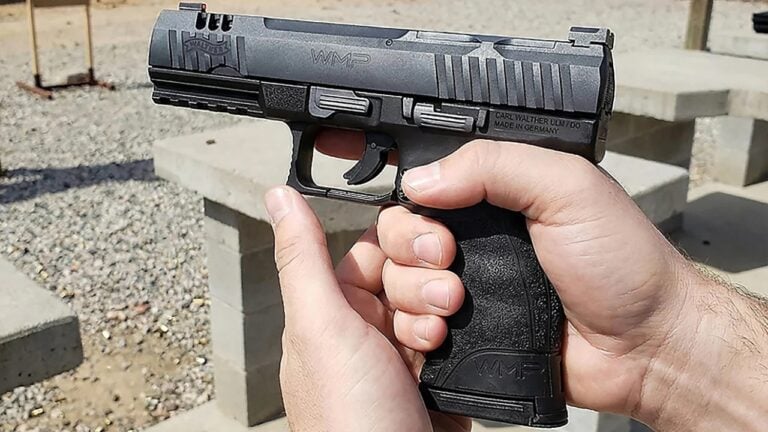
Photo credit: Justin Opinion/YouTube
A lot of guns get a brief moment where they look like the future. They launch strong, get talked up hard, and convince buyers that the older stuff finally got left behind. Then enough time passes, enough rounds get fired, and enough owners get honest with themselves to realize something simple: the new gun may have been interesting, but the old one never stopped working. That is how certain models survive every trend cycle without needing to reinvent themselves.
These are the guns that kept doing real work while newer models showed up, grabbed attention, and quietly faded into the background. Some are handguns, some are rifles, and some are shotguns, but they all share the same strength. They stayed useful because they were built around things that still matter when the excitement wears off.
SIG Sauer P239
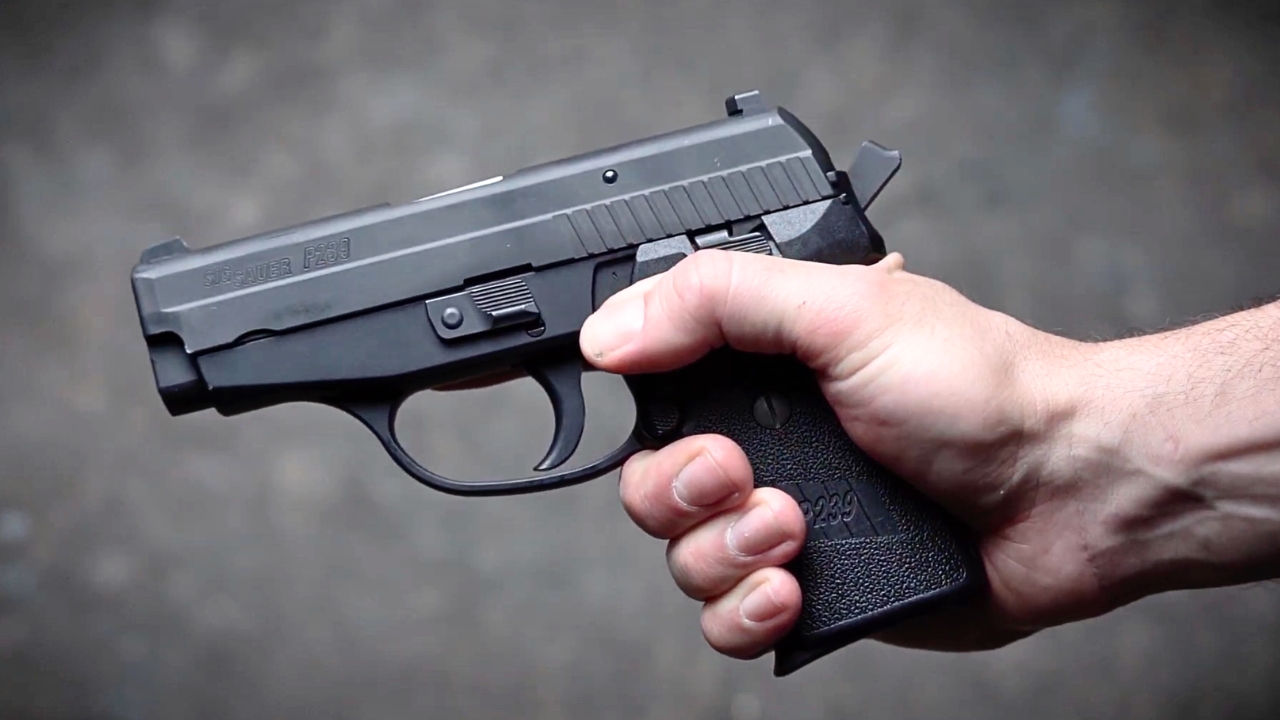
The SIG Sauer P239 stayed useful because it never relied on hype to make sense. It was slim enough to carry, serious enough to shoot properly, and built with the kind of quality that made people trust it long after the compact-pistol market started flooding with newer ideas. It always felt more like a real handgun scaled down sensibly than a compromise people were trying to talk themselves into.
That is why it has aged so well. Plenty of newer carry pistols brought more capacity, more marketing, or more modern talking points, but the P239 kept offering the thing experienced shooters still value most: a handgun that feels settled, dependable, and easy to trust. Guns like that rarely dominate trends, but they usually outlast them.
Beretta 92 Compact
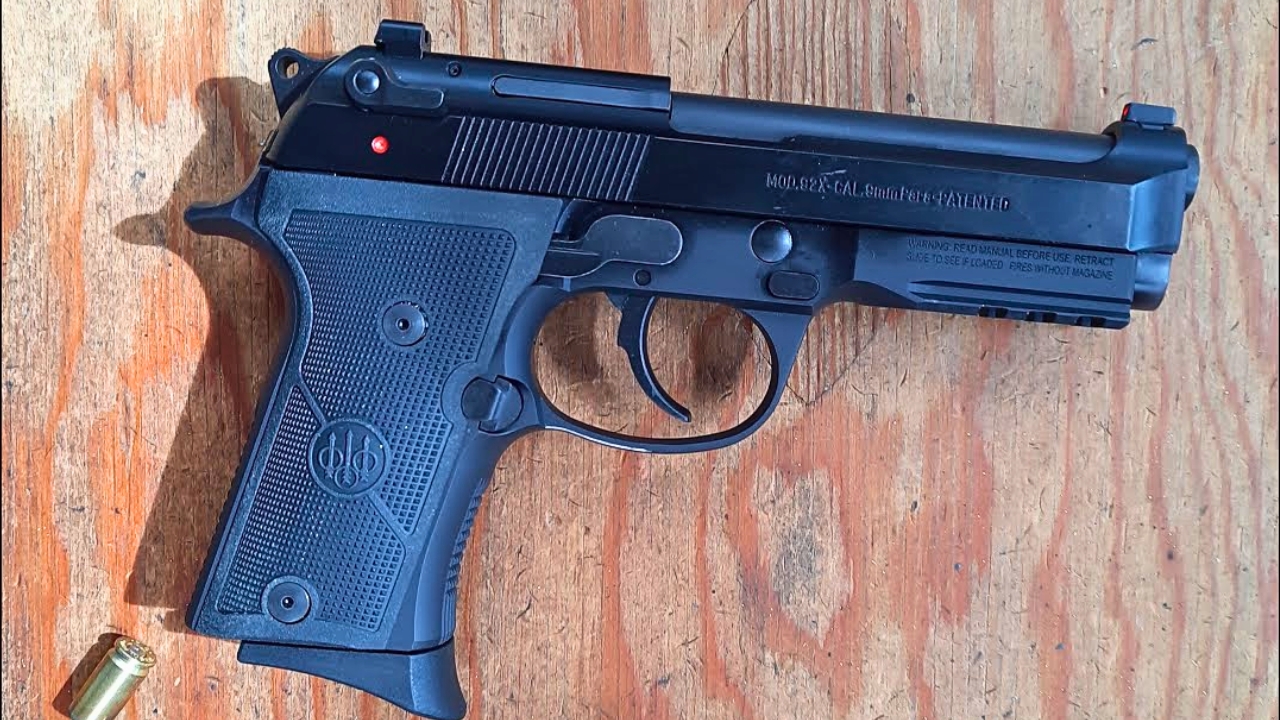
The Beretta 92 Compact stayed useful because it carried over the same soft-shooting, confidence-building feel that made the larger 92 pattern so respected, but in a package more people could realistically carry and live with. It never needed to be the loudest option in the room. It just needed to keep proving that shootability and reliability still matter more than being the newest compact on the shelf.
That formula held up extremely well. While one wave of carry pistols after another arrived promising to replace everything before them, the 92 Compact kept doing what it had always done: giving people a controllable, trustworthy handgun that still felt like a real pistol instead of a temporary solution built around whatever the market wanted to hear that year.
Smith & Wesson 4506

The 4506 stayed useful because it was built like a duty pistol from a time when guns were expected to survive hard use, not just win on first impressions. Heavy, yes, but usefully heavy. It handled .45 ACP with confidence, gave shooters real durability, and never depended on fashion to stay respected. A lot of newer pistols tried to look smarter. The 4506 just kept acting tougher.
That is a big reason it still holds up so well in hindsight. People who bought them did not end up with a fleeting trend piece. They ended up with a pistol that still makes sense if the goal is strength, dependability, and a gun that feels like it was built to last. Those things never really stop mattering.
Ruger Security-Six
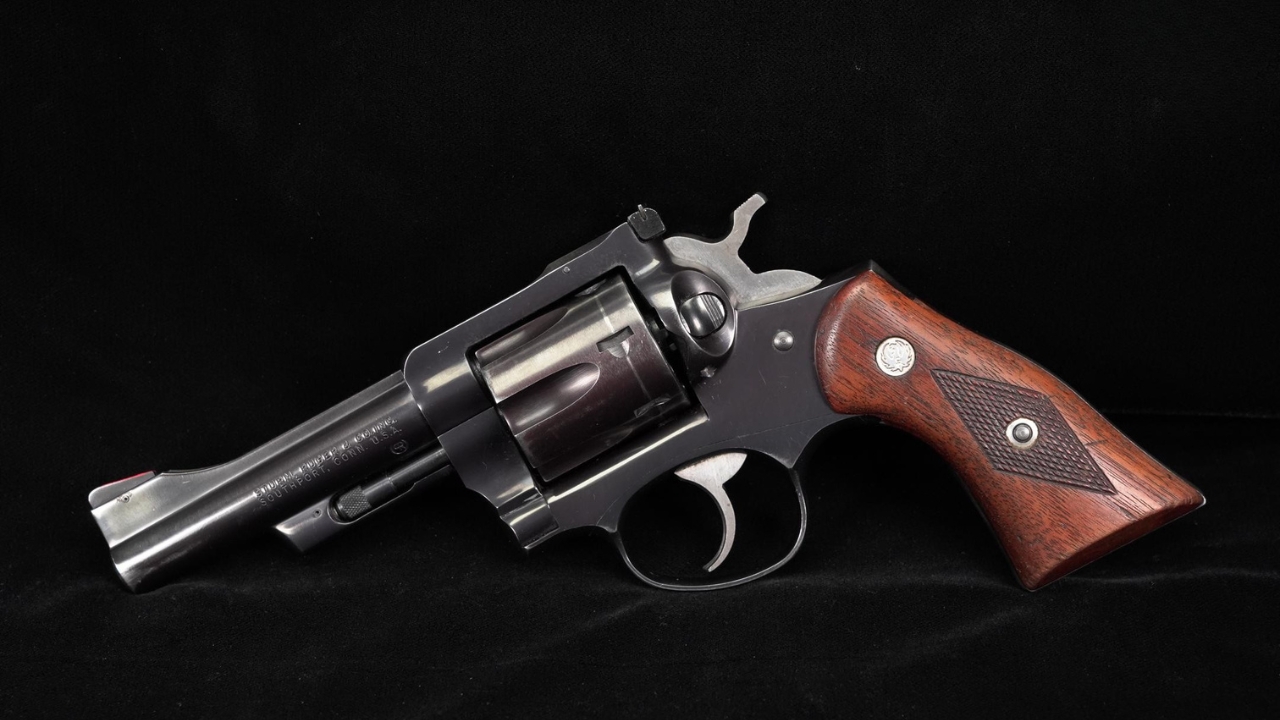
The Ruger Security-Six stayed useful because it offered the kind of practical revolver strength people kept coming back to after flashier or more fashionable wheelguns lost their shine. It was tough, straightforward, and easy to trust. It did not need collector hype or polished mystique to stay relevant. It only needed to keep doing revolver things correctly, and it did that for a very long time.
That is exactly why it survived so well. The revolver market changed, tastes shifted, and plenty of buyers moved on to newer names or lighter ideas, but the Security-Six kept proving that honest durability still has real value. A gun built around that kind of practicality is hard to make obsolete.
Browning BPS
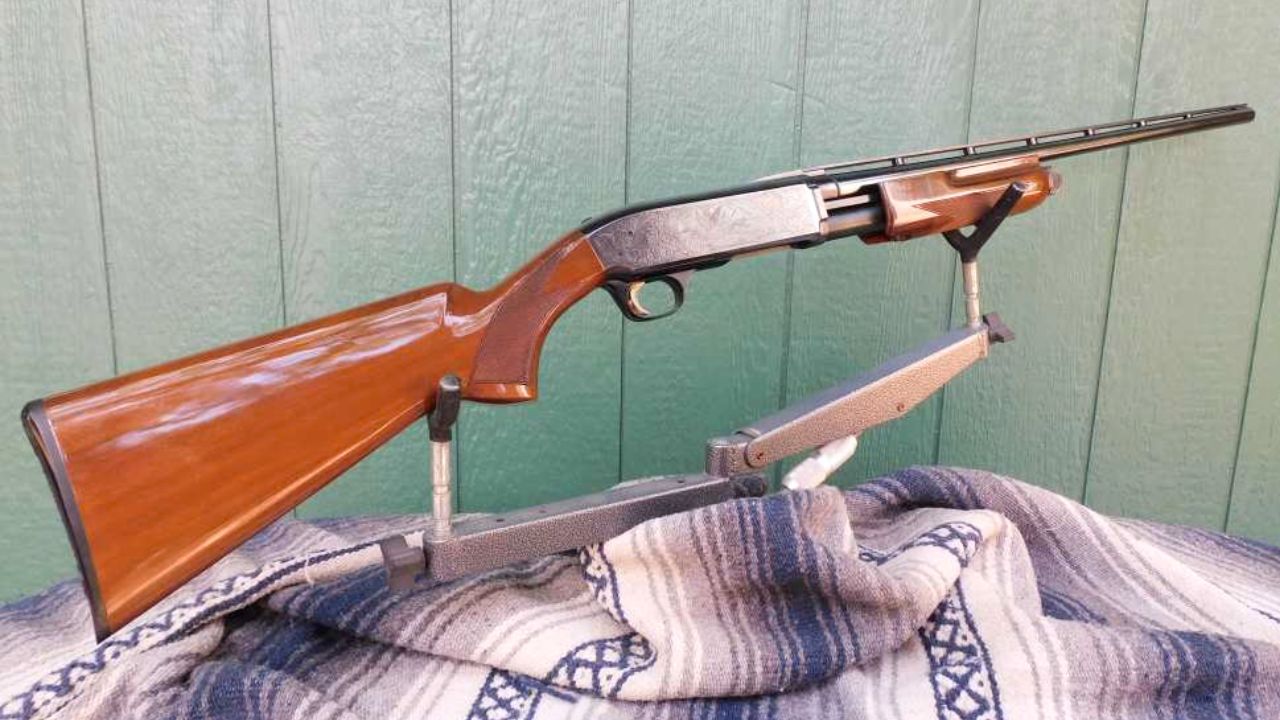
The Browning BPS stayed useful because good pump shotguns do not suddenly stop making sense just because the market found a new semi-auto to celebrate. It handled field work honestly, carried well, and gave owners a shotgun they could keep using without feeling like they needed to apologize for staying with a pump. That matters a lot more over time than launch buzz does.
It also had staying power because it felt like a serious field gun, not a cheap placeholder while someone waited to upgrade. Plenty of newer models showed up with more noise around them, but the BPS kept earning respect through the same old method: going afield, working properly, and giving the owner no good reason to replace it.
Remington 11-87

The Remington 11-87 stayed useful because it was one of those hunting shotguns that actually became part of people’s seasons instead of simply part of their buying history. It handled bird hunting, deer use, and general field work in a way that kept it relevant long after other “modern” semiautos came and went. It had enough practical dependability to hold its ground.
That is why it never disappeared from serious ownership. Newer models may have looked cleaner, lighter, or more advanced on paper, but the 11-87 kept doing the thing that matters most. It kept working in real use. A shotgun that earns trust over years of actual hunting does not get pushed aside easily, no matter how crowded the market gets.
Benelli Montefeltro

The Benelli Montefeltro stayed useful because it kept the field-gun equation simple. It was light enough to carry all day, dependable enough to trust in real hunting conditions, and refined enough that owners never felt like they had bought the budget version of something better. That kind of balance is hard to improve on, which is why it held up while so many newer shotguns tried to win through novelty.
Hunters kept using them because the reasons to own one never went away. Upland birds, general field use, long walks, and weather that makes lesser gear feel cheap all continued to reward the same qualities the Montefeltro had from the start. That is how a shotgun stays useful while trendier models pass through and disappear.
Howa 1500

The Howa 1500 stayed useful because it gave shooters a practical bolt-action rifle that never depended on hype, mystique, or high-end branding to justify itself. It shot well, held up, and gave hunters and range shooters a solid action with very little drama attached. That kind of rifle often gets overlooked at first and appreciated much more later.
That appreciation tends to last because the rifle keeps earning it. While other bolt guns came in with louder sales pitches, the Howa kept doing ordinary rifle work correctly. Accuracy, dependability, and straightforward ownership do not make a lot of noise, but they do keep a rifle relevant long after more glamorous competitors have worn out their welcome.
Ruger M77 Hawkeye

The Ruger M77 Hawkeye stayed useful because it felt like a hunting rifle built with actual field use in mind instead of showroom fantasies. It had the sort of practical toughness hunters keep valuing once they have spent enough time in bad weather and rough country. Rifles like that age very well because the reasons to trust them do not disappear when trends change.
That is what helped the Hawkeye hold its ground. Newer rifles kept arriving with fresh angles and smarter branding, but the Ruger stayed appealing to hunters who wanted a rifle that felt ready for real use from the beginning. That kind of confidence carries a lot of weight over the long haul.
CZ 527 Carbine
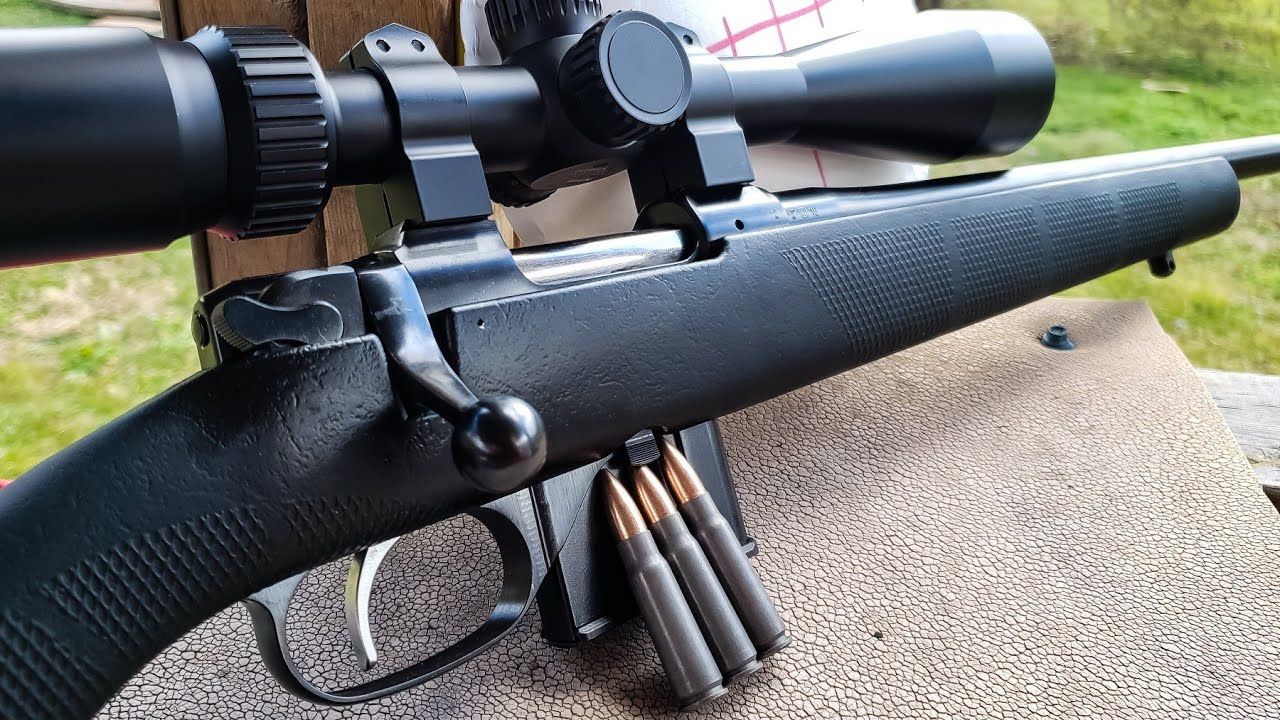
The CZ 527 Carbine stayed useful because it offered something many newer rifles still fail to deliver cleanly: compact handling, good accuracy, and enough personality to feel distinct without becoming impractical. It was not sold as a giant revolution. It was simply a very handy little bolt rifle that kept making sense once people actually lived with one.
That is why it held up. Owners did not need it to be trendy. They needed it to stay enjoyable, trustworthy, and easy to carry in the field. The 527 Carbine kept meeting those needs, which is why it remained valuable in real use while newer rifles cycled through their moment of attention and moved on.
Ruger Gunsite Scout

The Ruger Gunsite Scout stayed useful because it turned out to be more than a passing concept. Plenty of rifles have shown up trying to sell versatility as an image. This one actually delivered it in a way owners could use. It was compact, sturdy, and broad enough in purpose that people kept finding reasons to keep it instead of treating it like a phase purchase.
That matters because a lot of “do-it-all” rifles do not really last. They feel clever at first and less convincing later. The Gunsite Scout avoided that because it was built around real field practicality, not only an idea. That is why it kept its footing while other rifles with more noise around them faded into the background.
Browning BLR

The Browning BLR stayed useful because lever-gun handling paired with modern cartridge capability is still a real answer to real hunting needs. It was not a novelty if you actually hunted with one. It was a rifle that carried well, shot serious cartridges, and gave owners something different without becoming weird or fragile. That kind of practical distinctiveness tends to last.
That is why the BLR outlived a lot of rifles that got more attention for a little while. The reasons to own it were tied to actual field use, not to a brief wave of market enthusiasm. Rifles that stay useful because they fill a real lane cleanly tend to keep their place much longer than the newest hot thing.
Smith & Wesson 645
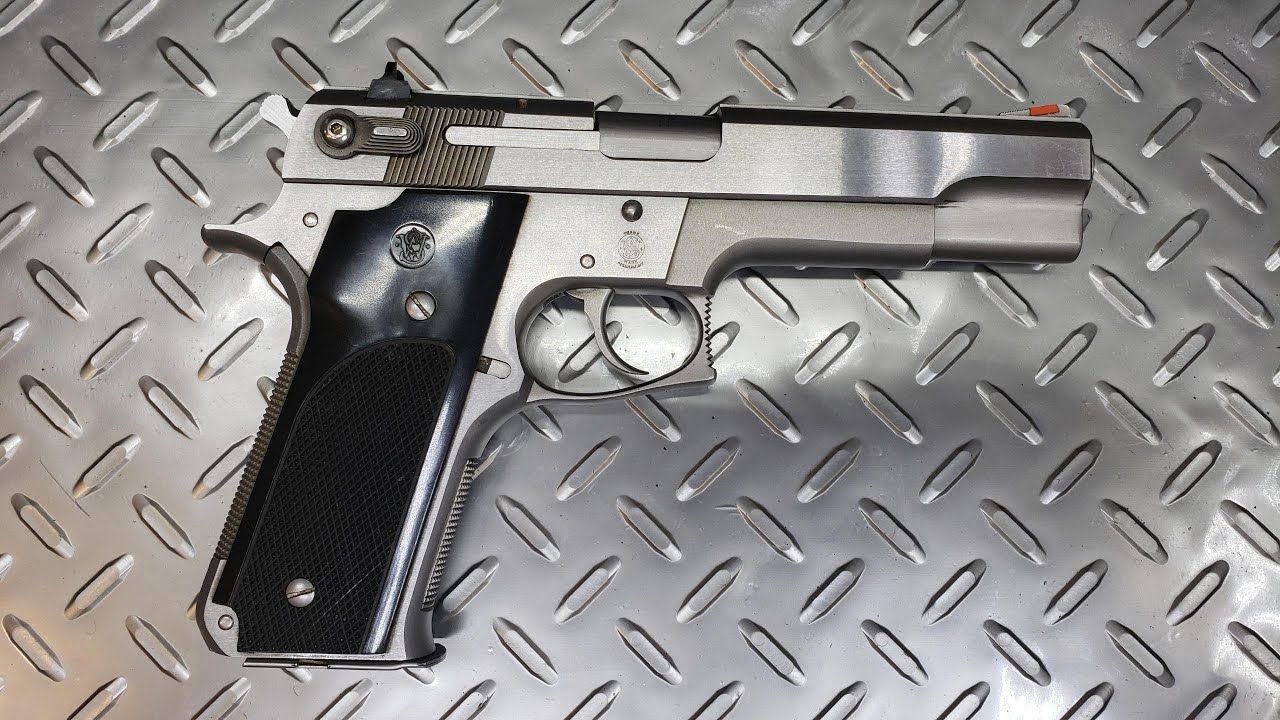
The Smith & Wesson 645 stayed useful because it came from that older generation of service pistols that had to prove themselves through real handling and real durability instead of trying to win through constant reinvention. It was straightforward, reliable, and solid in the hand. It did not need to look futuristic to still be good at being a serious .45.
That kept it relevant longer than plenty of newer models that looked more current when they launched. Owners who had one still had a dependable handgun with real practical value after other pistols started feeling dated. That is a big part of what makes a gun survive shifting trends. The reasons to trust it keep holding up.
Ruger Single-Six

The Ruger Single-Six stayed useful because a dependable single-action rimfire revolver never really stops earning its keep. It remained good for practice, casual range use, trail carry, and introducing new shooters, all without becoming dead weight in the safe. That broad, low-drama usefulness gave it much more staying power than many louder handguns ever managed to build.
It also survived because it was simple in the right ways. Newer handguns kept showing up promising fresh angles on training, fun, or compact carry, but the Single-Six quietly stayed enjoyable and dependable. Guns like that never need to dominate conversation. They just need to keep making sense.
Beretta 81

The Beretta 81 stayed useful because it offered one of those rare combinations that older handguns sometimes get exactly right: compact size, metal-frame quality, and a shooting experience that still feels more substantial than many newer pistols in the same general space. It was not trying to be cutting-edge. It was trying to be a very usable small pistol, and that has aged well.
That is why it kept its relevance while so many newer compact handguns came and went. Owners still had something dependable, pleasant to shoot, and easy to appreciate without a lot of marketing language around it. A pistol like that can survive a lot of market churn simply by continuing to be good at what it already did.
Remington Model Seven

The Remington Model Seven stayed useful because compact hunting rifles do not stop making sense just because the market keeps pushing more bulk, more complexity, and more “capability” than most hunters truly need. It stayed easy to carry, easy to hunt with, and serious enough that owners still trusted it when the shot actually mattered.
That practicality kept it alive while newer rifles came in promising more of everything. A lot of those rifles ended up asking for more money, more weight, or more patience than their owners really wanted to give. The Model Seven kept solving the simpler, more common problem of giving hunters a dependable, field-friendly rifle they could live with for years.
Like The Avid Outdoorsman’s content? Subscribe to our newsletter so you never miss an article.
Here’s more from us: