Photo credit: salouw/Shutterstock.com
Some calibers take on a strange life online. You’ll see people arguing for them long after the real-world results stopped lining up with the claims. A few of these rounds have earned their place in history, and some still shine in narrow roles, but none of them live up to the endless online praise they get. When you’ve spent enough time hunting, shooting, and actually recovering animals—not debating screen-to-screen—you start to see which cartridges pull their weight and which ones are being defended out of nostalgia, internet pride, or plain stubbornness.
Here are the calibers that spark endless arguments even though their limitations are well documented.
.17 HMR

The .17 HMR is fun, flat, and accurate, but it’s constantly defended for jobs it has no business doing. It’s a small-game round, yet online arguments bend over backward trying to make it sound like a viable deer or coyote cartridge. The truth is its tiny, fragile bullet simply doesn’t carry enough penetration or energy for consistent performance on anything larger than varmints.
People defend it because they’ve seen clean kills under perfect circumstances, but perfect circumstances aren’t the norm. Outside that narrow window, the .17 HMR falls apart fast.
.410 Bore

The .410 is always praised as a “thinking man’s gauge,” but most of that is romance, not reality. Its payload is tiny, its pattern is thin, and it leaves very little margin for error on anything bigger than squirrels. Online, though, you’d think it was a secret powerhouse for turkeys and deer.
In the real world, hunters lose more birds and wound more game with .410s than they care to admit. Yes, it can work with the right load and the right distance—but defenders often skip over how unforgiving it is when things don’t line up perfectly.
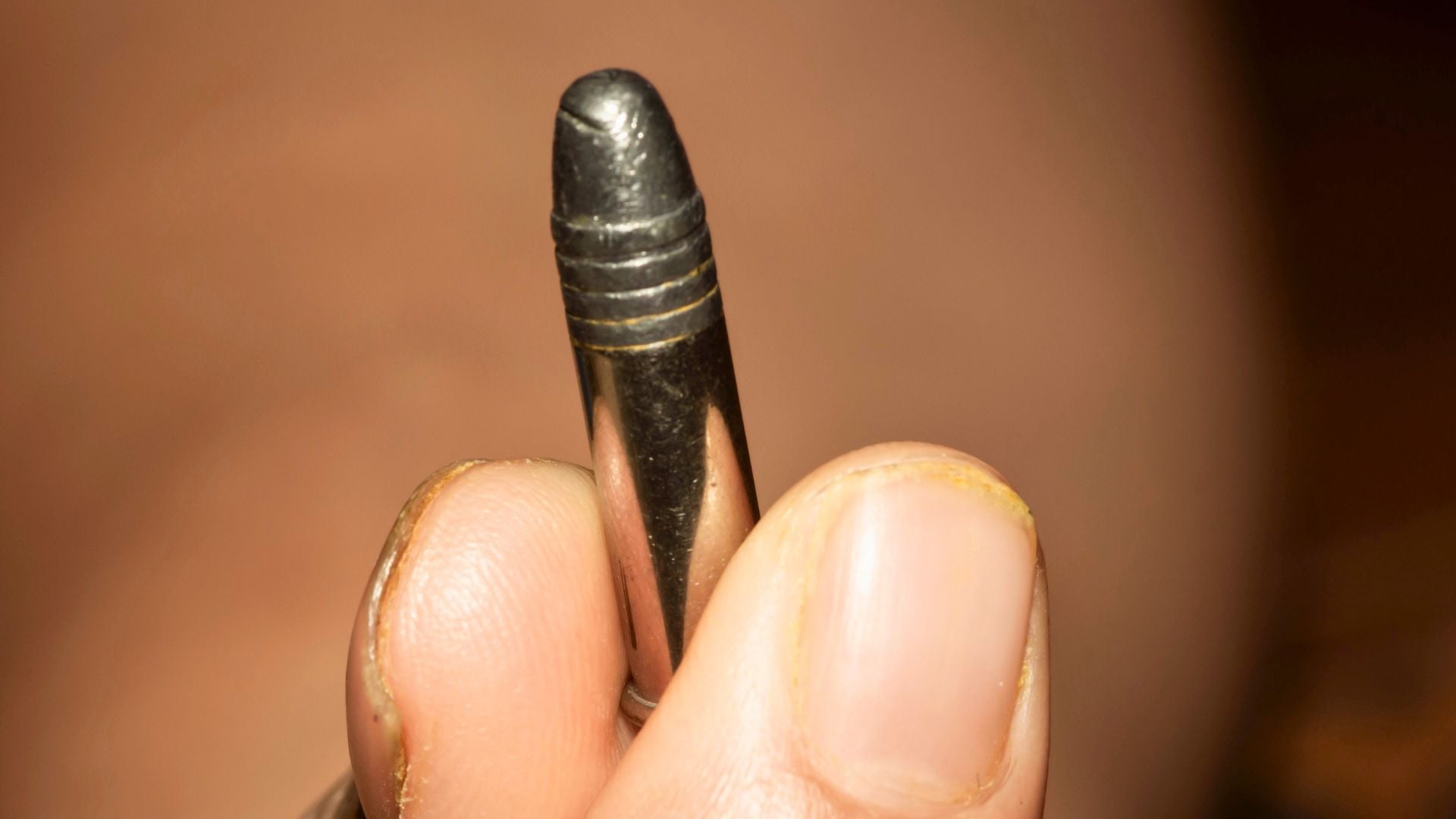
.22 Long Rifle
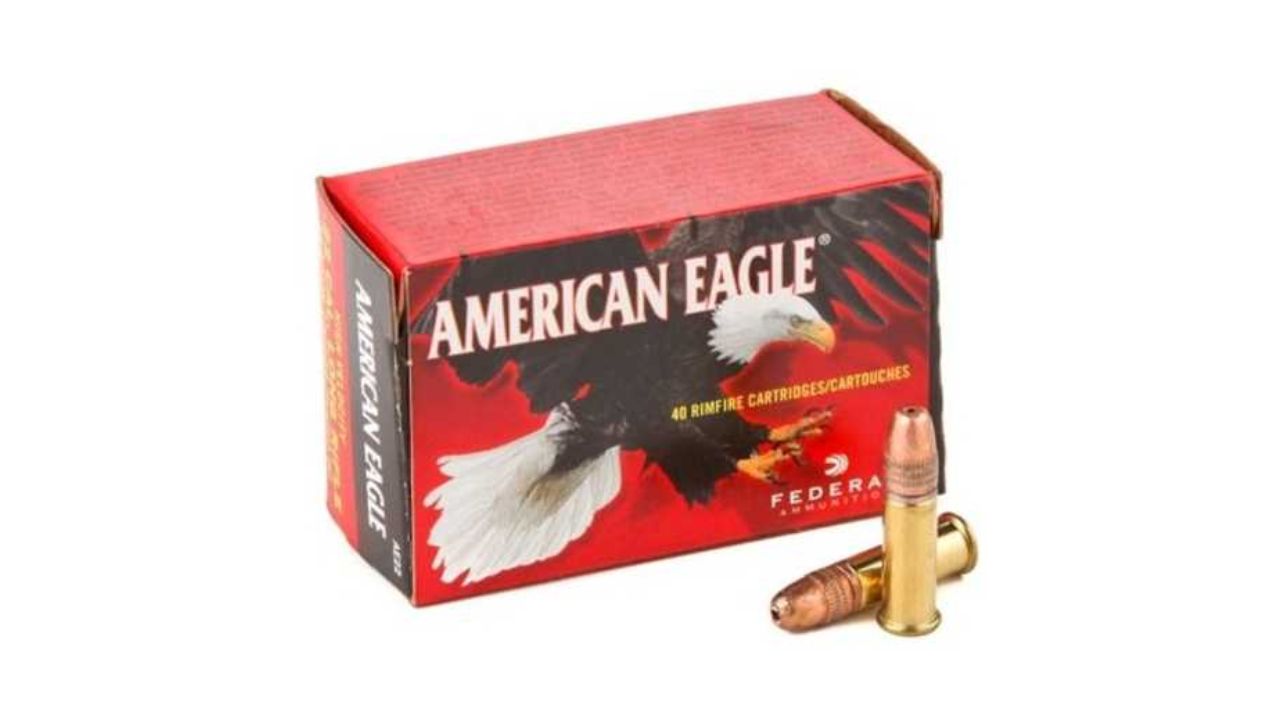
Nobody disputes what the .22 LR is good at—small game, plinking, and training—but online defenders push it into larger roles it can’t fill. Claims of “I’ve seen deer drop right there” ignore the far more common stories of wounded animals running deep into cover.
Its low velocity and limited penetration make it unreliable for anything that requires a quick, humane kill. Even high-velocity loads don’t bridge that gap. People keep defending it because everyone owns one, not because it’s truly versatile.
.30 Carbine
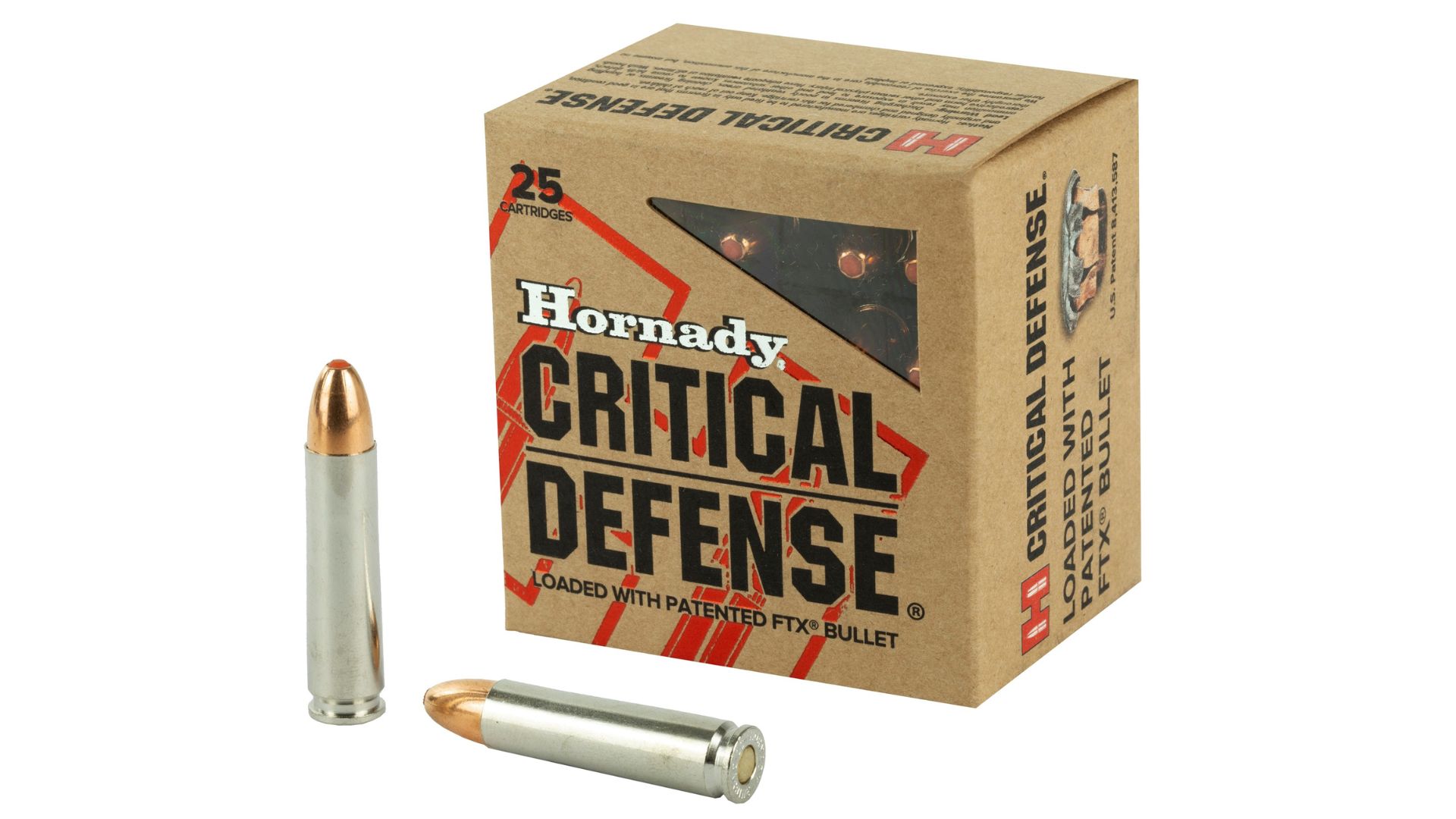
Fans of the M1 Carbine love this round, and nostalgia keeps the debate alive. But the .30 Carbine was never designed for modern hunting expectations, and its round-nose, low-energy bullets struggle to penetrate heavy muscle or bone.
Online defenders point to perfect broadside shots that worked. But move away from ideal angles and performance falls off quickly. Hunters with real field experience know the .30 Carbine isn’t anywhere near the level of a true deer cartridge.
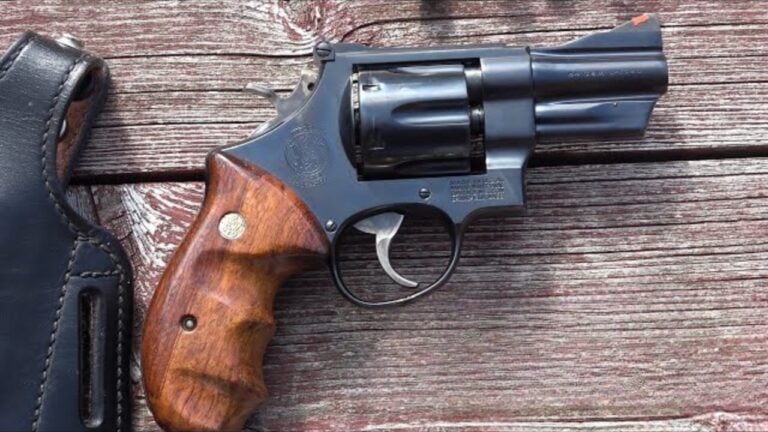
.357 Magnum (out of short barrels)
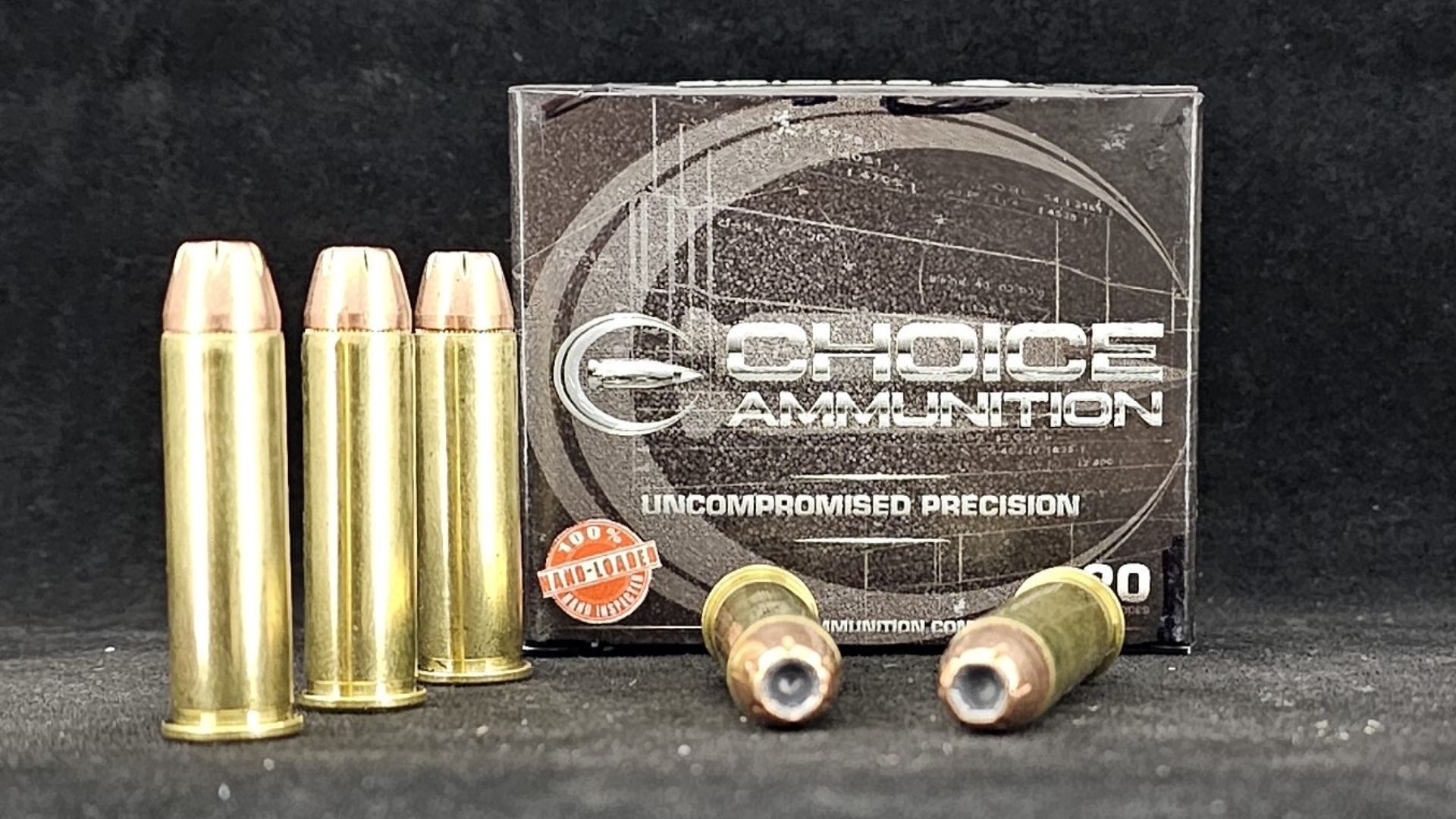
The .357 Magnum can perform well—but only when it actually reaches the velocity it was designed for. Online, you’ll hear endless arguments claiming snub-nose revolvers carry the same punch as full-size handguns or carbines. They don’t.
Short barrels rob the round of energy, flatten its trajectory, and limit penetration. Defenders love the caliber itself, but ignore the reality that barrel length changes everything. The result is a ton of online hype with little connection to what happens in the field.
.300 Blackout (supersonic)

The .300 Blackout exploded in popularity, but online arguments often stretch its capabilities far beyond reality. Supersonic loads work well in tight ranges, but they lose steam fast and rely heavily on specific bullets to maintain performance.
Defenders claim it’s interchangeable with traditional .30-cal deer rounds, yet real-world results show inconsistent penetration and expansion, especially on tougher angles. It’s not a bad round—it’s simply not the catch-all powerhouse some people make it out to be.
7.62×39
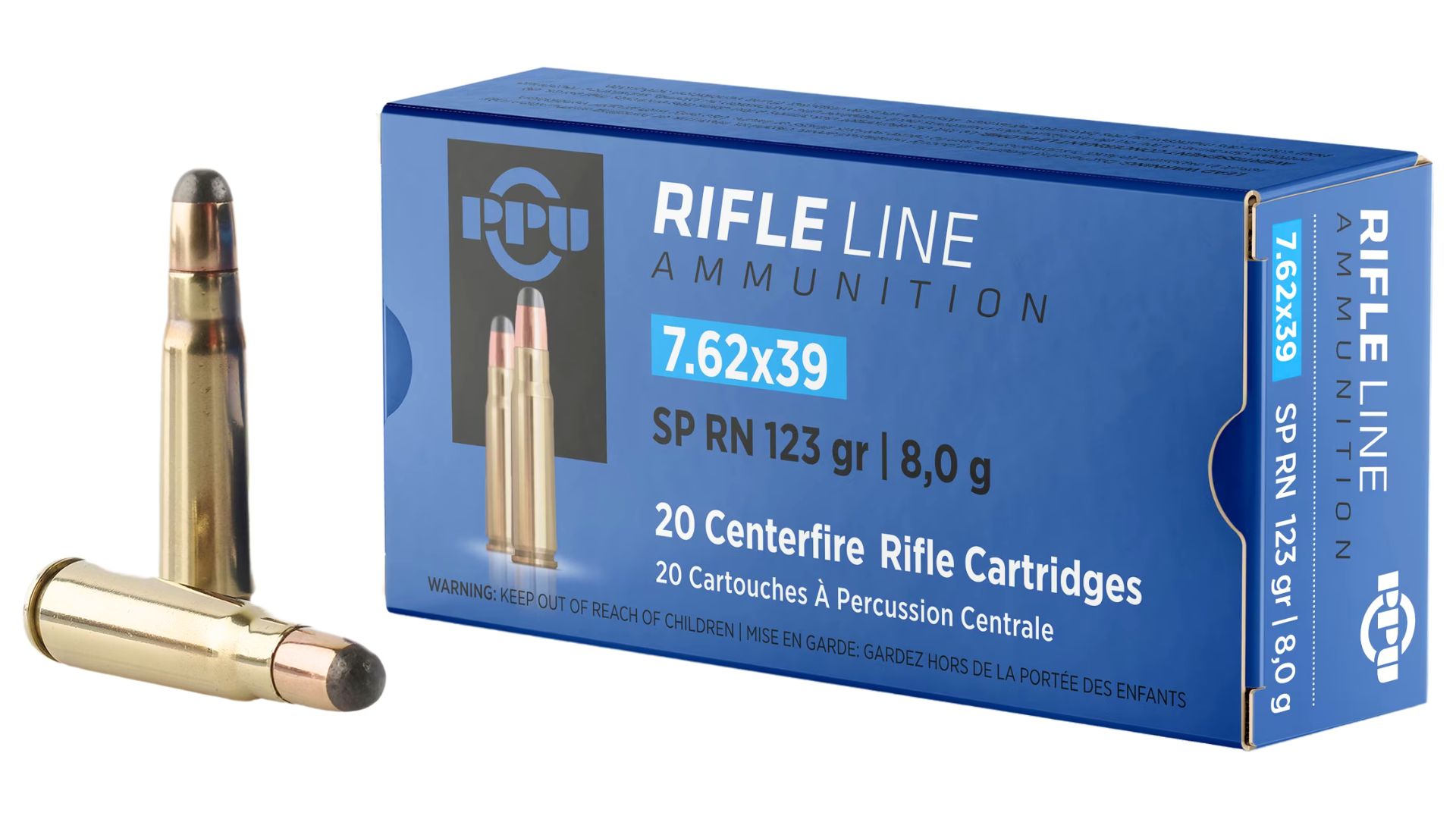
The 7.62×39 is affordable and widely available, and that alone keeps people defending it online. It’ll certainly kill deer, but that doesn’t mean it performs like the mid-tier hunting cartridges it’s constantly compared to.
Its limited case capacity and poor ballistic shape make it drop quickly and hit less decisively at range. Many bullets designed for it were never meant for deer, leading to erratic expansion and unpredictable blood trails. The online praise rarely matches the field results.
.45 Colt (cowboy loads)

The .45 Colt is legendary, but most of the ammo people actually buy for it is wildly underpowered. Cowboy loads are soft and slow, and yet defenders argue they’re “more than enough for deer or hogs.” In most real hunting situations, they’re not.
True hunting loads transform the cartridge, but that’s not what gets recommended on forums. Instead, people cling to nostalgia and ignore the major performance difference between mild cowboy rounds and legitimate hunting ammunition.
.357 SIG
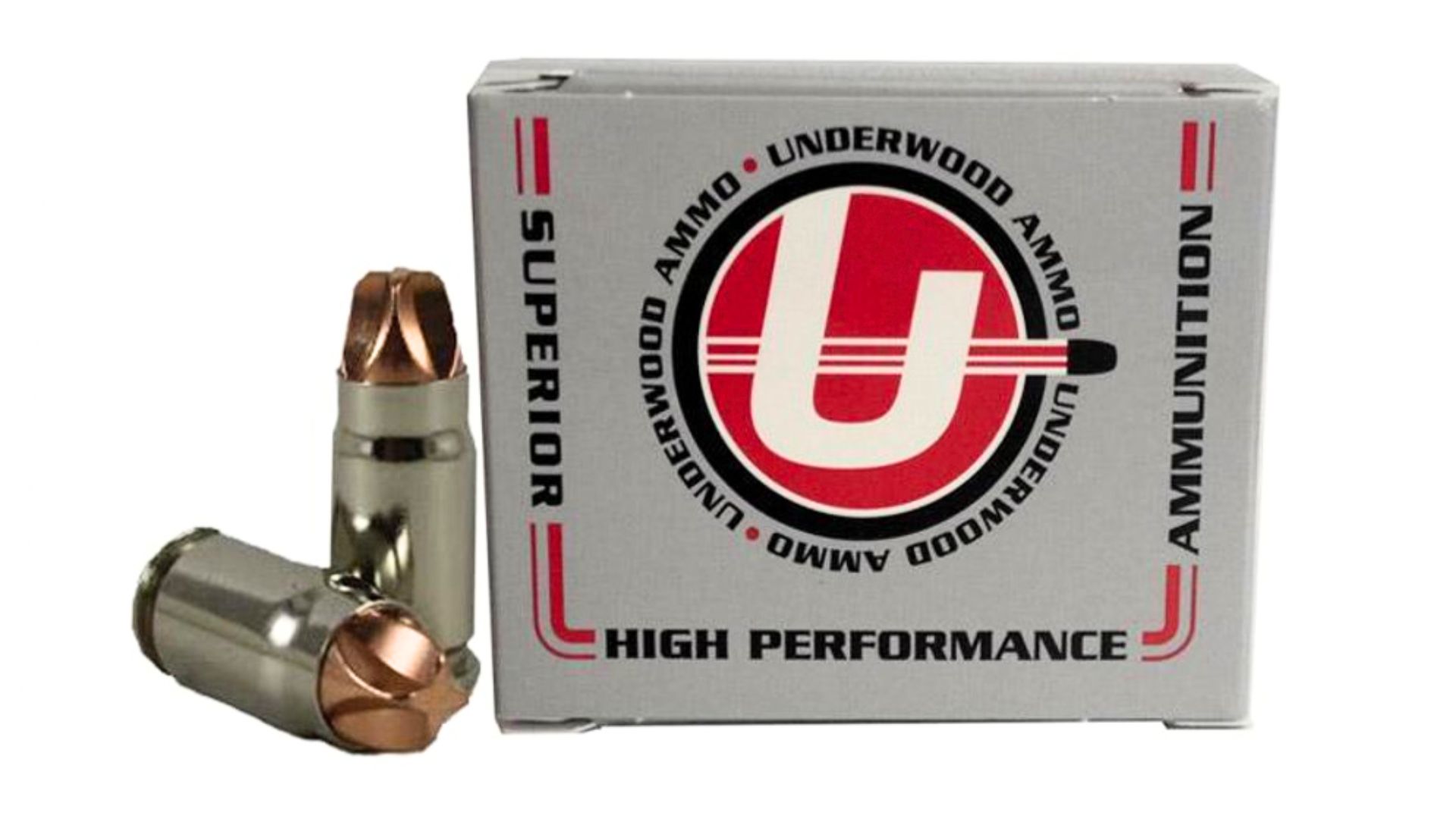
Online fans defend the .357 SIG like it’s still the future of defensive cartridges, but its real-world adoption has faded for a reason. It’s loud, hard on guns, and doesn’t offer practical advantages over more common rounds like 9mm and .40 S&W.
Its performance is fine with the right loads, but the hype online rarely matches what agencies and long-time shooters have concluded. Most defenses come from loyalty, not objective performance data.
.350 Legend

The .350 Legend became popular fast, but people online defend it as if it’s a long-range hammer, and that’s far from reality. It does well inside 200 yards, but its trajectory falls apart past that, and bullet performance varies widely between loads.
Hunters praise it for mild recoil and straight-wall compliance, but ignore the tracking jobs that come from using fragile or poorly matched bullets. It’s a useful tool, not a miracle round, no matter what the internet says.
.224 Valkyrie

The .224 Valkyrie arrived with huge promises, and defenders still cling to those early claims. In practice, many rifles struggled with twist rates, ammo inconsistencies, and accuracy swings. Online, though, people still talk about it like it’s a precision breakthrough.
The cartridge does have potential, but it never delivered on the hype at scale. Most of the praise now comes from early adopters who don’t want to admit the round’s widespread shortcomings.
6.5 Grendel

The 6.5 Grendel has loyal supporters who defend it fiercely, often claiming it matches traditional .308-class performance. It doesn’t. It’s a capable, efficient round within its limits, but it loses velocity quickly and requires careful shot selection for deer-sized game.
Online arguments gloss over these limitations, presenting it as a do-everything caliber when it’s far more specialized. Reality proves otherwise once you start stretching the distance.
.45 GAP
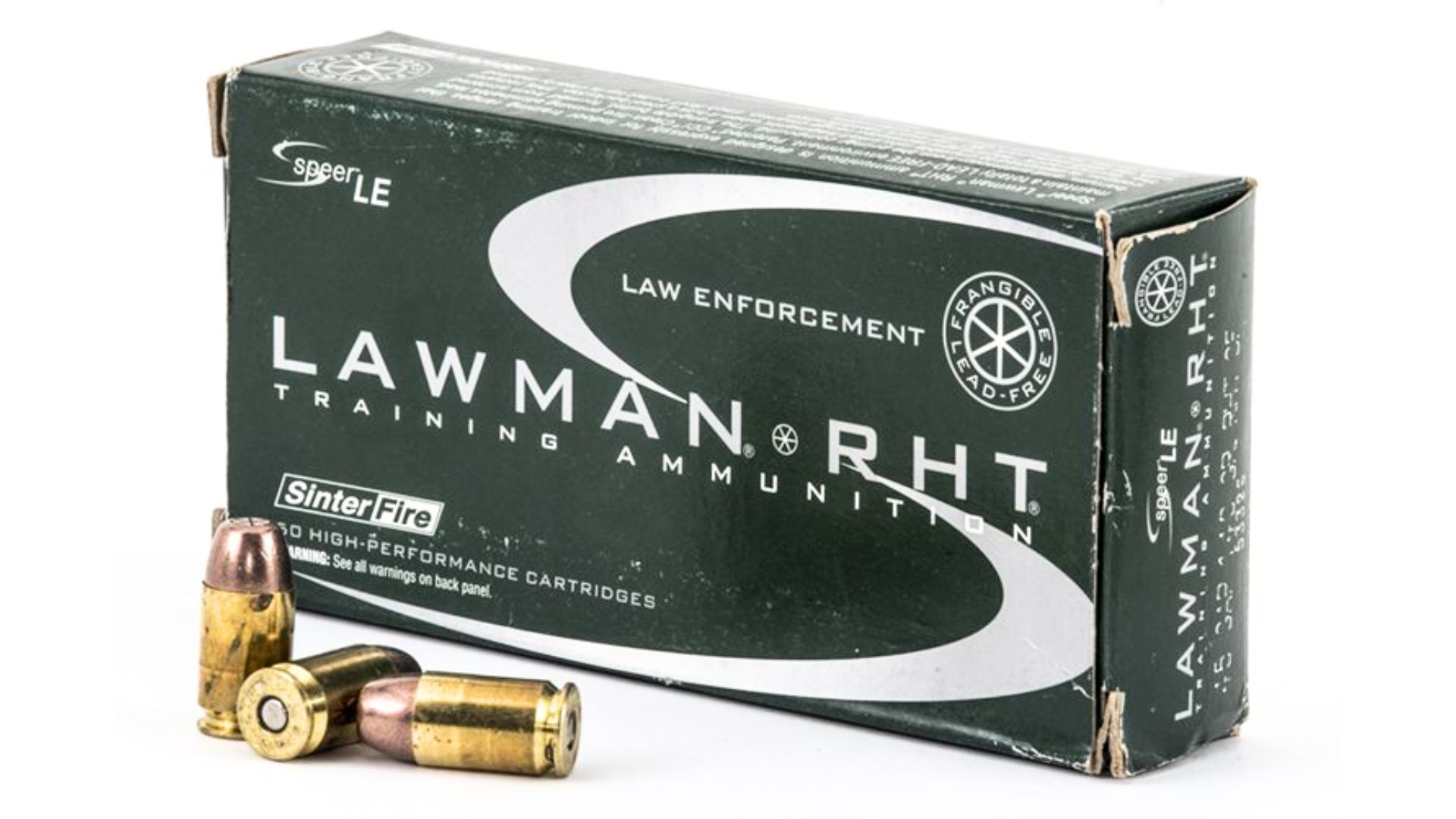
The .45 GAP was meant to replicate .45 ACP performance in a smaller frame, but it never gained traction. Still, online defenders hold onto it like it’s an undiscovered powerhouse. The problem is ammunition availability, pressure limitations, and the simple fact that the .45 ACP already fills the niche better.
Most of the defending comes from collectors and a handful of enthusiasts, not from any practical advantage the cartridge currently offers.
.380 ACP
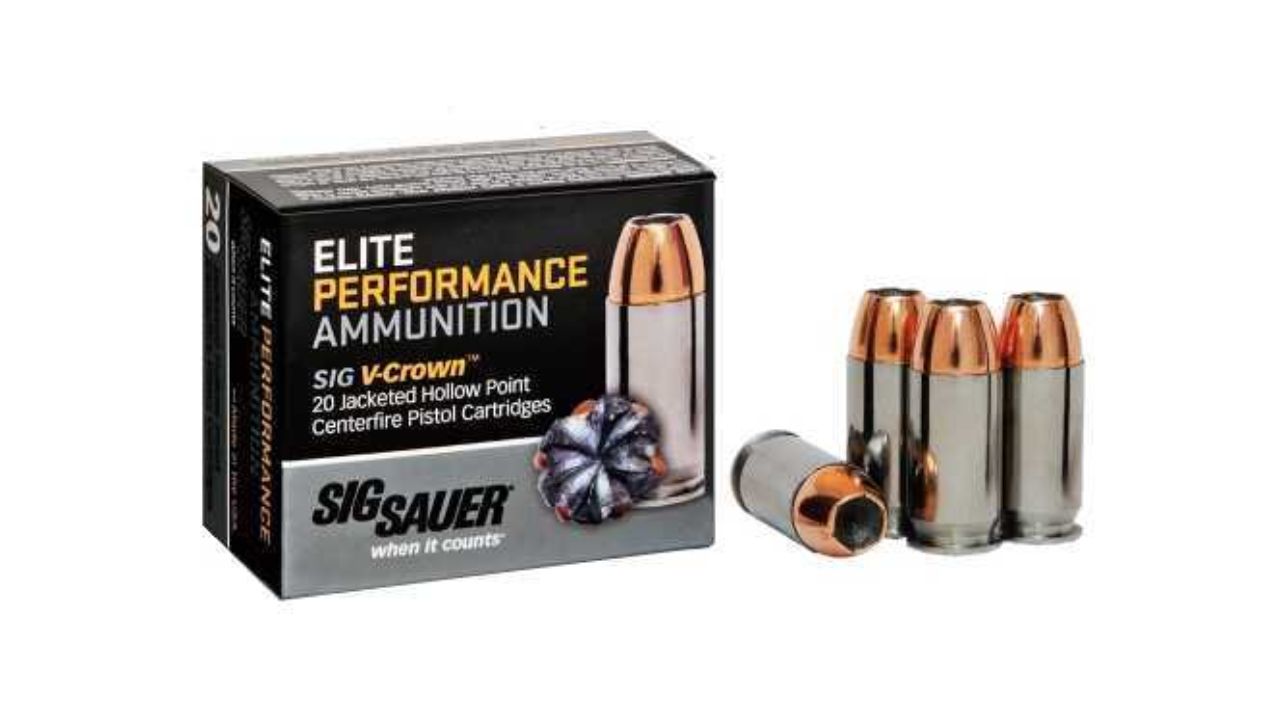
People defend the .380 ACP constantly online, claiming it’s “just as good as 9mm with modern bullets.” It isn’t. While it’s better than it used to be, it still lacks penetration, especially through barriers or heavy clothing.
Online arguments typically come from pocket-pistol owners who want reassurance. In real-world testing, it trails behind 9mm by a wide margin, and that gap doesn’t close no matter how often it gets defended.
.32 ACP

The .32 ACP lives on through nostalgia and internet debates, not performance. People love their old pocket pistols, and that affection fuels endless arguments about its supposed defensive capability.
In reality, its light bullets penetrate inconsistently, and expansion is unreliable. It’s a historically interesting round, but the modern praise it gets online doesn’t align with actual ballistic testing. Many defend it because it’s charming—not because it performs well.
Like The Avid Outdoorsman’s content? Subscribe to our newsletter so you never miss an article.
Here’s more from us: