Photo credit: G Squared Tactical/YouTube
There’s no shortage of pistols folks rave about on forums, in gun shops, or standing around at the range. They’ll talk your ear off about how this model is the best thing they’ve ever handled—until they shoot it. That’s when the truth comes out. Some pistols look great in a display case or sound good on paper, but when it’s time to run them, they show every flaw that smooth talk couldn’t cover.
You know how it goes. The trigger feels wrong. The grip angle is off. The slide won’t feed anything but full-metal jackets. And suddenly, that “must-have” pistol isn’t so brag-worthy anymore. A lot of these are guns that sell based on looks, nostalgia, or reputation, not actual performance. Once the rubber meets the road—or in this case, the round hits the chamber—people realize they made a mistake.
Here’s a list of pistols that get hyped to the moon, but too often let people down once they start sending rounds downrange. Maybe you’ve had one of these. Maybe you still do. Either way, don’t let the popularity fool you—shootability is what matters, and these don’t always bring it.
Kimber Micro 9

At first glance, the Kimber Micro 9 looks like a dream carry gun. It’s small, slim, and styled like a mini 1911, which draws plenty of attention. The fit and finish are usually sharp, and folks love that it doesn’t feel like a cheap pocket pistol. But the second you start putting rounds through it, the charm wears off fast.
The Micro 9 is known for being snappy, especially in a lightweight frame. Follow-up shots feel sluggish. Some models don’t feed reliably unless you’re using specific ammo. The small grip doesn’t help with control, and the short sight radius makes it easy to throw shots. It’s a pistol that sells on style but doesn’t always deliver when it counts. If you’re used to 1911s, this one might feel familiar at first, but the shooting experience is a different story.
Glock 43X MOS
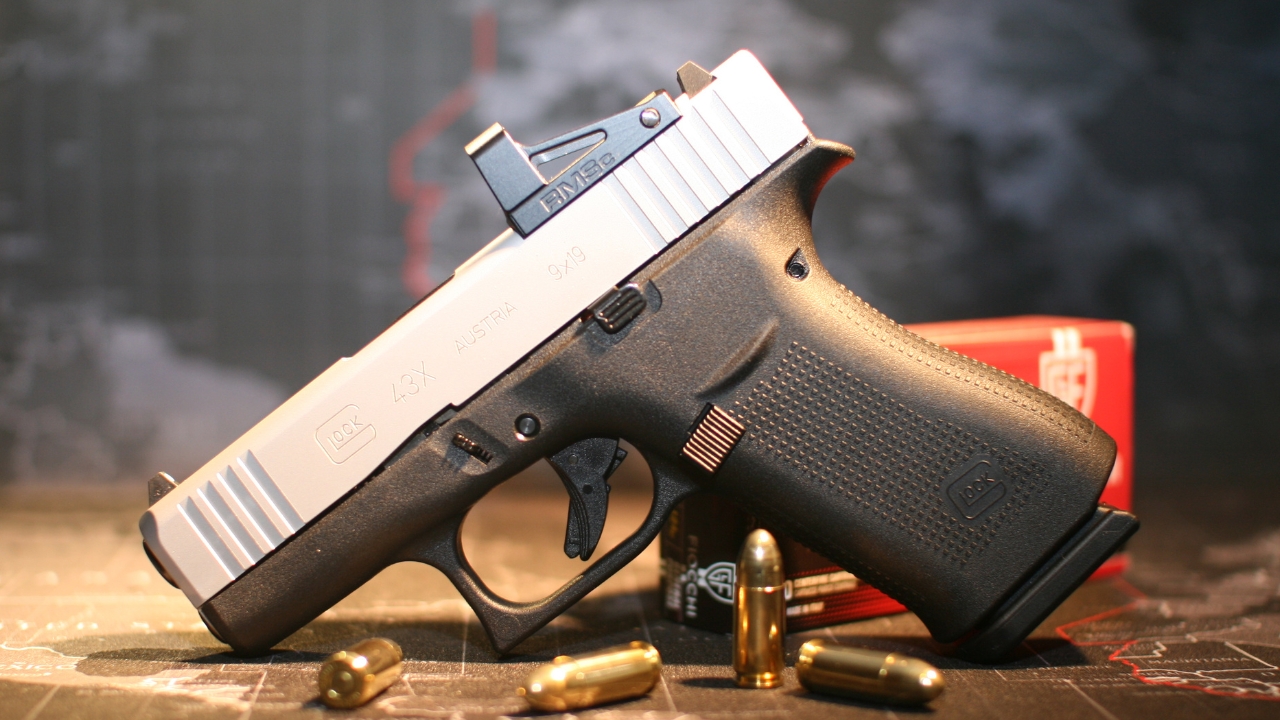
People were thrilled when Glock finally added a rail and optic cut to the 43X. It gave a lot of folks what they thought they wanted—a slim Glock with modern features. And to be fair, it carries well and plays nice with Shield Arms 15-round mags. But once you throw a red dot on top and start shooting, you might notice it’s not the magic combo you were expecting.
The grip feels narrow and tall, which can make it a little top-heavy. Some shooters struggle with recoil control, especially during quick drills. The factory trigger still feels spongey, and the short sight radius doesn’t do any favors if you’re shooting irons. The MOS version might check more boxes than the original, but performance-wise, it still leaves a lot of people wondering what all the fuss was about.
Springfield Hellcat

When the Hellcat hit the market, it shook things up. High capacity in a tiny frame? Of course people were interested. It has aggressive texturing, a nice trigger out of the box, and solid sights. On paper, it’s a winner. But once it’s in your hand at the range, things can take a turn.
The recoil is sharper than you’d expect for a 9mm. That aggressive grip texture can feel like sandpaper on a long range day. A lot of folks end up slapping on a sleeve or gloves just to shoot it comfortably. And while the trigger is decent, some shooters notice inconsistency in reset and break. It’s not a bad pistol, but it’s not as shootable as the hype suggests. For many, it’s more punishing than practical.
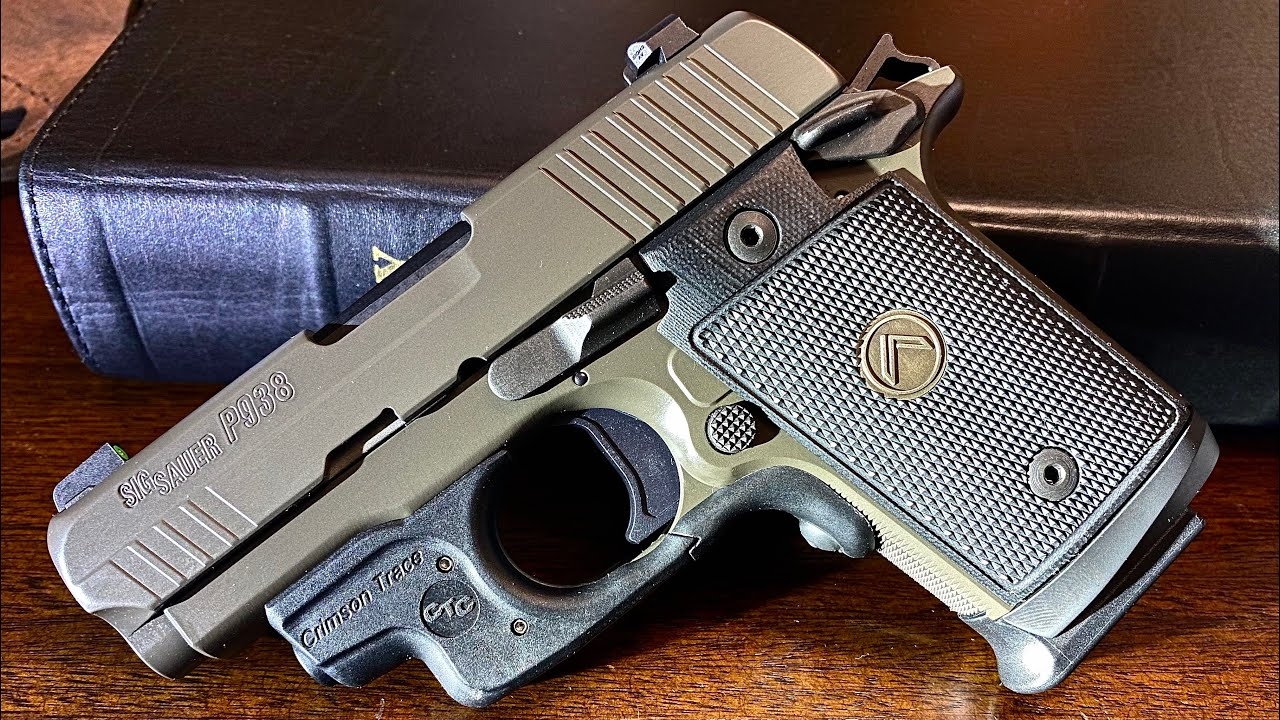
SIG P938

The SIG P938 has a loyal fanbase, mostly drawn in by its 1911 styling and compact size. It’s small enough to disappear in a pocket or waistband, and it looks great in stainless or two-tone finishes. But once you start running rounds through it, especially under stress, the flaws come out quickly.
It’s got a single-action trigger and a manual safety, which sounds nice until you’re fumbling with it on the draw. The recoil is snappy, and the small frame doesn’t give your hands much to hold onto. It’s not uncommon to ride the safety unintentionally or have malfunctions when using anything other than ball ammo. As a range toy, it’s fun. As a carry gun, it’s finicky. It’s one of those pistols people show off more than they shoot.
Taurus G3C

Taurus made waves by offering a budget-friendly pistol that actually felt decent in the hand. The G3C promised reliability, decent capacity, and a solid trigger for the price. A lot of folks jumped on it thinking they found a bargain carry piece. And at first, it looks like a solid pick. But it doesn’t always hold up when pushed hard.
Some shooters report issues with feeding and ejection after a few hundred rounds. The trigger, while better than past Taurus models, can still feel gritty and inconsistent. The finish wears fast, and the grip texture can chew up your hands on longer sessions. It’s not a total failure, but the moment you run it side by side with a higher-tier pistol, the shortcomings are obvious. People swear by it—until they shoot something better.
Ruger EC9s
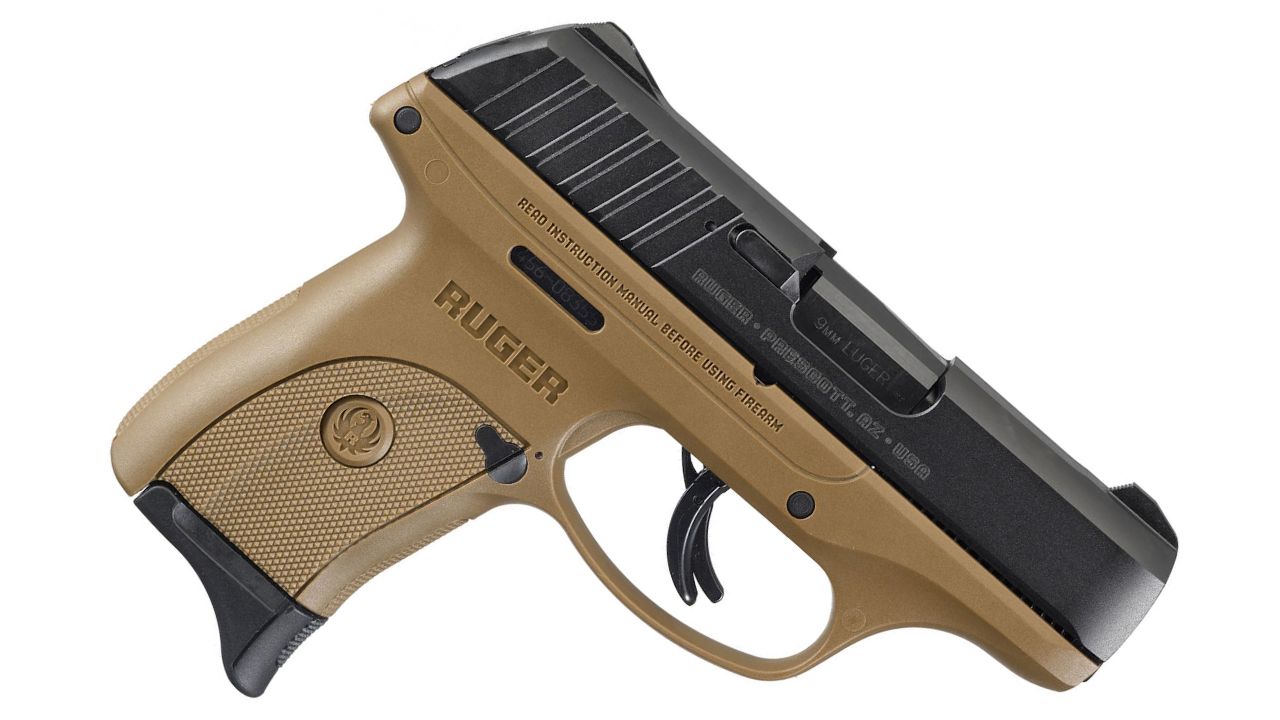
Ruger’s EC9s came out as a budget option for folks who needed a no-frills carry gun. It’s thin, lightweight, and affordable. Plenty of people picked one up based on price and brand trust alone. But when you shoot it, you quickly see where corners were cut to keep the cost low.
The sights are milled into the slide, which means you’re stuck with what’s there. The trigger is long and mushy, and the recoil feels sharper than it should for a 9mm. The grip is small and not very comfortable, especially if you’ve got larger hands. For close-range defense, it works. But it’s not a range gun, and it’s not something most folks enjoy shooting. People love to talk it up as a reliable budget gun—right up until they fire a few mags through it.
Ruger LC9s

The Ruger LC9s always gets a lot of attention for its size and reputation. It’s compact, lightweight, and easy to carry, which is why plenty of folks are quick to recommend it for everyday use. It looks the part and even feels like a good choice when you first hold it. But once you start putting rounds through it, the limitations show up fast.
The trigger is often the first complaint—it’s long and mushy with a strange break. The reset is hard to feel, which throws off your rhythm during follow-up shots. Accuracy isn’t terrible, but it takes more effort than it should. And if your hands aren’t lined up perfectly, that sharp recoil can feel snappy and unpleasant. For a gun that’s supposed to be confidence-inspiring, it doesn’t always hold up under pressure. You may not hate it, but you’re probably not raving about it either after some real range time.
Kimber Solo Carry

The Kimber Solo Carry had all the makings of a high-end pocket pistol. It’s sleek, compact, and chambered in 9mm, which made it look like a solid step up from the .380 crowd. People loved how it looked and felt in the hand. But when the shooting started, the grumbling followed fast.
The Solo is extremely picky about ammo. It runs well only with specific high-pressure loads, and even then, you’re walking a fine line. Reliability issues were far too common, even after breaking it in. Add to that a stiff, awkward trigger and excessive recoil for its size, and you’ve got a pistol that looks like a winner but leaves you shaking your head. You won’t know how frustrating it really is until you’re dealing with failure-to-feeds on a pistol that cost more than most compact carry options.
Taurus Spectrum
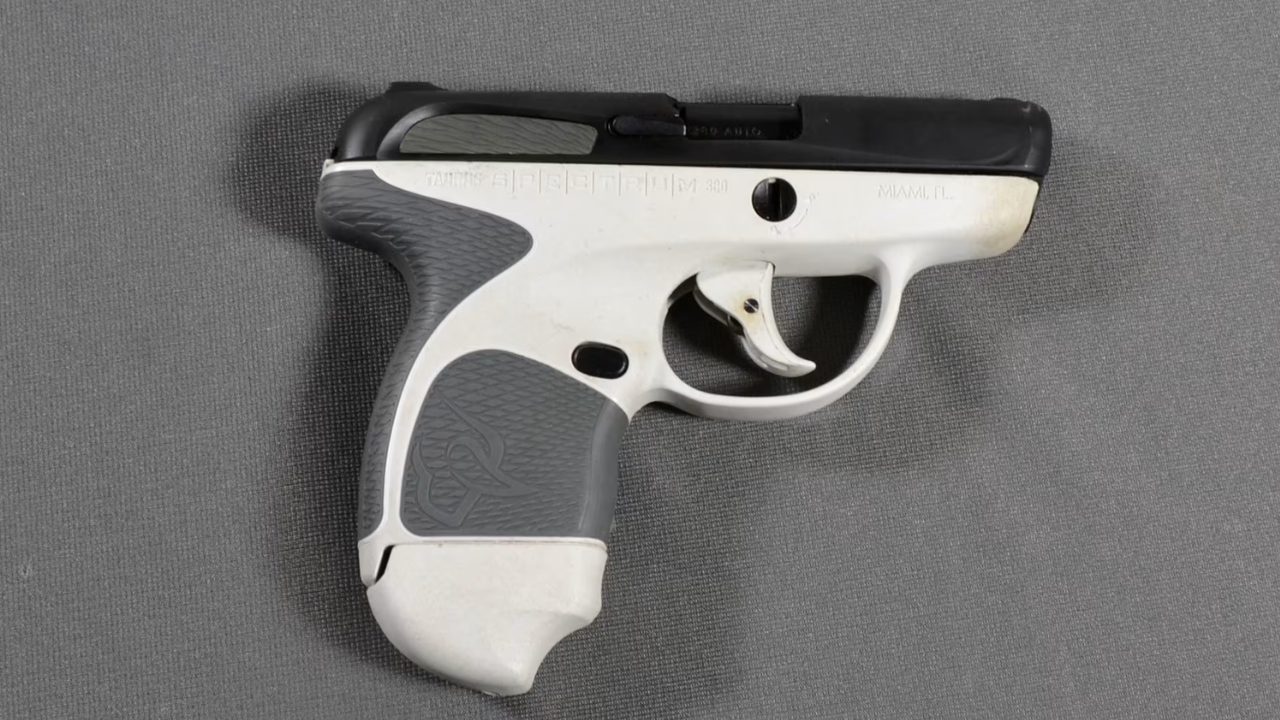
The Taurus Spectrum turned heads with its unique styling and ergonomic grip design. It was marketed as a soft-shooting, ultra-concealable .380 that anyone could handle. And on paper, it sounded like a great pick for new shooters or folks who wanted something low-profile. But it didn’t take long for the real feedback to start rolling in.
The trigger is incredibly vague, and accuracy is hit-or-miss—literally. It struggles with consistent performance, and many owners report jams right out of the box. The design may look different, but it doesn’t feel refined in your hands. Slide serrations are shallow, controls feel spongy, and overall fit and finish don’t hold up to closer inspection. If you carry it without testing thoroughly, you might find out the hard way that looks don’t equal dependability.
SIG Sauer P938 Legion

The P938 Legion is a good-looking little pistol, and it carries some prestige with the SIG Sauer name behind it. It’s a single-action 9mm that feels familiar to 1911 fans, and a lot of folks are drawn to that. On first glance, you’d think it’s perfect for discreet carry without giving up quality. But once you run a few mags through it, the glamour starts to fade.
The small frame and sharp recoil catch up with you. That aggressive texture can chew up your hands, and the tiny grip doesn’t inspire confidence for quick follow-ups. It’s snappy, especially with hotter loads. The trigger is decent, but the whole platform demands a strong, precise grip. If your fundamentals slip, malfunctions creep in. It’s a pistol you want to love—and many do—but it doesn’t always reward you when the pressure’s on or when things get dirty.
Remington RM380

The Remington RM380 looked like a smart comeback move for Remington when it launched. It had a metal frame, a snag-free design, and a very compact footprint that made it easy to carry anywhere. Folks expected it to be the next step up from older pocket .380s. But the execution fell flat.
The trigger is extremely long and offers little feedback. It feels more like a duty revolver than a modern semi-auto. That wouldn’t be so bad if reliability were top-notch, but even that’s hit or miss. The slide is tough to rack, especially for folks with limited hand strength, and accuracy feels more like guesswork than precision. For a pistol that’s supposed to be confidence-inspiring and easy to conceal, it often ends up left at home—or sold off altogether. It just doesn’t live up to what people expect once they shoot it.
Beretta APX Carry

The APX Carry has a good name backing it and a design that looks like it should work well. It’s slim, snag-free, and marketed as a reliable option in the subcompact 9mm space. The modular design and aggressive slide serrations give off a modern feel, and many folks jumped in expecting it to be a sleeper hit. But it doesn’t always deliver once rounds start flying.
The trigger is heavy and lacks a clean break. It feels more like a chore to shoot than something you look forward to. Recoil is manageable, but the ergonomics don’t do much to help you stay locked in. Slide bite is a concern for some, and there’s no real comfort in extended sessions. It runs okay with most ammo, but “okay” doesn’t cut it when you’re trusting a pistol for real-world carry. You start to wonder why you didn’t pick something more proven instead.
SCCY CPX-2

The SCCY CPX-2 offers a lot of features for the money. You’ve got a double-stack 9mm in a compact frame with a lifetime warranty, and that draws attention. It’s lightweight, affordable, and available in all kinds of color combos. On the shelf, it looks like a value-packed alternative to more expensive options. Then you actually shoot it.
The double-action-only trigger is long and heavy—borderline exhausting. Reset is vague and slow, making rapid shots a headache. The recoil feels sharper than it should, and the polymer frame doesn’t do much to tame it. Reliability can be all over the place depending on ammo and grip strength. While some shooters find a rhythm with it, many walk away frustrated and looking for an upgrade. It’s one of those pistols you have to shoot before you really know what you’re getting into.
Kahr CM9

The Kahr CM9 has a solid reputation for its compact size and minimalist design. It’s a single-stack 9mm with a smooth profile that’s easy to carry and disappears in most holsters. It’s light, simple, and doesn’t try to do too much. That sounds like a winning recipe—until you run it through a full day of drills.
The trigger is long, and while it’s smooth, it takes a while to get used to. You won’t be winning any speed drills with it, and the tiny grip doesn’t help control recoil. It’s snappy, and staying on target takes effort. Add in a break-in period where malfunctions are more common than they should be, and confidence fades fast. While some owners swear by it, others quietly trade it in for something that shoots easier and runs cleaner right out of the gate.
Like The Avid Outdoorsman’s content? Be sure to follow us.
Here’s more from us: