Photo credit: sirtravelalot/Shutterstock.com
Routine drills are where pistols earn trust—or lose it fast. Controlled pairs, reloads, simple draw-and-fire repetitions shouldn’t be dramatic. When a handgun starts choking during basic practice, it exposes problems that marketing never mentions. Malfunctions during drills aren’t just annoying; they break confidence, slow learning, and teach bad habits as you compensate for the gun instead of improving your skills.
Some pistols look great in the case or feel fine for a magazine or two. Then the round counts climb, heat builds, and suddenly you’re clearing failures instead of reinforcing fundamentals. Sometimes it’s design. Sometimes it’s tolerance stacking, magazine geometry, or ammo sensitivity. Either way, a pistol that can’t survive routine drills isn’t ready for anything more serious.
Taurus G3C

You’ll see this one show up at ranges all the time because of its price. But once you start running it hard in drills—especially with a full magazine and any kind of defensive ammo—you’ll probably hit a snag. The trigger can hang up. The slide might fail to go into full battery. And don’t even try speed reloads without double-checking every time.
In slow fire or casual carry, the G3C seems like a budget win. But when you step up to draw-and-fire, failure drills, or reload-under-stress routines, it turns into a lesson in clearing malfunctions. Some shooters get lucky. Most don’t. And even when it works, the gritty trigger and inconsistent reset throw off rhythm. A carry pistol should run without hesitation. This one doesn’t.
SCCY CPX-2

SCCY’s CPX-2 is another one that gets praise for price and little else. It’s got a long, heavy trigger that makes quick follow-up shots nearly impossible. But worse than that, under pressure drills, you’ll start to see feeding issues crop up fast. Some of these pistols choke on hollow-points. Some won’t return to battery without a little encouragement.
It’s one of those guns that feels like it’s working until you really need it to. If you’re practicing failure-to-stop drills or drawing from concealment and firing multiple shots, the CPX-2 shows its limits. It’s fine for a glovebox or occasional pocket carry. But when you want to push a pistol through reps without hiccups, this one falls short—and the malfunctions don’t always happen when you expect them.
KelTec P11

The P11 was never known for comfort, but if you’ve ever run one through a structured training session, you’ve seen how quickly it falls apart. Stiff recoil, snappy muzzle rise, and a 9-pound trigger combine to punish your fundamentals. But worse than all that? It’s notorious for light primer strikes and failure-to-extract issues mid-drill.
When every rep matters, you don’t want to stop and rack the slide because it didn’t feed clean. And you don’t want a gun that might not go bang after a reload. For basic range time, it’ll get by. But drills that stress timing, reloads, and accuracy under speed show exactly why so many folks shelved the P11 for good.
Jimenez JA Nine

This one barely holds up under slow fire. Ask it to run through mag dumps or fast-paced transitions and it starts coughing immediately. The JA Nine isn’t just cheap—it’s built like a throwaway. Malfunctions are the rule, not the exception, especially when magazines are full or ammo isn’t ball.
You’ll get stovepipes, failures to extract, and the occasional misfire, even with clean factory ammo. And the ergonomics? Clunky at best. When you’re working failure drills or shooting on the move, it feels like you’re training with a brick that misbehaves. There’s no rhythm, no trust in the cycle. Just hope. That’s not what you want in a defensive handgun.
Hi-Point C9

Plenty of folks defend the Hi-Point for being ugly but functional. But once you start stringing drills together—especially with reloads or rapid fire—the cracks show fast. The C9’s slide is massive and sluggish. Its magazine doesn’t always seat right. And if you limp-wrist it even slightly, you’ll spend more time clearing than shooting.
There’s no getting around the fact that it’s built to a price, not to perform. When you’re working through draw-and-fire sequences or engaging multiple targets, it gets in its own way. Sure, it might feed FMJ if you baby it. But in practical drills where speed and consistency matter, it can’t keep up—and it won’t pretend to try.
Kimber Micro 9

The Micro 9 feels great in hand and looks sharp, but running it hard shows its flaws. It’s picky with ammo and can be inconsistent even with good magazines. Many shooters report nose-dives on reload, or the slide not locking back properly when empty. You don’t notice it slow-firing at paper. But fast-paced drills reveal the issues fast.
The single-action trigger is crisp, but that doesn’t help when the gun fails to go into battery or refuses to feed a second round. For draw practice, it might get through one clean shot. Ask it for five in two seconds and you might be manually racking it halfway through. For real practice, it doesn’t inspire trust.
Walther CCP M2
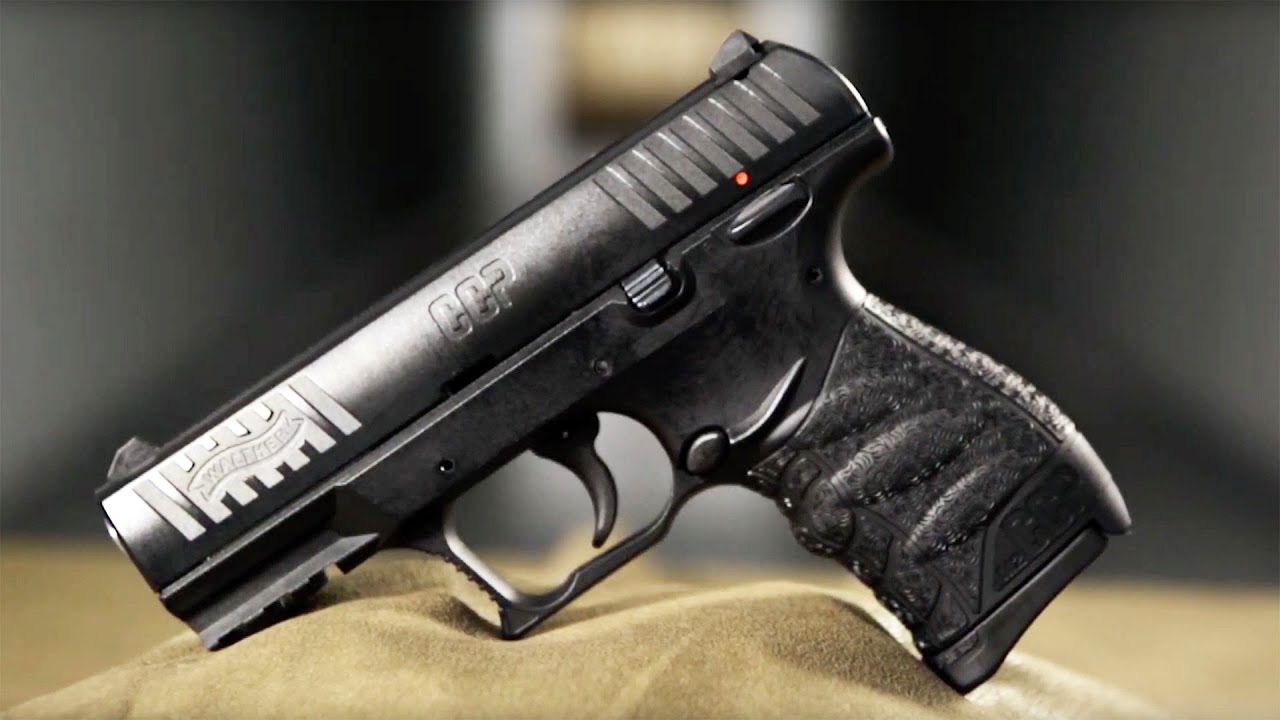
The CCP M2 was meant to be soft-shooting and easy to rack. And it is—until you start pushing it with drills that simulate stress. The gas-delayed blowback system gets filthy fast. Once it does, it starts short-stroking. Magazines become sticky. And it’ll fail to eject or double-feed right when you’re trying to move fast.
For newer shooters, it’s approachable. For serious practice, it’s annoying. You’ll lose time to stoppages. You’ll lose consistency from weird reset behavior. And worst of all, it gives you just enough false confidence to keep using it—until it fails again. That’s not what you want when you’re training for real-world use.
Springfield XD-S 3.3

This one sells well for its slim frame and carry appeal. But as soon as you start hammering out strings of fire in training, the problems start stacking. The grip safety is unforgiving with imperfect grip. The trigger can feel spongy. And short slides don’t always feed or eject clean when you’re moving quickly.
In static range sessions, you might not see any issues. But add draw time, reloads, and movement drills, and you’ll start experiencing failures to go into battery or ejections that bounce right back at you. For a single-stack carry gun, it’s too sensitive to inconsistency. You should be learning muscle memory—not how to clear malfunctions every five rounds.
Remington RM380
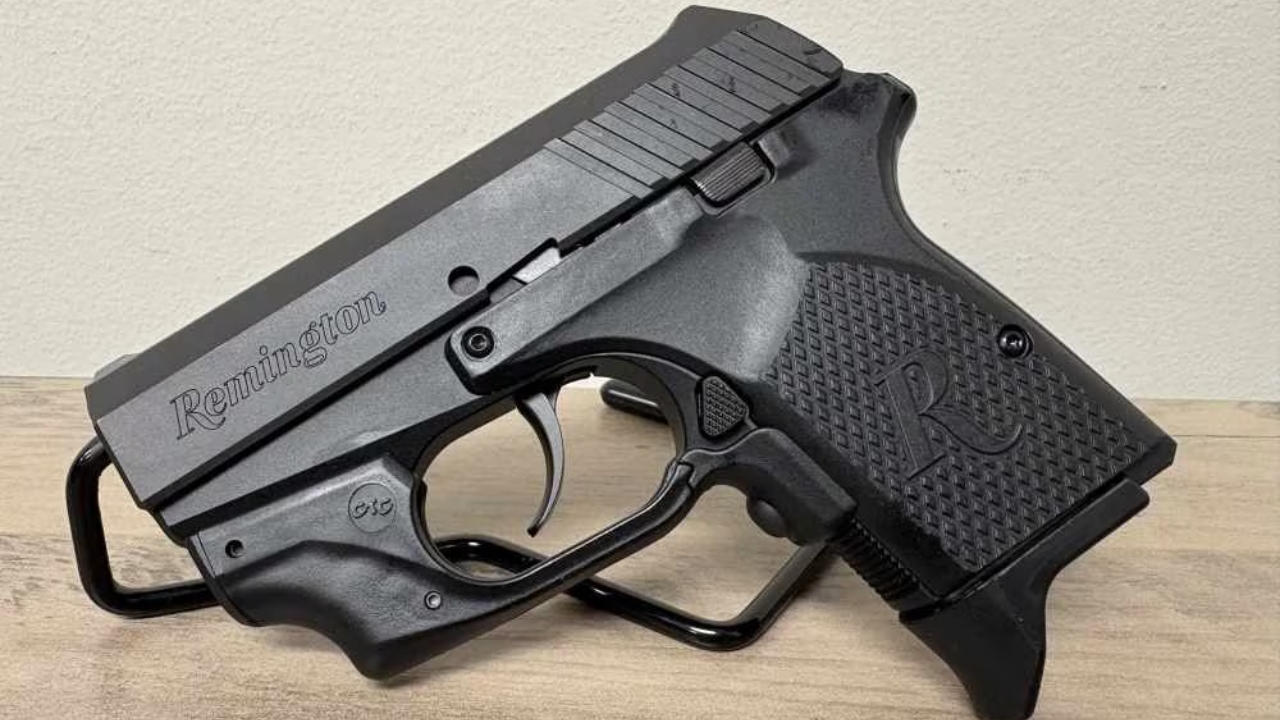
The RM380 tries to blend small size with pocket-carry reliability, but it ends up creating more problems in actual use. The long trigger pull slows you down, and the sights are barely there. Once you start practicing real drills like failure-to-stop or emergency reloads, it feels like everything is working against you.
Worse, the takedown pin can work itself out, and magazines don’t always drop free. Even something as basic as firing two rounds and reloading becomes a juggling act. Some guns are meant for deep concealment, not repetition. But when a pistol turns basic reps into an exercise in frustration, it’s not helping your training.
Hi-Point C9

The Hi-Point C9 has always been a controversial gun, and for good reason. While it can run under the right conditions, it absolutely falls apart in training environments that involve repeated manipulations. Its blowback design means recoil is more abrupt than you’d expect, and the awkward controls make reload drills clumsy.
If you’re running malfunction clearance drills, expect more malfunctions than you planned for. Its magazines can be finicky, especially when dropped and reinserted multiple times. You’re better off practicing your tap-rack-bang with something that doesn’t require it every other magazine. If you’re serious about training, the C9’s unpredictable reliability will hold you back more than it will help.
Kimber Micro 9

The Kimber Micro 9 looks refined and well-finished, but don’t let appearances fool you. It has a reputation for being finicky about ammo and unforgiving with grip errors. During training drills, especially with fast transitions or repeated shots, it’s common for this little pistol to stumble.
The biggest complaints from instructors come from stovepipes, premature slide lock, and erratic ejection. Add in a small, hard-to-grab slide and stiff controls, and you’re working twice as hard to complete simple drills. Defensive practice is supposed to build speed and consistency. With the Micro 9, you’re stuck babysitting the gun instead of running the course clean.
Beretta Nano

The Beretta Nano had potential as a slim, snag-free carry option, but it stumbles hard during live-fire training. The trigger has a sluggish reset, which slows down cadence and forces you to overcompensate. Worse, the pistol is known to experience extraction problems and fail to return to battery mid-drill.
Magazine changes are a hassle too—there’s no slide stop lever, so you have to rack the slide every time. That may sound like a small thing, but under time pressure, it creates a rhythm-breaking hiccup you don’t need. Most shooters who train regularly end up frustrated and move on to something more consistent.
Remington RM380
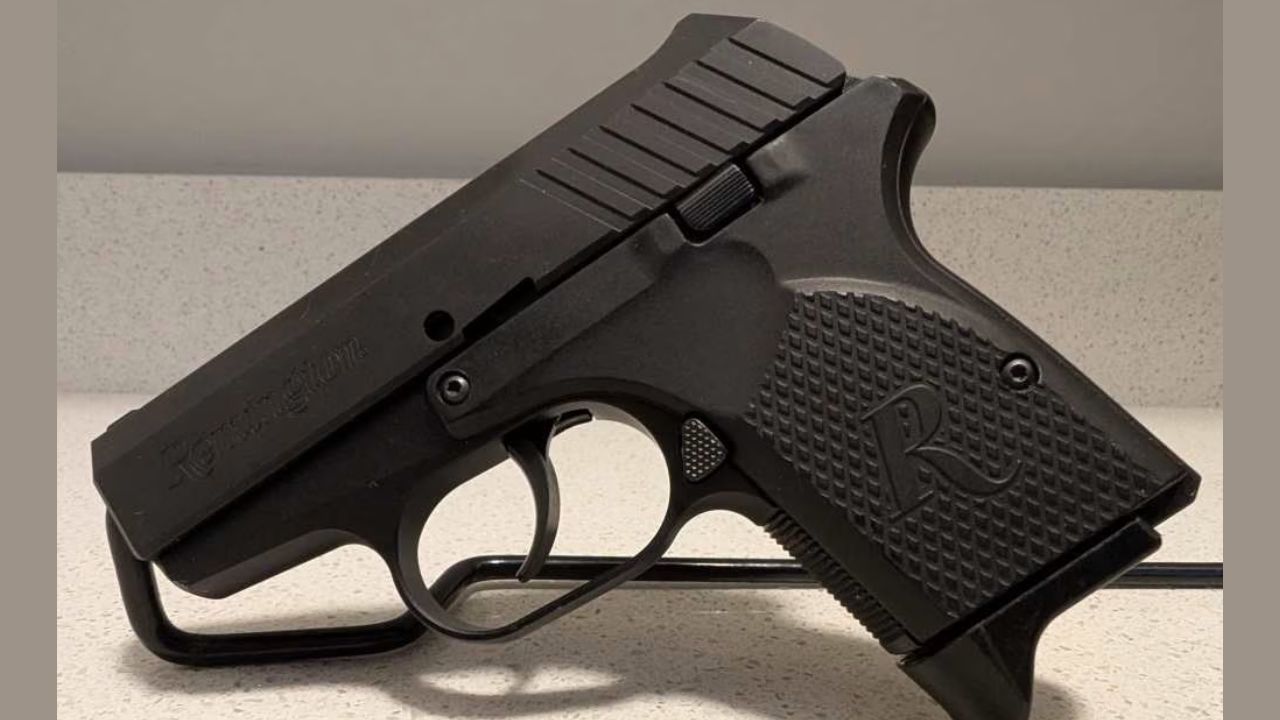
The Remington RM380 never gained a loyal following among serious shooters, and it shows why during drills. The heavy double-action-only trigger is slow, spongy, and works against you when you’re trying to string shots together. Combine that with minimal sights and you’ve got a pistol that punishes you for trying to get faster or more accurate.
It also has a tendency to short-stroke if your grip isn’t rock solid. The slide can fail to fully cycle, especially on lower-powered ammo, which can interrupt your flow mid-drill. For defensive shooting practice or high-rep sessions, it creates more problems than progress. There are better micro .380s out there that don’t fight you every step of the way.
Kahr CW380

The Kahr CW380 is small enough to disappear in your pocket, but it also disappears from the running once you start actual drills. The trigger pull is long, and the reset is even longer. Fast follow-up shots are nearly impossible to time consistently, and transitions between targets feel delayed.
Where it really shows its faults is with reloads and malfunction clearance. The slide can be sluggish to return to battery, and the tiny controls don’t lend themselves well to quick manipulation. It’s a carry gun first, but it’s not built for the kind of training that builds real skill under pressure.
Taurus G2C

The Taurus G2C gets attention because of its low price and decent feature set on paper. But once you start running drills, the hiccups appear fast. Feeding issues with various hollow-points are common, and the trigger reset isn’t as crisp as it needs to be for clean shooting under time.
It’s also prone to light primer strikes, especially with bulk ammo, which turns a simple shooting string into a headache. Add in the mushy reset and some occasional slide-lock issues, and your training sessions become more about managing quirks than refining technique. For casual plinking, it holds up. For serious work, it struggles.
Springfield XD-S Mod.2 9mm

The Springfield XD-S Mod.2 in 9mm is popular for its compact size and ergonomics, but under training stress, it doesn’t always hold up. The grip safety can be a liability during fast draws or awkward shooting positions—if you don’t get a perfect grip, the gun won’t fire.
Malfunctions also crop up more often than they should. Some shooters report failures to feed when running drills at higher speeds or with weaker ammo. That, paired with a stiff trigger and tough slide manipulation, makes it less than ideal for reps. It’s fine for occasional use, but it doesn’t like being pushed hard in training.
Like The Avid Outdoorsman’s content? Be sure to follow us.
Here’s more from us: