
Photo credit: TheFirearmGuy/YouTube
If a carry pistol hurts you every time you run it, you’ll “practice less” without ever saying it out loud. And most of the pain isn’t some macho issue—it’s usually geometry: a short grip that makes your hand ride high, a sharp beavertail, a narrow backstrap that concentrates recoil, a slide that sits low enough to tag you, or controls that chew you up during recoil. Some of these guns shoot fine. They just punish the wrong hand placement, and they don’t give you much margin when you’re sweaty, cold, or moving fast.
Kel-Tec PF-9

The PF-9 is light, thin, and easy to carry. It’s also a pistol that can beat you up because there isn’t much mass to slow the slide down, and the grip doesn’t spread recoil out across your hand. A lot of people end up with a sore web of the hand after a box or two, and the gun can feel like it’s slapping instead of pushing. The other issue is small-gun control placement—if your thumb rides high, you can end up rubbing or pinching against edges during recoil.
If you carry one, you’ve got to commit to a grip that keeps your hand locked in without creeping up. A little grip tape goes a long way, and so does being honest about how much you’ll truly practice with it.
Diamondback DB9

DB9s are slim and easy to hide, but a lot of shooters find them harsh and “handy” in the worst way. The recoil impulse can feel snappy, and the small frame creates pressure points that make your hand sore fast. A common complaint with tiny 9mms is that they feel like they’re focusing recoil into one spot instead of spreading it out. That’s how you end up with bruising or that raw, rubbed feeling after a short range session.
If you like the size, the best move is being picky about grip fit and acknowledging that you may not want 200-round practice days with it. You can still be competent with it—but you’ll have to train smarter, not longer.
Beretta Nano

The Nano carries well and has a clean, simple look. It can also be one of those pistols that feels oddly harsh for its size, especially for shooters with bigger hands. The grip shape and the way the gun sits can create a sharp recoil feel, and a lot of people end up riding the gun high to control it. That’s where the pinching starts—your hand crowds the moving parts and the edges do the rest.
The Nano can run and it can be accurate. The issue is comfort and consistency. If the gun makes you adjust your grip mid-string because it hurts, your shooting will show it. If you insist on carrying one, put real time into finding a grip that doesn’t creep upward.
Kel-Tec P-32

The P-32 is softer than the P-3AT for many shooters, but it can still bite and pinch because of the tiny grip and how high people naturally hold it to control it. The gun is slick, light, and small—so your hand can slide around under recoil, especially if your hands are sweaty or cold. That’s when you start getting pinches from the grip and rubbing from the frame edges.
If you carry it, add traction (without making it snag) and practice a grip that keeps your hand from crawling upward. These tiny pistols don’t forgive sloppy pressure. The P-32 can be a smart deep-carry choice, but you have to treat it like a specialized tool and train accordingly.
Beretta Pico

The Pico is a true deep-carry gun, and it feels like it. It’s small, thin, and can be surprisingly sharp in the hand. The grip is minimal, so recoil concentrates into a small contact area. That’s where the bruising comes from, especially for shooters who clamp hard to keep the gun stable. On top of that, tiny pistols often have edges and seams that rub during recoil, so even if you’re not getting “bit,” you can still end up with irritated skin.
The Pico’s job is to be easy to carry, not easy to shoot all day. If it’s your carry choice, keep your practice realistic: short, focused reps that reinforce your draw and first hits without turning every range day into a punishment.
Remington RM380

The RM380 can be a solid little .380, but it’s another pistol that can pinch and bite depending on your hand size and grip style. The grip is short, and people naturally grip high to control tiny guns. If your hand rides up into the wrong spot, you can get pinches and sharp contact during recoil. Some shooters also report the gun feeling “snappier” than expected for .380, which makes those small hot spots show up quicker.
If you carry it, make sure your grip doesn’t creep higher as the gun recoils. That creeping is what turns “fine for one mag” into “raw after three.” A modest grip sleeve or careful grip texture can help if it doesn’t compromise concealment.
Kahr CM9

Kahr CM9s are popular because they’re thin and carry well. They also have a recoil feel that can be sharper than people expect, and the short grip gives you less leverage to control the gun. When your support hand is doing most of the work and there isn’t much grip to hold onto, you’ll often over-squeeze with the firing hand. That creates bruising and fatigue fast, especially at the base of the thumb.
The other factor is that Kahrs can punish sloppy grip technique. If you don’t lock the gun in and the grip shifts, the gun will rub and pinch you. The CM9 can be a good carry pistol, but it asks you to be consistent with grip pressure and placement.
Kel-Tec P-11

The P-11 is another “carry a lot, shoot less” kind of pistol for many owners. It’s compact, simple, and it works—until you run it for real. The recoil feel can be abrupt, and the short grip can create a “hot spot” in the palm that turns into bruising if you’re doing multiple magazines back to back. Some shooters also find the edges and shape encourage a grip that rides too high, which is where the pinch and bite problems start.
The fix is usually a combination of grip technique and smoothing the contact points where your hand gets chewed up. If the gun makes you flinch or makes you dread practice, you’re not going to build skill with it.
Kahr PM40

The PM40 is where the “small gun” reality gets loud. .40 in a compact, light pistol is often rough, and the PM40 can be a hand bruiser for a lot of shooters. Even when the gun runs fine, the recoil impulse can feel abrupt, and small differences in grip show up immediately. You’ll see shooters get a sore web of the hand and a tired support hand after a short session, which is a big deal if you’re trying to practice regularly.
If you carry one, you have to decide if you’re truly going to train with it. A pistol you don’t want to shoot is a pistol you won’t shoot. If you’re committed, grip technique and a firm support-hand clamp matter more than anything.
Taurus GX4

The GX4 is compact and easy to carry. The problem some shooters run into is that the grip and frame shape can create a “pinch point” with certain hand sizes, especially when recoil starts moving the gun around. It’s not always “slide bite”—sometimes it’s the way the backstrap hits or the way your support hand gets squeezed between the gun and your firing hand during recoil. Over a long practice session, that turns into soreness and even bruising.
If you own one, test different grip positions and don’t assume the first “comfortable” grip is the best one under recoil. A gun can feel good in the store and still punish you once it starts cycling.
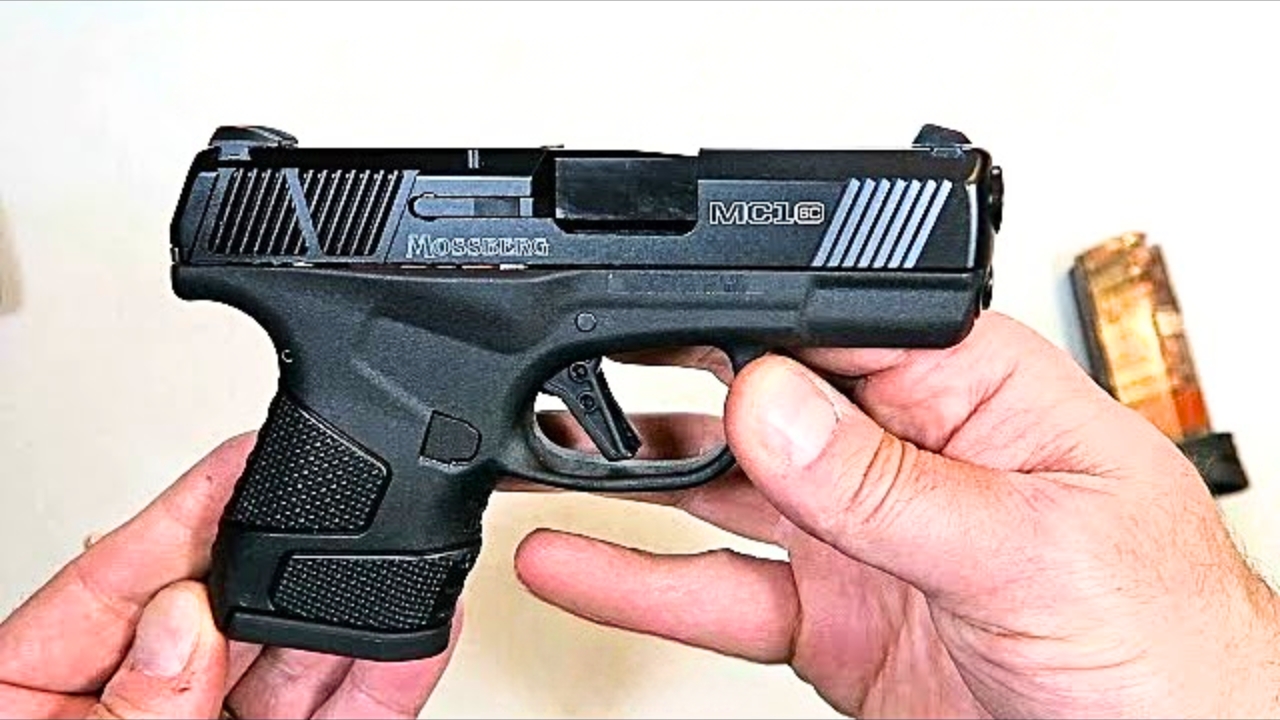
Mossberg MC1sc

The MC1sc can be a good shooter for its size, but it’s another compact that can chew up hands if your grip rides high and your thumb placement crowds the controls. Some shooters feel “pinched” during recoil because of how the frame meets the slide and how the gun recoils straight back into a small surface area. If your hands are bigger, you’ll notice it faster because there’s less room for error.
This is a pistol where good technique makes a huge difference. If you clamp correctly with the support hand and keep the firing hand relaxed enough to avoid hot spots, it’s more pleasant. If you white-knuckle it, it can beat your hands up.
SIG Sauer P365

The P365 is a great carry platform, but it’s still a small gun with a short grip, and that means it can punish certain hands. Some shooters end up getting rubbed raw where the grip meets the web of the hand, and others feel pinching during recoil because their support hand is crowded and the gun moves more than they expect. A small pistol that cycles fast will show you every weakness in your grip.
The good news is the P365 has tons of grip module and baseplate options now, and that can fix a lot of the discomfort. If it’s biting or bruising you, don’t just accept it—adjust the grip setup so the gun fits your hand without forcing you into a bad position.
Springfield Hellcat

Hellcats carry great and shoot better than most guns their size, but they can still be rough on hands. The recoil impulse can feel sharp, and the short grip can cause your hand to ride high. That’s where pinching and rubbing show up, especially during longer sessions. Some shooters also find the texture and edges are great for control but not great for comfort if your grip shifts at all.
If you carry a Hellcat, build your grip around repeatability. The biggest comfort improvement usually comes from adding a little more grip length (extension/baseplate) and making sure your support hand isn’t getting squeezed into a bad angle. Small carry guns punish small mistakes.
Kel-Tec P-3AT

Tiny .380s are famous for being unpleasant, and the P-3AT is no exception. It’s so small and light that recoil energy has nowhere to go but into your hand. Even mild .380 loads can feel sharp. The grip is short enough that your hand position can shift during recoil, which is where pinches and rubbing show up. If your grip isn’t consistent, the gun can also snap and slap the web of your hand.
People carry these because they disappear. That’s valid. Just understand the tradeoff: they’re rarely fun to shoot, and “not fun” often turns into “not practiced.” If it’s your carry gun, shoot it enough to stay honest about what it does to your hands and your speed.
Glock 43

The Glock 43 is a classic slim 9mm carry gun, and it can absolutely tag people. It’s not always dramatic “slide bite,” but plenty of shooters get rubbed raw or feel bruising because the grip is short and the recoil impulse is quick. If your hand rides high and your grip creeps upward during recoil, the back of the slide area and frame can start chewing on you, especially if you’re doing speed work.
The fix is usually grip and grip length. A small extension often makes a huge difference in comfort and control. If a gun makes you adjust your grip every few shots because it hurts, you’re not going to shoot it well under stress. Solve the fit problem early.
Like The Avid Outdoorsman’s content? Be sure to follow us.
Here’s more from us:


