Photo credit: SixRounds Studio/YouTube
Age does strange things to the gun market. The second a firearm gets old enough, a lot of buyers stop judging it like a gun and start judging it like a relic. Wear becomes “character.” Ordinary examples become “hard to find.” A rifle or pistol that sat unwanted for years suddenly gets discussed like it belongs in a museum, even when the actual value case is thin and the practical side is even thinner. That is how a lot of people end up paying for mood instead of substance.
This does not mean every older gun is overrated. Some absolutely deserve respect, and some really are worth serious money. But plenty of aging firearms keep getting treated like treasure mostly because buyers want them to feel important. They are paying for nostalgia, name recognition, and the comfort of owning something that looks significant, even when the model itself is common, compromised, or simply not that special in the real world.
Winchester Model 94

The Winchester Model 94 gets treated like buried gold far more often than it should. The name is huge, the deer-camp nostalgia is even bigger, and a lot of buyers stop thinking clearly the second they see one with worn blue and a saddle ring story attached. They are not evaluating one rifle. They are responding to what the rifle represents.
That is why so many average examples get elevated into something more than they really are. A common Model 94 in ordinary condition is still just a common Model 94 in ordinary condition. It may be likable, useful, and historically familiar, but that does not automatically make it a treasure. Buyers often pay as if every one of them carries collector gravity when, in reality, plenty are simply old woods rifles riding a very strong emotional wave.
Remington 742 Woodsmaster

The Remington 742 keeps getting treated with a level of reverence that the rifle itself often struggles to support. A lot of hunters remember seeing them in camp, in trucks, and in family closets, so the model carries emotional weight. That memory has helped a lot of buyers start confusing familiarity with value.
The problem is that sentiment can cover up a lot of practical reality. The 742 was never some flawless autoloading wonder, and many people who used them hard learned that the hard way. Even so, average rifles still get talked up like they are precious pieces of deer-hunting history instead of what they usually are: older semiautos with strong nostalgia and very mixed real-world appeal. Buyers keep paying for the memory while pretending the rifle itself is the prize.
Colt Detective Special

The Colt Detective Special has enough old-school charm to make buyers behave irrationally. It feels stylish, historic, and grounded in a way that makes people think they are buying a meaningful little revolver with real collector heft. Sometimes they are. A lot of times, though, they are buying a lot of Colt energy attached to a very ordinary older snub.
That is where the value gap opens up. The revolver is neat. The model matters. But many examples are being treated like heirloom-grade finds when they are really just old carry revolvers with cosmetic wear and a strong name. Buyers love the idea that they own a classic detective gun. That feeling often does a lot more work than the actual value case ever could.
Smith & Wesson Model 10

The Smith & Wesson Model 10 is one of the clearest examples of buyers upgrading “respected” into “treasured” without much evidence in between. It is a very good revolver with enormous history, and that is exactly what gets people into trouble. They hear all the right old terms, police issue, service revolver, classic K-frame, and suddenly every Model 10 starts sounding like it belongs on velvet.
But history and value are not always the same thing. A common Model 10 with lots of use, no unusual features, and no special provenance is still a common Model 10. It may absolutely be worth owning. That does not mean it deserves the kind of treasure treatment people keep giving it. A lot of buyers are paying for the story of an old duty revolver rather than the actual revolver sitting in front of them.
Luger P08
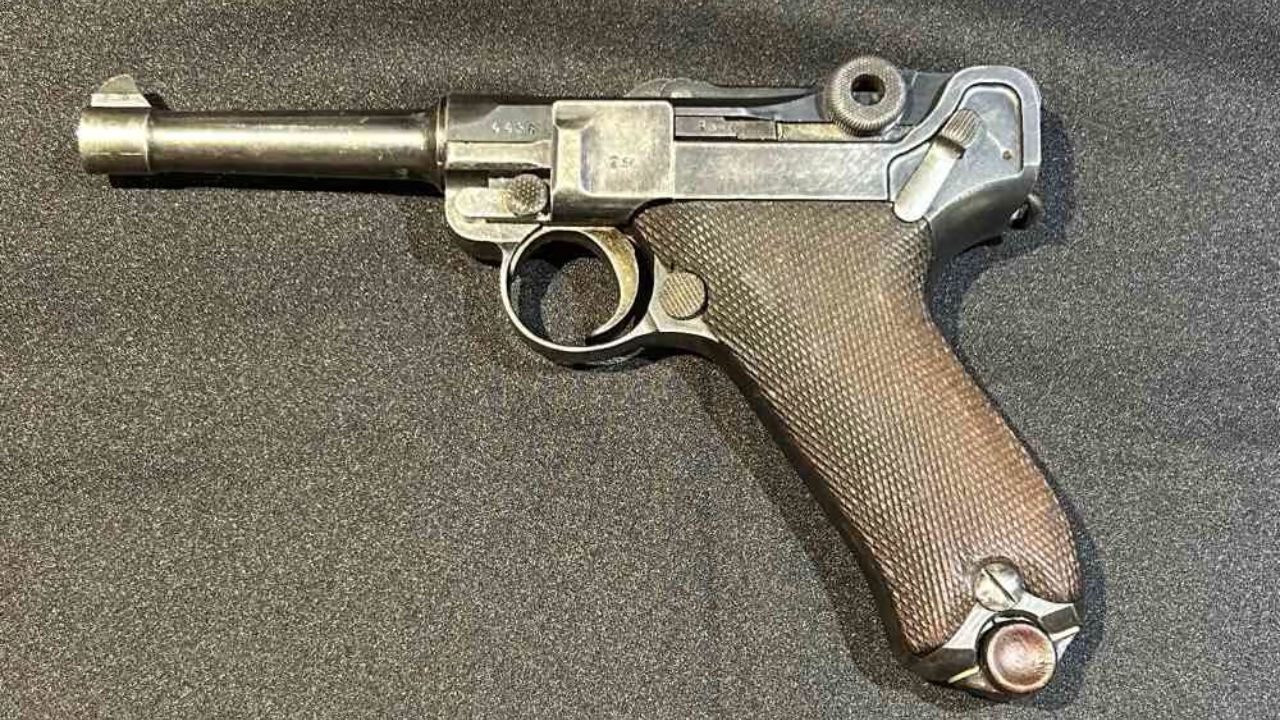
The Luger gets treated like treasure almost automatically because the silhouette does half the work before the buyer even asks a useful question. It looks historic, it looks expensive, and it looks like something a collector is supposed to want. That visual power keeps ordinary examples wearing very heavy emotional premiums.
Then reality gets inconvenient. Condition, matching status, authenticity concerns, refinishing, and plain old practicality all start mattering much more than many buyers want to admit. Plenty of Lugers are genuinely desirable, but plenty of others are being romanticized into the stratosphere simply because the shape and the wartime associations trigger instant reverence. The treasure feeling often arrives before the buyer has done enough thinking.
Mauser C96
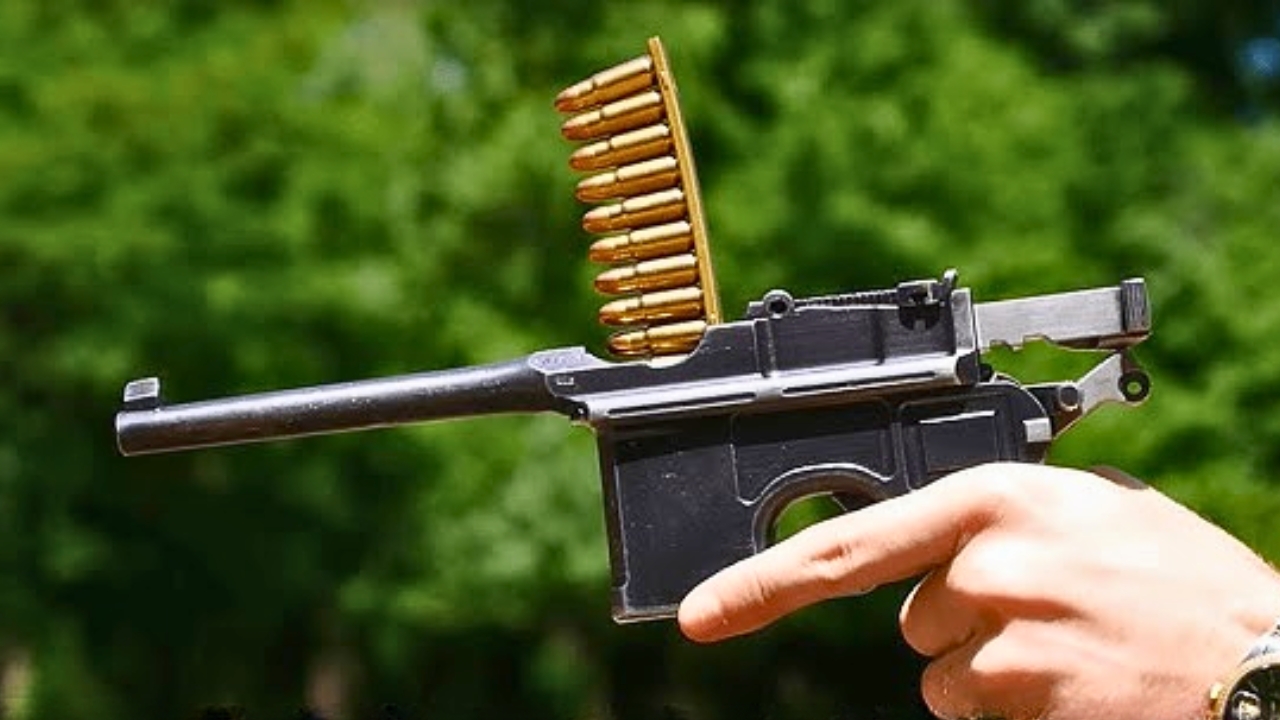
The Mauser C96 has one of the strongest “artifact” vibes in the entire handgun world, and buyers fall for it constantly. The broomhandle profile is so distinctive that people stop judging it like a firearm and start treating it like a prop from history itself. That can turn even rough, imperfect, or less desirable examples into emotional purchases very quickly.
That is the problem. The gun can be fascinating without every example being worth the kind of money and reverence people keep piling onto it. A lot of buyers are responding to shape, age, and cultural image more than actual value. The C96 absolutely matters. That does not mean every one of them is buried treasure discovered under a barn floor.
Winchester Model 12

The Winchester Model 12 still gets lifted into treasure territory by buyers who remember when a pump shotgun with real quality meant something extra. To be fair, the shotgun earned genuine respect. The trouble starts when people treat every worn hunting gun like it is a special object simply because the receiver says Winchester and the action feels smooth enough to stir up feelings.
That emotional inflation has gotten pretty common. A field-used Model 12 with no rare configuration and no collector rarity can still pull a lot of reverent talk from buyers who want to feel like they found something much more important than they did. It can be a fine old shotgun and still not deserve treasure pricing or treasure language.
Savage 99

The Savage 99 gets treated like a collector’s secret handshake, and that makes buyers unusually easy to separate from their money. They love the rotary magazine, the old-deer-rifle prestige, and the feeling that owning one proves they understand something deeper than the average lever-gun buyer. That self-image helps inflate very ordinary rifles into something much more precious.
Some 99s absolutely are desirable. Many others are simply old hunting rifles that keep benefiting from the owner’s need to feel discerning. Buyers often act like every Savage 99 is a hidden masterpiece instead of asking whether this specific rifle, in this specific condition, at this specific price, is actually all that special. Too often the answer is no, but the treasure story is already too appealing to let go.
Remington Nylon 66

The Nylon 66 has become one of those guns people love to talk about like it is a forgotten masterpiece they heroically rediscovered. The nostalgia around it is real, and so is the uniqueness. But the market’s emotional attachment often runs well ahead of the gun’s actual value in ordinary examples.
A lot of buyers are not purchasing one because it fills some irreplaceable need. They are buying a memory and a novelty that sounds smarter and rarer in conversation than it often is in practice. The Nylon 66 is cool. That does not automatically make every used one a treasure. Plenty of them are simply old rimfires with a lot of cultural warmth wrapped around them.
Walther P38

The P38 keeps getting treated like it must be valuable simply because it is old, military, and German. That is powerful collector bait. Buyers see the shape and the wartime connection and start talking about it in reverent tones long before they have separated historical interest from actual market value.
That is why average, rough, or overly romanticized examples still pull treasure treatment. The pistol matters historically. But historical significance does not mean every specimen deserves collector-grade pricing or emotional overreaction. A lot of people are buying the idea of a wartime pistol more than they are buying a genuinely exceptional example of one.
Ruger Security-Six

The Security-Six is a very solid revolver that keeps getting treated like a much more magical object than it really is. Buyers love discovering that old Rugers were tough, useful, and underappreciated for years, and that discovery creates a kind of overeager collector pride. Suddenly a well-used practical revolver becomes “one of the good old ones” in a tone that suggests hidden treasure.
That reaction usually says more about the buyer’s excitement than the gun’s actual rarity or value. The Security-Six is good. It is worth respect. But many examples are being talked about and priced like they are something much more exotic than a sturdy older service revolver. Treasure talk starts early when buyers think they found a forgotten truth.
Browning Auto-5
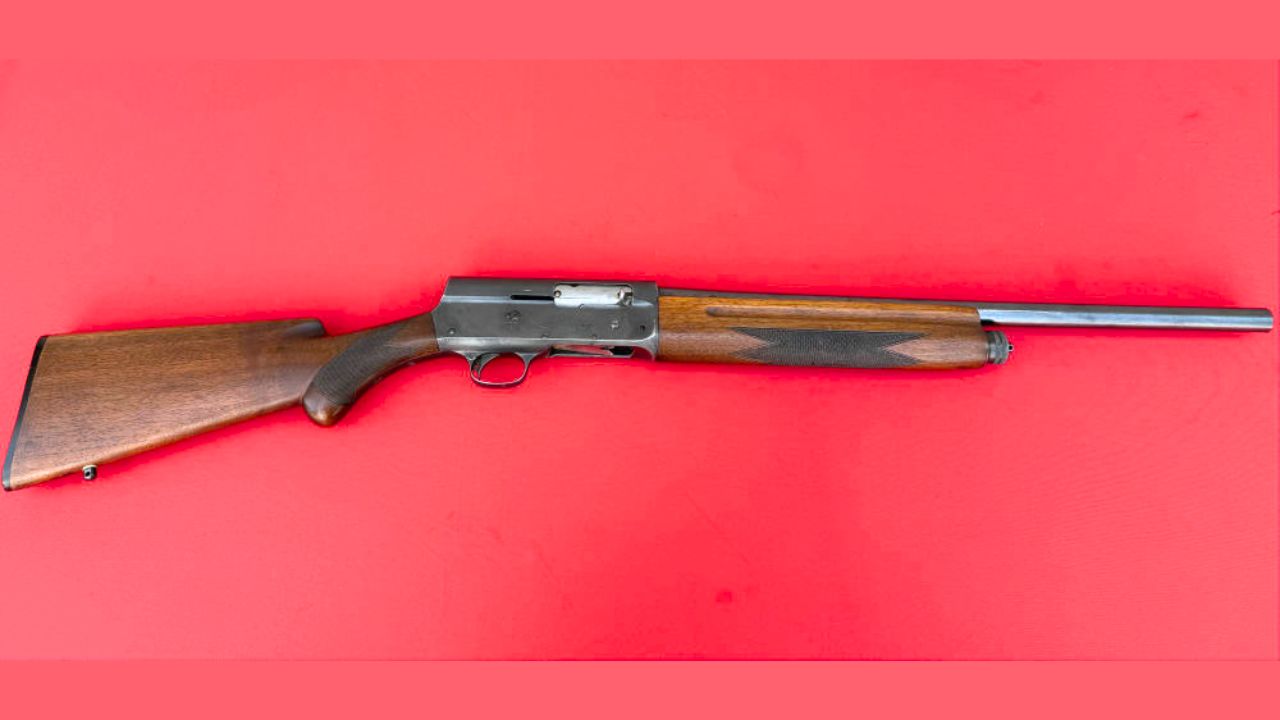
The Auto-5 gets romanticized so heavily that buyers often stop looking at the actual shotgun in front of them. The humpback profile, the long history, and the Browning name create immediate emotional inflation. That makes it easy for rough, ordinary, or heavily used examples to get treated like they are heirloom-grade finds.
The issue is not whether the Auto-5 matters. It does. The issue is that a lot of average Auto-5s are being bought and defended like priceless family silver when they are really just old field shotguns with a famous outline. Buyers often respond to the shape first, the story second, and the practical value somewhere much later.
Colt Woodsman

The Colt Woodsman gets treated like treasure because it checks so many emotional boxes at once. It is old, elegant, rimfire, Colt-marked, and easy to talk about like the sort of thing only people with taste would appreciate. That makes it incredibly easy to over-romanticize.
A really nice Woodsman can absolutely be desirable. But a lot of buyers keep treating very normal examples like they stumbled into something much more important than they did. The treasure label shows up because the pistol feels refined and historic, not always because the specific gun justifies the glow surrounding it.
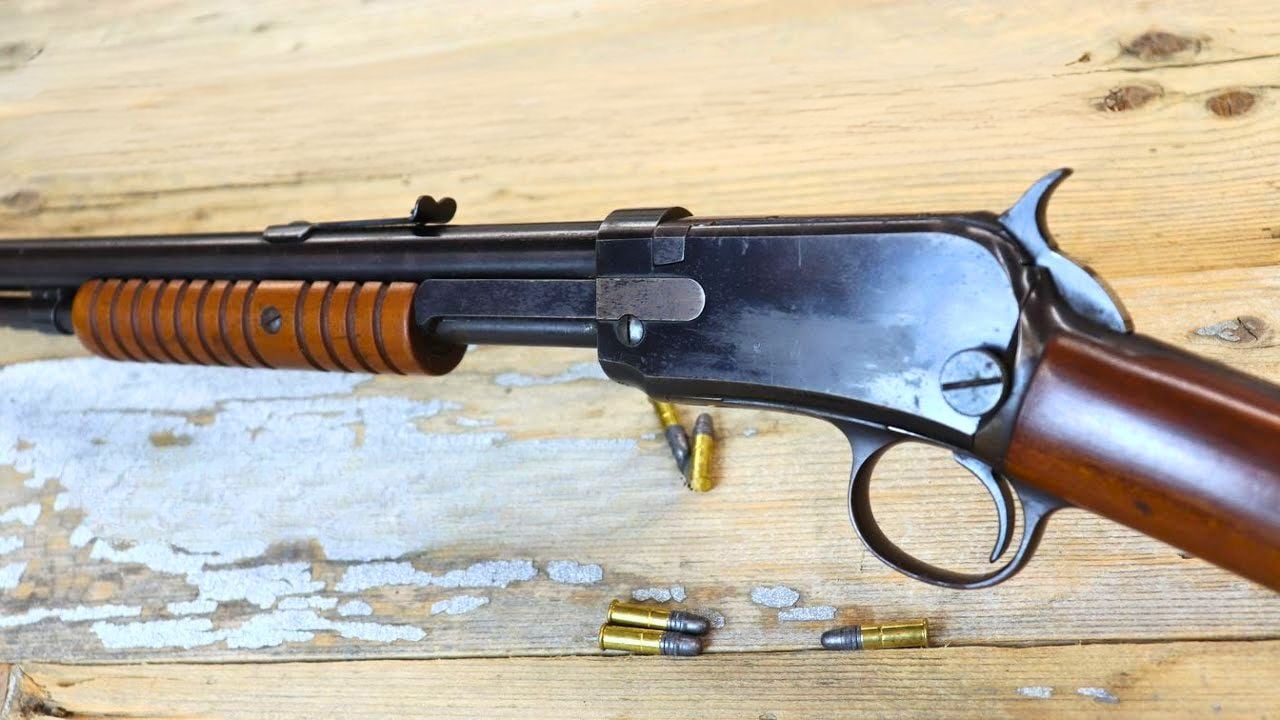
Winchester 1906

The Winchester 1906 gets treated like a folk relic from a better America, and that alone is enough to send a lot of buyers straight past practical judgment. Old pump .22s pull hard on memory, especially when Winchester is on the barrel. People begin imagining boys’ rifles, farm sheds, and old shooting culture before they have even checked whether the rifle itself is especially scarce or especially valuable.
That is what inflates the model in ordinary condition. A lot of 1906 rifles are being purchased more for atmosphere than for genuine collector quality. They can absolutely be charming and worth owning, but charm is not the same thing as treasure. Buyers often know that intellectually and then ignore it the second the nostalgia hits.
Smith & Wesson Model 36

The Model 36 keeps getting treated like a sacred object simply because it is an old Chief’s Special, and that phrase carries a lot of emotional weight in revolver circles. Buyers hear it and stop thinking about how many were made, how many still exist, and how ordinary a lot of surviving examples really are. The model sounds important, so the gun starts getting treated like it must be valuable in a deeper way.
That is not always true. It can be a very good little revolver and still not deserve treasure treatment. A lot of buyers are paying for symbolism, not rarity. They love the idea of owning an old-school snub with the right rollmark, and that desire keeps pushing average guns into a category they often do not really belong in.
Like The Avid Outdoorsman’s content? Subscribe to our newsletter so you never miss an article.
Here’s more from us: