
Photo credit: SPN Firearms/YouTube
Carry used to mean compromise: low capacity, rough triggers, tiny sights, and guns you tolerated more than you enjoyed. Then a handful of pistols came along and changed what people expected—more rounds, better shootability, easier concealment, and platforms you could actually train with. These are the guns that pushed the whole carry world forward, not because they were perfect, but because they made everyone else step up.
Glock 19

The Glock 19 changed carry because it proved you didn’t need a tiny pistol to conceal a serious one. It gave people a compact size with real capacity, real reliability, and a simple manual of arms that didn’t fall apart under stress. It also created a “standard” that trainers could teach around: consistent trigger, consistent controls, and consistent performance across a lot of shooters.
What really changed the game was the ecosystem. Holsters, mags, sights, parts—everything was easy. That matters when carry becomes a lifestyle instead of a once-a-year decision. The G19 made it normal to carry something you could also shoot hard in training without babying it.
Glock 26

The Glock 26 showed people that a small gun didn’t have to be fragile or weird. Before the 26, a lot of small pistols felt like their own category with their own problems. The 26 carried like a subcompact but ran like a Glock, and it gave shooters a platform they could shrink down without changing the whole operating system.
It also normalized the idea of using bigger mags as reloads. Carry the short mag in the gun, keep a longer mag as backup, and you’ve got a flexible setup that’s still simple. The 26 made “small but serious” feel realistic for a lot of folks who didn’t want a pocket .380.
Smith & Wesson J-Frame 642

The 642 didn’t change carry by being high-tech. It changed carry by being honest. For decades it was the gun people actually carried when life got messy—deep concealment, light clothing, quick trips, backup roles. It made “always carry” realistic for people who would leave a bigger gun at home.
It also shaped expectations about simplicity. No magazine, no slide, no feeding issues—just a small revolver you can live with. It’s not easy to shoot well, and anybody who’s honest will admit that. But the 642 proved that real carry is often about consistency and convenience, not the coolest gear.
Ruger LCR

The LCR modernized the snub for people who wanted a revolver that carried easier and shot a little friendlier than the classic steel bricks. It gave the revolver crowd a lighter, more ergonomic option that still felt like a real defensive tool. A lot of people who would never commit to a heavier snub started carrying because the LCR finally made it tolerable.
It also brought new shooters into the revolver world without making them feel like they had to buy a museum piece. The LCR wasn’t about nostalgia—it was about practical carry. That shift mattered, because it reminded people that even with all the modern micro 9s, revolvers still fill a role.
Kahr PM9
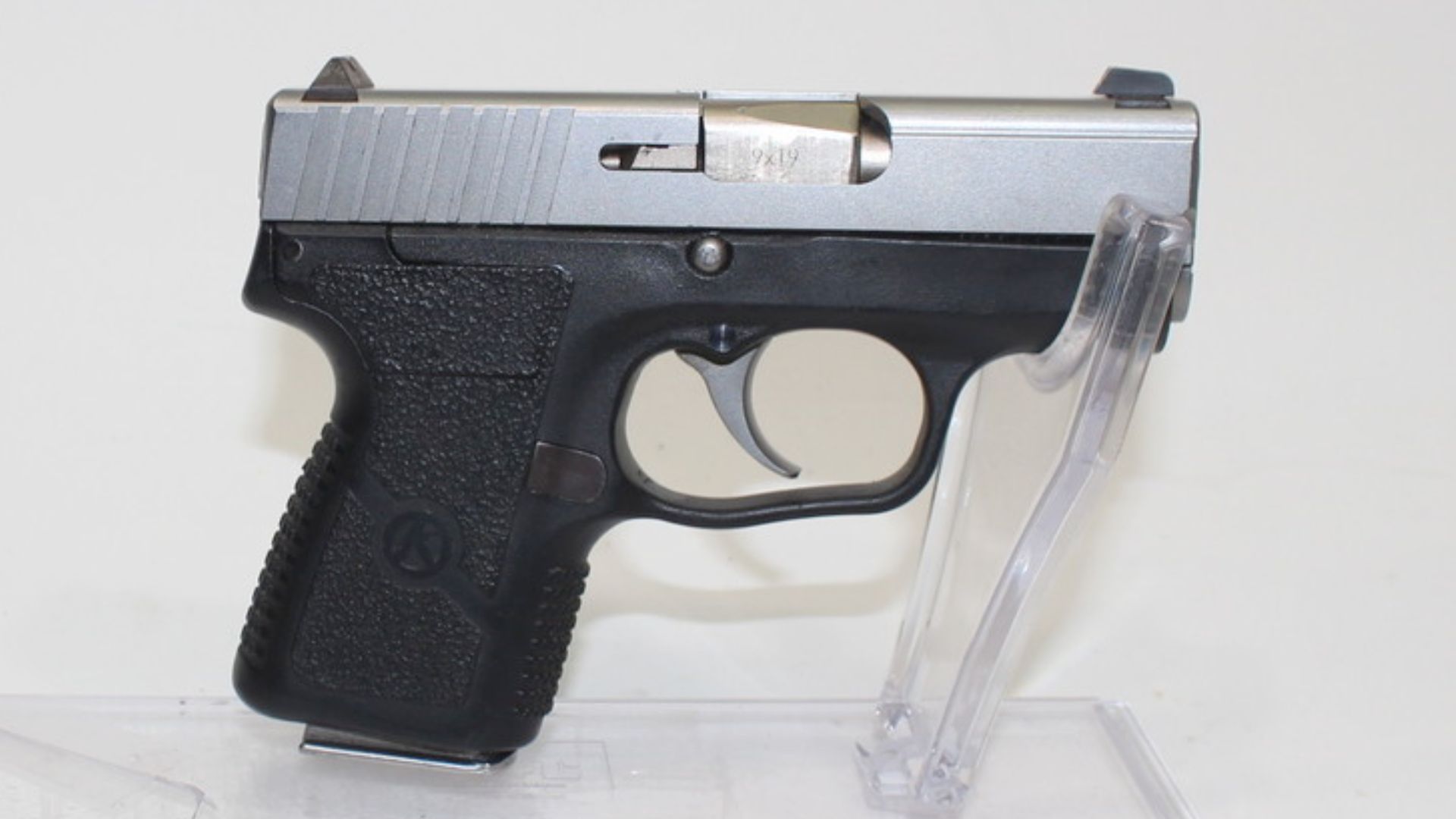
The PM9 was one of the early “thin 9mm that actually makes sense” carry guns. It pushed the market toward slimness before micro 9s became the norm. For a long time, if you wanted a truly flat 9mm, you were accepting compromises. The PM9 showed that a small, thin pistol could still be a legitimate defensive option.
It also made people think about concealment differently. Thickness is a big deal on the belt, and the PM9 highlighted that. Even shooters who didn’t buy one started comparing pistols by “how thick does it feel in a holster,” not just barrel length and weight.
Kel-Tec P-11

The Kel-Tec P-11 doesn’t get enough credit for how much it pushed the idea of compact capacity. It was one of those “small gun, big magazine” concepts that made people rethink what a carry pistol could be. It wasn’t refined, and the trigger wasn’t winning beauty contests, but it got the core concept out there.
The P-11 helped plant the seed that a carry gun didn’t have to be low-capacity by default. Later pistols polished that idea into something more comfortable and more shootable, but the P-11 was part of the bridge from “tiny equals weak” to “tiny can still be capable.”
Ruger LCP

The LCP changed carry by making pocket carry mainstream again. It wasn’t the first pocket pistol, but it hit the market at the right time with the right price and the right size. A lot of people who never carried suddenly had a gun they could actually keep on them in normal life.
It also changed expectations about backup guns. The LCP became the “second gun” people actually carried, which meant more people had a real plan when their primary wasn’t practical. Even folks who later moved to micro 9s often started with the LCP because it made the habit possible.
Smith & Wesson M&P Shield

The Shield is a big reason slim 9mm carry exploded. It took the “single stack” idea and made it feel like a normal defensive pistol, not a specialty tool. It was easy to conceal, easy to get in a holster, and easy to find support for. A lot of people carried Shields for years without feeling undergunned.
The Shield also became the gun that convinced people to practice. It was small enough to carry daily, but not so tiny that range time felt miserable for everyone. That balance matters. A carry gun that encourages practice changes the whole relationship a shooter has with carrying.
Glock 43

The Glock 43 showed what happened when Glock finally went truly slim. It wasn’t the highest-capacity option, but it brought Glock simplicity into a thinner package that fit more body types and more clothing styles. For a lot of people, it was the first time they could carry a Glock without dressing around it.
It also forced the industry to pay attention to the “thin carry” crowd. Once Glock entered that lane, everyone else had to compete harder. The 43 wasn’t perfect, but it helped set the stage for what came next: micro 9s with real capacity.
SIG Sauer P365
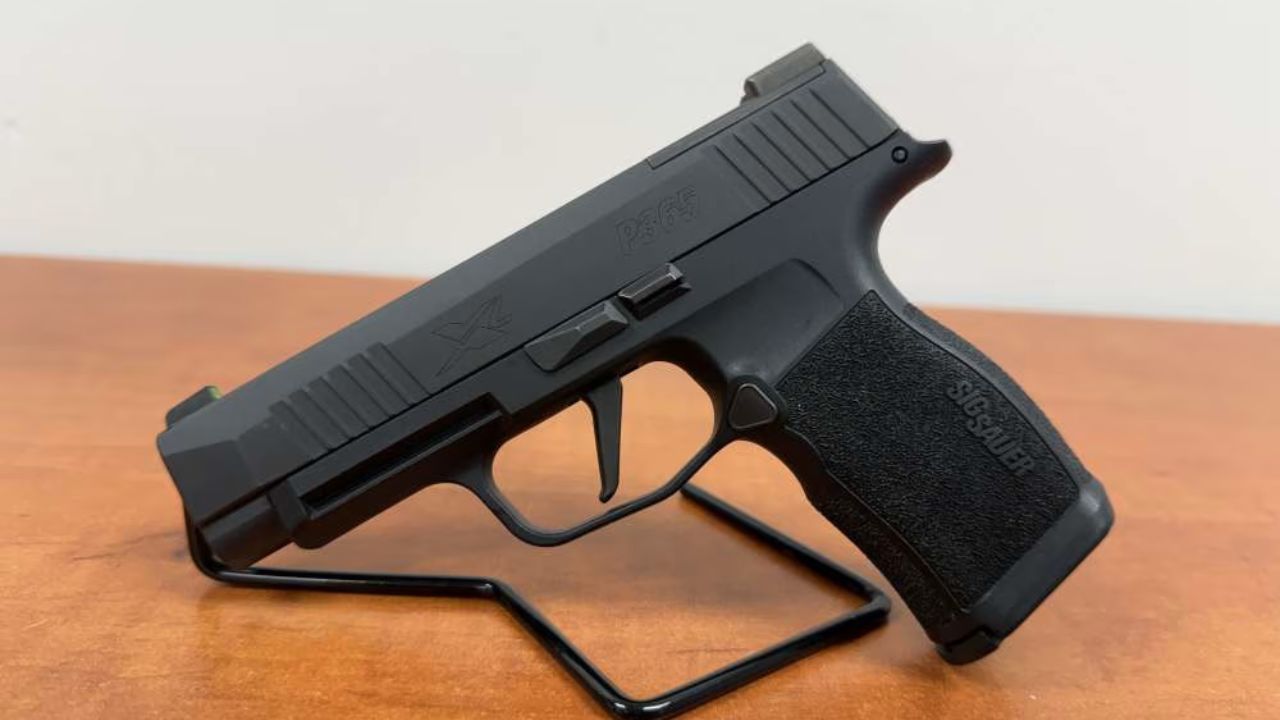
The P365 blew the doors off carry expectations. It made people stop accepting low capacity as the price of concealment. Suddenly you could carry a very small 9mm and still have a round count that felt serious. That shift rippled across the whole market, because nobody wanted to be stuck selling “six or seven rounds” as a feature anymore.
It also pushed a new normal: micro guns that are actually shootable. You still have to do your part, but the P365 made “small but capable” feel like the default. After the P365, every new carry gun got judged against that standard.
Springfield Hellcat

The Hellcat kept the pressure on and gave people another credible high-capacity micro option. It showed that the micro 9 category wasn’t a one-gun story. You could get similar capacity in a similar footprint with a different feel and different ergonomics, which helped carry shooters pick what actually fit their hands and habits.
It also normalized the idea that your carry gun could ship ready for modern setups—good sights, optic-ready variants, and practical features without turning into a giant pistol. That’s part of how carry changed: the “carry gun” stopped being a stripped-down compromise.
Glock 43X
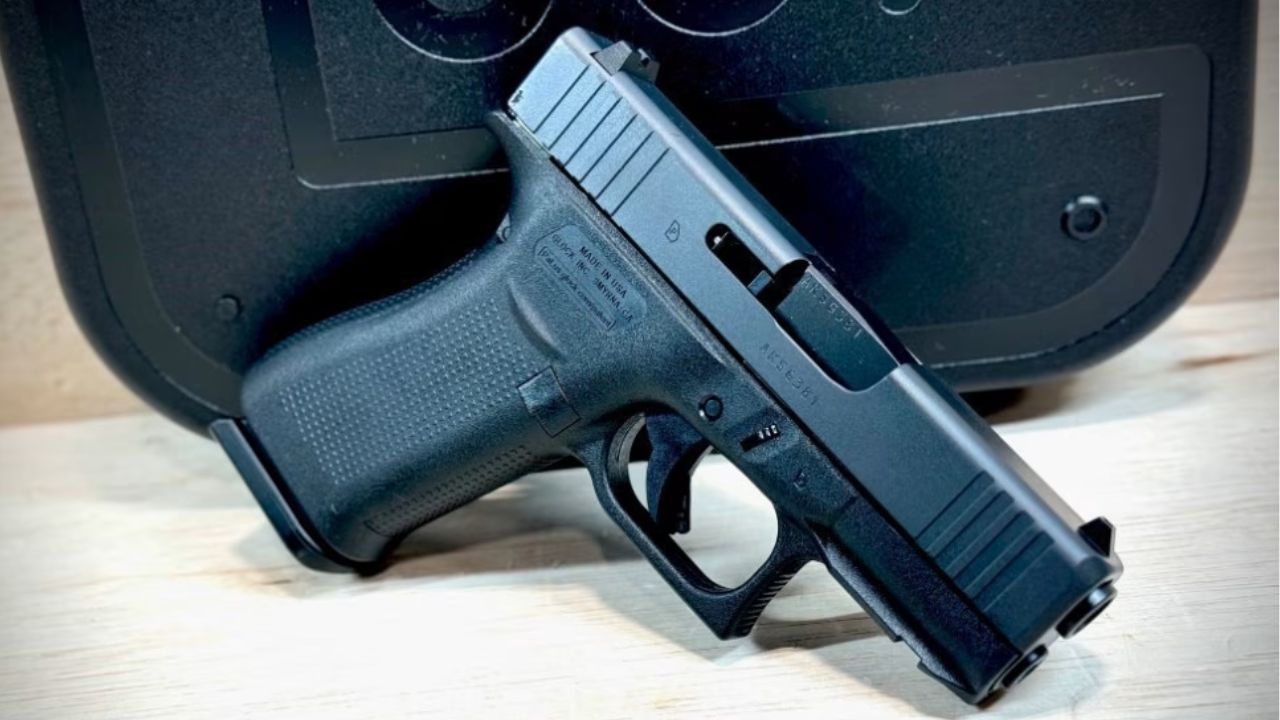
The 43X changed carry thinking by solving a real problem: many shooters can’t run tiny grips well. The 43X gave people a slim gun with a grip that feels like a real pistol. It’s easier to control, easier to draw consistently, and easier to shoot fast for a lot of hands. That matters more than a spec sheet.
It also shifted the conversation toward “shootability first.” A gun you can actually run well beats a smaller gun you barely control. The 43X became the proof that slim plus usable grip is a winning formula for everyday carriers.
Glock 48

The Glock 48 is a sneaky important one because it bridged slim carry and “shoots like a bigger gun.” The longer slide helps some shooters track better, and the overall balance makes it feel calmer than the smallest micros. For a lot of people, it’s the first slim gun that doesn’t feel like a compromise when the timer comes out.
The 48 also pushed the idea of choosing carry guns based on how you shoot, not just how they hide. Some folks conceal the 48 just as easily as a smaller gun. If that’s you, the 48 shows why you should carry the gun you shoot best.
Staccato C2
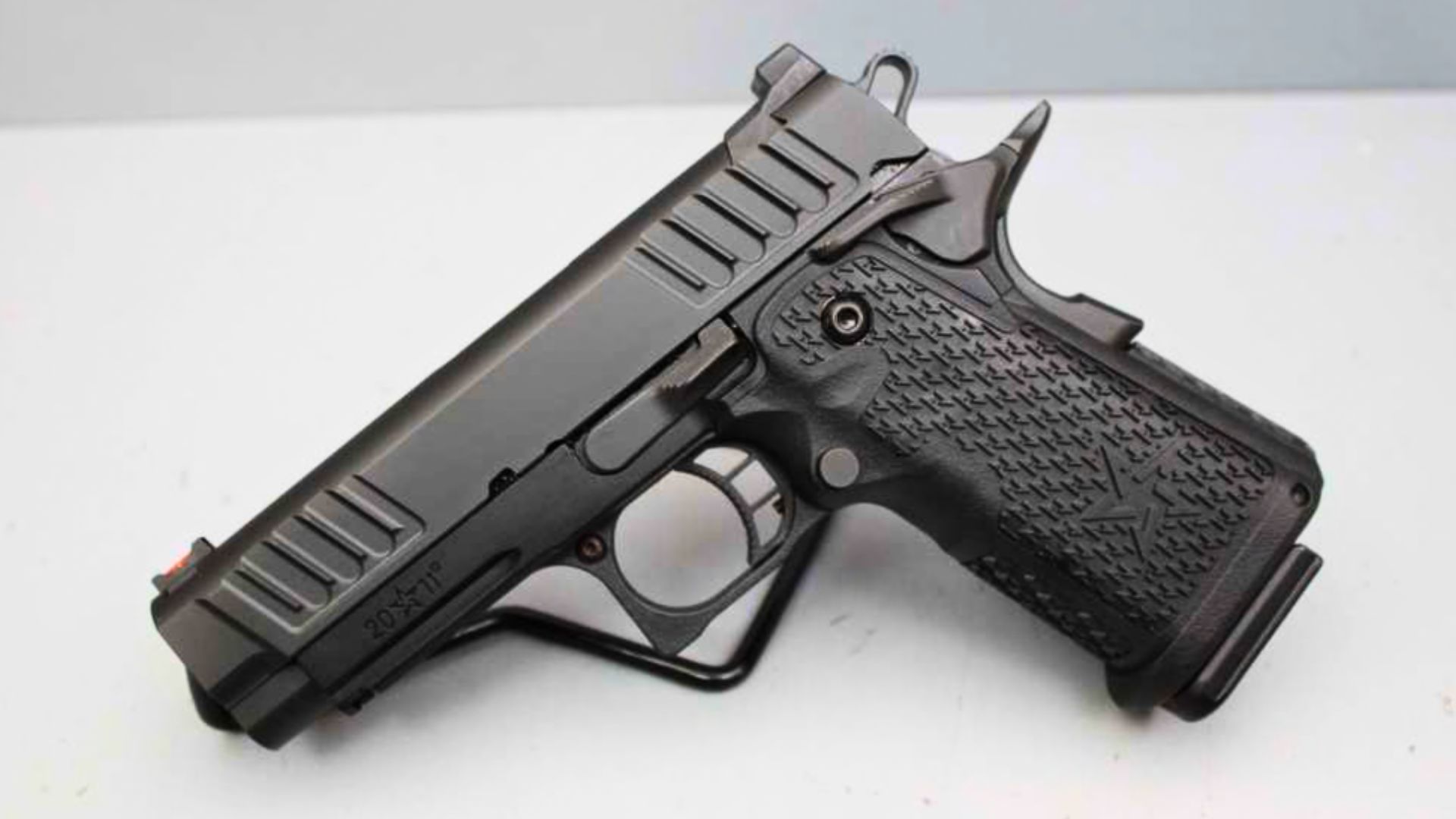
The C2 changed carry thinking for serious shooters because it proved a “high performance” pistol can still be carried realistically—if you’re committed to the belt/holster setup. It brought 2011-style speed and shootability into a size that a lot of people could actually live with, and it made some carriers realize how much easier accuracy at speed can feel.
It also changed expectations about what people would pay for carry performance. Not everyone needs it. Not everyone wants it. But the C2 made “carry a pistol that shoots like a race gun” feel possible, and that shifted the ceiling of what people expect from carry guns.
Like The Avid Outdoorsman’s content? Be sure to follow us.
Here’s more from us:


