Photo credit: TheHumbleMarksman/YouTube
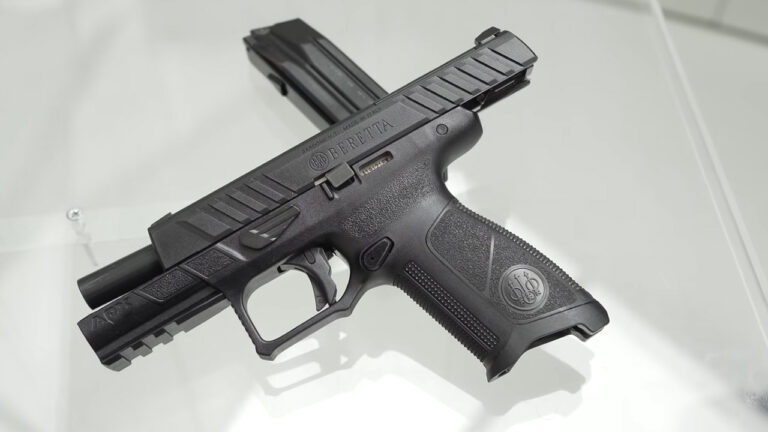
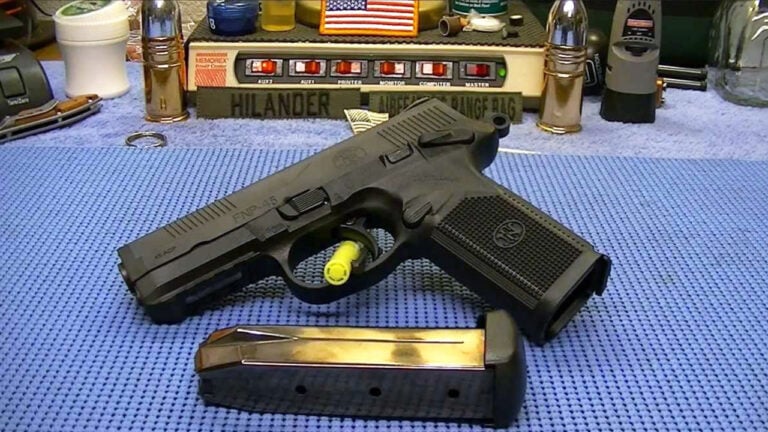
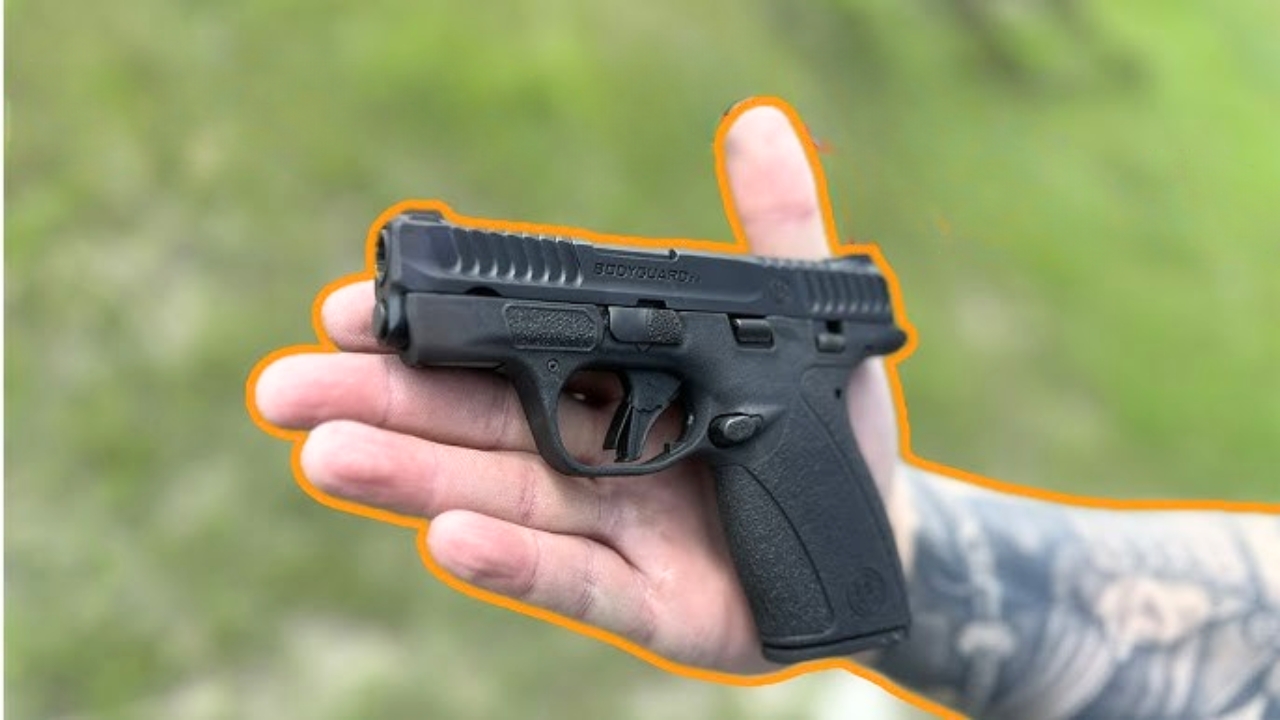
Pocket pistols are convenient, but they’re not exactly forgiving. The small size, short sight radius, and snappy recoil make them harder to shoot well compared to larger guns. If you plan on carrying one, you need to train with intention. These tips will help you get comfortable, stay accurate, and build real-world confidence with your pocket gun.
Get a Solid Grip from the Start
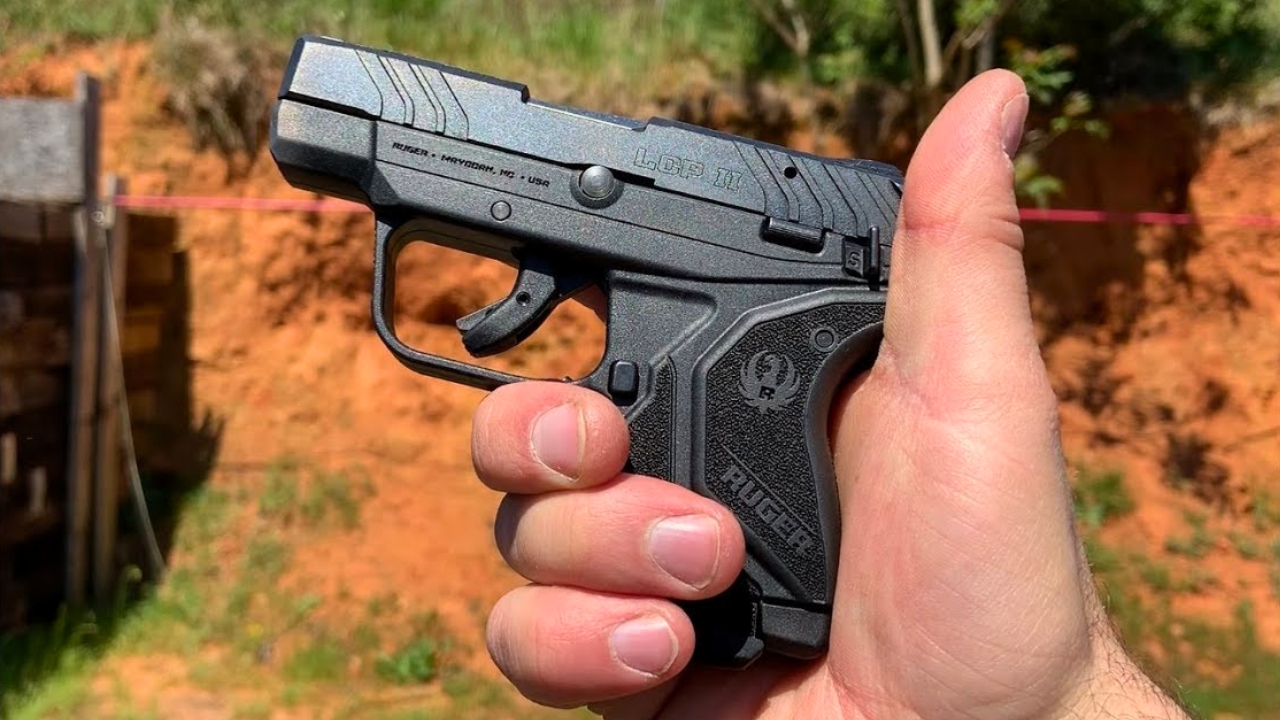
Pocket guns don’t give you much to hold onto, so you have to make every bit of contact count. Practice drawing with a firm, repeatable grip that locks your wrist and controls recoil. If your grip shifts after every shot, accuracy and speed are going to suffer.
Dry-fire drills are great for this. Practice establishing your grip as you draw from your pocket, holster, or belly band. If your hand lands in a different spot each time, fix that before adding live fire.
Focus on Trigger Control

A lot of pocket pistols come with heavier, longer triggers. Rushing that kind of trigger is a fast track to jerking shots low and left (or right, if you’re a lefty). Smooth, steady pressure is key.
Dry-fire practice can really help here. Work on pressing the trigger without disturbing your sights. The smaller the gun, the more every little movement matters.
Use the Sights You’ve Got

Tiny sights can be hard to see, but that doesn’t mean you can ignore them. You’ve got to train your eyes to pick them up quickly. Bright paint or a dab of nail polish on the front sight can help with visibility.
Don’t skip your sight picture just because it’s a close-range gun. Yes, point shooting has a place, but if you’ve got time to aim, take advantage of it. The more you work with those sights, the faster your eyes will find them under pressure.
Practice One-Handed Shooting

Pocket guns are often used in situations where two-handed shooting isn’t an option. You might be holding a child, opening a door, or fending someone off. That means you need to be comfortable shooting with either hand alone.
Start slow and focus on control. Pocket pistols can feel snappy when fired one-handed, especially with hot defensive loads. Build up strength and confidence by mixing one-hand drills into every range trip.
Work on Fast, Close-Range Shots

Let’s face it: pocket guns are made for up-close trouble. You’re not using these things for 25-yard precision. Spend time on fast, accurate shots from 3 to 7 yards. That’s your wheelhouse.
Practice shooting from the draw and from compressed positions. Train to get hits quickly without wasting time on a perfect stance. It’s more about controlled urgency than textbook form.
Draw from Concealment

If you’re not practicing how you actually carry, you’re not really training. Whether your pocket gun rides in a front pocket, ankle holster, or belly band, you need to rehearse that draw until it’s second nature.
Be realistic with your clothing too. If your draw gets tangled in your jacket or your pants are too tight to access the pocket holster, you’ve got work to do. Train the way you carry.
Don’t Ignore Reloads

Yes, reloading a pocket pistol is slow and awkward—but that’s exactly why you should train it. Even if the odds of needing a reload are slim, fumbling one under stress is a bad look.
Keep it simple. Practice stripping a mag and inserting a fresh one without trying to be flashy. If you carry a spare mag, make sure you can reach it quickly and without fishing around.
Know Where It Hits

Some pocket pistols hit low or drift shots off-target because of their small size or fixed sights. That’s why you need to shoot your carry ammo and know exactly where it prints.
It’s not just about group size—it’s about knowing where those rounds are going to land. Confidence in your point of impact means faster and more decisive shooting when it counts.
Use Recoil to Your Advantage
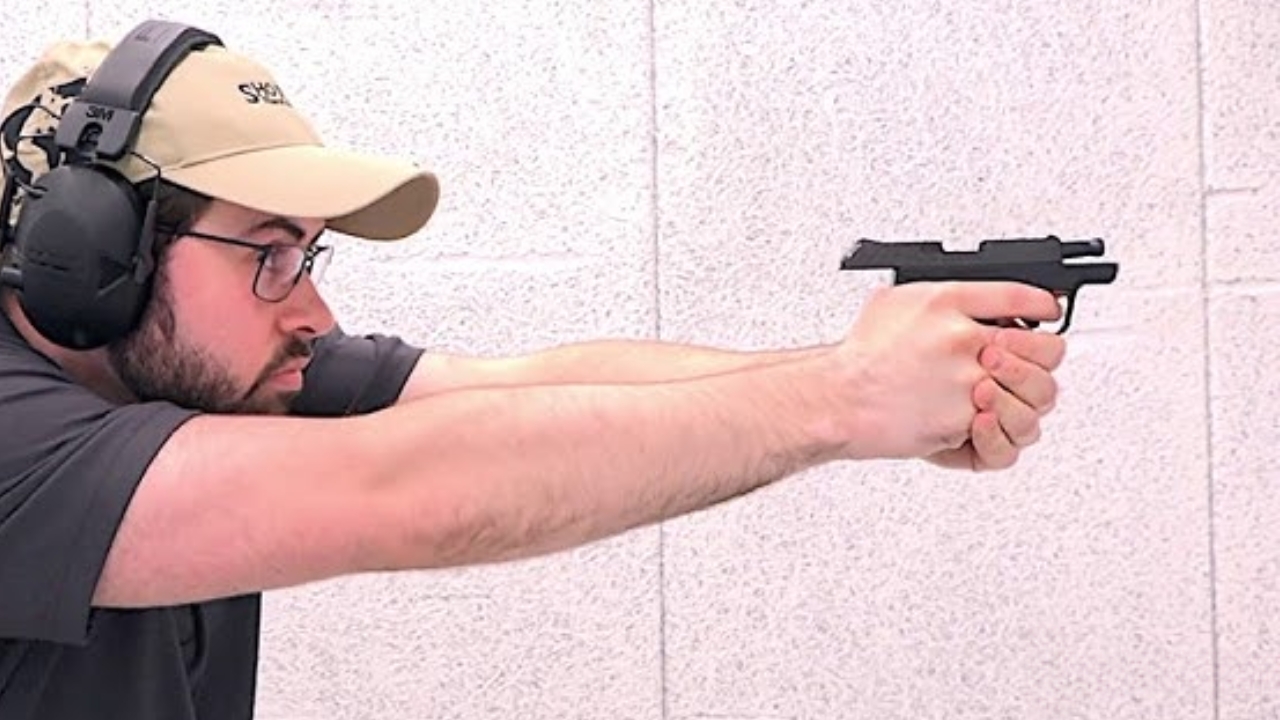
You’re not going to stop recoil on a tiny gun—it’s just physics. But you can learn to ride it and get back on target faster. Don’t fight the muzzle rise—control it and bring it right back down.
This takes time and reps. Focus on resetting your trigger as the gun recoils and prepping for the next shot. You’ll be surprised how quickly your follow-ups improve with just a little rhythm.
Train for the Worst-Case Scenario

Pocket guns are last-ditch tools in a lot of cases. That means you need to be ready to use them when things are ugly—close, chaotic, maybe even hands-on. Think clinch-range, retention shooting, and defending while backing up.
If you’ve got access to force-on-force training or a reputable self-defense course, take it. Those reps under pressure teach you things that paper targets never will.
*This article was developed with AI-powered tools and has been carefully reviewed by our editors.