Photo credit: Hipster Tactical/YouTube
A lot of modern handgun buzz burns hot and dies fast. One release gets treated like the future, then six months later another one shows up with a slightly different feature list and suddenly the old “game changer” starts looking like used inventory with a press kit. That cycle never really stops. What does stop it cold is time. Time exposes which handguns were truly built around use and which ones mostly lived off launch energy.
That is what separates the guns on this list. These are not the same recycled names people drag out every time this topic comes up. These are handguns that still feel serious, still shoot well, and still make a lot of modern hype look temporary once the novelty clears. They do not need a fresh wave of attention to stay relevant. They already proved they belong.
HK P7

The P7 still makes modern hype look flimsy because it feels like a gun built by people who were solving real problems instead of marketing future accessories. It is compact, flat, and mechanically distinct in a way that still feels purposeful rather than gimmicky. Once you actually shoot one, it becomes obvious that a lot of thought went into making a handgun that carries well and shoots with unusual confidence.
That is what makes it such a strong anti-hype gun. It does not need to be optics-ready, modular, or endlessly reintroduced in updated trims to remain interesting. It still feels advanced in the ways that matter, which is exactly why so much “new hotness” starts sounding disposable next to it.
Smith & Wesson 5906

The 5906 still makes modern hype look temporary because it feels like a real service pistol in the deepest sense of the term. Heavy, durable, controllable, and built to be used instead of admired, it reminds people that a handgun does not need to chase sleek branding to earn trust. Plenty of modern pistols promise durability. The 5906 feels like it already survived the argument.
It also has a kind of calm authority a lot of newer guns never quite match. You pick it up, shoot it, and quickly understand that this thing was built around repeatable performance, not launch-cycle excitement. That difference becomes more impressive the older it gets.
Browning BDA .45

The BDA .45 still makes modern hype look temporary because it offers one of those older large-frame shooting experiences that newer pistols often try to replace with features instead of feel. It is substantial, smooth, and much more shootable than many buyers expect if they only know it as an older name from a display case.
That is exactly why it lasts. A lot of modern handguns sell the idea of refinement. The BDA simply has it. Once enough rounds go downrange, the age of the design starts feeling less relevant than the maturity of it. That is bad news for hype-heavy pistols.
Ruger P89

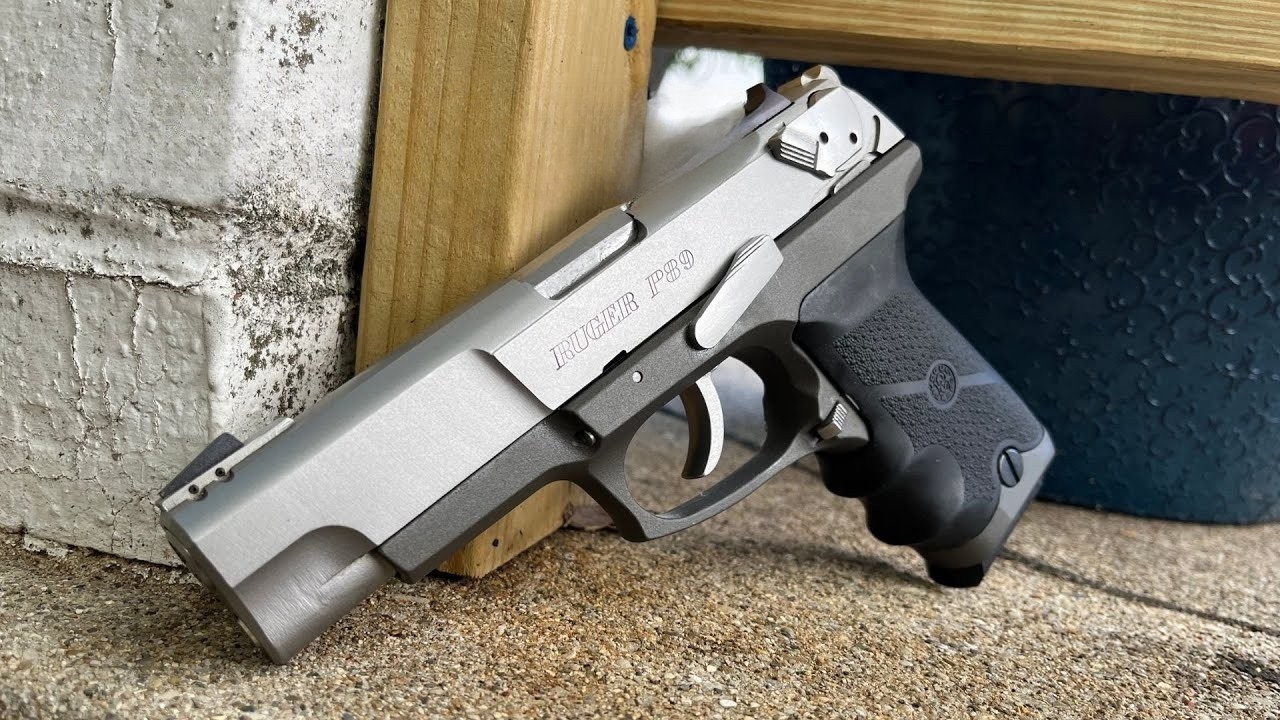
The P89 makes modern hype look temporary because it never needed style points to stay useful. It was never pretty, never especially fashionable, and never the kind of gun people bought to impress anybody standing nearby. It was a big, sturdy 9mm that kept working, and that alone gave it more staying power than a lot of “next generation” pistols ever achieve.
That kind of blunt competence ages very well. Once enough newer handguns come and go, an old P89 starts looking smarter and smarter simply because it was built around function first and ego never really entered the design meeting.
Beretta 84FS Cheetah

The 84FS still makes modern hype look temporary because it reminds people that compact pistols do not have to feel cheap, snappy, or disposable to be practical. It has balance, control, and enough real shootability that many modern small pistols look like they were designed by people who forgot range comfort matters too.
That is a hard lesson for current trends. The market loves tiny guns that sell fast in the hand. The Cheetah still feels like a handgun meant to be lived with. Once somebody spends time shooting it, a lot of newer “smart carry” claims start sounding very temporary.
Colt Mustang Pocketlite

The Mustang Pocketlite still makes modern hype look temporary because it shows how much of the carry-gun world keeps rediscovering ideas that were already understood. Light weight, real concealability, and practical pocket carry were not invented by the latest launch cycle. This pistol still proves that.
What makes it stand out is not raw specs. It is the way it still feels like a believable answer after all the noise. A lot of newer pocket guns sound more current than they feel satisfying. The little Colt keeps embarrassing that whole pattern.
Smith & Wesson 4506

The 4506 makes modern hype look temporary because it is the sort of .45 that never had to be sold like an experience. It was built like a duty gun, shot like a duty gun, and still feels like one of the most serious large-frame autoloaders a shooter can pick up. There is no fluff in it.
That seriousness matters more over time, not less. Once enough “revolutionary” pistols have passed through the market, a 4506 starts looking like a reminder that durable, controllable, full-power service handguns were already figured out by people who were not trying to reinvent the wheel every quarter.
Astra A-75

The Astra A-75 still makes modern hype look temporary because it is a compact double-stack 9mm that quietly got a lot right without becoming part of some giant American marketing machine. It has the kind of practical shape and shooting manners that make it feel much smarter in use than its lower profile would suggest.
That is part of what makes it such a good fit for this topic. It was never overhyped. It simply stayed useful. And guns that stay useful without needing fanfare tend to make trend-driven handguns look exactly like what they often are: temporary noise.
SIG Sauer P232

The P232 still makes modern hype look temporary because it offers a reminder that elegance and practical carry are not enemies. It is slim, well-shaped, and more satisfying in the hand than a lot of current pistols that sell purely on capacity and spec-sheet aggression. It feels finished.
That matters because a finished-feeling gun stays relevant longer than a trendy-feeling one. Once the market burns through enough tiny polymer carry options, the P232 starts looking less like an old answer and more like a very polished one people got too eager to move past.
Ruger Speed-Six
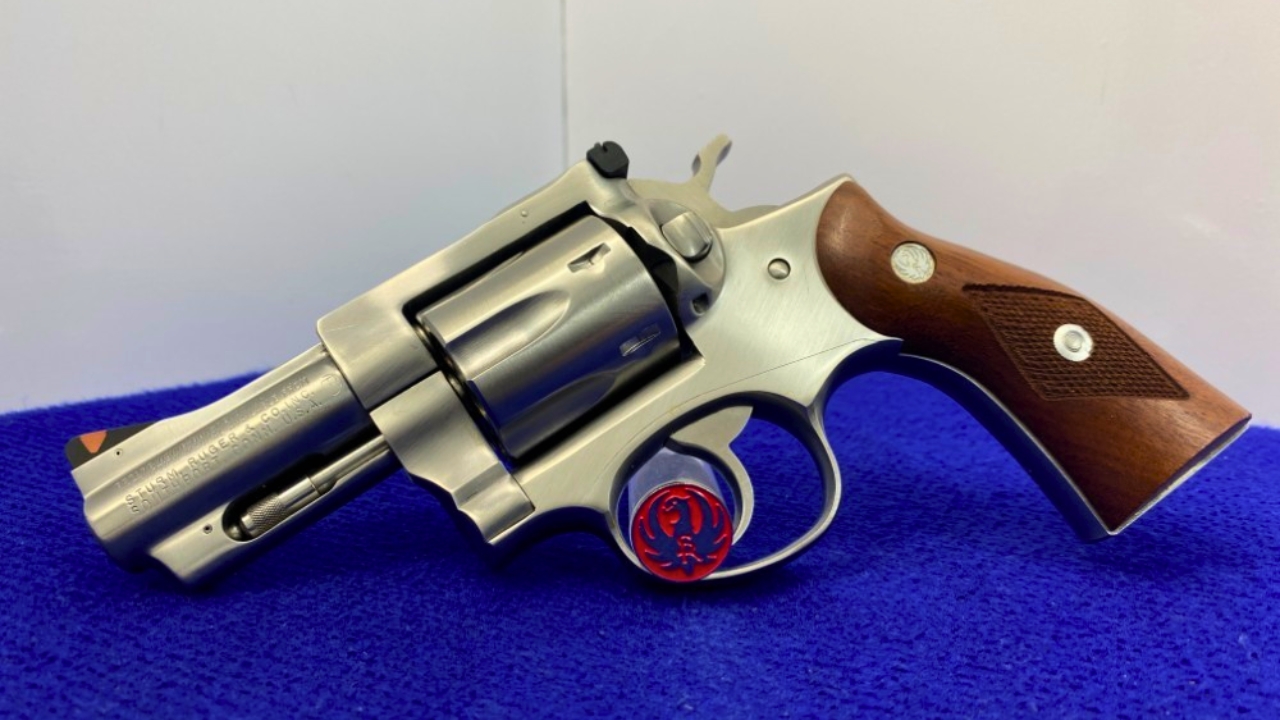
The Speed-Six still makes modern hype look temporary because compact serious revolvers never stopped making sense, no matter how often people act like all progress points in one direction. It is strong, compact enough to carry, and the sort of revolver that feels like it was designed by people who expected handguns to be used hard for a long time.
That long-view design is exactly why it lasts. A lot of new handguns are designed to win the first impression. The Speed-Six feels like a gun that wins in year ten. That is a much harder thing to build, and a much rarer thing to fake.
Walther P5

The P5 still makes modern hype look temporary because it carries all the signs of a mature handgun design. It is distinctive without being weird for the sake of it, compact without feeling underbuilt, and clearly shaped by real use instead of trend forecasting. It feels deliberate.
And that is what keeps it relevant. A lot of newer pistols feel like market responses. The P5 feels like a handgun. That difference becomes more and more obvious once enough current “must-own” pistols have already been forgotten.
Colt New Agent
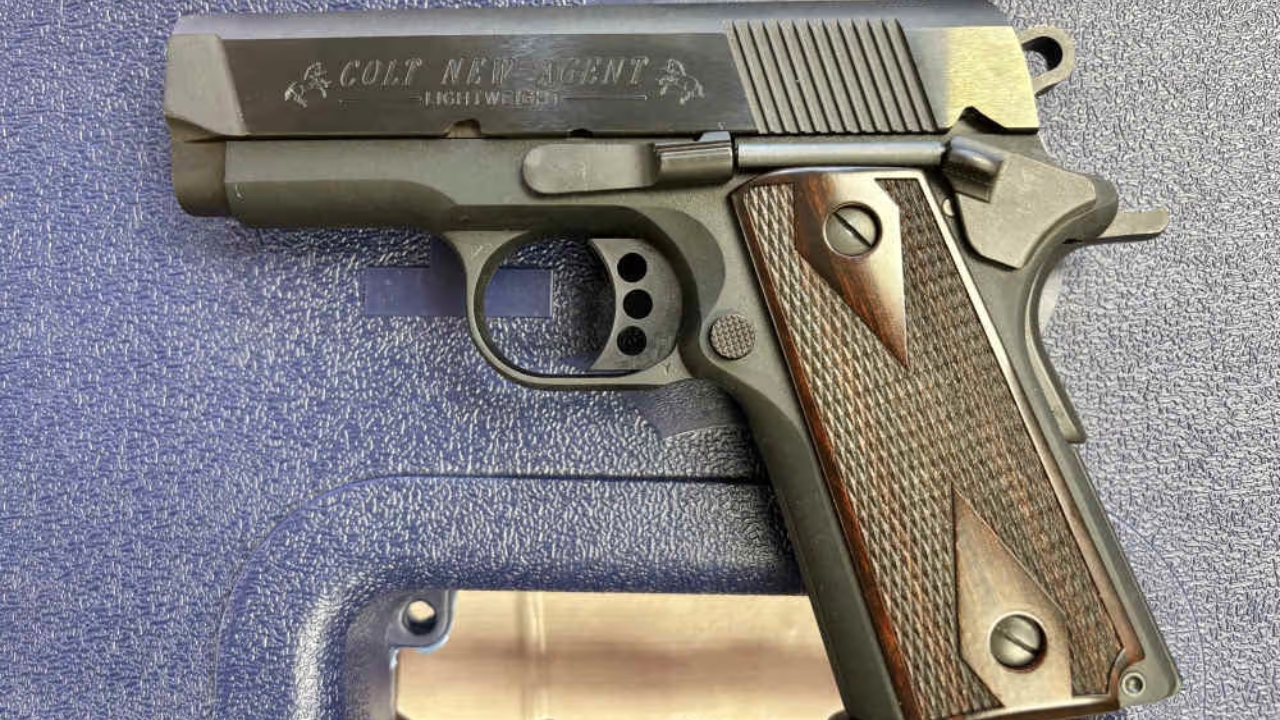
The New Agent still makes modern hype look temporary because it proved that deep-concealment carry guns could be thoughtful without chasing all the same visual cues as the rest of the market. It was different in a way that actually related to carry, not just branding.
That is important. A lot of modern launches try to look innovative. The New Agent was at least trying to solve something real. Whether it was perfect for everybody is not the point. The point is that it still feels like a serious idea, while plenty of newer “innovations” already feel dated.
Star BM
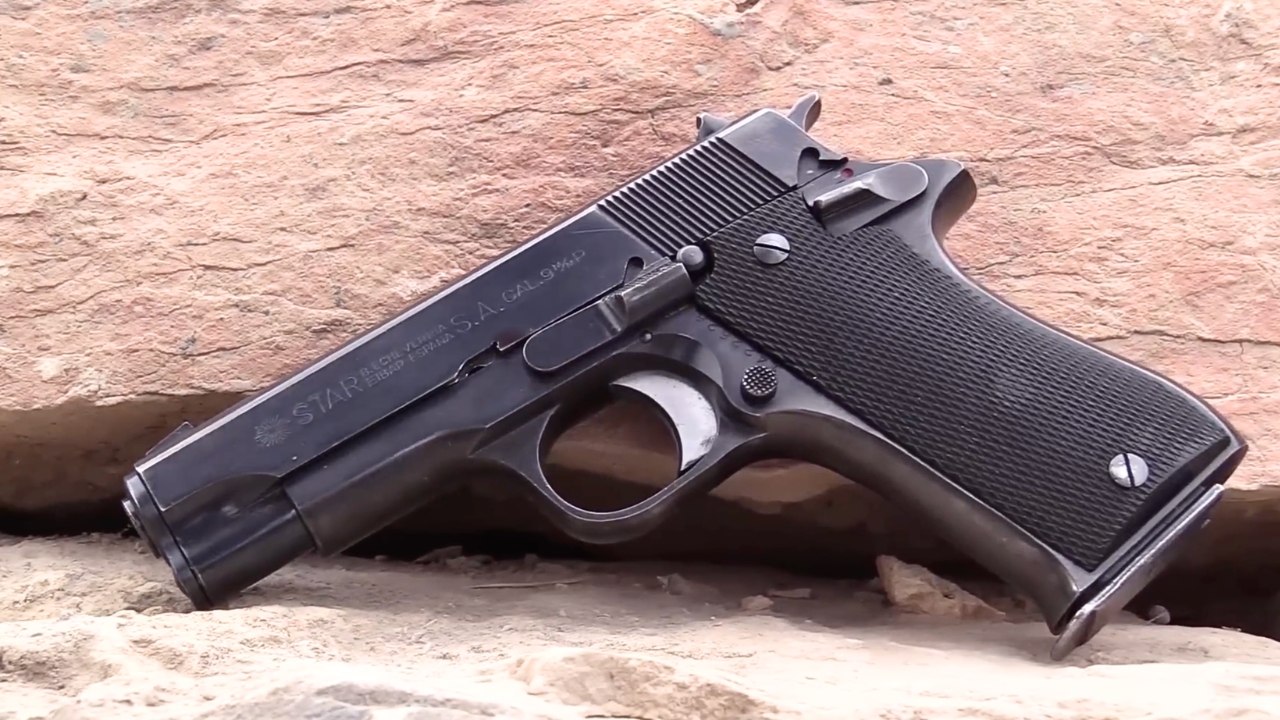
The Star BM still makes modern hype look temporary because it gives shooters an older compact 9mm experience that feels more substantial and more honest than many modern carry pistols with louder ad campaigns. It is simple, slim enough, and surprisingly satisfying to shoot once you stop looking at it as just an old surplus-adjacent pistol.
That is where it starts exposing hype. It reminds people that not every worthwhile handgun needed to arrive with huge language around it. Some just worked, and kept working, and stayed relevant because shooters could actually use them with confidence.
Smith & Wesson Model 547

The 547 still makes modern hype look temporary because it represents a kind of engineering seriousness that is easy to forget in a market obsessed with iteration. It was not trying to be re-skinned every year. It was trying to do something real and do it well.
That kind of confidence is rare now. A handgun like this makes a lot of modern launch culture feel very short-breathed. It is distinctive, capable, and still interesting for reasons that have nothing to do with artificial scarcity or branding heat.
FN HP-DA

The HP-DA still makes modern hype look temporary because it was part of that older generation of service-minded pistols that kept real usability at the center of the design. It never became a huge cultural star, which in some ways helps it now. There is no exhausted hype cloud hanging over it, just the gun itself.
And the gun itself still makes a strong case. It shoots honestly, feels like a serious sidearm, and reminds people that plenty of solid handgun ideas never needed constant retelling to stay valid. That alone makes a lot of current hype feel paper-thin.
Ruger GP100 Wiley Clapp

The Wiley Clapp GP100 still makes modern hype look temporary because it takes an already durable, proven revolver pattern and shows how little some core handgun truths have changed. Good sights, good balance, manageable size, and practical power still matter. They mattered before the latest carry trend, and they will matter after it too.
That is why a revolver like this lands so well here. It does not have to pretend to be the future. It only has to keep making sense while the “future” keeps getting replaced every eight months. That is exactly what it does.
Like The Avid Outdoorsman’s content? Subscribe to our newsletter so you never miss an article.
Here’s more from us: