Photo credit: Buffalo's Outdoors/YouTube
Some handguns look great on the shelf and even feel good in your hand, but the truth shows up after a few range trips. That’s when you start seeing parts loosening, finish wearing in ways it shouldn’t, and small issues growing into big ones. The pistols on this list aren’t unsafe, but they develop problems long before they should. Whether it’s soft metal, poor fitting, rushed assembly, or a design that simply wasn’t built for long-term use, these guns teach you that not every firearm can handle real mileage. If you shoot often and expect your sidearm to hold up year after year, these are the models you learn to be careful with.
Taurus PT111 Millennium G2
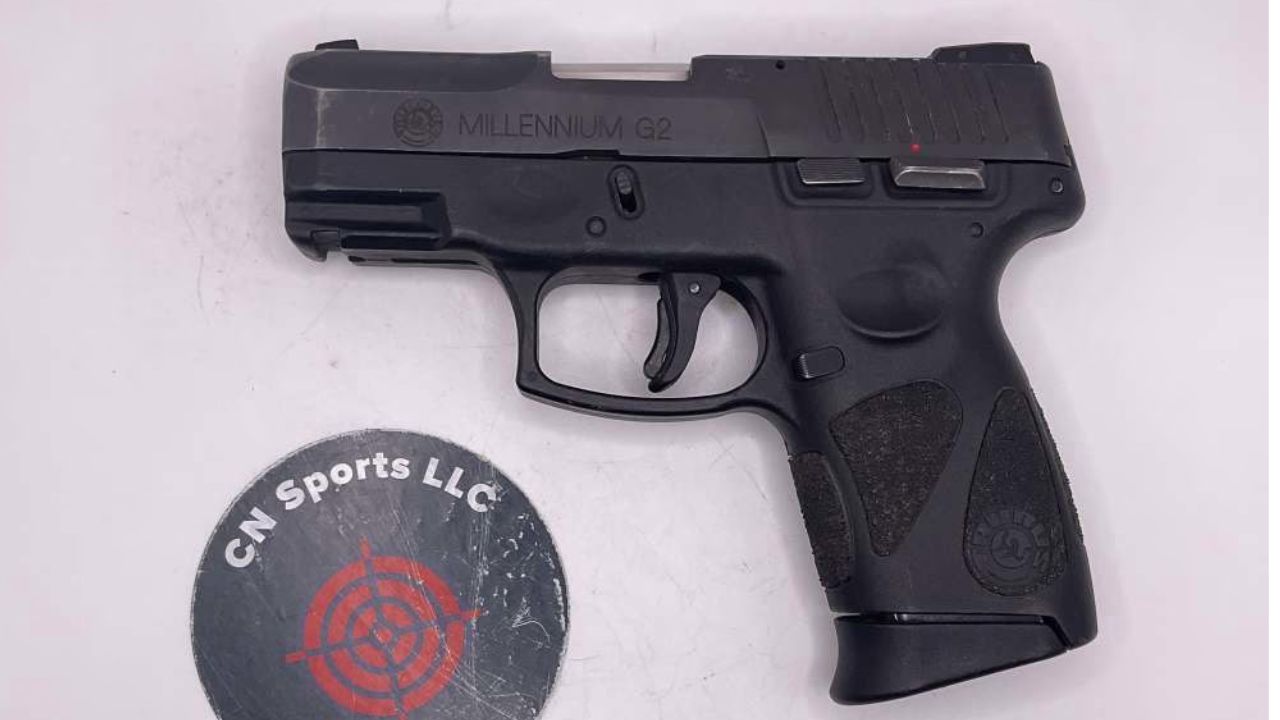
The Millennium G2 gained popularity because of its low price and compact size, but regular shooters quickly noticed its weak points. The slide finish tends to wear faster than expected, especially around the ejection port, and the controls feel loose after enough holster time. The trigger system also develops inconsistent breaks that make the gun feel unpredictable as the miles add up.
The internals are the bigger concern. The locking block and firing pin assembly show wear early, particularly if you run hotter defensive loads. These parts don’t necessarily fail outright, but you can feel the pistol getting sloppier with each range session. If you shoot a box of ammo a year, you might never see these issues—but if you train regularly, the shortcomings are hard to ignore.
SCCY CPX-2

SCCY made the CPX series as an affordable defensive option, and it succeeds on price alone. The issue is how quickly the gun loosens up after only a few hundred rounds. The long, heavy trigger pull masks some of the internal slop early on, but once the trigger bar and springs start wearing, the pull becomes gritty and inconsistent. That’s not something you want in a carry gun.
Users also report premature wear on the extractor and feed ramp. Weak metallurgy shows up fast when the gun is fed anything hotter than standard-pressure FMJ. The CPX-2 isn’t dangerous—it’s simply not built for the kind of round counts today’s defensive shooters expect. If you’re practicing weekly, you’ll outshoot the limits of this pistol far sooner than you’d think.
Kimber Solo
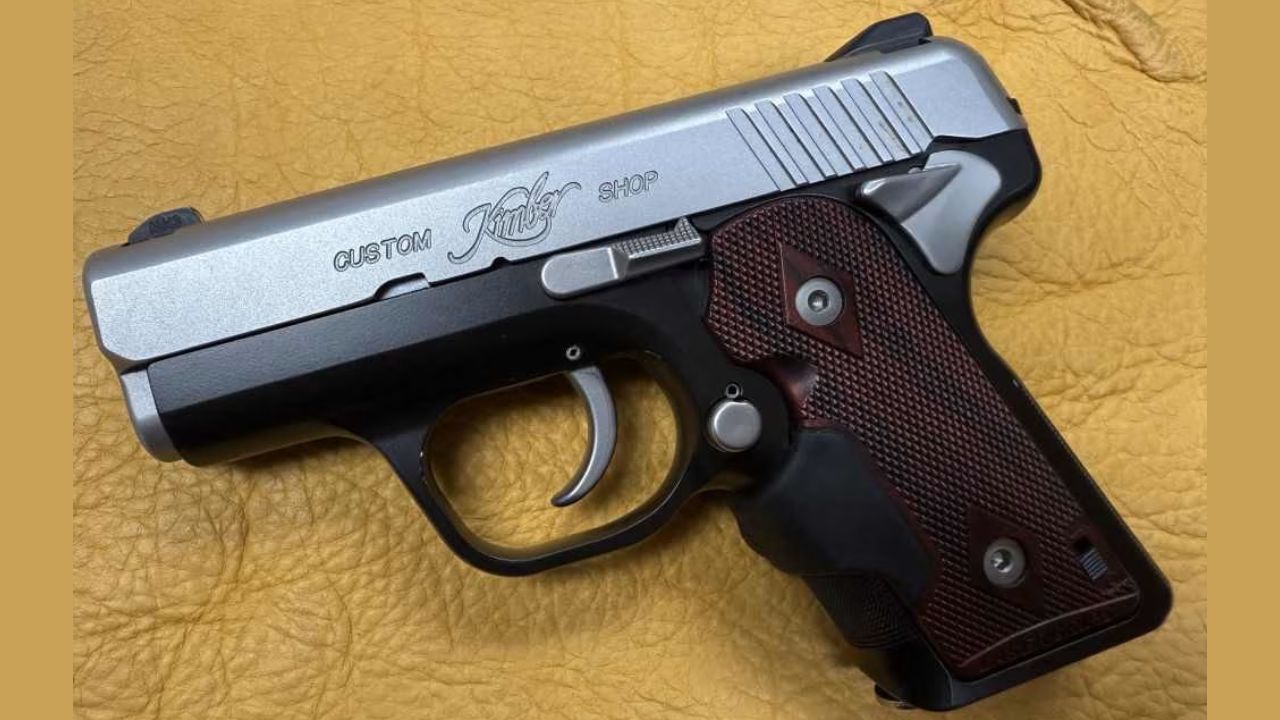
The Kimber Solo launched with a lot of excitement, but real-world use exposed its durability issues quickly. The slide rails show accelerated wear, the recoil spring assembly weakens faster than on comparable pistols, and the gun becomes increasingly picky with ammo as those parts degrade. Many shooters found the pistol locking open prematurely or failing to return fully to battery.
Because the Solo relies on hot defensive loads to cycle properly, the added stress speeds up wear even more. You end up with a gun that shoots well for a short window before the problems start stacking up. It’s a sleek, accurate little pistol when fresh, but the longevity just isn’t there unless you baby it—something few people want to do with a carry gun.
Remington R51 (Gen 1)

The first-generation R51 is well-known for its early failures, and durability was one of the most glaring problems. The locking system created unusual stress points, causing premature wear on the slide, barrel, and internal locking surfaces. Shooters often experienced peening in critical areas long before the gun should have shown any signs of fatigue.
Even the frame rails showed signs of distortion with moderate use. Add in the widely reported reliability problems, and the early R51 struggled to survive regular range work. Remington addressed many of these issues in later versions, but the first-gen pistols remain a reminder that unique engineering doesn’t always translate into long-term durability.
KelTec PF-9
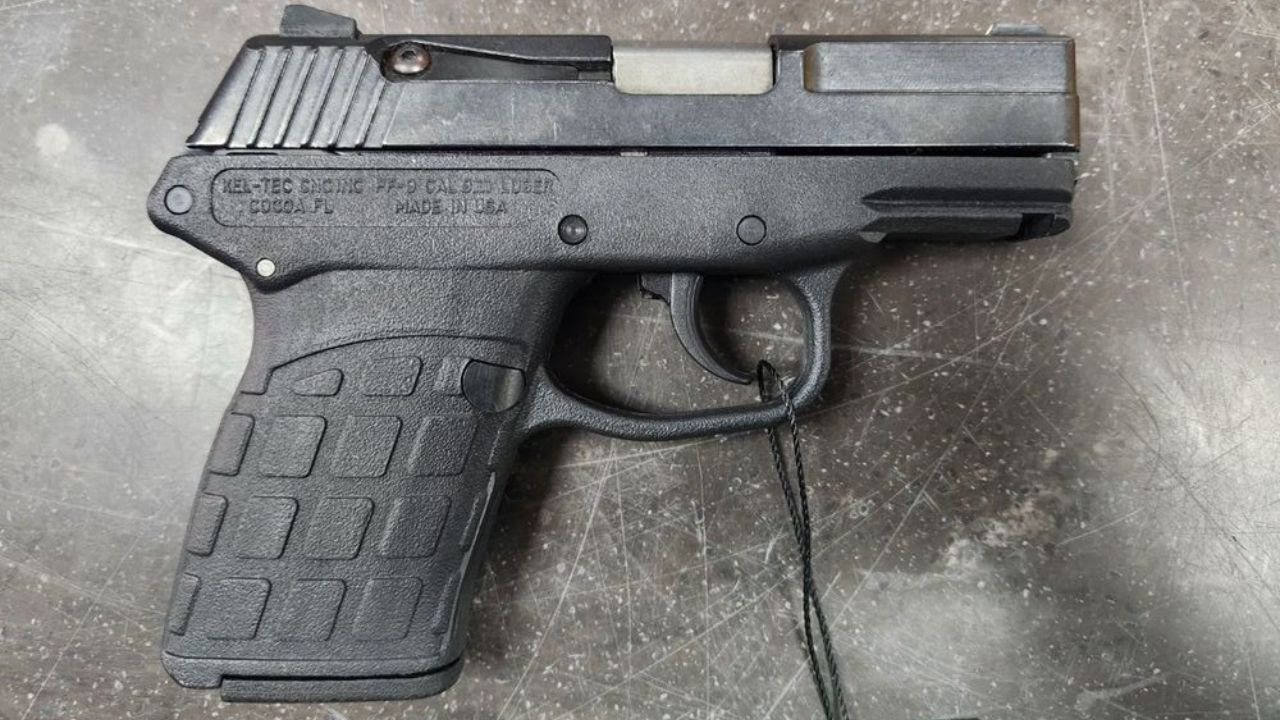
KelTec builds lightweight pistols, but the PF-9 pushes the limits of what those materials can handle. Its very light frame and thin slide make recoil sharp, and that constant snap accelerates wear on the rails, pins, and locking block. Shooters who run even moderate round counts report loosening parts and frames that develop wobble where everything once felt tight.
The PF-9 can work as a bare-minimum carry gun that you test occasionally, but it doesn’t hold up for people who shoot often. Once pins start walking out, the slide finish starts chipping, and the mag catch wears down, the pistol becomes increasingly frustrating to maintain. It’s simply not built for longevity.
Jimenez JA Nine

The JA Nine is inexpensive for a reason. The zinc-alloy construction can only take so much stress, and regular use exposes that fast. Cracks around the slide and frame aren’t uncommon, and the barrel hood and feed ramp show deformation after surprisingly low round counts. These issues don’t guarantee failure, but they show how little wear margin the design offers.
Even the springs tend to weaken early, leading to cycling problems long before most shooters expect them. If you treat this gun as a range toy for occasional plinking, it may serve its purpose—but if you expect a service life anywhere near that of steel or polymer-framed pistols, you’ll be disappointed.
Kimber Micro 380
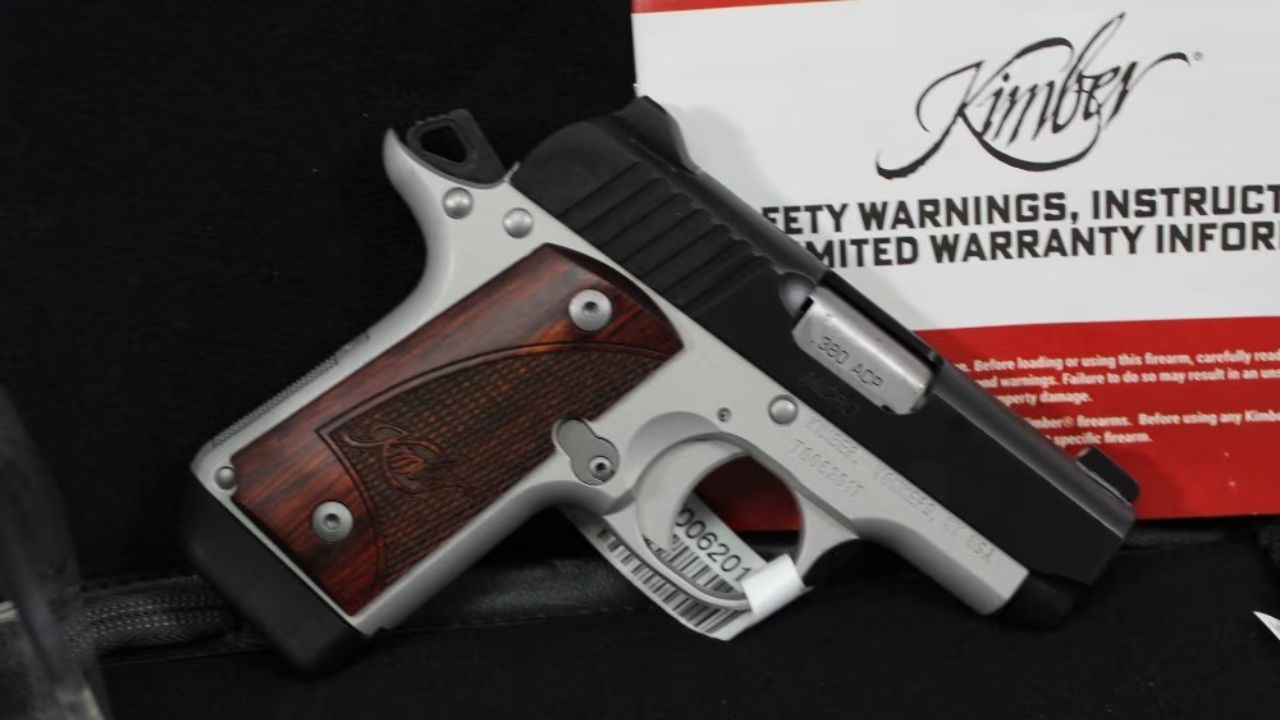
The Kimber Micro 380 looks and feels like a well-built little pistol, but its lightweight aluminum frame and small locking surfaces wear sooner than expected. Many shooters see peening on the slide stop notch and accelerated wear on the feed ramp after only modest use. The gun still shoots smoothly at first, which makes the eventual slop feel more surprising.
With regular range time, the slide begins to loosen, recoil springs weaken faster than they should, and the pistol becomes more ammunition-sensitive. It’s fine as an occasional carry piece, but it doesn’t age well under consistent training loads. If you shoot your carry gun weekly, the Micro 380 isn’t going to hold up.
Zastava M57 Tokarev (modern imports)
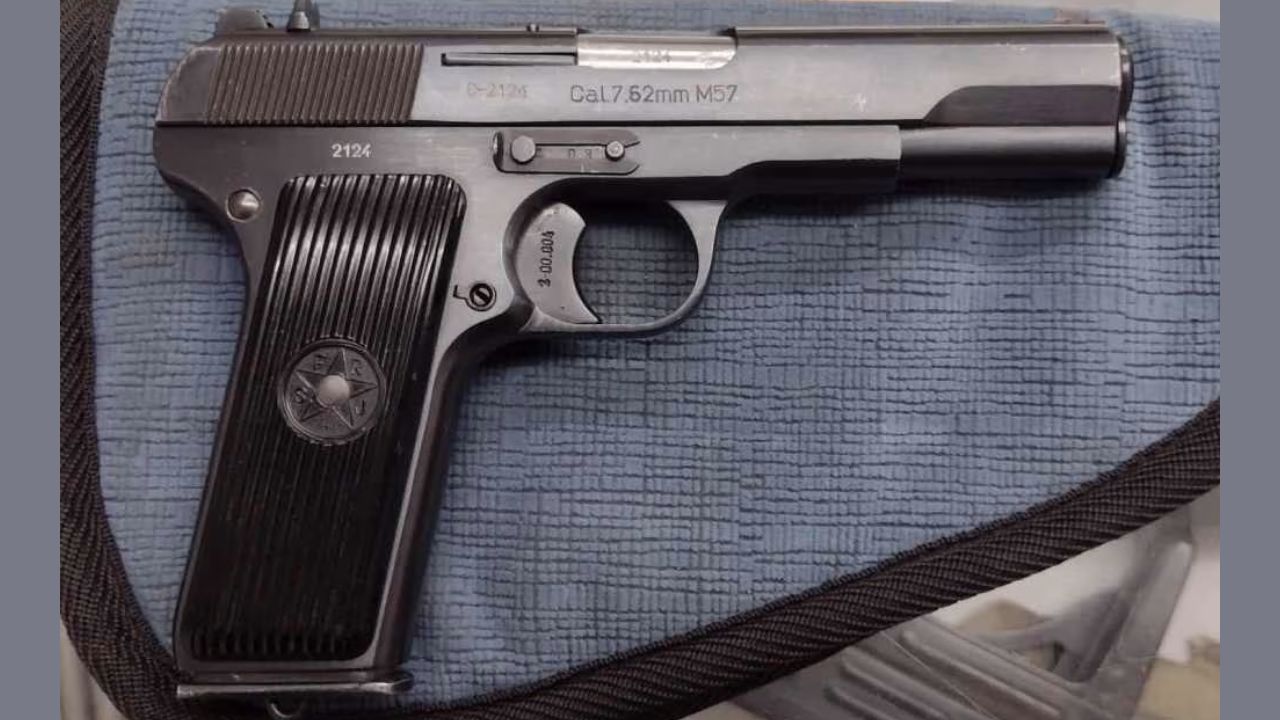
The newly manufactured Tokarev-style M57s look the part, but the metallurgy isn’t what it was decades ago. The slides and small parts on some imports show premature wear when fed surplus 7.62×25, which is considerably hotter than most modern handgun rounds. Extractors, firing pins, and slide stops tend to be the first parts that lose their edge.
The platform is mechanically simple, but the wear pattern on these newer imports tells you the steel doesn’t have the same resilience as the originals. If you’re buying one for nostalgia or occasional shooting, it will probably serve you fine. But treating it like a true military-grade sidearm exposes its limits quickly.
Taurus Spectrum
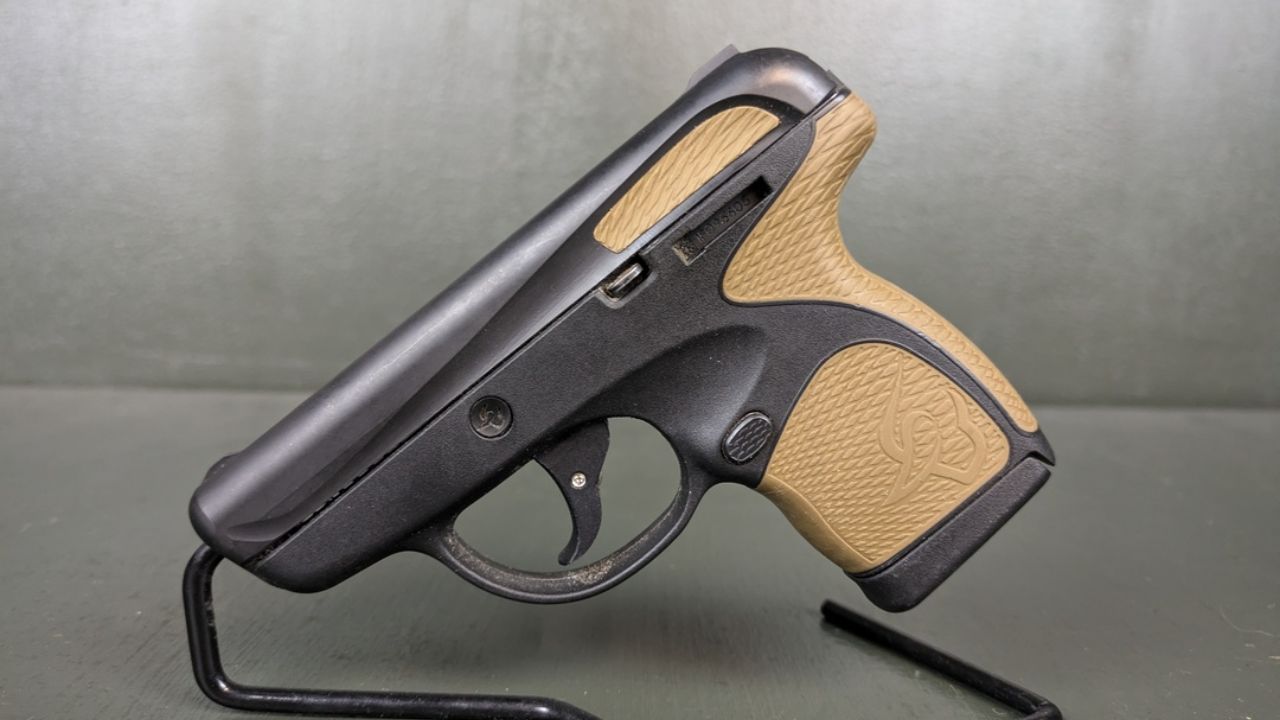
The Taurus Spectrum was marketed as a soft-shooting pocket gun, but durability issues kept it from gaining traction. The polymer frame flexes more than it should, causing accelerated wear on the rails and slide-to-frame fit. After a few hundred rounds, many shooters noticed inconsistent cycling and magazines that no longer seated with the same positive engagement.
The trigger bar and internal linkage also develop noticeable wear early. As those parts degrade, the trigger loses its initial smoothness and takes on a mushy feel that hurts accuracy. It’s a lightweight carry gun that performs best when shot sparingly, not something you can put through frequent practice.
Hi-Point C9

The C9 is known for its low price and surprising reliability when new, but long-term durability isn’t its strong suit. The heavy slide and blowback design create more internal stress than the zinc-alloy frame can manage over thousands of rounds. Wear shows up around the slide rails, pins, and extractor channel far sooner than on more robust designs.
The gun can run fine for casual shooters, but regular training exposes its weaknesses quickly. Once parts begin loosening, accuracy drops and feeding becomes less predictable. If you shoot often, you’ll eventually outrun what the materials can handle.
SIG Sauer P250

The P250 offered modularity before it became popular, but its long double-action pull and overall design weren’t its biggest issues—durability was. Early models showed rapid wear on the internal chassis rails and locking surfaces, especially with hotter ammunition. The more you trained with it, the more obvious the degradation became.
Repeated firing caused the fire control unit to develop play inside the frame shell, and the locking block showed wear faster than expected. SIG corrected many of these problems in the P320, but the P250 remains known as a pistol that aged poorly under real use.
Bersa Thunder 380
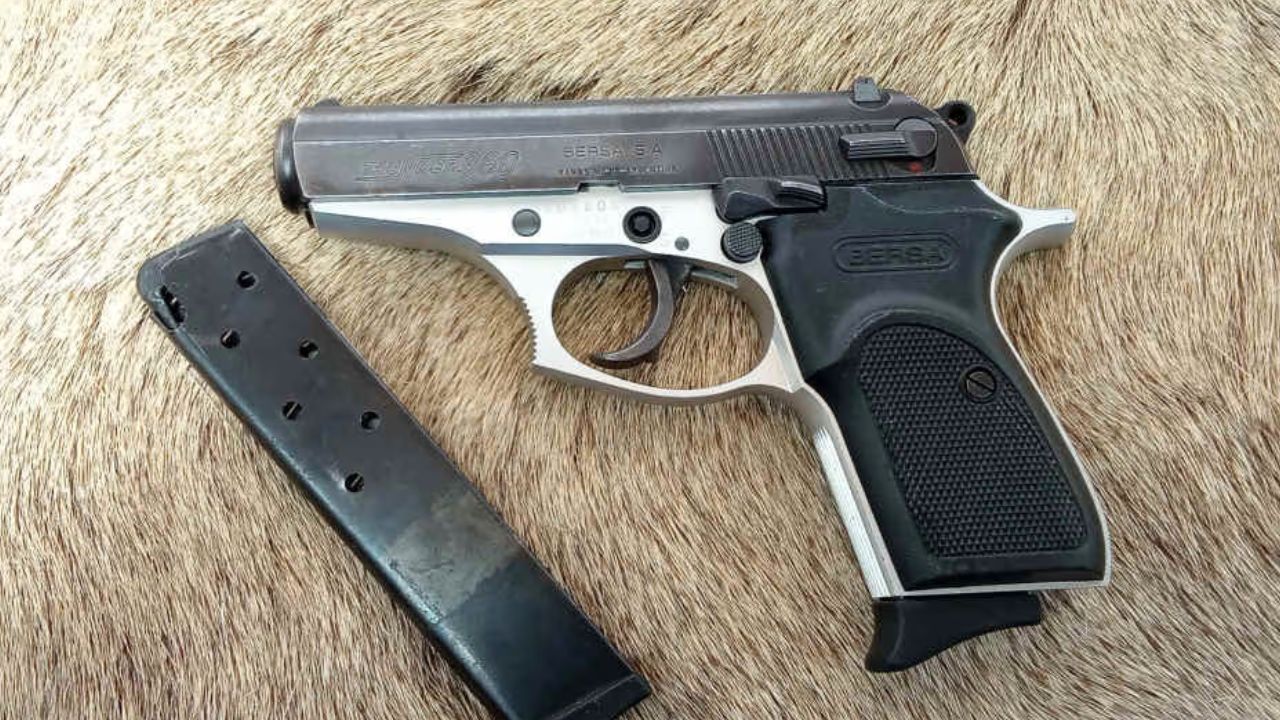
The Bersa Thunder 380 is comfortable and pleasant to shoot, but the alloy frame isn’t built to handle heavy round counts. The feed ramp and slide rails show wear early, and the finish begins fading faster than on similarly priced guns. It’s accurate for its size, but the slide-to-frame fit loosens enough over time to reduce that early precision.
If you’re someone who shoots often, the Thunder starts revealing its limits after a few training sessions. It’s a good beginner carry gun, but not one that thrives under long-term, high-volume use.
Taurus 709 Slim

The 709 Slim was intended to be a lightweight, budget-friendly carry option, but the internal components don’t hold up for shooters who train consistently. The trigger bar and connector wear early, resulting in a gritty, inconsistent pull. You’ll also see slide finish degradation and loosening fit after only moderate exposure to holster carry and sweat.
The extractor and recoil spring assembly are known weak points, wearing out faster than you’d expect from a defensive pistol. While it can function acceptably in low-use scenarios, it simply doesn’t have the longevity modern shooters expect.
Walther CCP (original model)
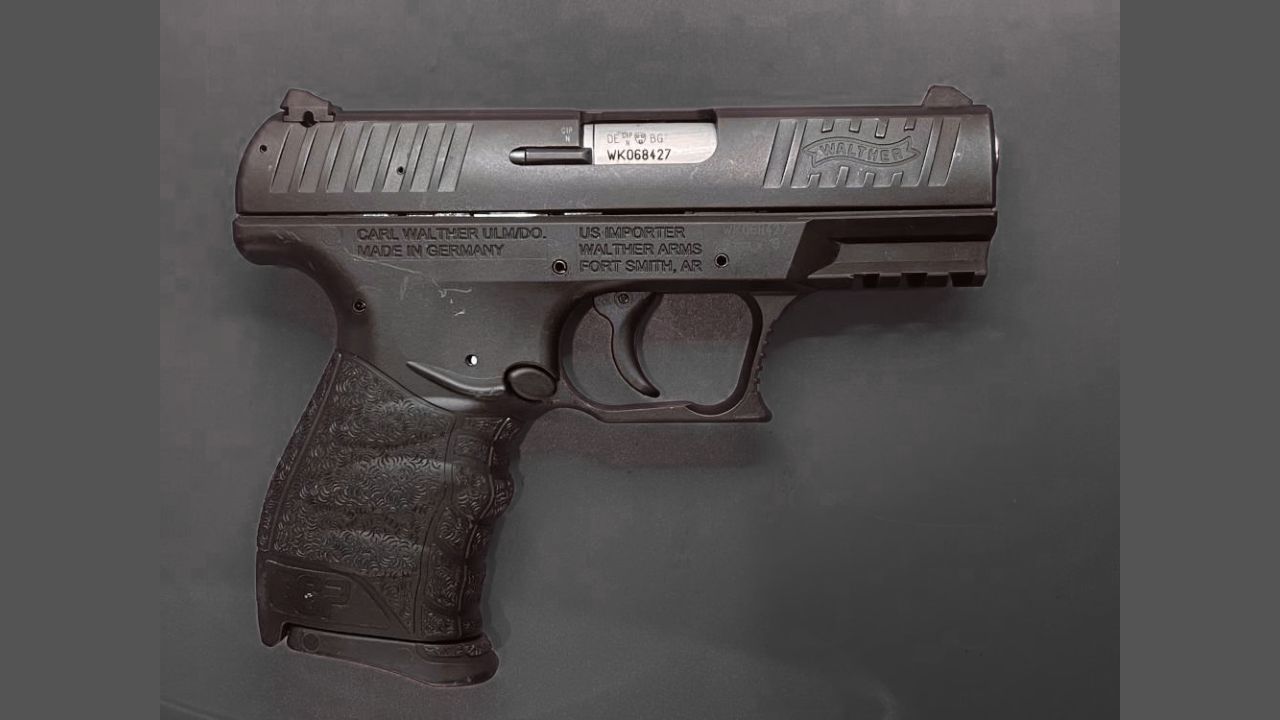
The original CCP used a gas-delayed system that created more heat and stress than the design could comfortably handle. That extra heat caused accelerated wear on internal parts, especially the gas cylinder and piston. Shooters also reported early failures in the striker assembly and issues with premature spring fatigue.
While the CCP M2 addressed some of these problems, the first-generation guns remain known for how quickly they aged when used as regular training pistols. The gun shoots softly, but the longevity isn’t there.
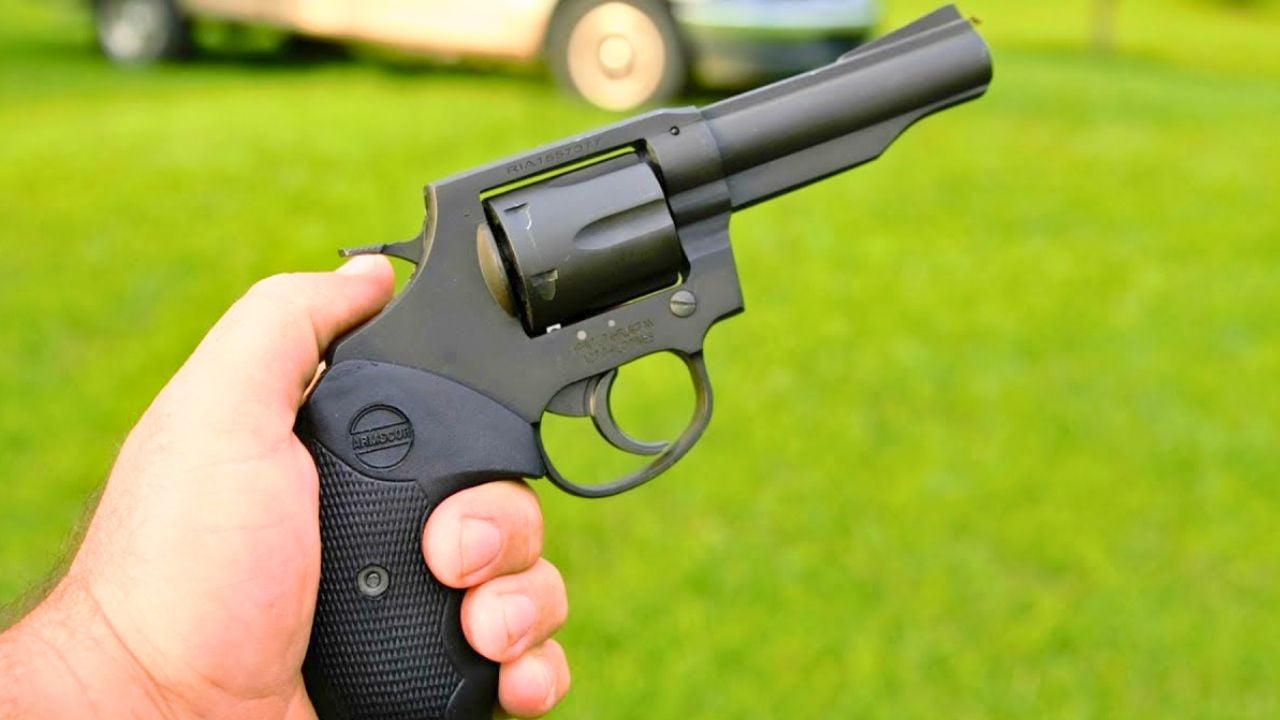
Rock Island Armory M200
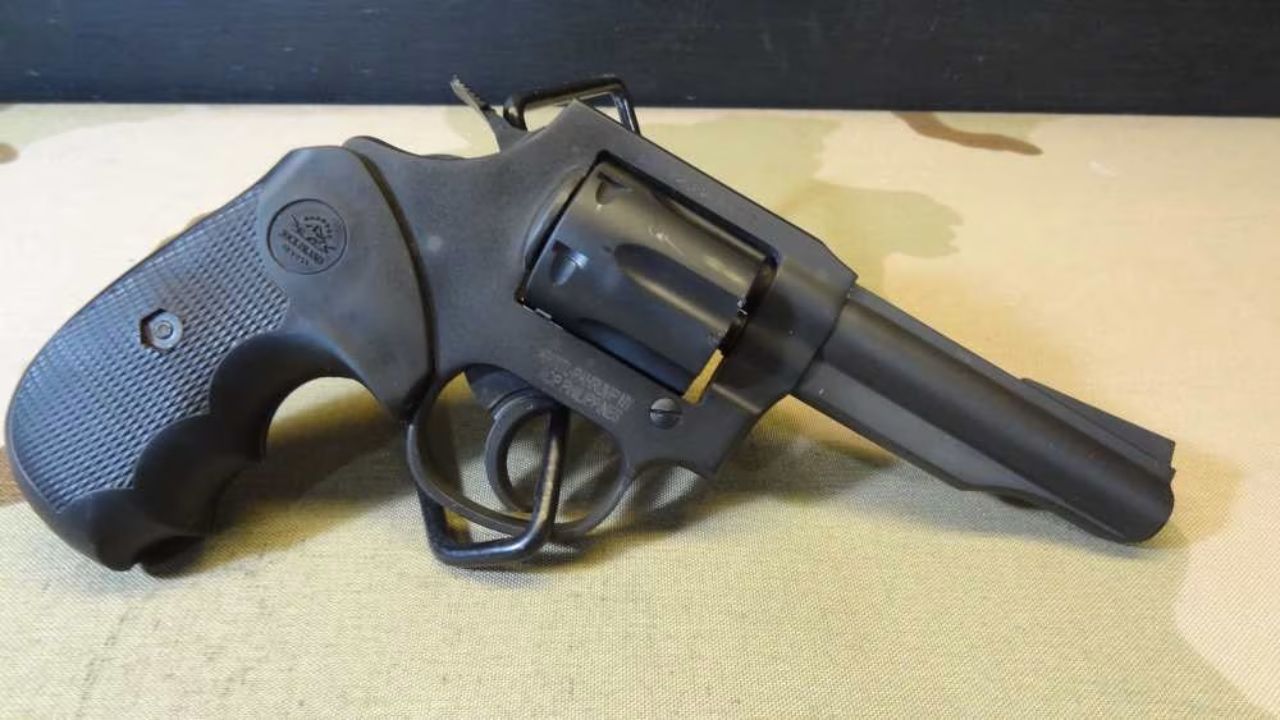
The RIA M200 is affordable and mechanically simple, but its longevity doesn’t match what you get from higher-end revolvers. The lockwork and timing components are made from softer materials, and those parts start showing wear early if the gun is used heavily. Endshake and timing drift are more common than they should be.
Finish wear also shows up quickly, and once the internals loosen, the gun loses consistency in both trigger pull and cylinder alignment. It’s a fine budget revolver for light use, but it’s not something that maintains its integrity under regular, high-volume shooting.
Like The Avid Outdoorsman’s content? Be sure to follow us.
Here’s more from us:
The worst deer rifles money can buy
Sidearms That Belong in the Safe — Not Your Belt
*This article was developed with AI-powered tools and has been carefully reviewed by our editors.