Photo credit: SPN Firearms/YouTube
A lot of .380 pistols get written off as backup guns or last-ditch pocket pieces, but the truth is that some of them run far better than people expect. When you pick the right ones, you get reliable feeding, manageable recoil, and accuracy that makes you feel confident carrying a smaller pistol. Not every .380 hits that standard, and you’ve probably shot a few that felt too snappy, too picky with ammo, or too loose to trust. The models here are the opposite. These are pistols you can actually train with, carry daily, and depend on when you need something small that still behaves like a real sidearm.
Glock 42

The Glock 42 remains one of the most dependable .380 pistols on the market. It has the same general feel as its larger siblings but in a size that disappears under light clothing. What sets it apart is how controllable it is. The recoil impulse is smooth, the slide cycles predictably, and the trigger stays consistent across thousands of rounds. If you’ve shot pocket .380s that feel snappy or unpredictable, the G42 is a welcome change.
Maintenance is simple, and the gun handles a wide variety of ammunition better than most pistols in this category. Whether you’re running FMJ for practice or quality hollow points, it feeds reliably without needing constant adjustments. It also benefits from Glock’s parts availability, making long-term ownership easy. The accuracy is surprisingly steady for a gun this size, and you can run realistic training drills without fighting the pistol.
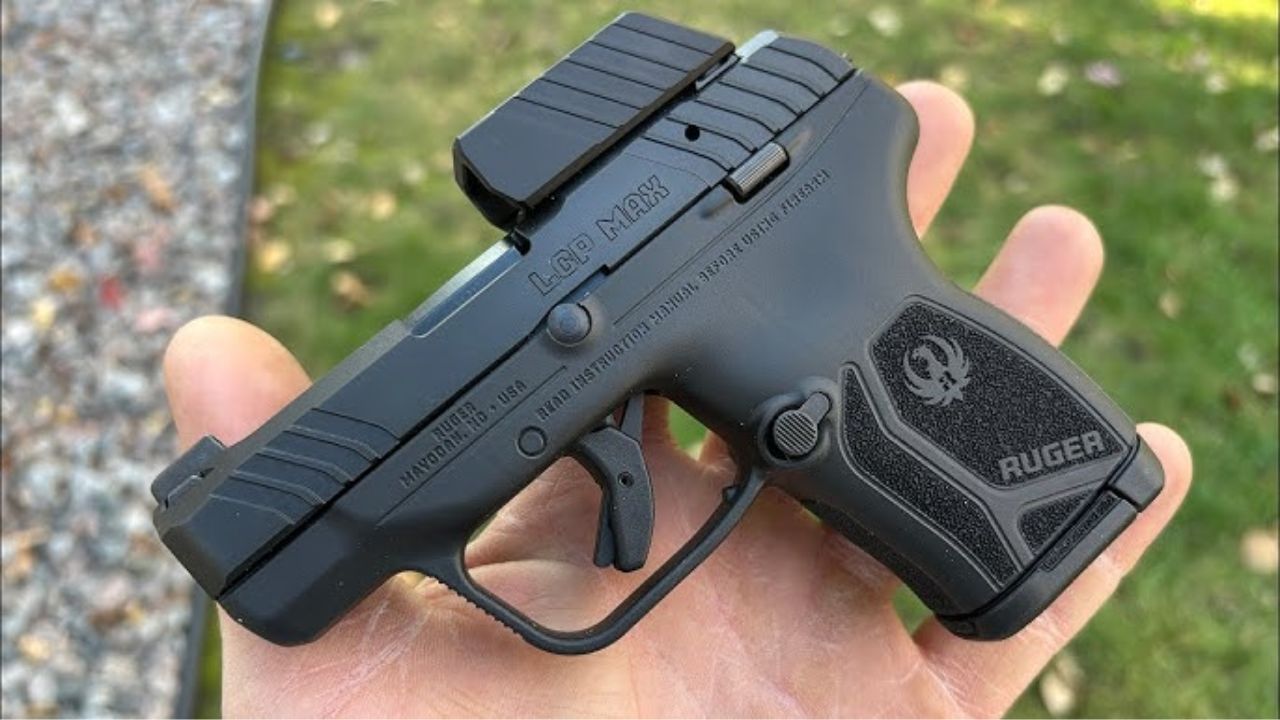
Ruger LCP Max

The Ruger LCP Max takes the familiar LCP footprint and gives you real-world shootability. The improved trigger, increased magazine capacity, and better grip texture turn it into something you can actually train with rather than something you tolerate. It’s far more stable under recoil than the original LCP, and the wider grip spreads the pressure in a way that helps you stay on target.
Feed reliability is the biggest upgrade. The LCP Max manages hollow points and hotter defensive loads with fewer hiccups than the older models. The sights are also noticeably better, allowing you to make deliberate hits beyond typical pocket-gun distances. For anyone who wants maximum concealment without giving up capacity or consistency, this is one of the strongest .380 options on the market.
Smith & Wesson M&P 380 Shield EZ

The Shield EZ earned its name for a reason. It’s designed for easy slide manipulation, simple loading, and a softer shooting experience than most compact pistols. If you’ve ever struggled with stiff recoil springs on small guns, this one fixes the problem outright. It feels stable in the hand, and the extra size compared to true pocket pistols pays off in accuracy and control.
What really makes the EZ stand out is its reliability. It digests a wide variety of defensive loads, cycles smoothly even with mild ammo, and maintains consistency over long training sessions. For newer shooters or anyone with limited hand strength, it’s one of the most practical .380 carry guns you can own. The ergonomics are forgiving, and the performance holds up better than many guns twice its size.
SIG Sauer P238

The SIG P238 brings a metal-framed feel to the .380 world, giving you a recoil impulse that’s noticeably softer than polymer guns of similar size. The single-action trigger is clean and predictable, making it far easier to shoot accurately. Even though it’s a tiny pistol, it behaves like a scaled-down 1911 in all the good ways—crisp controls, good sights, and dependability.
You also get excellent build quality. The slide-to-frame fit holds up over time, and the gun doesn’t loosen or degrade under regular practice. It feeds a variety of defensive loads without complaint, and its night sight-equipped variants make it a capable low-light carry gun. If you want a pocket pistol that feels refined rather than cramped, the P238 deserves a hard look.
Bersa Thunder 380 Plus

The Thunder 380 Plus gives you capacity and control in a format that’s still easy to carry. The double-stack design fills your hand better than most slim .380s, which helps manage recoil and improve accuracy. The DA/SA trigger system is familiar to anyone who has carried older service pistols, and the controls are intuitive even under stress.
What surprises most shooters is how consistent the Thunder 380 Plus is with different ammo types. It runs ball, hollow points, and even some of the more aggressive loads without the sensitivity you see in smaller lightweight guns. While it’s slightly larger than a pocket pistol, it rewards you with better balance and smoother shooting. For folks who want a .380 that behaves like a full-featured sidearm, this one delivers.
Ruger Security-380

The Security-380 is one of the more capable “mid-size” .380 pistols. You get real-gun ergonomics, usable sights, and a trigger that encourages good shooting habits. Its size makes it soft-shooting compared to the ultra-compact options, and many shooters find that they train better with this pistol because it feels familiar.
Ruger’s performance upgrades, including their “Lite Rack” system, make the slide easy to manipulate while keeping reliability high. It’s a strong option for those who want a .380 that can double as a home-defense or range pistol without feeling underpowered. If you prefer something easier to handle than a 9mm but still want realistic capability, the Security-380 stands out.
Walther PK380

The PK380 is larger than most pistols in this caliber, and that extra size pays off in shootability. The grip angle, the length of the slide, and the low recoil make it one of the easiest .380s to shoot accurately. It’s a comfortable training pistol, which means you can build solid habits without fighting harsh recoil or tiny controls.
Walther’s ergonomics are some of the best in the business, and that shows here. The PK380 handles defensive loads smoothly, and the gun maintains accuracy across long practice sessions. For shooters who prefer a lighter cartridge without sacrificing performance or confidence, the PK380 is a strong contender.
Springfield 911

The Springfield 911 is another mini-1911-style .380 that punches above its size. It offers clean trigger control, intuitive controls, and surprisingly good accuracy for such a small frame. The 911 points naturally and gives you a level of consistency you don’t typically get from pocket pistols.
Its build quality is solid, with sturdy materials and a slide fit that holds up under repeated use. The 911 handles defensive ammo well, and the recoil impulse stays manageable thanks to its metal frame. If you’re someone who prefers traditional controls and wants something genuinely shootable, the 911 is one of the top options in this class.
Browning 1911-380

The Browning 1911-380 scales down the classic design into a lightweight, easy-shooting package. It has a longer sight radius than most .380 pistols, which directly improves accuracy, and the grip angle helps the gun settle naturally under recoil. This is one of the few .380s that feels like a true range companion rather than a backup piece.
The action cycles smoothly, and the gun has a reputation for feeding reliably with both ball and hollow-point ammunition. Because it’s bigger than the typical pocket gun, you can actually practice with it at realistic distances. If you want a .380 that bridges the gap between comfort and capability, the 1911-380 is one of the best choices available.
Kahr CW380

The CW380 is tiny, light, and surprisingly reliable for its size. Kahr’s locked-breech system keeps recoil manageable, and the long, smooth trigger pull gives you consistent control once you get used to it. The gun carries extremely well, disappearing into pockets and small holsters without printing.
Despite being so small, it holds up under steady practice. It runs defensive ammo reliably and maintains accuracy better than you’d expect from such a lightweight pistol. The break-in period can be noticeable with Kahr pistols, but once it settles in, the CW380 becomes a trustworthy little carry gun for deep concealment.
Ruger LCP II

The LCP II made major improvements over the original LCP, especially in trigger feel and overall shootability. The grip texture, slide geometry, and improved ergonomics make it far more manageable during practice. It’s still very small and light, but it doesn’t punish your hands the way the first-generation gun does.
Reliability is strong for a pistol this size. The LCP II cycles defensive ammo well and maintains consistency as long as you keep it reasonably clean. It’s still a deep-concealment gun, but it performs well enough that you can actually train with it instead of limiting yourself to occasional shots.
KelTec P3AT

The P3AT helped kick off the modern pocket-gun trend, and while it’s simple, it performs better than some folks give it credit for. The locked-breech design keeps recoil tolerable, and the gun is mechanically straightforward, which contributes to reliability. It’s not flashy, but it runs clean and feeds well when maintained properly.
Accuracy is workable at realistic distances, and the gun is dependable for deep concealment roles. While newer designs have refined the formula, the P3AT still holds up as a lightweight, functional .380 that performs reliably when needed.
SIG Sauer P232

The P232 is one of the softest-shooting .380 pistols ever made. Its fixed barrel and blowback design keep the accuracy tight, and the all-metal construction absorbs recoil far better than lightweight pocket guns. It’s an older design, but it performs at a level that many modern guns still don’t match.
The P232 is known for reliability and excellent fit and finish. It runs defensive ammunition well and has one of the smoothest DA/SA trigger systems in the caliber. While it’s larger than most carry-focused .380s, its accuracy and consistency make it one of the best performers available.
Colt Mustang Pocketlite

The Colt Mustang carries the classic single-action feel that many shooters prefer. It’s lightweight but surprisingly durable, and the compact frame balances well in the hand. The trigger is crisp and predictable, allowing you to shoot it more accurately than many pistols of similar size.
Reliability is strong across a variety of ammunition types, and the Pocketlite has a long track record as a dependable carry piece. If you want a traditional, metal-framed .380 that’s proven itself for decades, the Mustang remains a top choice for real-world performance.
Beretta Cheetah 84FS

The Beretta 84FS offers one of the best shooting experiences in the .380 world. Its double-stack grip, excellent sights, and stable weight make it incredibly controllable. Many shooters say it handles closer to a compact 9mm than a pocket pistol, and that confidence shows on the range.
The gun is also well-known for reliability. It feeds everything from light FMJ to modern defensive hollow points, and the cycle speed feels smooth and predictable. If you want a .380 that performs at a high level and makes training enjoyable, the Cheetah 84FS is among the best you can carry.
Like The Avid Outdoorsman’s content? Be sure to follow us.
Here’s more from us:
The worst deer rifles money can buy
Sidearms That Belong in the Safe — Not Your Belt
*This article was developed with AI-powered tools and has been carefully reviewed by our editors.