Photo credit: 704 TACTICAL/YouTube
A lot of pistols get recommended because they’re easy to explain at a gun counter. They’re common, affordable, and they’ve got a strong reputation online. The problem is that reputation doesn’t always match how a new owner actually experiences the gun after the first few range trips. Once the honeymoon wears off, people start noticing the stuff that matters: recoil that feels sharper than expected, a trigger that’s harder to run well under speed, sights that don’t help you, or a grip that never feels quite right.
Returns don’t always mean the gun is “bad.” Most of the time it means the fit wasn’t right, the role wasn’t honest, or the buyer expected a magic solution. A compact gun won’t shoot like a duty gun. A tiny grip won’t forgive sloppy fundamentals. And some designs are simply less friendly for new shooters. These are pistols that get pitched a lot—and often end up back on the shelf because the real world didn’t match the recommendation.
Glock 43

The Glock 43 gets recommended because it’s straightforward, reliable, and easy to carry. In photos and in a holster, it looks like the perfect single-stack solution. On the range, plenty of people realize it’s a small, light 9mm that demands more technique than they expected.
The short grip and sharp recoil impulse can make it feel jumpy, especially for newer shooters. Groups open up fast when you try to speed up, and the gun can feel less forgiving than a compact double-stack. A lot of returns happen when people wanted “easy carry” and accidentally bought “harder shooting.” If you can shoot it well, it’s a great tool. If you expected it to feel like a Glock 19, you may end up trading it toward something bigger.
Glock 43X

The 43X gets recommended nonstop because it solves the 43’s grip problem while still carrying slim. People see the capacity and comfort upgrades and assume it’ll be the perfect do-it-all pistol. Then reality hits: slim guns still recoil differently, and they still punish grip mistakes more than thicker frames.
Some shooters also find the 43X doesn’t point as naturally for them as they expected, especially if they’re coming from other platforms. If the gun doesn’t track well in your hands, your target shows it quickly. Many owners love the 43X and keep it forever, but it’s also a common “great on paper” purchase that gets returned when the buyer realizes they wanted a compact duty-style pistol, not a slim carry gun with a different feel.
SIG Sauer P365

The P365 is one of the most recommended carry pistols of the last decade. It’s compact, high capacity, and easy to conceal. The issue is that the same compactness that sells it can make it less friendly for people who don’t train much.
A lot of shooters discover that the P365 feels snappier than expected. The grip is short, the gun moves more under recoil, and it takes attention to shoot tight groups at speed. Some new owners also end up with a pile of small add-ons—grip modules, triggers, sights—because they’re trying to make it feel like something it isn’t. When the pistol doesn’t instantly click, it’s an easy one to return because there are so many other options in the same size class. The P365 can be excellent, but it doesn’t flatter everyone.
SIG Sauer P320 Compact

The P320 gets recommended because it’s modular and has a strong service pedigree. For a lot of shooters, it’s a great pistol. For others, it ends up getting returned because it never feels settled in their hands, especially if they’re sensitive to trigger feel and reset.
Some people shoot the P320 very well, and some consistently push shots because the trigger and grip angle don’t match their habits. The bore axis and recoil impulse can also feel different compared to other striker pistols, and that difference becomes obvious on targets when you try to run fast strings. Another common issue is that the modular nature encourages constant swapping of parts, and you can end up chasing feel instead of building skill. When a pistol feels like a project, people often trade it toward something that feels “right” without work.
Springfield Hellcat

The Hellcat is a counter favorite because it checks the carry box and the capacity box. It’s easy to sell because it looks modern and it’s built around the micro-compact trend. A lot of returns happen when the owner realizes it shoots like a micro-compact, not like a compact service pistol.
The Hellcat can be snappy, and the grip shape doesn’t work for every hand. If you’re not locking your grip in, the sights lift and return inconsistently, and your groups start wandering. Some people also find the trigger feel makes it harder to shoot clean under pressure. When a new shooter buys a Hellcat as their “first pistol,” they often discover they would have progressed faster with something larger and softer shooting. The Hellcat is capable, but it doesn’t hide mistakes.
Smith & Wesson M&P Shield (original and 2.0)

The Shield gets recommended because it’s proven and it carries easily. It’s also one of those guns that can feel great in a holster and less great on the timer. The slim grip and lighter weight can make recoil feel sharper than people expect, especially with defensive ammo.
A lot of folks buy a Shield thinking it’ll be their everything pistol. Then they try to train harder and realize small guns are harder to shoot well. The Shield can also be picky about how you grip it when you’re new, and that can show up as inconsistent hits. None of this makes it a bad pistol. It makes it a specialized tool that a lot of people buy as a general-purpose handgun. When expectations don’t match reality, the Shield is a common trade-in.
Smith & Wesson M&P Shield Plus

The Shield Plus gets recommended because it gives you more capacity without much more bulk. That’s an easy pitch. The return happens when the buyer realizes the extra rounds don’t automatically make it easier to shoot, and the gun still feels like a slim micro/compact hybrid.
For some shooters, the grip feels better than the earlier Shields. For others, it still feels narrow and harder to control under speed. If you’re coming from a thicker compact pistol, the Shield Plus can feel like it’s always trying to twist in your hands. People also buy it as a comfort upgrade and then realize their accuracy didn’t improve. The pistol didn’t change their fundamentals. A lot of “returns” are really a buyer admitting they want a bigger frame for training, even if they still like the Shield Plus for deep concealment.
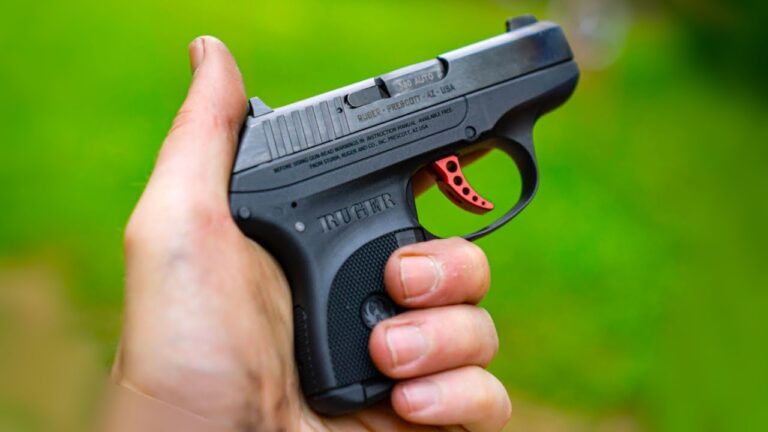
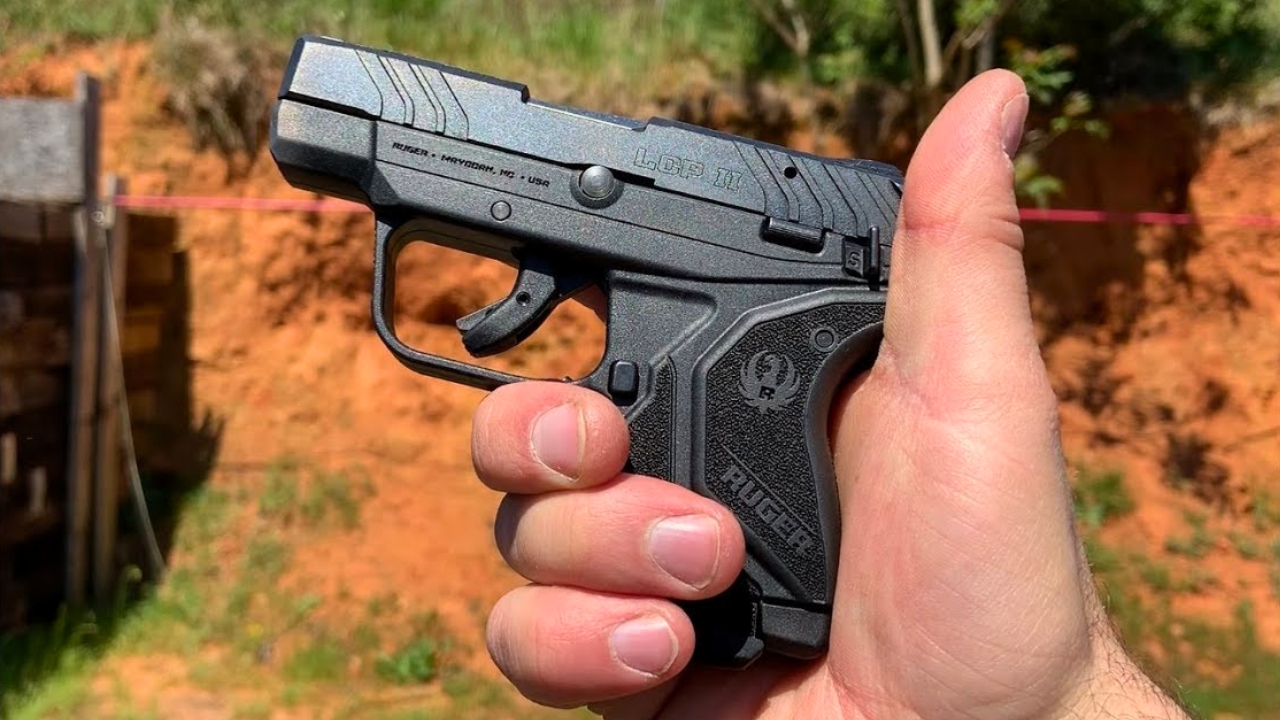
Ruger LCP II

The LCP II gets recommended because it’s small enough to carry when you’d otherwise carry nothing. That’s the whole appeal. The return comes when people realize it’s not fun to shoot and it’s not built for target work.
The tiny grip and short sight radius make it easy to spray groups. Recoil is sharp for the size, and the gun demands careful trigger control to keep hits where you want them. Plenty of owners buy it, shoot a box of ammo, and decide they’d rather carry something slightly larger that they can actually train with. The LCP II is a legitimate “always gun,” but it’s often sold to people who really wanted a small 9mm instead. When the limitations show up, it ends up back in the case.
Ruger EC9s

The EC9s gets recommended as a budget-friendly carry pistol with a simple manual of arms. It looks like a smart buy, and for some people it is. Returns tend to happen when shooters compare it side-by-side with slightly nicer compacts and realize how much they notice the differences.
Trigger feel, sights, and overall shootability can make it harder for a newer shooter to get confident results. The gun may run fine, but your groups might not. When a pistol doesn’t build confidence, people move on quickly. Another factor is that many buyers buy the EC9s to save money and then spend that saved money trying to improve it. If you end up replacing sights and chasing upgrades, it stops feeling like a bargain. That’s often when it gets traded toward a pistol that felt “done” from the start.
Taurus G3C
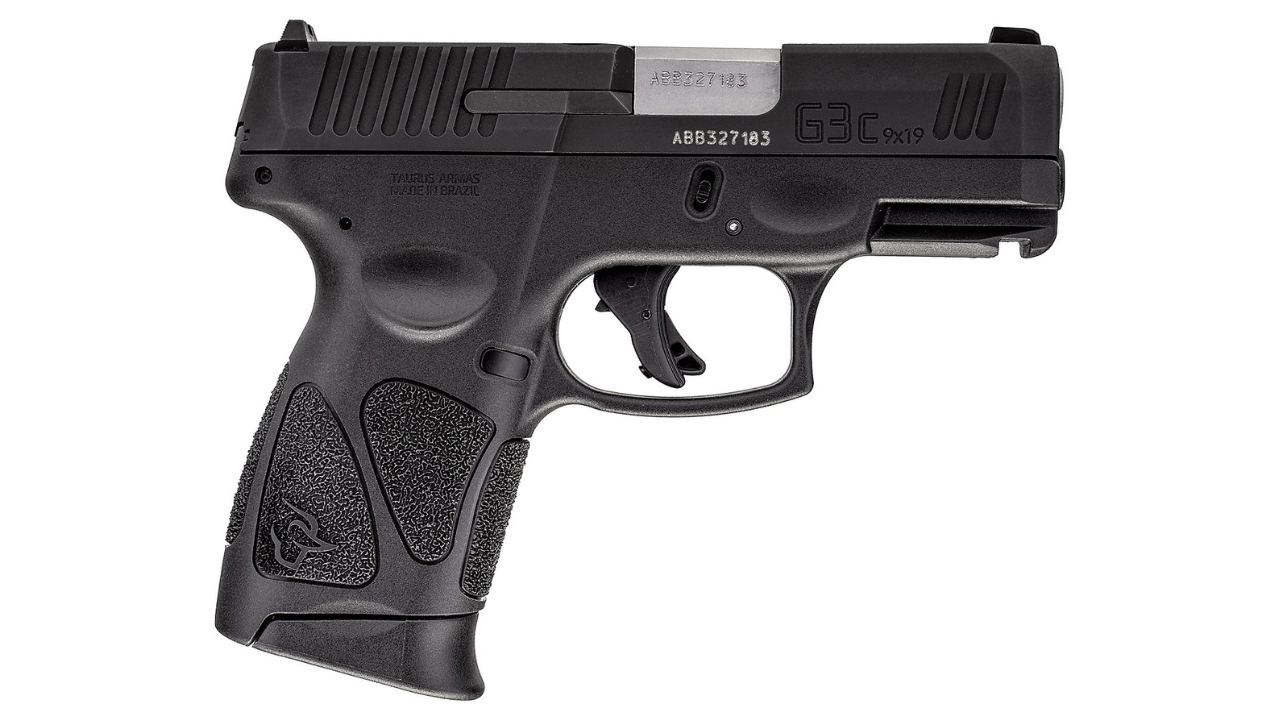
The G3C gets recommended constantly because it’s affordable and offers a lot of features for the money. Many owners have good experiences. Returns usually come from two places: expectations and consistency of the individual gun.
Some buyers expect it to feel like a higher-priced compact. When it doesn’t, they lose confidence fast. Others run into issues like rough triggers, inconsistent accuracy, or reliability that doesn’t match what they read online. Even when the pistol is mechanically fine, the fit and feel can be hit-or-miss for certain hands. The G3C is often a first pistol, and first pistols get traded a lot as people learn what they actually like. The recommendation is easy. The long-term relationship is less guaranteed.
Taurus Judge

The Judge gets recommended by people who want a “do everything” revolver and by folks who like the idea of .410 for defense. It also gets returned when owners discover that reality is more complicated than the pitch.
With shotshells, patterns vary widely by load and distance. With .45 Colt, accuracy can be decent, but the gun isn’t optimized like a dedicated .45 Colt revolver. The result is a pistol that can feel like it’s always a compromise. People buy it expecting a magic answer, then realize it’s mostly a niche tool that excels in very specific situations. It also tends to be bulky for what it offers, which becomes obvious once you try to actually carry it or train with it. That’s why you see them come back.
CZ P-10 C

The P-10 C is often recommended as a “better value Glock,” and it’s a solid pistol. Returns happen because the recommendation is usually about specs and price, not about what the gun feels like in real hands.
Some shooters love the grip shape and trigger. Others never adapt to the ergonomics or the way it tracks under recoil. If you’re coming from Glock, M&P, or SIG, the CZ can feel different enough that your hits drift until you put in real time. Many buyers don’t want to put in that time when they can trade it toward something that clicks immediately. The P-10 C can be extremely accurate and dependable, but “good pistol” doesn’t always mean “good for you,” and that mismatch is where returns happen.
Beretta APX

The APX often gets recommended as an underrated duty-style pistol at a good price. It looks serious, it feels solid, and it’s not hard to sell. Returns tend to happen when buyers realize the gun doesn’t have the same ecosystem or familiarity as the big mainstream options.
Some shooters also find the trigger feel and reset don’t suit them, and the gun can feel bulkier than expected in concealed carry. If you bought it as a bargain alternative, you may end up trading it once you realize how much you value holster options, spare mags, and aftermarket support. None of that is about the APX being unreliable. It’s about ownership being easier when the platform is everywhere. The APX often gets bought with excitement and returned with practicality.
FN 509 Compact

The 509 Compact gets recommended because it’s durable, capable, and has a serious-duty reputation. It also costs enough that buyers have high expectations the minute they shoot it. Returns sometimes happen when the shooter doesn’t love the trigger feel or doesn’t shoot it as well as they expected for the price.
Ergonomics can also be polarizing. Some hands love it, some don’t. If it doesn’t point naturally for you, your groups will show it, and that’s hard to ignore when you paid premium money. The gun can be extremely dependable, but dependability isn’t the only reason people keep a pistol. They keep the one they shoot best and enjoy training with. When a 509 Compact feels more “duty tool” than “shootable favorite,” some owners trade it toward something that flatters them more on targets.
Kimber Micro 9
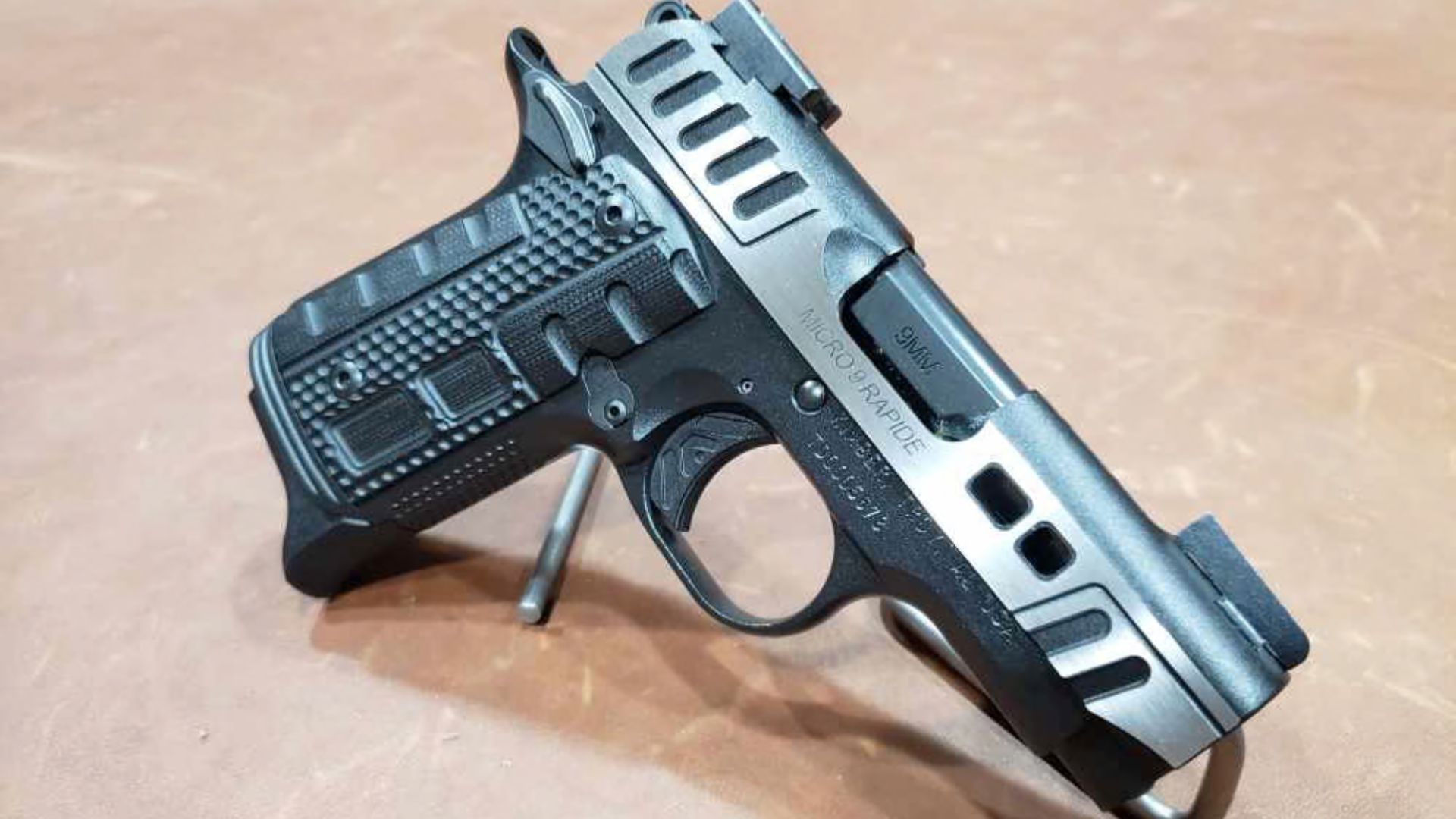
The Micro 9 gets recommended because it looks great, carries slim, and has that familiar 1911-style appeal. It also gets returned when the owner realizes small 1911-pattern guns can be less forgiving and more demanding than a striker pistol in the same role.
The short grip and snappy feel can make it harder to shoot well at speed, and the platform tends to reward careful technique. If you bought it for style and carry comfort, the first range session can be a wake-up call. Some shooters also discover that they prefer the consistent trigger feel and simpler manual of arms of a striker-fired carry gun. The Micro 9 can be a nice pistol, but a lot of buyers learn they wanted the look more than the shooting experience. That’s when it ends up back in the shop.
Ruger SR9c

The SR9c gets recommended because it’s a proven, affordable compact with a good track record. Returns often happen because it’s a little older in design and feel compared to newer compacts people are used to handling at the counter.
Ergonomics and trigger feel can be perfectly fine, but if a buyer compares it to newer offerings, the SR9c can feel dated or less refined. People also sometimes buy it because they found a deal, not because it fits them best. After a few range trips, that “deal” turns into a “maybe I should have bought the other one” moment. The SR9c can be reliable and accurate, but it competes in a market where comfort, aftermarket support, and familiarity matter as much as performance. Those factors drive a lot of returns.
Like The Avid Outdoorsman’s content? Subscribe to our newsletter so you never miss an article.
Here’s more from us: