Photo credit: S&R BALLISTICS/YouTube
Some rifles got more expensive because they truly improved. Better barrels, better triggers, better stocks, better consistency, better support. Fine. That makes sense. Then there is the other category. These rifles got pricier because collectors got emotional, imports dried up, branding got louder, or nostalgia started doing all the heavy lifting. The number on the tag climbed. The rifle itself did not suddenly turn into something better than it was before.
That is what makes this category so irritating. A lot of these rifles are good. Some are genuinely fun, useful, or historically interesting. But the market often acts like rising price automatically means rising quality, and that is where the whole thing gets silly. Here are 15 rifles that got a lot more expensive without actually getting any better.
Colt AR-15 SP1

The SP1 got expensive because people fell in love with the early Colt rollmark and the whole retro-black-rifle mystique. That is understandable. It looks right, it feels old-school, and it carries the sort of name collectors love to circle in red ink.
What it did not do is magically become a better shooter than it was when prices were saner. It is still an early-pattern AR with all the same appeal and all the same limits. The money went up because the nostalgia did, not because the rifle evolved into something more impressive.
Ruger Mini Thirty

The Mini Thirty got more expensive because traditional-stock semiautos started feeling cooler again and buyers liked the idea of a Mini in a heavier-hitting caliber. That shift gave the rifle a lot more attention than it used to get when people mostly treated it like the Mini-14’s less obvious cousin.
The rifle itself did not suddenly become more refined, more accurate, or more polished because the tags climbed. It is still the same practical, slightly quirky semiauto it always was. Buyers are paying more for changing taste, not changing performance.
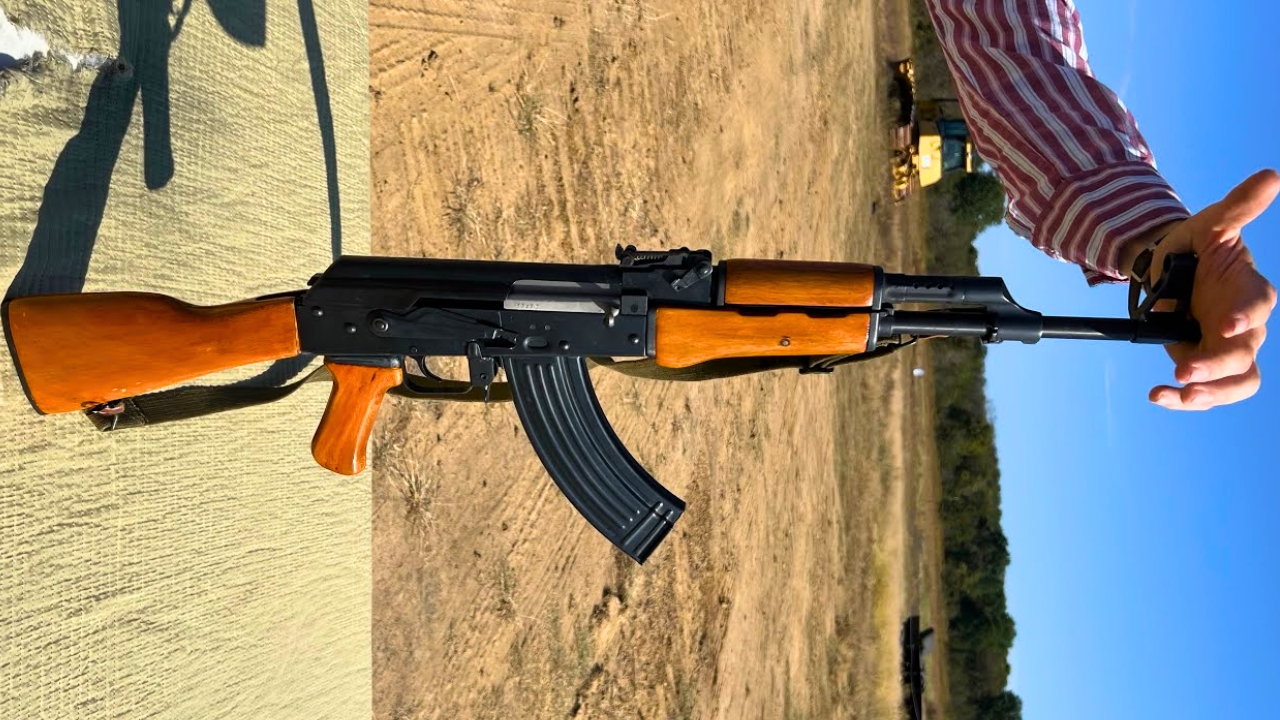
Norinco MAK-90

The MAK-90 became expensive because the cheap-import era died and people suddenly remembered how much they liked Chinese AKs once they were no longer piled up everywhere. That always happens. The rifle goes from “budget import” to “smart buy” the second supply tightens and regret shows up.
But the rifle itself did not become more sophisticated. It is still the same sturdy, plain, very straightforward Chinese AK-pattern rifle it always was. It did not get better. It just stopped being easy to replace.
PolyTech Legend
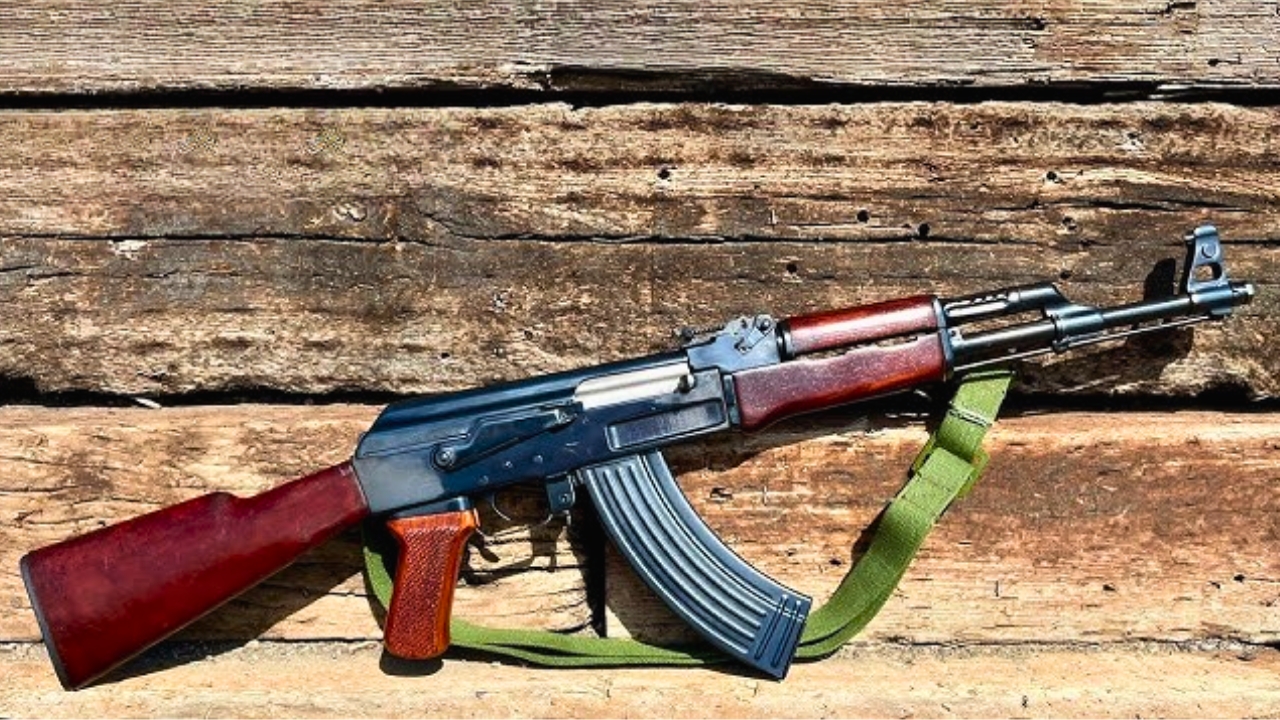
The PolyTech Legend has become one of those rifles people talk about like it gained mythical status through price alone. It is a handsome rifle, sure, and it has real collector pull, but the market now treats it like every example should command instant reverence and premium money.
That does not mean the rifle itself changed. It is still the same semiauto that buyers once could have approached with much less drama. The jump in value came from rarity, import history, and collector hunger, not from any sudden leap in what the rifle actually delivers on the range.
HK SL7

The SL7 became expensive because HK on the receiver has a way of making people lose all sense of proportion once a rifle gets harder to find. The rifle has a loyal following and a distinct look, and that is usually enough to light the fuse once the supply gets thin.
None of that made it shoot better than it did before. It is still the same unusual, interesting sporting rifle it always was. Buyers are paying for scarcity and logo gravity, not some newly discovered level of performance.
HK 770
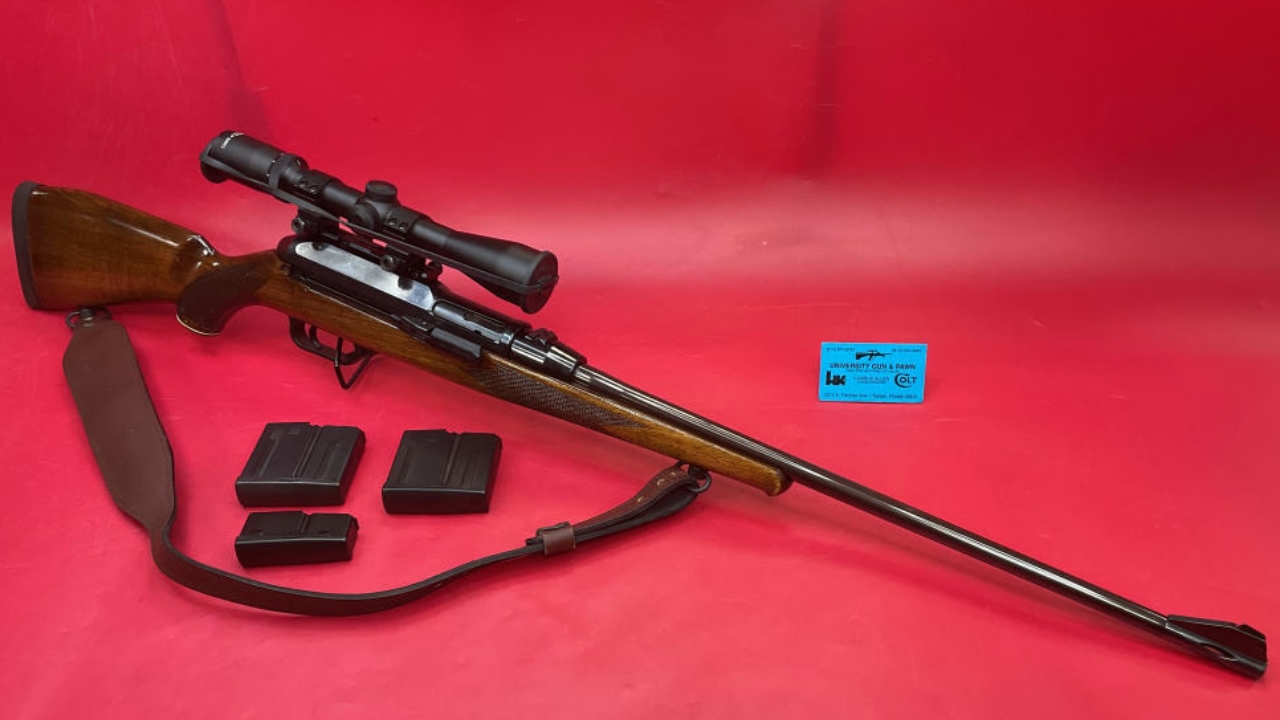
The 770 followed the same path. It spent years being the sort of rifle knowledgeable people thought was neat without necessarily treating it like a must-buy. Then enough collectors decided they wanted old HK sporting rifles, and the whole tone changed overnight.
That price surge did not suddenly make the 770 a more advanced or more practical hunting rifle than it was during the softer years. It is still an older HK sporting semiauto with all the same appeal it had before. The market simply decided appeal should now cost a lot more.
Remington Model 7400 Carbine
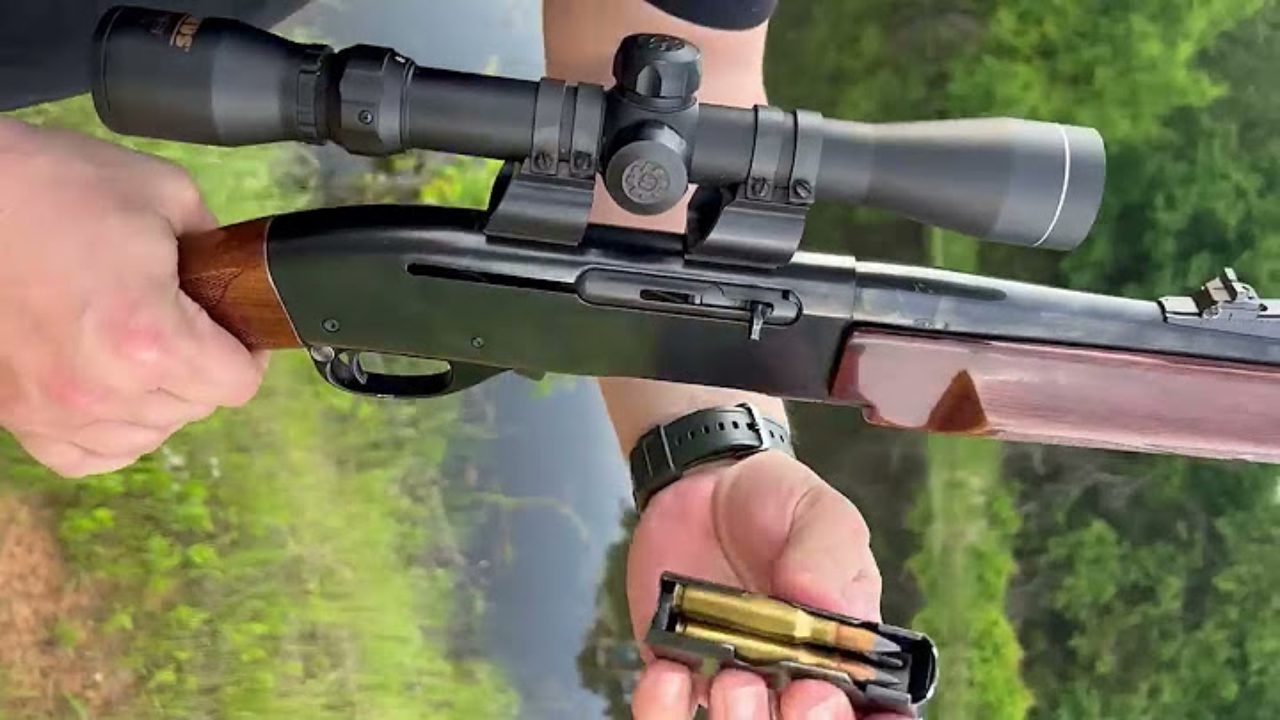
The 7400 Carbine got pricier because people started romanticizing older woods semiautos and acting like every compact deer rifle from the past had become a hidden treasure. That kind of nostalgia raises prices very quickly.
What it does not do is change the rifle itself. The 7400 Carbine is still the same rifle with the same strengths and the same known limitations it always had. The market got fonder. The rifle did not get better.
Browning T-Bolt
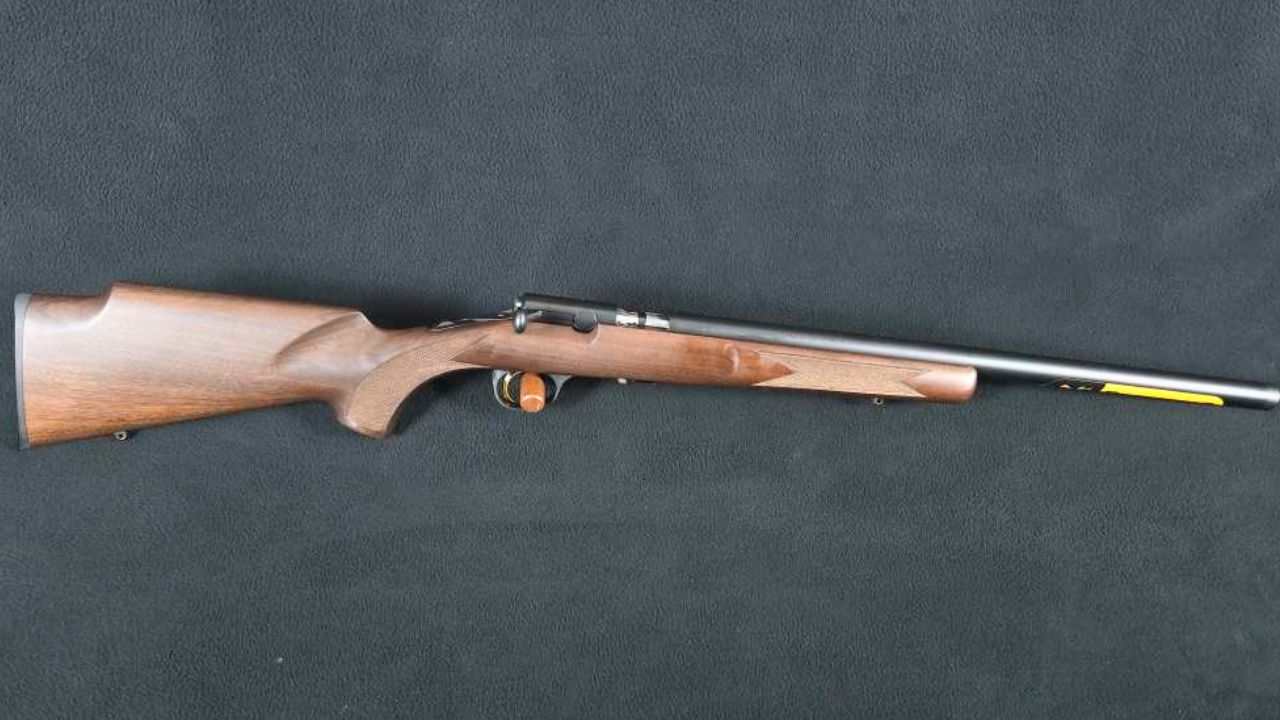
The T-Bolt became more expensive because elegant rimfires finally started getting treated like serious collector pieces instead of side purchases. That helped the T-Bolt a lot, especially among buyers who wanted something a little more refined than the usual .22 fare.
Still, the rifle did not wake up one day and become more capable than it had always been. It was already a good rimfire. The jump came from collector attention and changing taste, not from any real improvement in the rifle itself.
Anschütz 64 Sporters
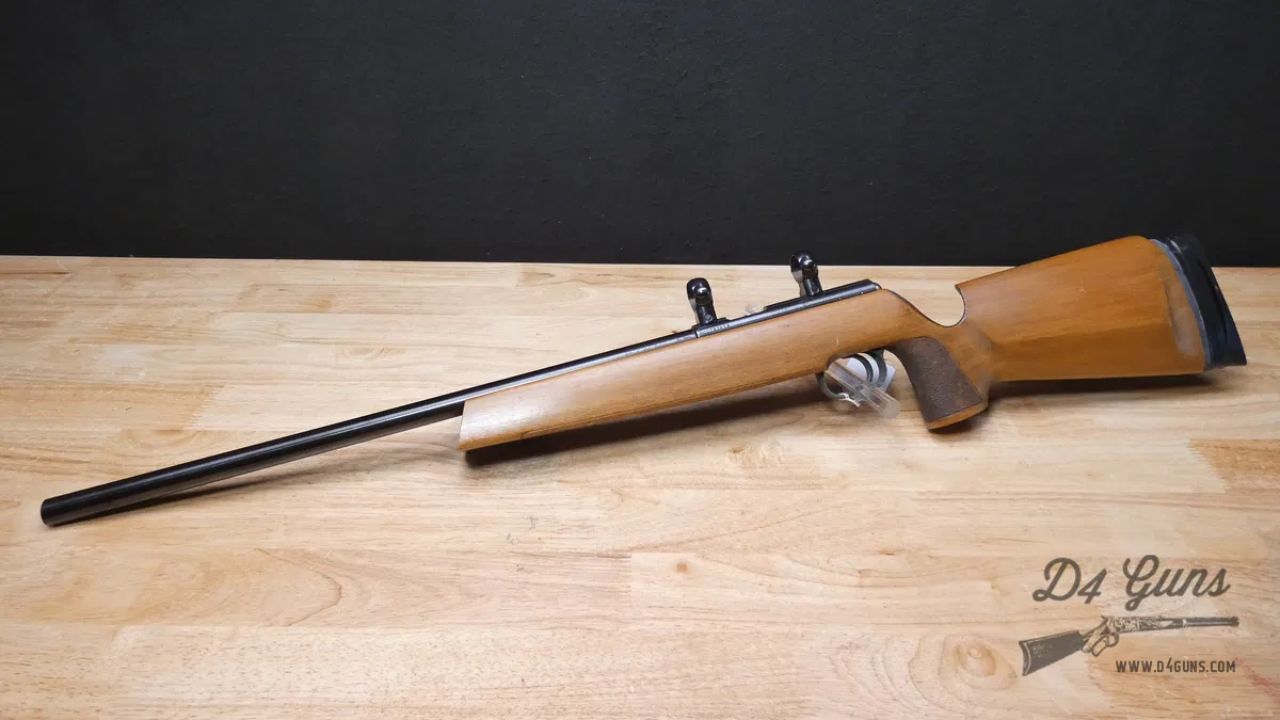
These rifles got more expensive because more buyers finally accepted that fine rimfires are real rifles, not just “nice little .22s.” Once that shift happened, prices on older Anschütz sporters started moving harder than many casual buyers expected.
But again, the rifles themselves did not improve. They were already precise, already well made, already what they were. The market simply got around to valuing them later than it should have, and now buyers have to pay for that delay.
Savage 23 Series
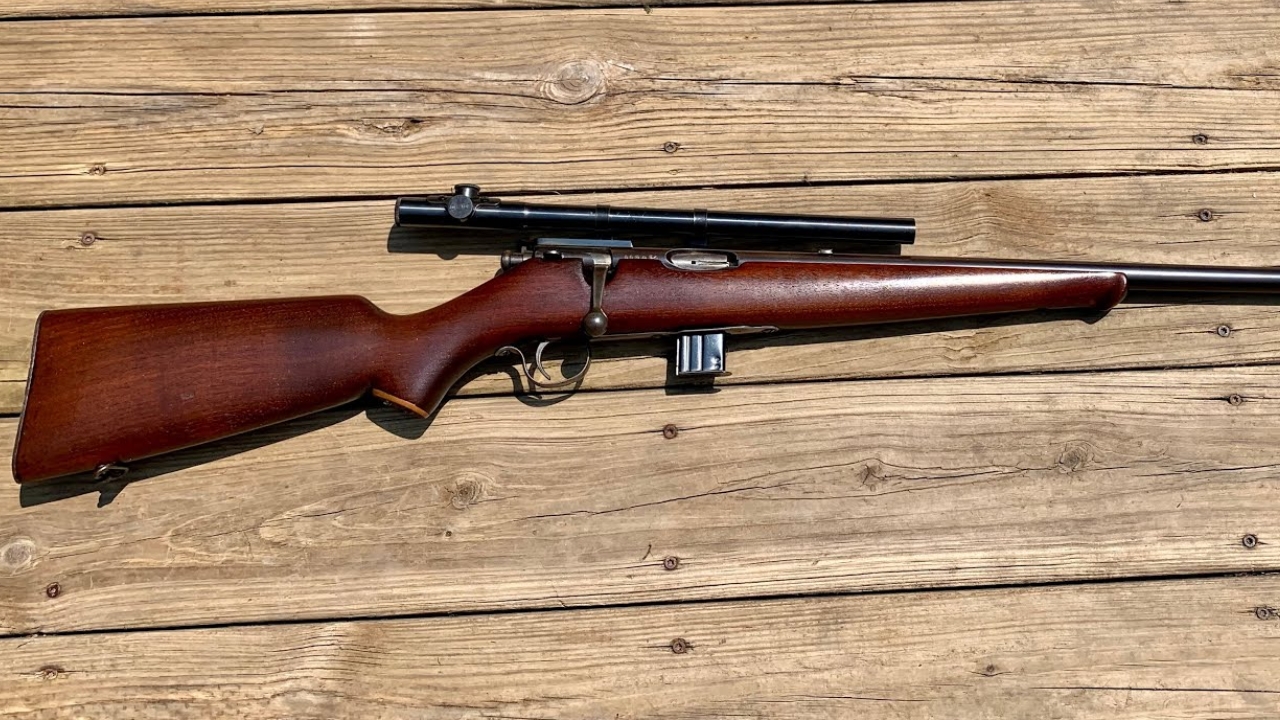
The old Savage 23 rifles got more expensive because practical old sporting rifles eventually attract the exact kind of buyers who once ignored them. They are honest, useful, and tied to an era of simple rifle making that people suddenly get sentimental about once the cheap examples disappear.
That does not mean the rifles transformed into something more than they were. The price movement came from recognition, not reinvention. They are still the same modest, capable old rifles they were when the market did not care enough.
Ruger 77/44
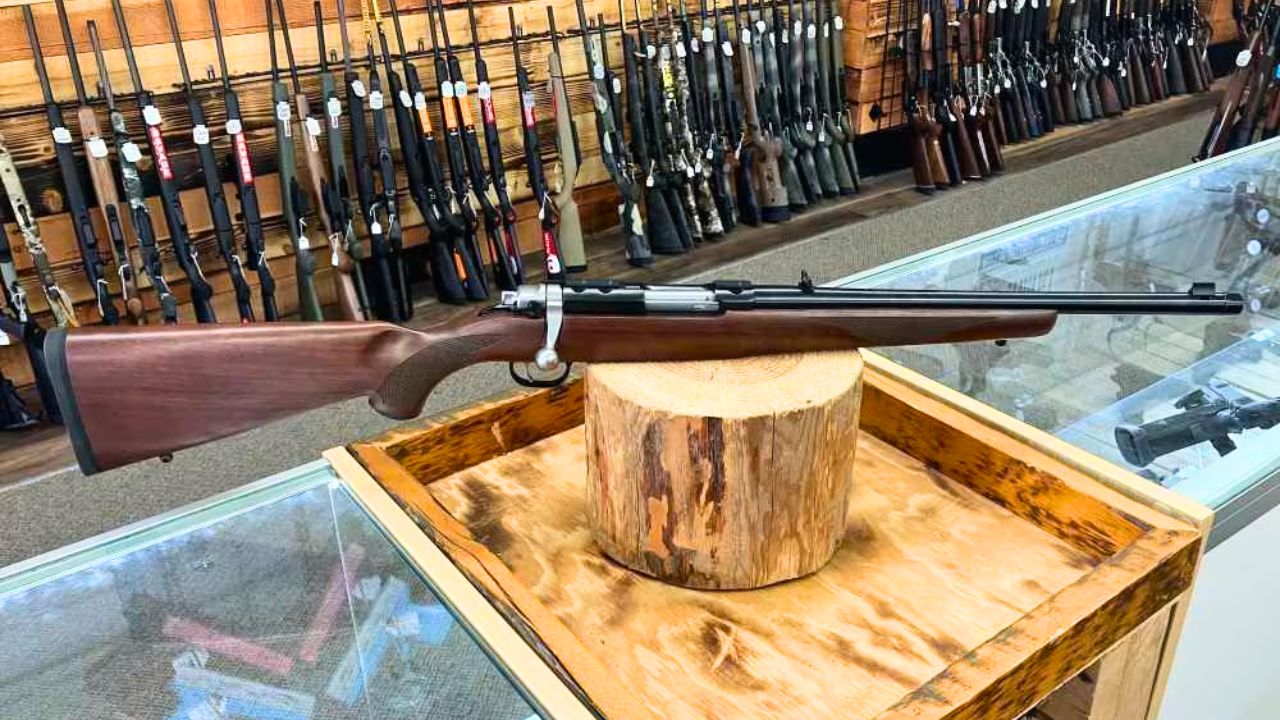
The 77/44 got expensive because light, handy bolt rifles in straight-wall and revolver-type calibers became a much hotter idea than they used to be. Hunters and woods shooters started wanting compact rifles again, and this one fit that mood perfectly.
The rifle itself did not suddenly gain new powers. It still offers the same compact appeal and same basic shooting experience it always did. The market simply decided that those traits were worth a lot more money now than they were before.
CZ 452 American
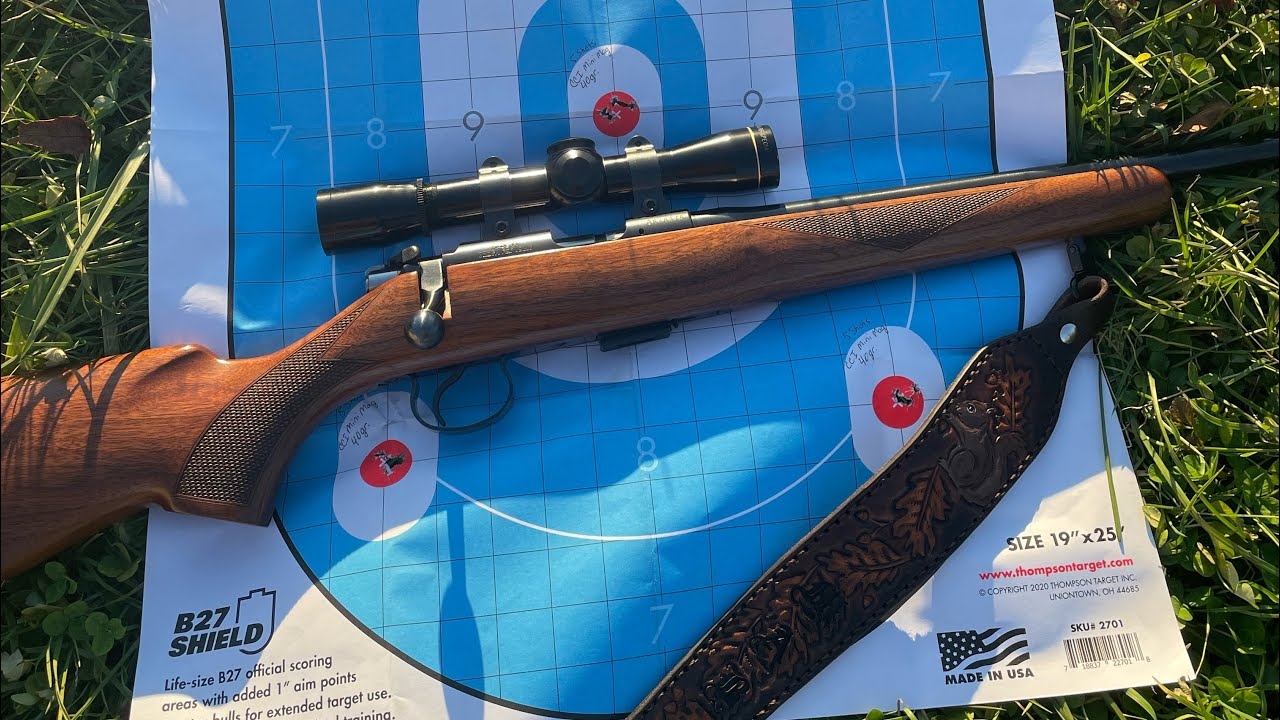
The 452 American became expensive because good bolt-action rimfires finally stopped being taken for granted. Once the 452 left the easy-current-production conversation, buyers started looking at it much harder and acting like every clean one had become a mandatory purchase.
That change says more about the market than the rifle. The 452 was already a very nice rimfire when the prices were calmer. It did not get better. It got missed, then reappreciated, then repriced.
Mannlicher-Schoenauer Sporters
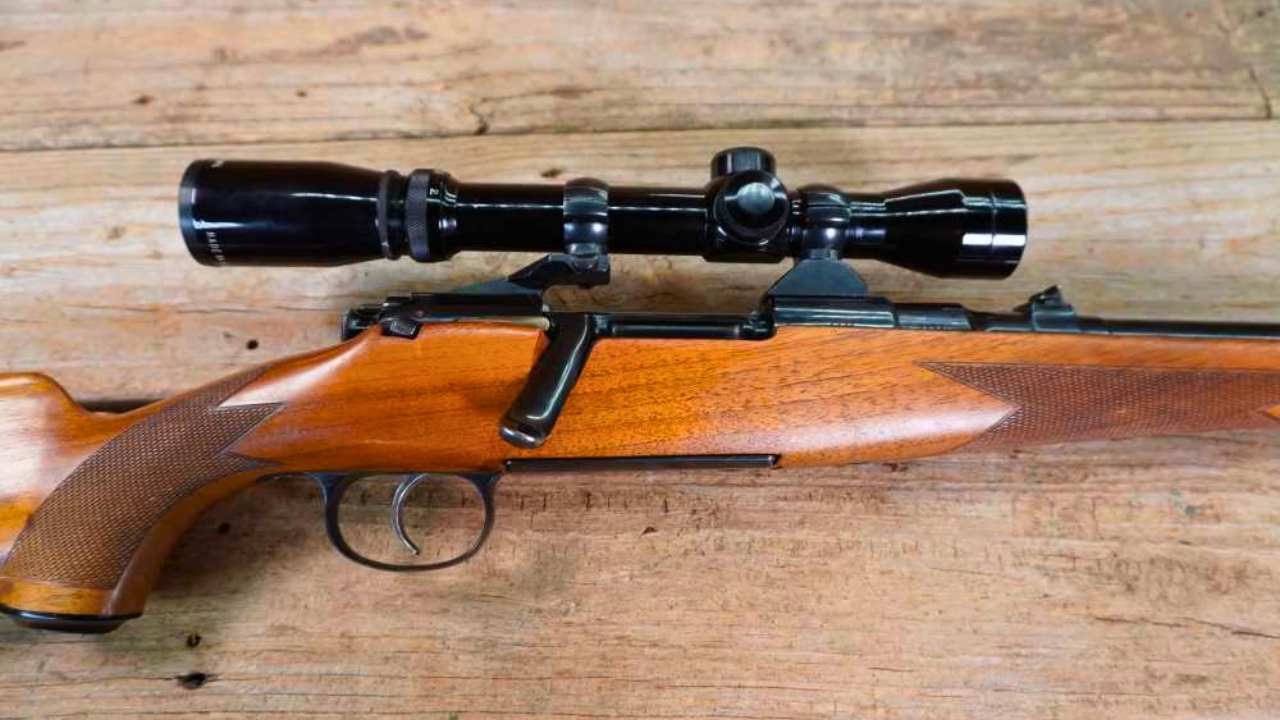
These rifles got expensive because the market finally decided old-world elegance should cost a fortune. Smooth action, full-stock charm, and classic European sporting style all became much hotter once buyers started wanting something that looked deeper-cut than the usual bolt gun.
Beautiful rifles, absolutely. Better because they cost more now, no. They are still the same refined old sporters they always were. The money rose because buyer emotion did, not because the rifles changed in any meaningful way.
Winchester 52 Sporters
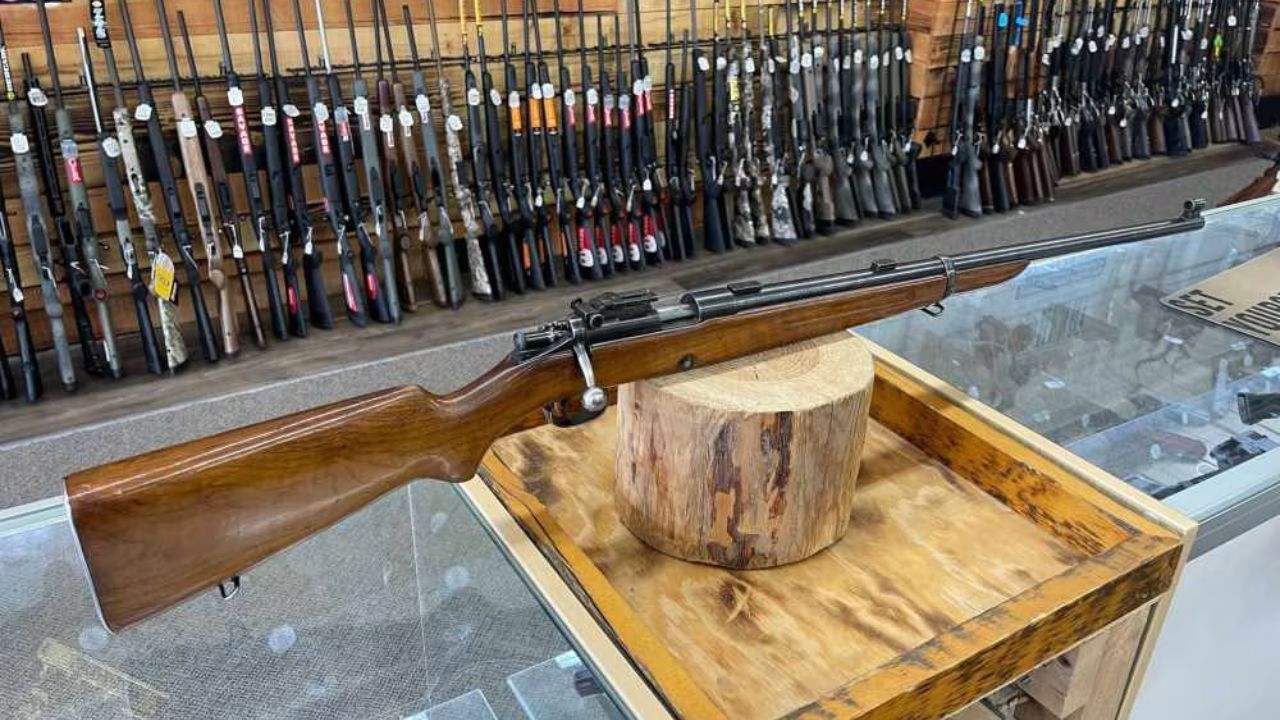
The 52 Sporters became expensive because premium rimfires finally started getting their due from collectors who once treated centerfires like the only “serious” long guns worth chasing. Once that correction hit, nice 52s stopped being remotely casual purchases.
But the rifle itself was already excellent back when the price tags were friendlier. The quality did not rise with the market. The market simply woke up late and made buyers pay for that delay.
Browning BAR Mark II Safari rifles

Older BAR Safari rifles got much pricier because hunters and collectors both started looking harder at classic sporting semiautos with walnut and blue steel. Once that happened, the old BAR family got dragged into a much more emotional market.
That does not mean the rifles suddenly became better than they were when fewer people wanted them. They are still the same mature hunting semiautos with the same appeal they always had. The difference now is mostly in what buyers are willing to tell themselves while handing over more money.
Sako L61R Finnbear

The Finnbear became expensive because classic Sako bolt rifles finally stopped slipping by under the radar of buyers who were too busy chasing louder American names. Once more people started appreciating older Sako quality, the prices got serious very quickly.
The rifle did not improve. It was already what it was: a quality sporting rifle with old-world feel and strong field credibility. The market just started charging modern regret prices for the same rifle it once let people think about too casually.
Like The Avid Outdoorsman’s content? Be sure to follow us.
Here’s more from us: