Photo credit: SouthernChristianHunter/YouTube
Some guns get pulled from production because of politics, patent issues, or market shifts. Others? They get yanked because they just don’t cut it long-term. Maybe they looked good on paper but fell short in real-world use. Maybe they were plagued by mechanical issues or priced themselves out of relevance. Whatever the case, when a gun gets discontinued over and over—or nobody fights to bring it back—it usually tells you something. Here are the ones that couldn’t keep a spot on the shelf for a reason.
Remington R51

The R51 made a lot of noise when it first came out, mostly because Remington claimed it would bring back the magic of the old Model 51 with modern upgrades. Instead, it launched with a ton of problems—failure to feed, slide issues, and strange ergonomics.
Remington tried to relaunch it with a Gen 2 version, but the problems never fully went away. It was supposed to be a pocket 9mm that handled recoil well, but shooters found more frustration than performance. After two short stints, it disappeared again—and nobody really missed it.
Colt All American 2000
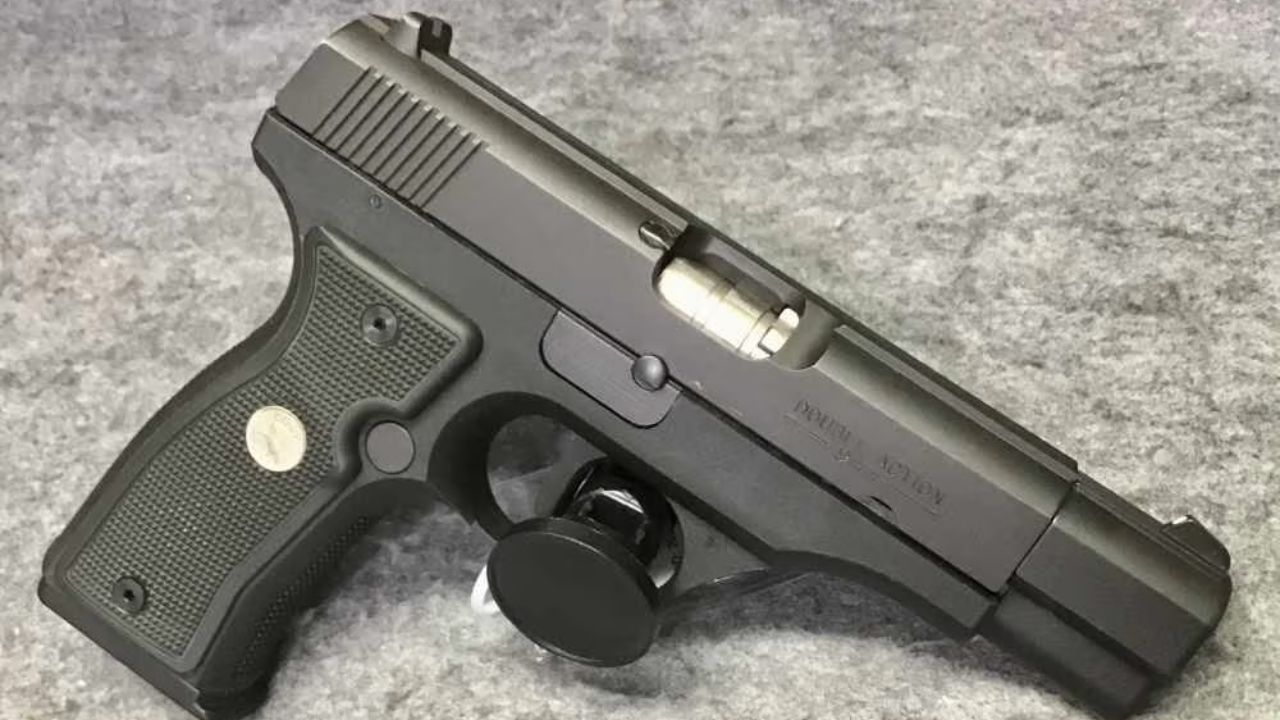
Colt wanted in on the polymer-framed pistol trend and dropped the All American 2000 back in the ’90s. On paper, it had some smart features: a rotary barrel, double-action-only trigger, and decent capacity. But in practice, it was bulky, unreliable, and had one of the worst triggers out there.
Shooters complained about accuracy, feeding issues, and a trigger that felt like dragging a cinder block through gravel. Colt pulled the plug after a short run, and every time it comes up now, it’s more as a cautionary tale than anything else.
Winchester 190
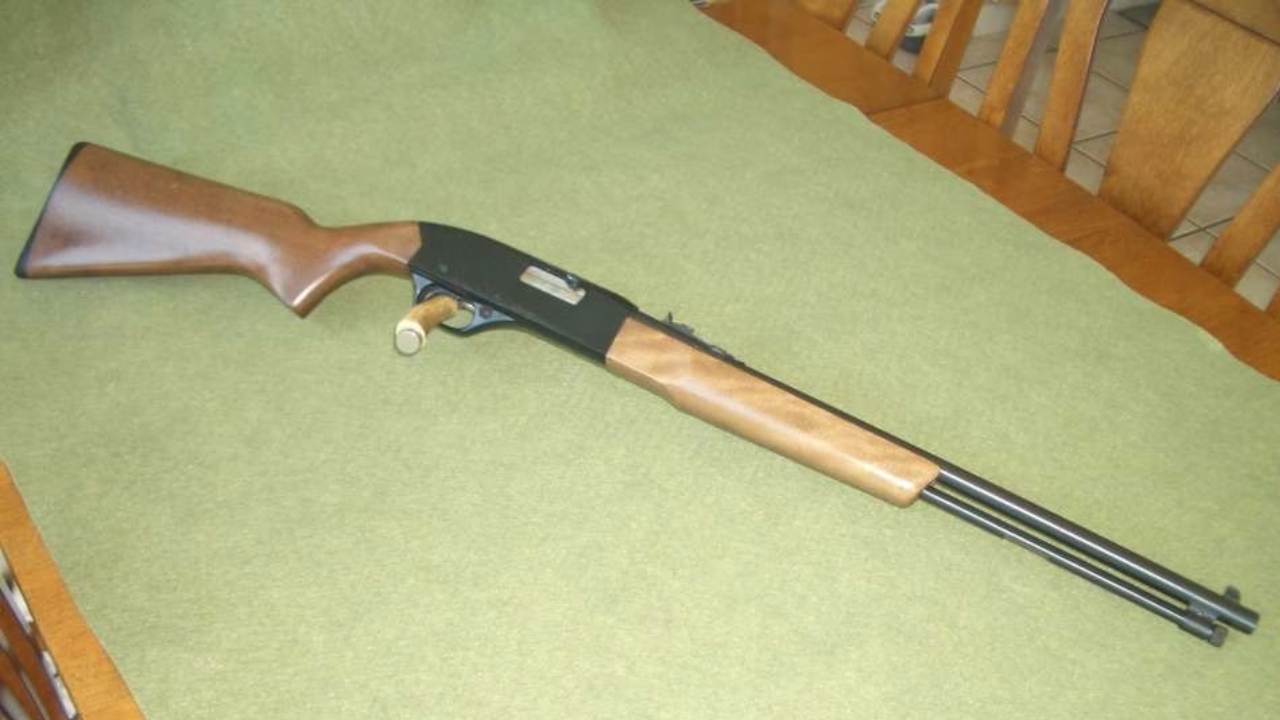
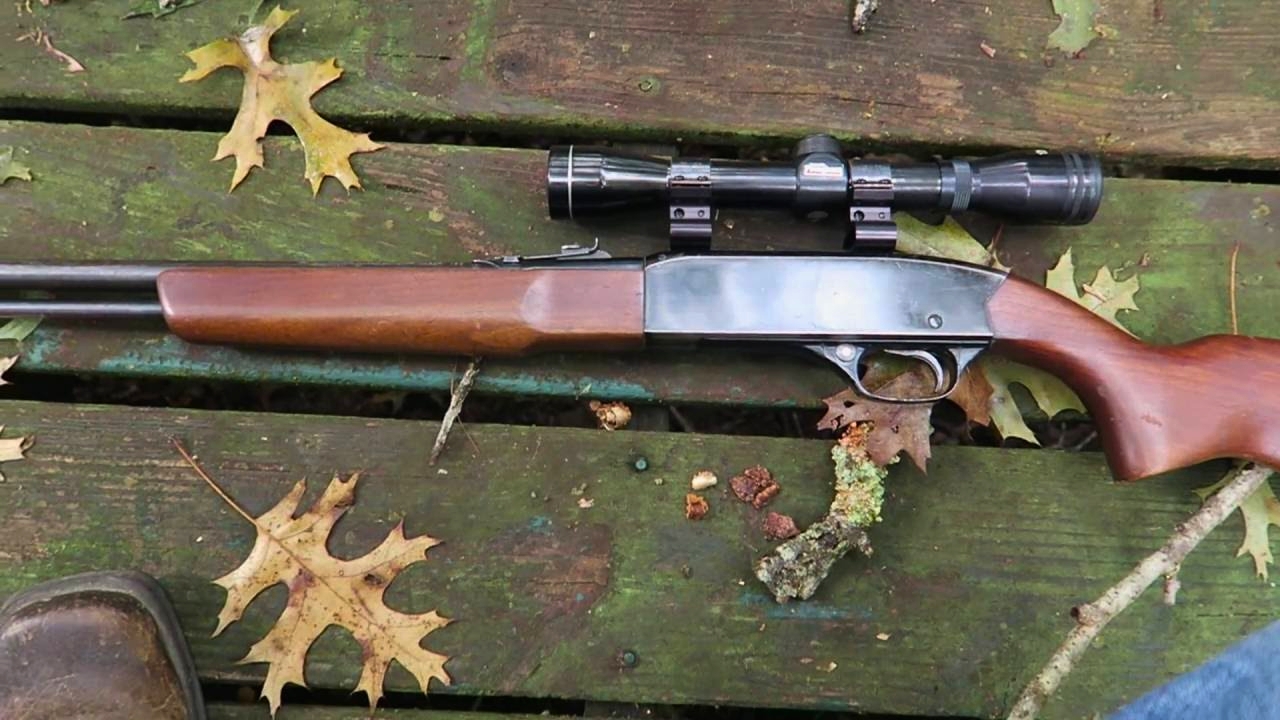
The Winchester 190 was supposed to be a budget-friendly semi-auto .22, but it came with more problems than value. The trigger was heavy and gritty, the action was rough, and accuracy wasn’t anything to brag about. It also had feeding issues with many types of .22LR.
It sold for a while because of the Winchester name, but the design never held up to consistent use. Parts wore out fast, and the takedown system made cleaning a pain. Once they stopped making it, few shooters were upset about its absence.
SIG Mosquito
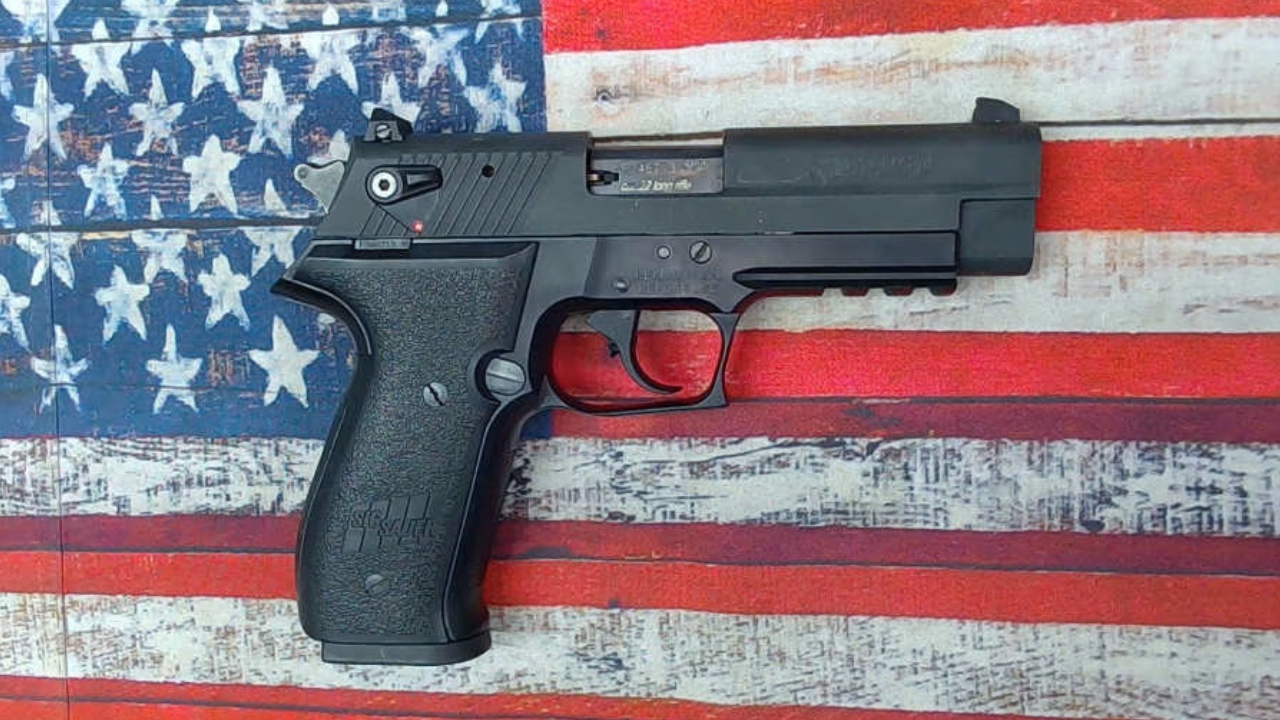
The SIG Mosquito had the look and feel of a full-size SIG, but in .22LR. Unfortunately, the reliability never matched the brand’s reputation. It was extremely picky with ammo and prone to failure-to-feed issues unless you ran it with hot, high-velocity rounds.
It also had some odd control quirks and a heavy trigger that turned new shooters off. Despite being aimed at training and plinking, it caused more jams than confidence. SIG pulled it, and the market moved on to better .22 options that actually worked out of the box.
Remington 597

The Remington 597 was meant to compete with the Ruger 10/22, but it never held up under pressure. Feed issues were constant, especially with factory magazines. The action felt sluggish, and even minor fouling caused cycling problems.
Accuracy was decent when it ran, but getting it to run reliably was the real issue. A lot of folks spent more time trying to troubleshoot it than shooting. It hung around longer than it probably should have, but eventually Remington gave up on it—and it hasn’t been missed much since.
Taurus PT22

The Taurus PT22 offered a tip-up barrel and compact frame, but it was plagued by spotty reliability. The trigger pull was long and inconsistent, and the blowback design didn’t always cycle properly, especially with lower-velocity ammo.
It was marketed as an easy-to-use pocket pistol, but the real-world use told a different story. Many users experienced light primer strikes and feeding problems, and once parts started wearing, they wore fast. It’s been discontinued multiple times, and each time, it faded out without much pushback.
Mossberg 100 ATR

The 100ATR was Mossberg’s first big step into affordable bolt-action rifles for hunters. While it worked well enough for the price, it had some long-term issues that couldn’t be ignored—rough bolt operation, inconsistent triggers, and a tendency for accuracy to fall apart under heat.
It was often seen as a good “first rifle,” but once shooters got more experience, most moved on quickly. Mossberg eventually phased it out in favor of the Patriot line, which fixed a lot of what the ATR couldn’t get right.
Walther P22 (early models)

The early Walther P22s looked great and felt good in the hand, but the internals didn’t back it up. Feed issues were common, especially with standard velocity ammo. The slide would sometimes crack, and the zinc alloy construction didn’t inspire much confidence.
Newer versions have ironed out a lot of the kinks, but the early ones left a sour taste for many shooters. You’ll still find them used, but a lot of owners either shelved them or dumped them in trade after one too many stovepipes.
Rossi Circuit Judge
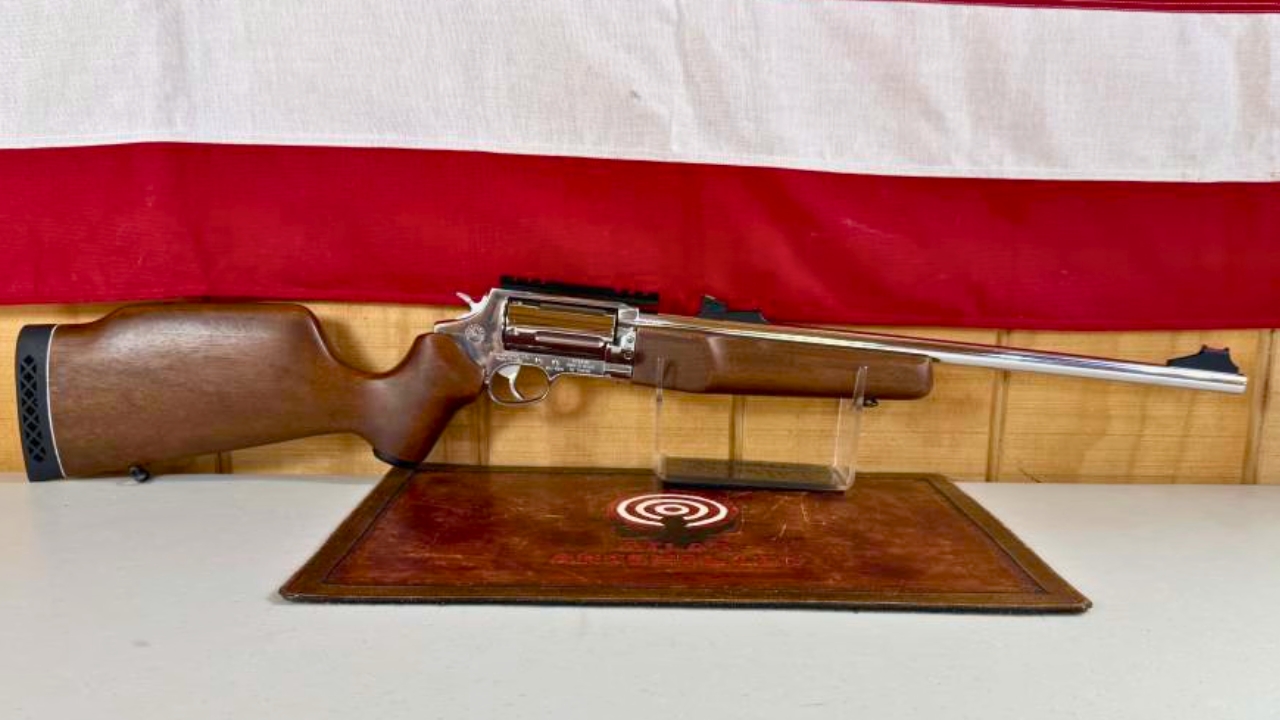
The Rossi Circuit Judge tried to bring the revolver-style cylinder to a long gun format, letting you shoot both .45 Colt and .410 shells. In theory, it was fun. In practice, the cylinder gap on a long gun was a problem. You’d get gas blowback and poor accuracy at longer ranges.
The novelty wore off quick once users realized the thing wasn’t consistent, and the bulk made it awkward to shoulder. It still pops up here and there, but it’s been discontinued in phases and never quite stuck the landing.
Kel-Tec SU-16
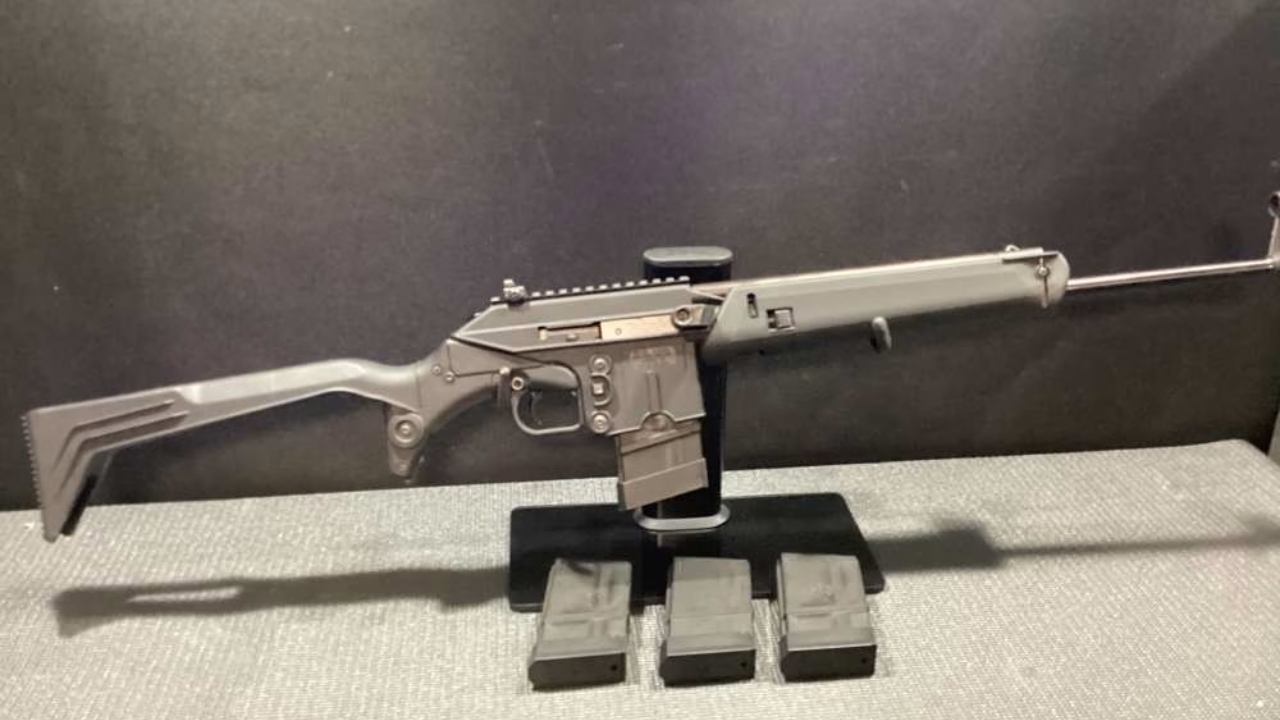
The SU-16 had a cool folding stock and lightweight polymer design, aimed at hikers and preppers who wanted something portable. But the gun itself was finicky—issues with ejection, heat tolerance, and plastic parts warping under use were common.
Accuracy was hit or miss depending on the batch, and even with improvements, the early reputation stuck. Kel-Tec never fully gave up on it, but it’s been quietly pulled or reconfigured multiple times. There are better options now that don’t require quite so much babysitting.
*This article was developed with AI-powered tools and has been carefully reviewed by our editors.