Photo credit: Pew Pew Tactical/YouTube
Some pistols look like a win when you handle them at the counter. They fit the hand, the brand name sounds trustworthy, the price feels right. Then you get to the range and reality shows up: a trigger that’s harder to run than you expected, sights that don’t help you, recoil that feels snappy for the size, or ergonomics that fall apart once you start shooting fast.
A pistol doesn’t need to be a competition gun, but it needs to be shootable. These are the handguns that often let people down because they don’t produce good real-world accuracy for the average shooter.
SCCY CPX-2

The CPX-2 looks like a simple, affordable carry pistol, and that’s why it sells. The problem is the trigger. It’s heavy and long, and that makes it hard for most people to shoot accurately at speed. You can learn it, but most people don’t put in that kind of time with a budget gun.
At the range, it becomes obvious fast: groups open up, shots drift, and shooters start yanking the trigger. A carry gun should help you get clean hits under stress, not fight you every time you press the trigger. For many shooters, the CPX-2 looks good but doesn’t shoot well.
Taurus Spectrum
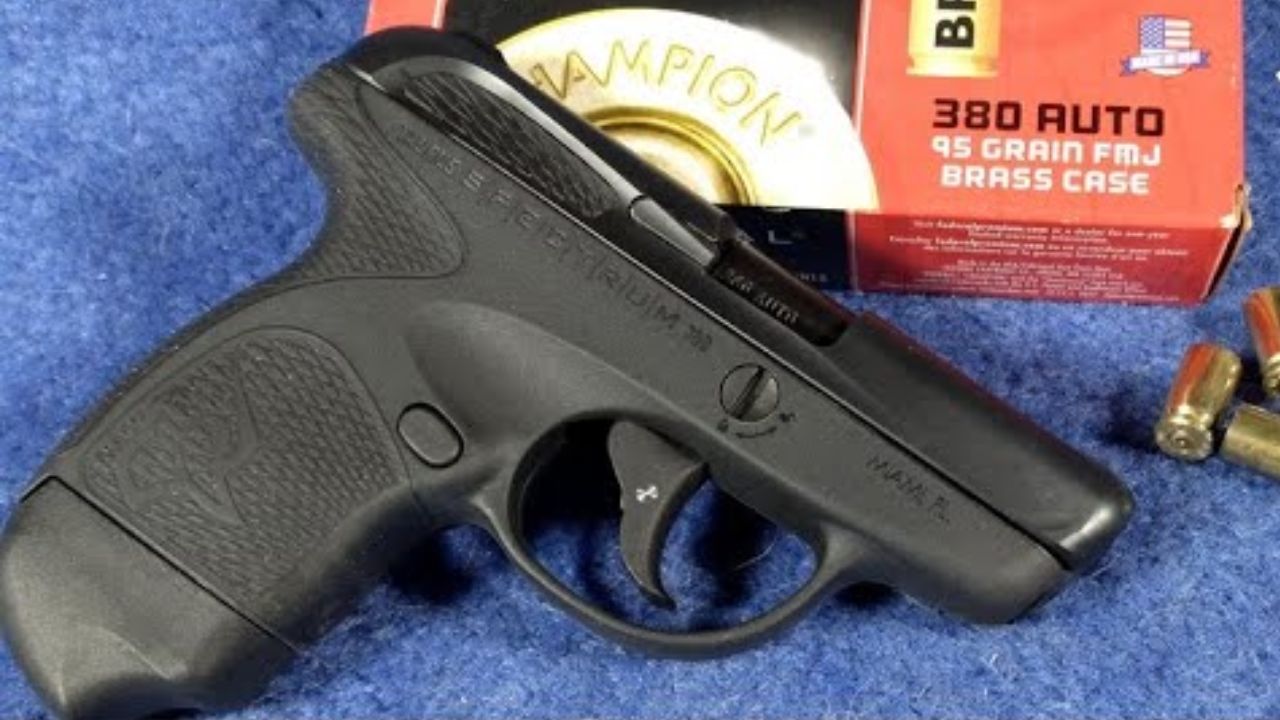
The Spectrum got attention because it looked like a sleek little pocket gun. The disappointment comes when you actually shoot it. Tiny pistols with minimal sights and short grips are hard to shoot well, and the Spectrum doesn’t do much to overcome that reality for most shooters.
When a pistol feels awkward in recoil and doesn’t give you good visual feedback, accuracy suffers. A lot of owners find they don’t shoot it confidently past very short distances. That’s fine for deep concealment, but it’s not what many buyers think they’re getting.
Kel-Tec PF-9

The PF-9 is one of those guns that’s easy to carry and harder to shoot well. It’s light, slim, and has a reputation as a “you’ll always have it” pistol. The tradeoff is recoil and control. Many shooters struggle to shoot tight groups with it, especially when they speed up.
When the gun is unpleasant to train with, practice drops. Then accuracy drops more. The PF-9 can serve a purpose, but it often looks like a better idea than it feels once you actually run drills and try to be precise.
Kel-Tec P-11

The P-11 has similar issues: heavy trigger and a compact format that doesn’t help most shooters shoot well. It’s a gun that can go bang, but it doesn’t give many people confidence in tight shot placement under pressure.
A lot of shooters buy it and then realize they don’t like shooting it. That’s a bad sign. If you dread practicing with your pistol, you’re not going to become accurate with it. The P-11 looks practical, but it often shoots poorly for the average owner.
Ruger EC9s

The EC9s is a budget-friendly slim 9, but it often doesn’t feel as shootable as other options in the same role. Sights, trigger feel, and the general “small gun” handling can make accuracy harder than buyers expected. It’s not unusable, but it can be underwhelming.
Many owners end up comparing it to pistols like the Shield or Glock 43X and realizing those shoot easier. When a pistol doesn’t help you shoot well, it ends up being carried less or replaced. That’s how the EC9s often plays out.
Beretta Nano
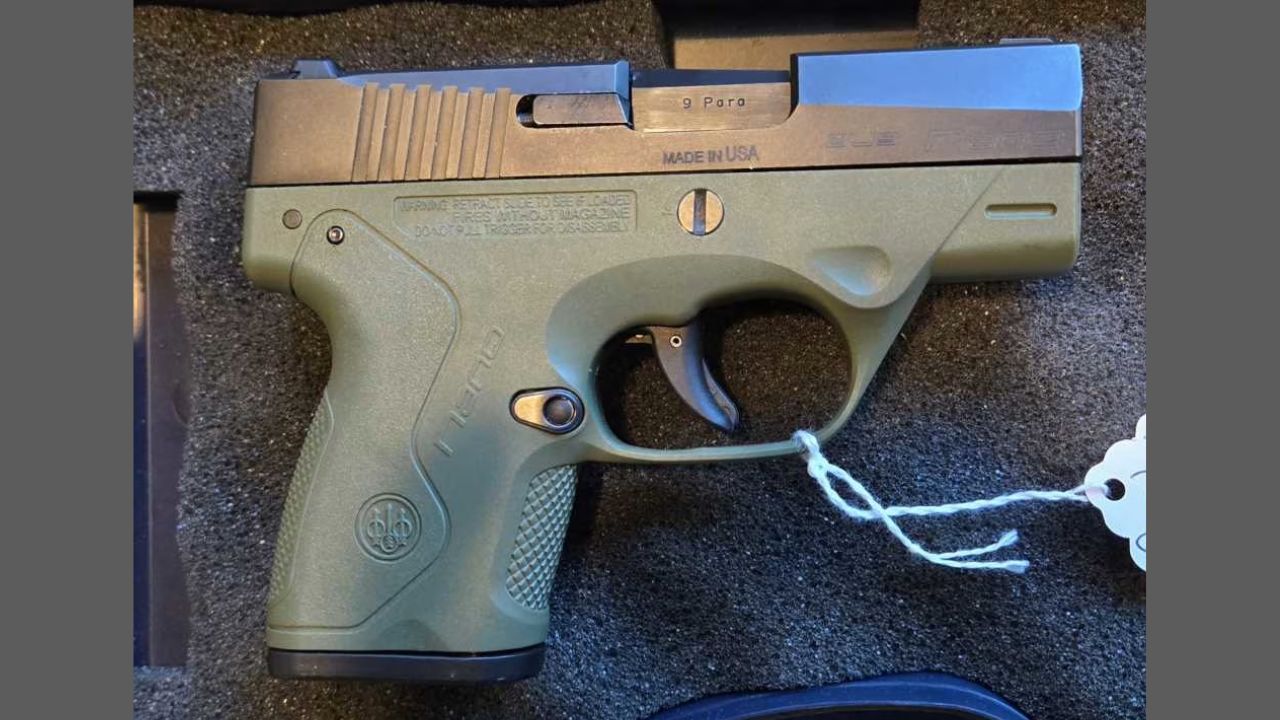
The Nano looks like it should be a slick little carry gun—Beretta name, simple profile, compact size. Then people shoot it and realize it’s not particularly friendly. The grip and trigger feel don’t help everyone, and the gun can feel snappy in the hand.
Accuracy isn’t just mechanical. It’s shooter interaction. If a pistol doesn’t point naturally for you and doesn’t give you a trigger you can run clean, your groups will show it. That’s why many Nano owners moved on.
Walther CCP

The CCP looked promising for people who wanted softer recoil and easy handling. But many shooters found the overall shooting experience didn’t match the hype. Trigger feel and consistency, plus the general complexity of the system, can create a pistol that doesn’t feel as straightforward to shoot well.
When a gun feels like it needs a learning curve just to shoot confidently, many people don’t stick with it. They end up with a pistol that seemed like the perfect solution, but didn’t deliver on the range.
SIG Sauer Mosquito
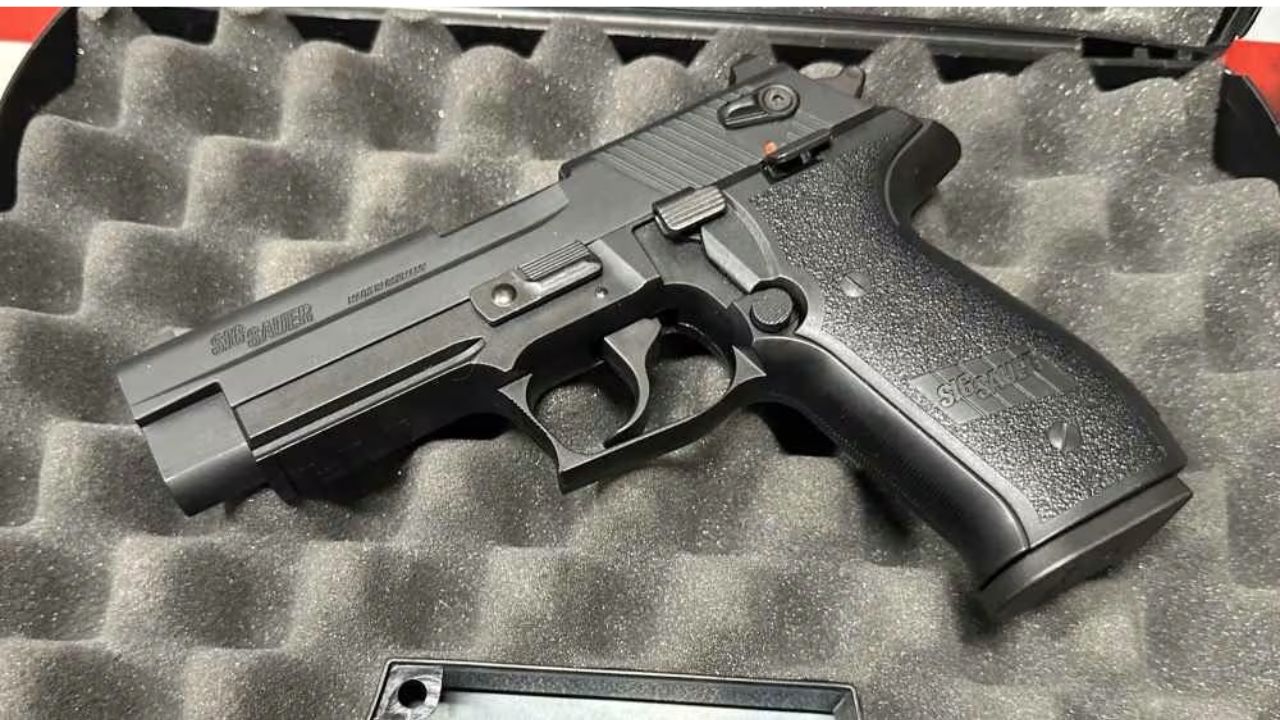
It says SIG on it, and people assume it’ll shoot great. The Mosquito is a .22 that’s often ammo sensitive and can be inconsistent once fouling builds. Accuracy problems often show up because the gun doesn’t run smoothly enough to inspire confidence, and .22 pistols can be picky about what they like.
If your pistol is constantly hiccuping, you don’t get good reps. If you don’t get good reps, you don’t shoot well. That’s the Mosquito cycle for a lot of owners—promising brand name, frustrating performance.
Walther P22

The P22 is another rimfire that looks like a fun trainer and then disappoints when shooters try to use it seriously. Small sights, light weight, and common reliability quirks can lead to mediocre practical accuracy. People spend more time clearing stoppages than focusing on fundamentals.
When your .22 is meant to build skill, it needs to run and it needs to be easy to shoot well. The P22 often falls short of that. Some people love theirs. Many others don’t keep them long.
Glock 42

The Glock 42 is a legit pocket .380, and it’s reliable for many owners. The reason it lands here is that pocket pistols, even good ones, often don’t shoot as well as people expect. Tiny grips and short sight radius make precision harder, and .380 recoil in a small frame can still be snappy.
A lot of shooters buy the 42 expecting “Glock performance,” then realize they shoot it worse than a slightly larger pistol. It’s not a bad gun. It’s a gun that can look more capable than the average shooter can actually make it perform.
Glock 43

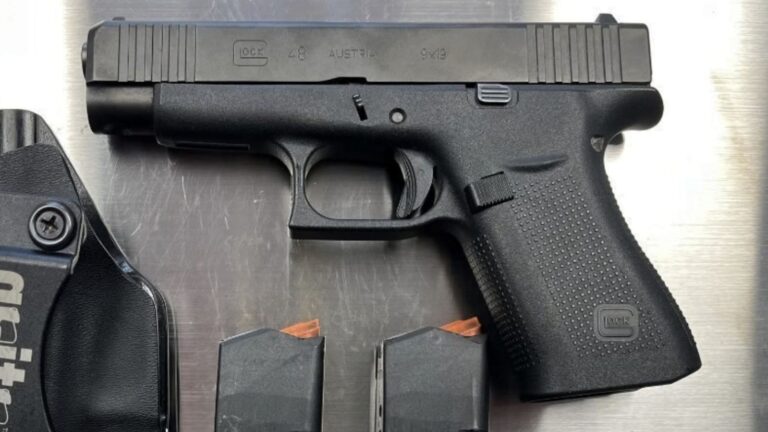
Same deal as the 42, but in 9mm. The Glock 43 looks like the perfect slim carry gun. Then many shooters discover they don’t shoot it as well as a 43X or 48. The shorter grip makes control harder, and the recoil feel pushes some people into sloppy fundamentals.
This is why so many Glock 43 owners eventually swap to a slightly larger platform. They didn’t “hate” the gun—they just realized they weren’t accurate with it when shooting fast, and that matters.
Smith & Wesson M&P Shield (original 1.0)
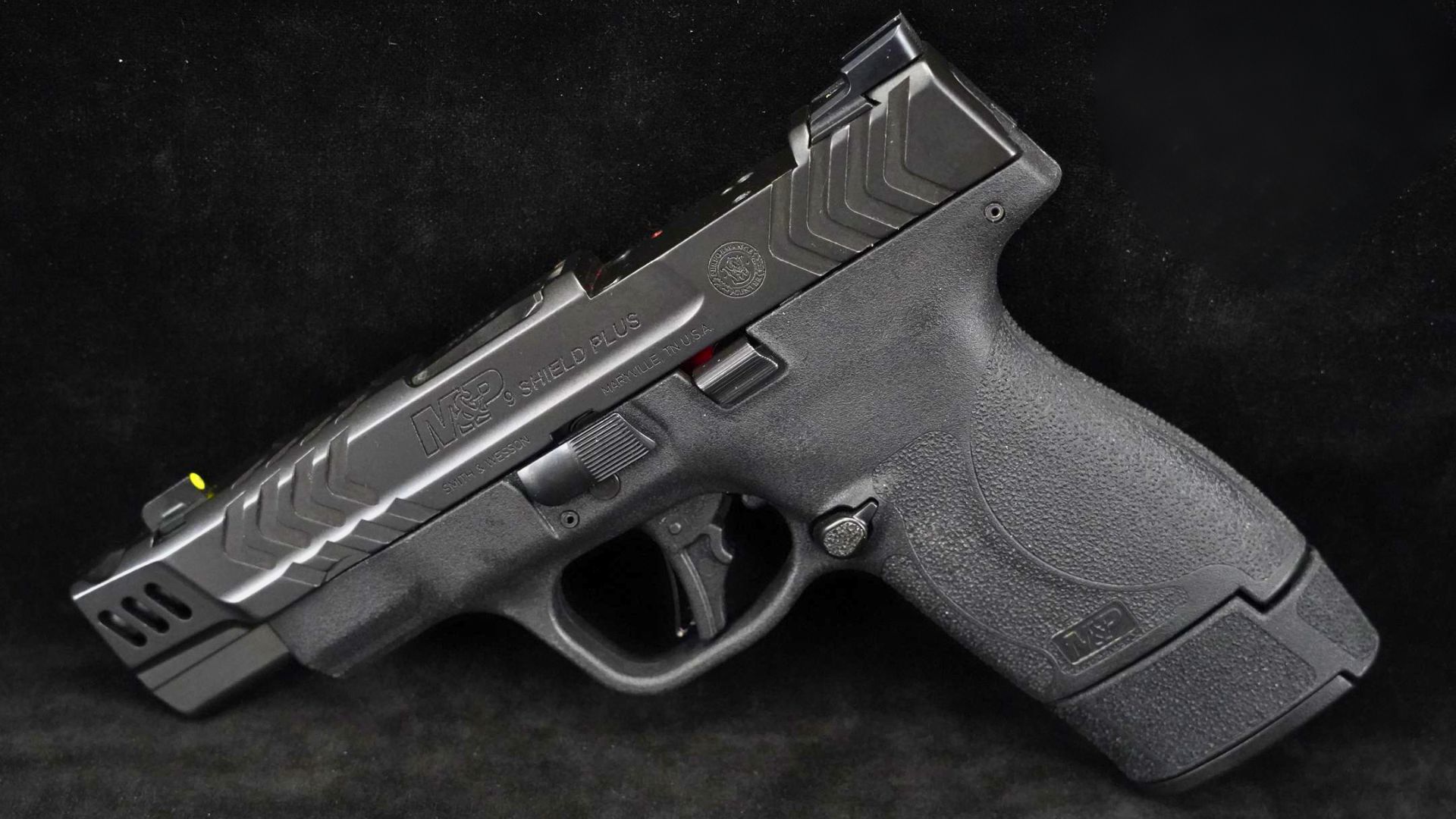
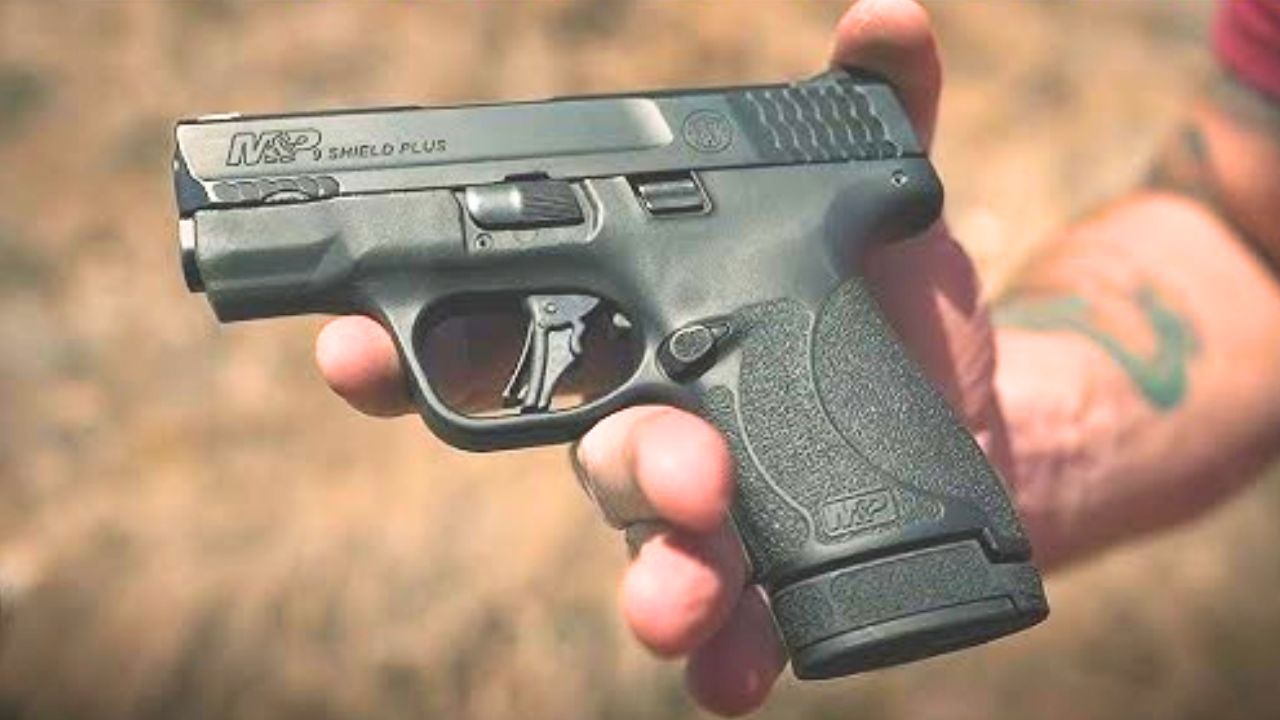
The original Shield is a classic carry gun and many people shoot it well. But enough shooters struggled with the trigger and recoil feel that it earned a reputation for being harder to shoot well than newer versions and some competitors. It looks like the obvious choice until you compare it side by side.
The Shield can still be a great pistol. The point is that many buyers expected it to shoot like a compact duty gun, and it doesn’t. It’s a slim carry gun, and it demands more deliberate fundamentals for tight groups, especially under speed.
Springfield XD-S
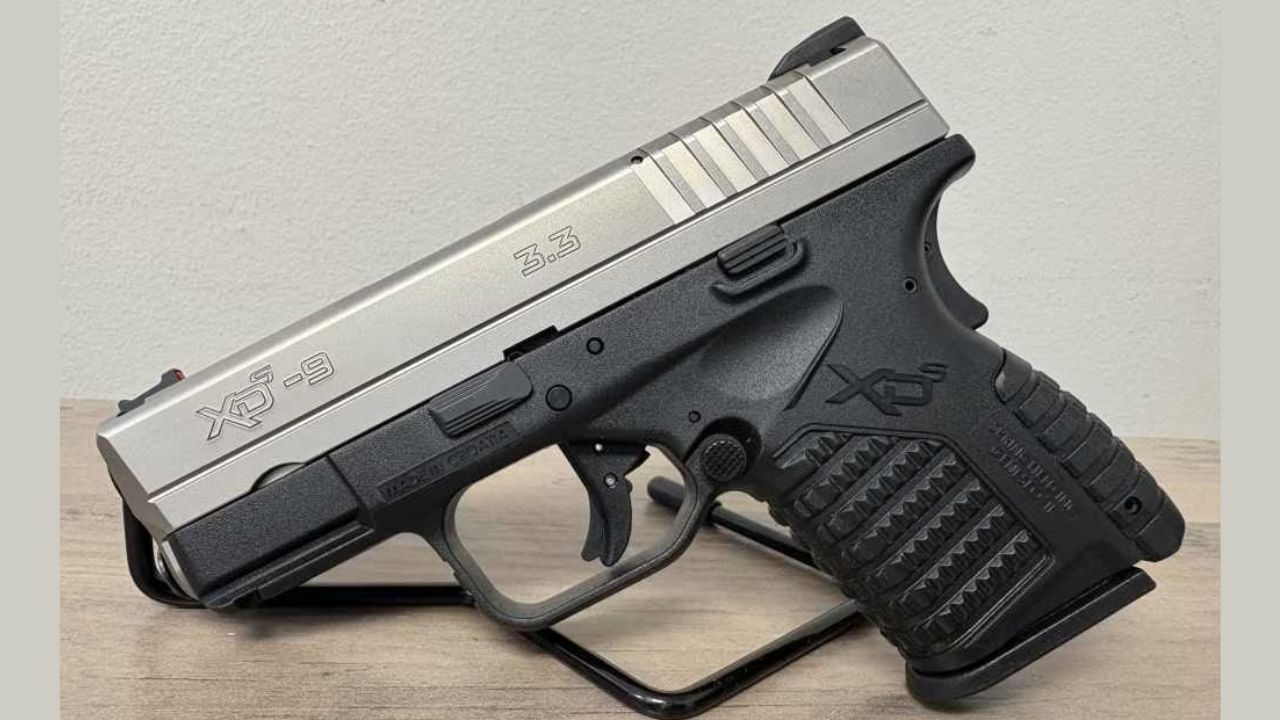
The XD-S gets bought because it’s slim and it feels “serious.” A lot of shooters then find it snappy and less pleasant to practice with, and that leads to worse accuracy in real life. A pistol you don’t enjoy shooting is one you won’t master.
When a gun punishes you during practice, you start cutting sessions short. Then your skill with that pistol stays low. The XD-S can work, but it often looks better on the counter than it performs in the hands of an average carrier.
Kahr CM9

Kahr pistols are loved by some and disliked by others. The CM9’s trigger style and small size can make it harder for some shooters to shoot accurately, especially if they’re used to striker-fired triggers with a shorter reset feel. It can also be less forgiving if grip and cadence aren’t consistent.
A lot of buyers choose it because it’s small and reputable. Then they realize it requires a bit of adaptation and practice to shoot well. If they don’t stick with it, accuracy stays mediocre, and the pistol becomes a “good idea I didn’t bond with” purchase.
Ruger LCP (Gen 1)

The original LCP is a classic deep concealment pistol, but it’s not a good shooter for most people. The sights are minimal, the trigger is long, and the tiny grip makes accuracy difficult beyond close distances. It looks like a smart “always carry” gun, but it shoots like what it is—a tiny pocket tool.
The problem is buyers sometimes expect it to do more than it realistically can. If you treat it like a contact-distance or very short-range gun and you practice accordingly, it makes sense. If you expect confident accuracy at distance, it’ll disappoint you quickly.
Like The Avid Outdoorsman’s content? Subscribe to our newsletter so you never miss an article.
Here’s more from us: