Photo credit: Artem Orlyanskiy/Shutterstock.com
Some pistols run great once they’re loaded, but they make you work way too hard getting fresh mags in and back in the fight. Most of the “reload drama” comes from short grips, tight magwells, stiff magazine springs, picky baseplates, and slide stops that are hard to hit under stress. Add cold hands, gloves, or a timer, and it gets worse.
These aren’t all “bad guns.” They’re just pistols where reloads can feel clumsy unless you build your setup around them and practice the right way.
Glock 26

The Glock 26 is dependable, but reloads can get awkward because the grip is short and the magwell opening is small. If you’re trying to slam in a fresh mag fast, it’s easy to miss the opening or pinch your palm on the baseplate. Seating a full mag on a closed slide can also feel tighter than you expect, especially with brand-new mags.
If you carry a 26, run mags with baseplates you can actually grab and index. Practice hitting the magwell clean without looking, and don’t be surprised if “gentle” reloads turn into partial seats. The fix is simple: firm seating, consistent angle, and reps until it’s automatic.
SIG Sauer P938
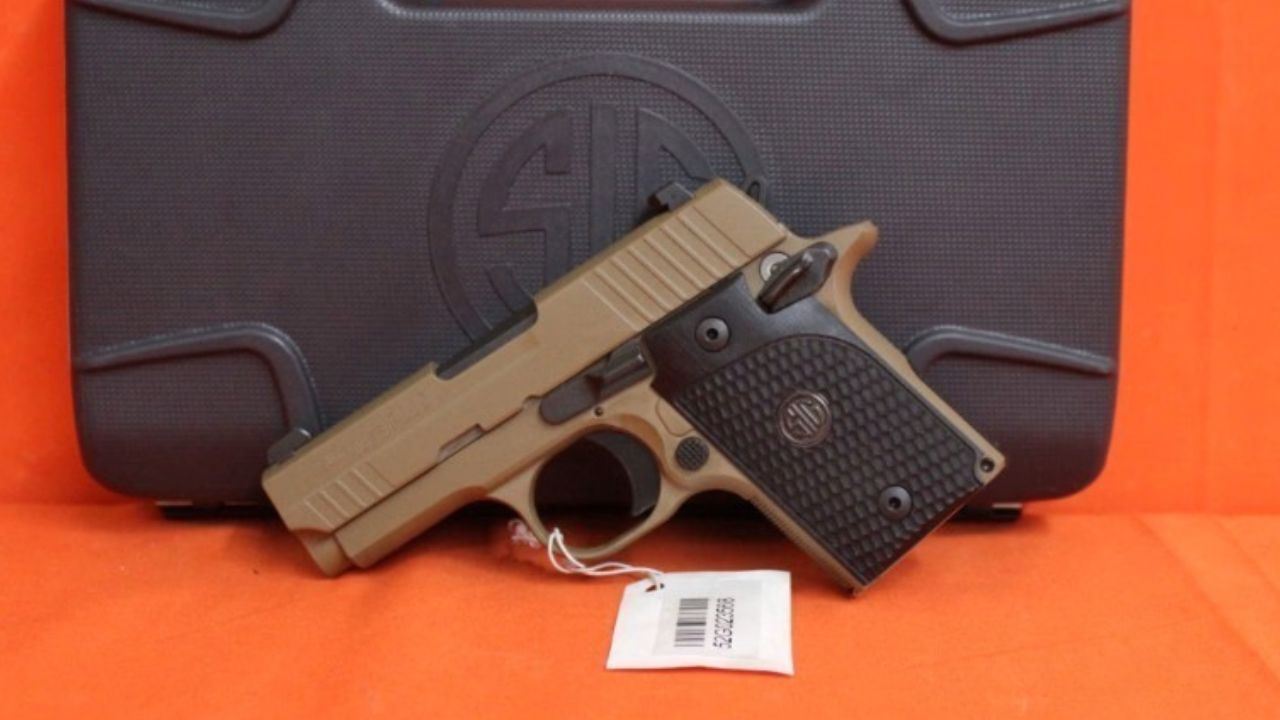
The P938 feels like a little 1911 that should reload clean, but the size works against you. Short grip, short mag body, and not much to guide the mag into place. Under speed, you can end up fighting the angle, or you’ll half-seat a mag and wonder why the gun didn’t come back to life.
If you carry one, treat reloads like a specific skill, not something you’ll “figure out” in the moment. A slightly extended baseplate helps a lot, and so does practicing reloads with the exact mags you carry. These little guns don’t forgive sloppy indexing the way a mid-size pistol will.
SIG Sauer P290RS

The P290RS is one of those small guns that can run, but reloads can feel like you’re trying to stuff a mag into a narrow slot while the gun squirms in your hand. The grip is short and the mag well doesn’t give you much lead-in. That makes it easy to bounce off the frame or catch the magazine lip.
A lot of shooters also find the controls less friendly under stress. If your hands are sweaty or cold, or you’re wearing gloves, you’ll notice it. If you carry this kind of micro pistol, build reload habits that rely on hard seating and clear confirmation—because “I think it went in” is how you lose time.
CZ 2075 RAMI

The RAMI is compact and solid, but reloads can be clunky because the grip and magwell are short and the gun is a little blocky in the hand. If you’re moving fast, it’s easy to miss the magwell or fail to fully seat the magazine—especially if you’re trying to do it gently.
The other issue is leverage. Small guns give you less surface area to control during the reload, so the pistol tends to shift in your firing hand. That’s why RAMI reloads often feel slower than they “should.” A good baseplate and deliberate indexing solve most of it, but it’s not a pistol that makes reloads effortless.
HK P2000SK

The P2000SK is a serious carry gun, but reloads can fight you depending on the mag release setup. Paddle releases are great once you’re trained on them, but they can slow people down if they’re used to button releases—especially under stress or with gloves.
On top of that, the SK grip is short, and shorter grips make magazine insertion less forgiving. You don’t get that big, open “funnel” feel. If you want the P2000SK to reload fast, you’ve got to commit to the paddle technique and practice it until it’s not a thought. If you don’t, it’ll feel like the pistol is fighting you.
Beretta PX4 Storm Subcompact

The PX4 subcompact can run well, but it’s not the cleanest reloading pistol for most hands. The grip is short, the magwell isn’t generous, and the gun’s shape can make it feel like you’re fishing for the opening. If you’re not lined up, the magazine will hit the frame and stall.
Seating a fully loaded magazine can also feel stiff until things wear in. The cure is the same: firm insertion and consistent angle. If you carry this gun, practice reloads from concealment, not just from a bench. Reloads usually feel fine when you’re standing still and staring at the gun—real life is where the “fight” shows up.
Springfield XD-S
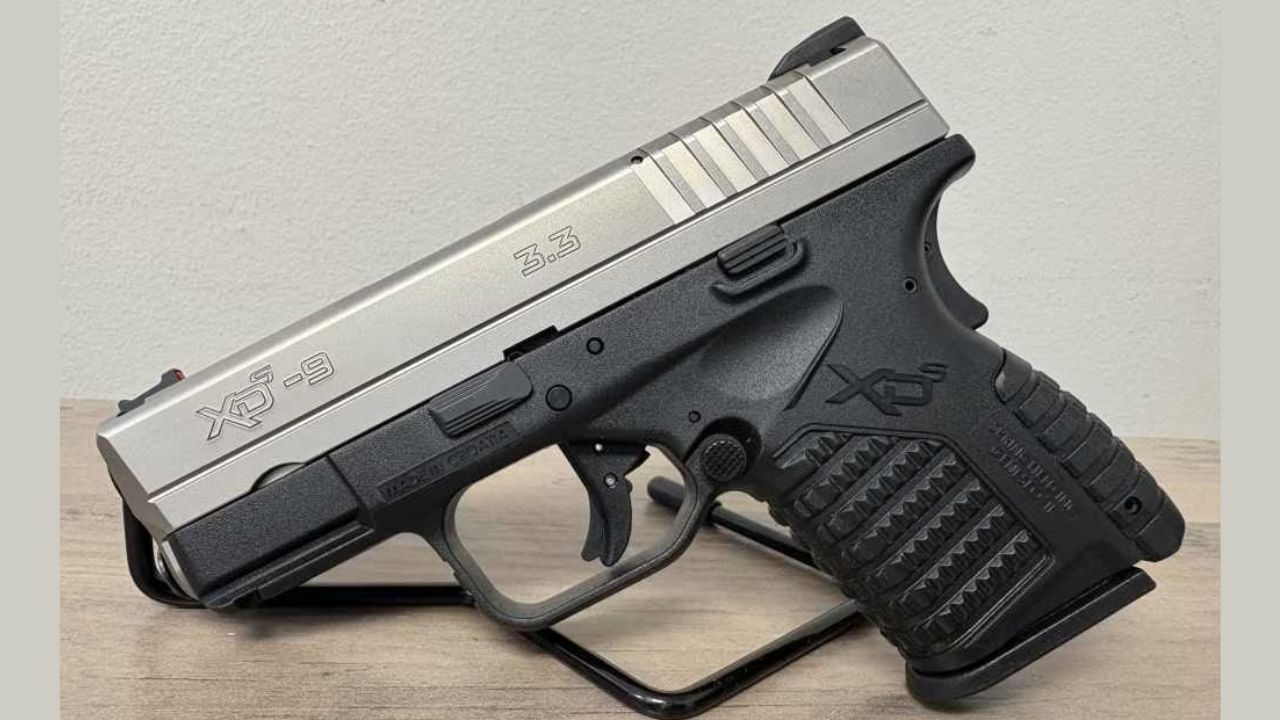
XD-S pistols are slim and easy to carry, but the reload experience can be less friendly than you’d think. Slim frames don’t give you much magwell real estate, and the shorter grip models don’t give your hand much room to stay out of the way. It’s common to pinch the heel of your palm on the baseplate or to miss the magwell under speed.
This is also a pistol where full mags can feel tight on insertion until the springs loosen up. If you carry an XD-S, run drills that force you to reload under time. You’ll learn quickly whether you’re seating the mag hard enough, and whether your grip is crowding the insertion path.
Canik TP9 Elite SC

The Elite SC is a chunky little pistol with great features, but reloads can be awkward because it’s short and thick. The grip doesn’t give you a lot of room to guide the magazine in cleanly, and it’s easy to smack the front of the mag into the frame if your angle is off.
Many people also run it with extended mags, and extended mags can change your reload timing because you’re dealing with more length and a different insertion feel. The gun can be fast, but you need consistent indexing and a decisive seat. If you “soft insert” mags, this one will make you pay.
Ruger Security-9 Compact
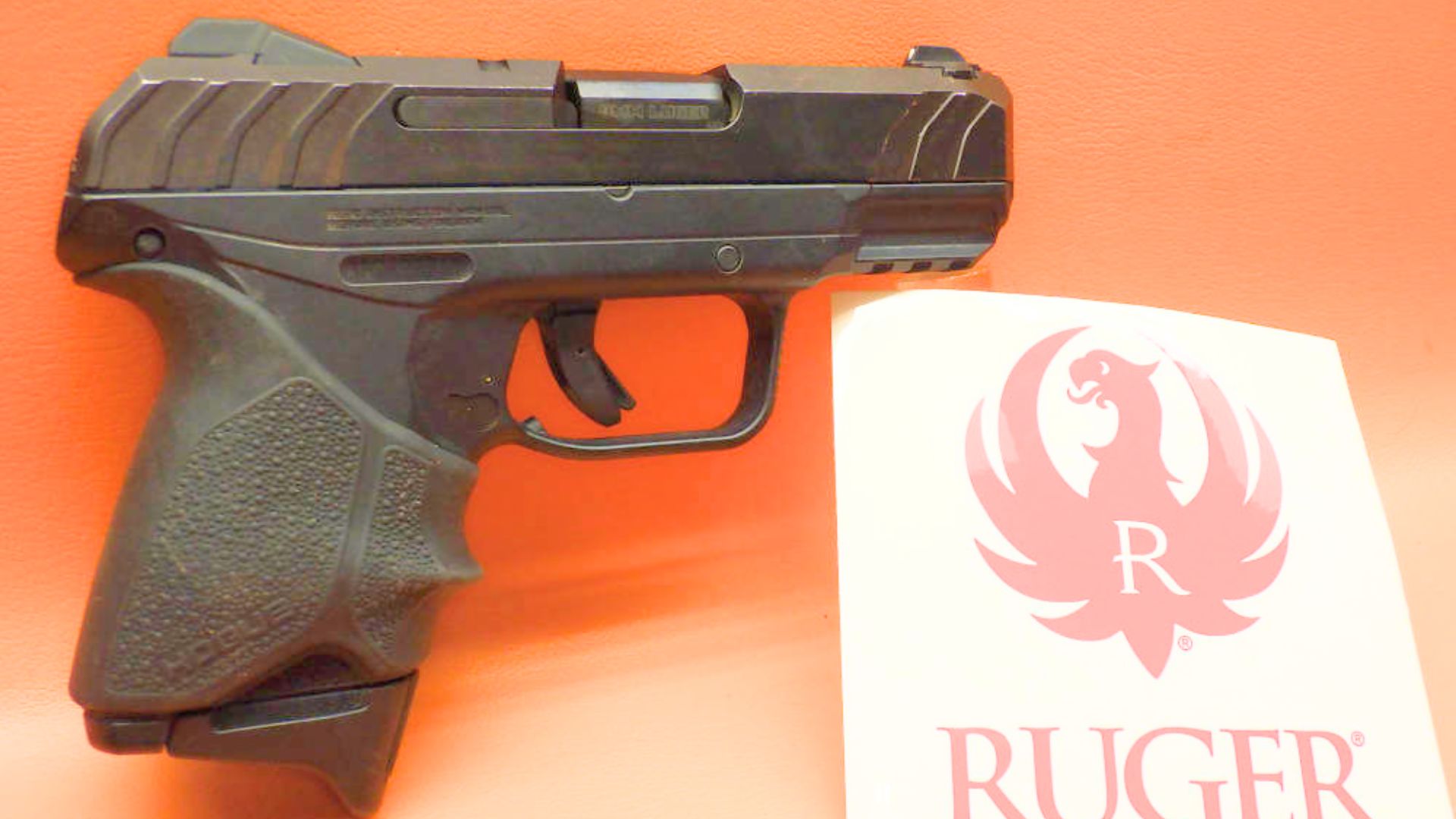
The Security-9 Compact is a practical pistol, but the reload feel can be a little rough. The magwell isn’t huge, and the compact grip makes it easier to crowd the opening. Under speed, you can get magazines hung up or not fully seated—then you’re burning time diagnosing something that should be automatic.
A lot of owners also run these guns on a budget, which often means budget mags or worn mags. Reloads get worse fast when mag springs or feed lips are questionable. If you want the Security-9 to reload clean, stick with good magazines, practice hard seating, and verify your mags drop free consistently.
Bersa Thunder .380 CC
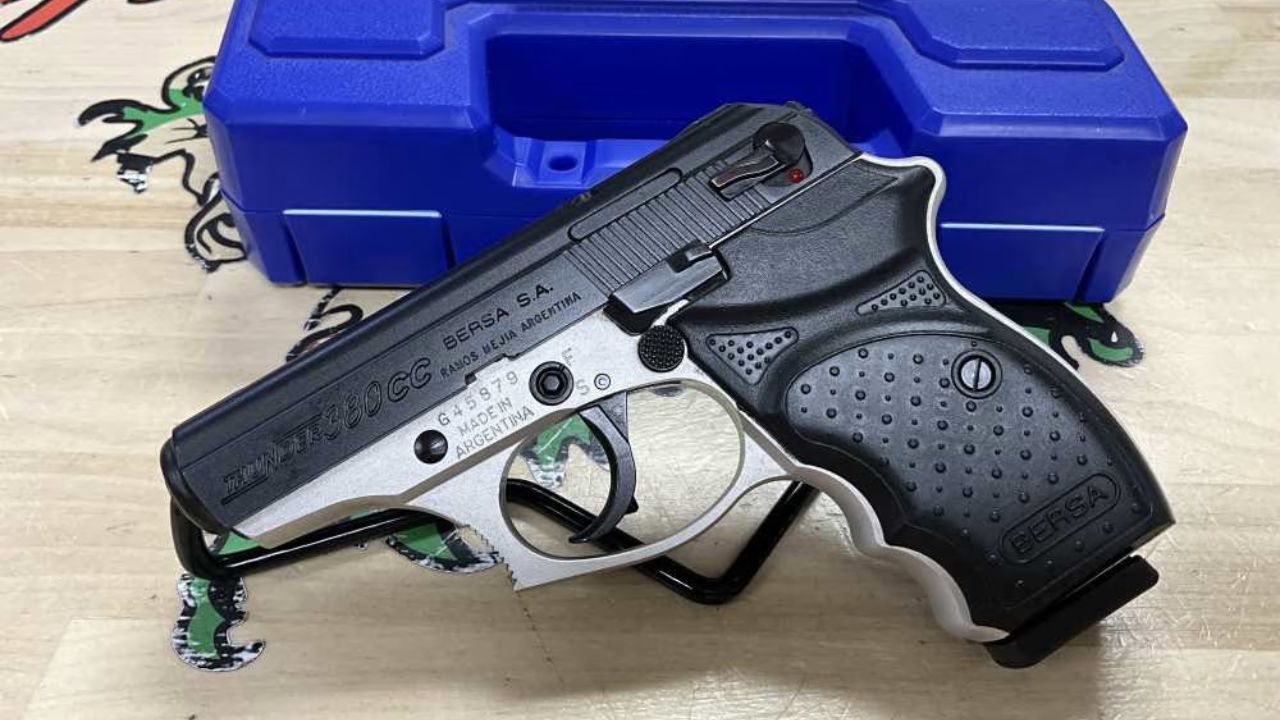
The Thunder CC carries easy, but reloads can feel small and finicky. The grip is compact, the magwell is narrow, and the magazine itself doesn’t give you much to grab. It’s easy to fumble, especially if your hands are cold or you’re trying to move fast.
It’s also common for .380 carry guns to be carried a lot and practiced with less than they should be. That’s a bad combo for reload skill. If you carry one, practice reloads with your carry mags, not just your range mags. Small pistols are where reload technique matters most.
Seecamp LWS 32

Seecamps are deep-concealment tools, not reload-friendly pistols. They’re tiny, and everything about them works against fast, clean reloads: tiny grip, tiny controls, tiny magazine, and no “big gun” forgiveness. Even just manipulating the gun to get the mag out and a new one in can feel like a job.
If you carry a Seecamp, it’s usually because you want something you can always have, not because you plan to do speed reloads. That’s fine—just be honest about it. It’s a great example of a pistol that carries like a dream and reloads like a punishment.
NAA Guardian .380

The Guardian is another “carry first” pistol that doesn’t make reloads easy. It’s heavy for its size, the grip is short, and the magazine is small and stiff. Getting the mag seated firmly—especially on a closed slide—can take more effort than people expect.
The other issue is hand placement. With tiny pistols, your hand often crowds the magazine path. That turns a simple reload into a clumsy one. If you carry a Guardian, don’t assume reloads will feel natural. Practice them deliberately and build a consistent “reload grip” that clears the magwell.
Walther PPS Classic

The PPS Classic is a slim carry gun that can shoot well, but reloads can feel less friendly than a modern compact. The frame is thin, the magwell isn’t generous, and the magazines—especially in certain conditions—can feel tight going in. Under speed, it’s easy to hit the frame instead of the magwell opening.
Also, slim pistols don’t give you as much surface area to control during the reload. If your hand shifts, your alignment shifts. The PPS isn’t impossible to reload quickly, but it takes more clean technique than a thicker, larger pistol. When you’re sloppy, the PPS makes it obvious.
Walther PPK/S

The PPK/S is iconic, but it’s not built for modern reload speed. Short grip, small mag, and a design that doesn’t give you a lot of forgiveness. Under stress, it’s easy to bobble the mag or fail to seat it cleanly. The gun can also be less intuitive if you’re used to modern striker controls.
If you carry a PPK/S, you’re likely doing it for the size and style, not because you want competition reloads. That’s fine. Just understand the tradeoff: reloads won’t feel slick unless you put real practice in, and even then the platform isn’t designed to be fast.
Remington R51

The R51 had a lot of “cool concept” energy, but reloads and general handling can feel weird compared to more mainstream pistols. Magazine insertion and seating can be inconsistent depending on the exact gun and mags, and the whole experience can feel less predictable than you want in a carry pistol.
This is the kind of gun that looks like a winner and then makes you work harder than you should for basic tasks. If you’re already invested in an R51, the only real answer is function testing with your exact mags and ammo, plus lots of reps. If you’re not invested yet, there are easier pistols to live with.
Like The Avid Outdoorsman’s content? Be sure to follow us.
Here’s more from us: