Photo credit: DumDum/YouTube
A lot of guns get labeled “outdated” because they don’t match whatever the market is shouting about right now. They’re heavier. They’re blued steel and walnut instead of polymer and rails. They don’t take optics the “easy” way, or they don’t have a spec sheet that reads like a new truck brochure. But once you stop comparing features and start comparing outcomes—reliability, handling, accuracy where it counts, durability, and how easy the gun is to keep running—the old stuff starts looking a lot less old.
Most shooters don’t actually need the newest format to solve the problems they face in the field or at the range. You need a gun that fits the job, fits you, and keeps doing that job without turning ownership into a project. These are the firearms that seem outdated until you compare what actually matters.
Winchester Model 94

The Winchester Model 94 can look like a relic until you handle it the way it was meant to be handled. It carries close, it shoulders fast, and it points like it’s reading your mind. If you hunt in timber, along creek bottoms, or in thick cover where shots show up quick and close, the Model 94 is still a practical tool, not a museum piece.
Modern rifles may offer more reach, but reach isn’t always the real problem. The real problem is getting a clean shot when the window is small and the terrain is tight. A Model 94 solves that with speed and simplicity. When you compare “how easy is this to carry and shoot well in the woods” instead of “how modern does it look,” the old lever gun stops feeling outdated fast.
Marlin 336
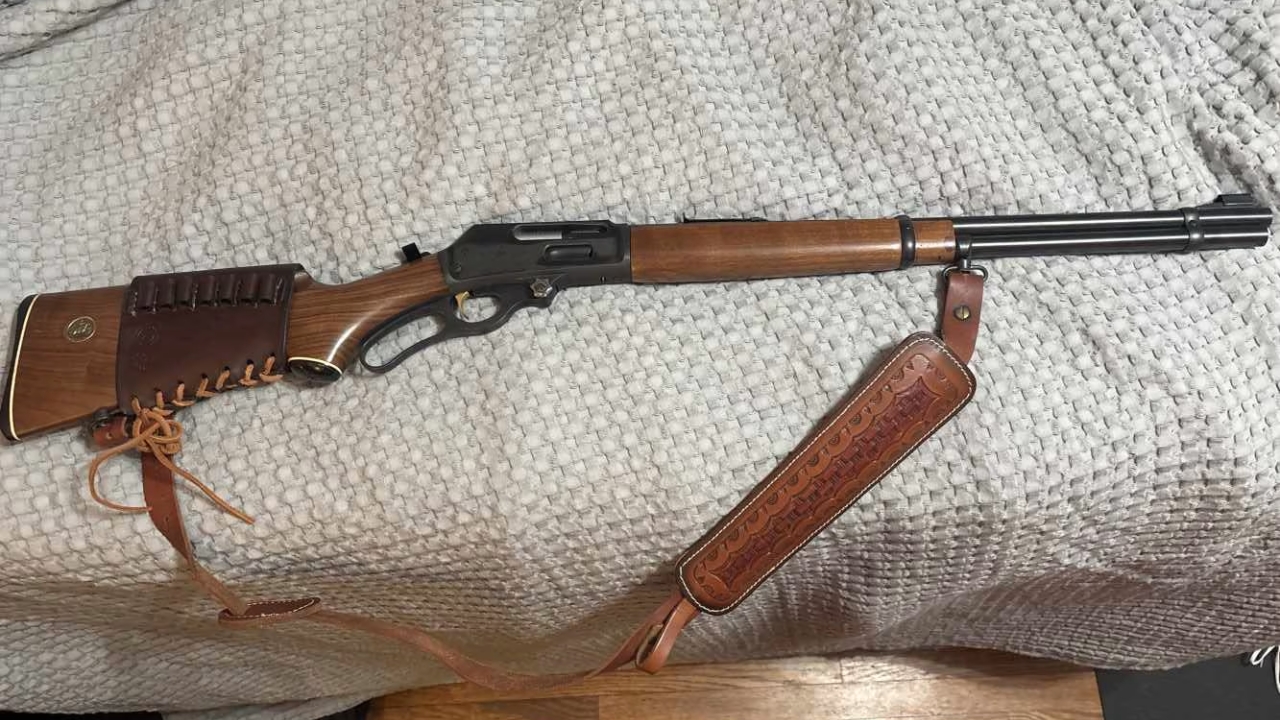
The Marlin 336 gets dismissed by people who only think in terms of long-range optics and dialed turrets. Then you actually carry one through real deer country and you remember why so many hunters never let theirs go. It balances well, it cycles smoothly, and it gives you a practical hunting rifle that doesn’t feel awkward when the brush gets thick and the shot happens quick.
What actually matters is how the rifle behaves in your hands when you’re cold, layered up, and moving through cover. The 336 is easy to keep close, easy to bring up, and easy to shoot from the kinds of positions hunters actually end up using. It may not impress the guy staring at ballistic charts, but it keeps solving the same real-world problem it always has: putting venison down cleanly at normal woods distances.
Remington 870 Wingmaster

A pump shotgun can look dated until you compare how many things it still does well. The 870 Wingmaster isn’t a trendy shotgun, but it’s one of the slickest, most practical pumps ever built. The action can be glassy, the balance is honest, and you can set it up for birds, deer, or general field use without turning it into a complicated system.
What matters is reliability, handling, and long-term durability. A good Wingmaster keeps running, keeps shooting where you point it, and doesn’t care if it sits for a season and then gets hauled out again. When you compare that to some modern options that feel disposable or overly specialized, the older pump starts looking smarter. If a shotgun needs to work every time and not demand constant attention, the Wingmaster still checks boxes that don’t go out of style.
Winchester Model 12

The Winchester Model 12 can feel like an old-timer’s gun until you work the action and realize what “smooth” really means. It’s a pump shotgun that was built in an era when fit and finish mattered, and you can feel that in the way the gun cycles and carries. The Model 12 doesn’t need to look modern to be effective. It just needs to keep doing shotgun things well.
What matters is how a shotgun mounts, swings, and feeds under real use. The Model 12 tends to mount naturally and handle like a serious field gun, not a cheap tool. If you compare it to a lot of modern pumps that feel rough or hollow, the Model 12 starts making more sense. You may not want it as a hard-use beater today, but in terms of handling quality and shootability, it’s a reminder that “old” sometimes meant “built right.”
Ruger GP100

A big double-action revolver can look outdated in a world obsessed with micro pistols and optics cuts. Then you shoot a GP100 and remember why serious revolvers never really went away. It’s strong, steady, and predictable. The weight helps, the grip gives you control, and the gun tends to behave the same way every time you pick it up.
What actually matters is consistency and durability. The GP100 isn’t fragile, it isn’t finicky, and it doesn’t rely on a delicate balance of tiny parts to keep running. For range work, field carry, and general use where you want a handgun that feels solid and controllable, it still holds up. When you stop comparing it to the newest thing and start comparing how it shoots and how long it lasts, the GP100 looks less like a throwback and more like a smart, practical handgun.
Smith & Wesson Model 10

The Smith & Wesson Model 10 can seem plain until you spend time shooting it. It points naturally, the balance is right, and the gun has the kind of straightforward feel that makes you shoot better than you expected. There’s no drama to it. It’s a service revolver that earned its reputation by doing real work, not by looking impressive in a catalog.
What matters is how a gun handles under repetition. The Model 10 has a smoothness and predictability that makes it easy to run well, especially for people who like deliberate, consistent trigger work. It also tends to last, and it lasts without needing much fuss. When you compare it to handguns that chase novelty and end up feeling complicated or fragile, the old Model 10 starts looking like what it is: a practical handgun design that never stopped making sense.
Colt Detective Special

A classic snub can look outdated until you compare the reality of carry and use. The Detective Special was designed around concealment and practical handling long before “everyday carry” became a marketing category. It has proportions that make sense, a shape that carries cleanly, and a feel in the hand that doesn’t require you to fight the gun to keep it aligned.
What matters is whether the gun works with your hands, not whether it matches the latest trend. The Detective Special has long been respected because it’s a compact revolver that still feels like a real revolver, not a tiny compromise piece. When you compare it to some modern ultra-small options that are miserable to practice with, the older Colt starts looking smarter. It may be an older design, but the reasons it was built the way it was are still the reasons people carry small guns now.
Colt Government Model 1911
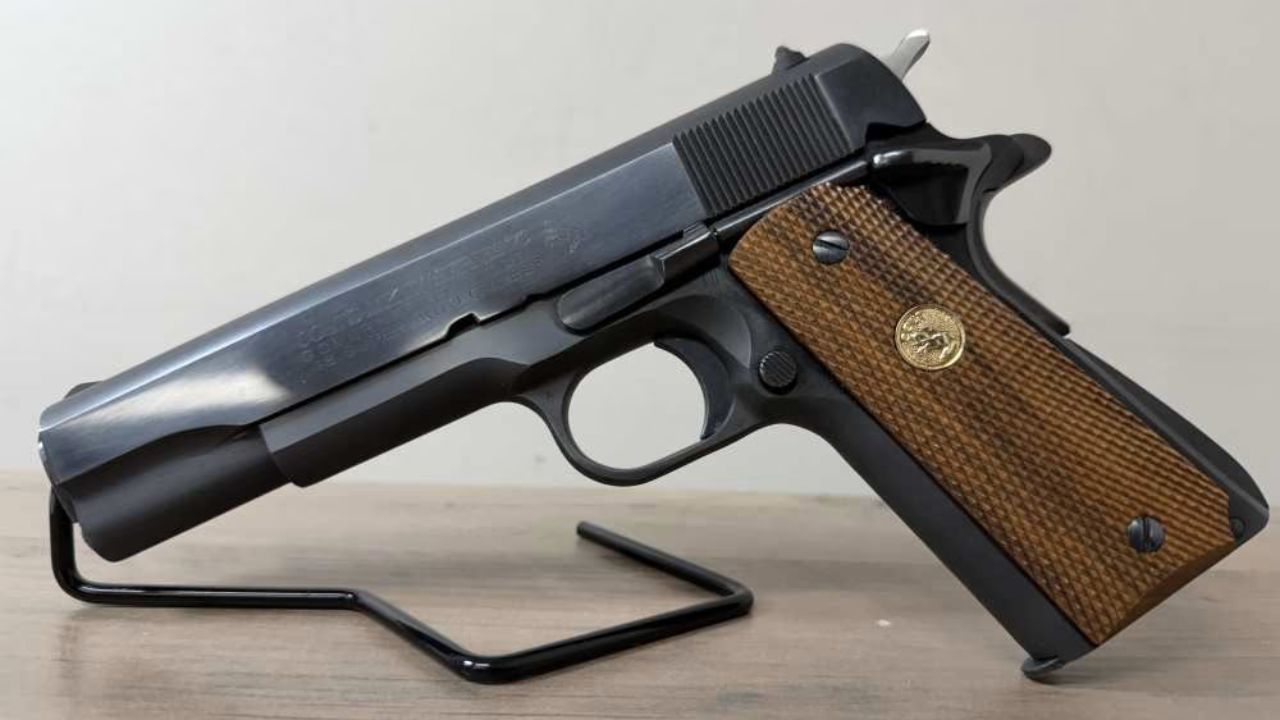
The 1911 gets called outdated constantly, usually by people who only compare capacity and weight. Then you shoot a good Government Model and remember what still matters: a clean trigger, a slim profile for its size, and a pistol that points naturally for many shooters. It’s not the easiest platform, and it’s not the cheapest to run well, but “outdated” is a lazy label for something that still performs.
What matters is how well you can shoot the gun and how well you can maintain it. The 1911 rewards good fundamentals and gives you feedback that helps you improve. When you compare actual shootability—not just feature lists—the platform still has a place. It’s not a magic wand, and it’s not for everyone, but the design continues to prove that some “old” ideas were built around performance, not fashion.
Browning Hi-Power

The Hi-Power can look like yesterday’s service pistol until you hold one and feel how naturally it fits many hands. It has a balance that still impresses, and the overall feel is less clunky than a lot of modern pistols with thicker slides and blockier frames. Even people who don’t chase classics often understand the appeal after a few magazines.
What matters is handling and practical shootability. The Hi-Power isn’t perfect, and it reflects its era in a few ways, but it still runs like a serious pistol when it’s in good condition. When you compare it to “flashier” guns that look better in photos than they feel in your hand, the Hi-Power ages very well. It reminds you that good ergonomics and balance don’t become obsolete just because marketing moved on.
Ruger Mini-14

The Mini-14 has been called outdated for years because it lives in a world dominated by one dominant rifle format. But once you compare what actually matters—reliability, handling, and practical field use—the Mini makes more sense than critics admit. It’s light, handy, and quick to shoulder. For ranch use, general outdoors carry, and a simple rifle you can live with, it has always had a real lane.
What matters is whether the rifle fits your needs, not whether it wins internet arguments. The Mini-14 can be easier to carry in real terrain than heavier setups, and it’s familiar in a way that encourages use instead of tinkering. When you compare it to rifles that become projects the moment you buy them, the Mini’s steady practicality stands out. It may not be the trend, but it keeps solving basic rifle problems without demanding constant attention.
SKS

The SKS looks outdated to people who only see it as a stepping stone to something newer. Then you compare what it does well: it’s rugged, simple, and built to keep running under rough use. It’s also a practical rifle for general shooting, especially if you value straightforward function over endless customization. The design may be older, but the purpose is still clear.
What matters is reliability and usability, not how modern the controls feel. The SKS gives you a durable, approachable rifle that can still be accurate enough for practical work and enjoyable range time. When you compare it to rifles that require constant tuning, sensitive magazines, or picky parts choices, the SKS can feel refreshingly honest. It’s not a precision instrument, but “outdated” misses what it actually is: a rifle that keeps doing what it was designed to do.
Remington 700
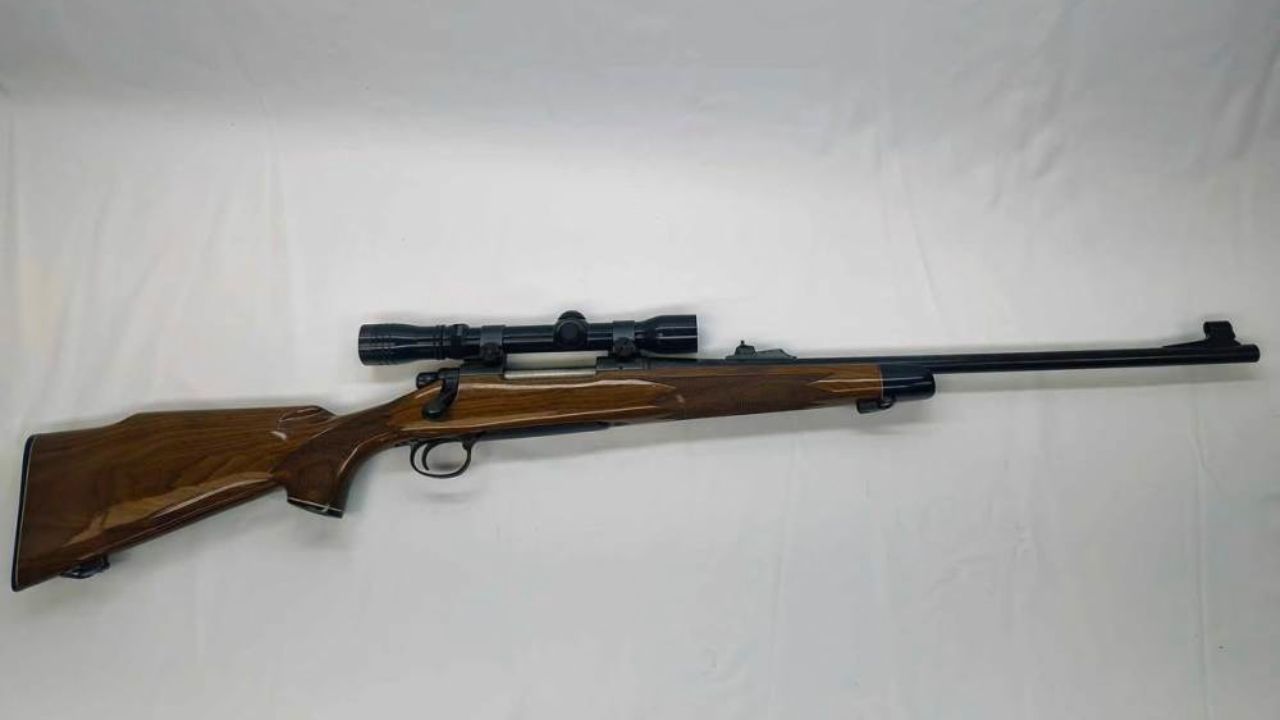
The Remington 700 gets called outdated because it’s been around forever and the action design isn’t new. Then you compare what actually matters in a hunting bolt gun: consistency, accuracy potential, and a platform you can support with parts, triggers, and stock options if you choose to. The 700 became a standard for a reason, and that reason didn’t vanish when newer rifles showed up.
What matters is whether the rifle can be made to fit you and shoot the way you need it to. A good 700 will still stack bullets when you do your part, and it will still handle real hunting and range use without needing a full rebuild. Some modern rifles offer better out-of-box features, sure, but features aren’t the whole story. When you compare long-term support and proven performance, the 700 still holds ground.
Ruger 10/22

The 10/22 can look outdated until you compare what you actually want from a .22 rifle: reliability, a huge ecosystem of magazines and parts, and a platform that stays fun and useful for decades. It’s not fancy. It doesn’t need to be. It is one of the most practical rimfires ever made, which is why it keeps showing up in camps, trucks, and gun safes year after year.
What matters is whether the rifle encourages practice. A 10/22 gets shot. It gets carried. It gets used. That alone is a kind of value many “modern” rimfires don’t always deliver. You can keep it stock and it will still do the job, or you can build it into something more specialized if you want. Either way, it solves a real problem: giving you an easy, reliable training rifle that you’ll actually spend time with.
Savage 99

The Savage 99 looks outdated until you remember what it offered: a lever-action rifle that behaved in ways many lever guns didn’t. It carried well like a lever gun should, but it also gave hunters a more modern feel in terms of capability and practicality for its time. The design has real history, but it also has real field sense baked into it.
What matters is how the rifle carries, points, and serves a hunter in the real world. The 99 is one of those rifles that makes more sense the longer you hold it and the more you understand what it was built to do. It’s not trying to be a modern tactical rifle. It’s trying to be a practical hunting rifle with quick handling and dependable function. When you compare it to rifles that look modern but don’t carry well, the Savage 99 stops looking old and starts looking smart.
Mossberg 500

The Mossberg 500 gets treated like a basic pump until you compare what matters in a working shotgun: durability, adaptability, and the ability to keep running without drama. It’s a tool that lives in a lot of places because it does real work. People dismiss it as ordinary, but ordinary is often what lasts when the goal is function, not fashion.
What matters is whether the shotgun handles real use across seasons. The 500 can be configured for different roles, it holds up well, and it’s supported with parts and accessories without being delicate. When you compare it to shotguns that look more modern but feel more fragile, the Mossberg starts looking like a smart old truck that never quits. It isn’t glamorous, but it stays useful, and usefulness is what makes a firearm age well.
Smith & Wesson 5906
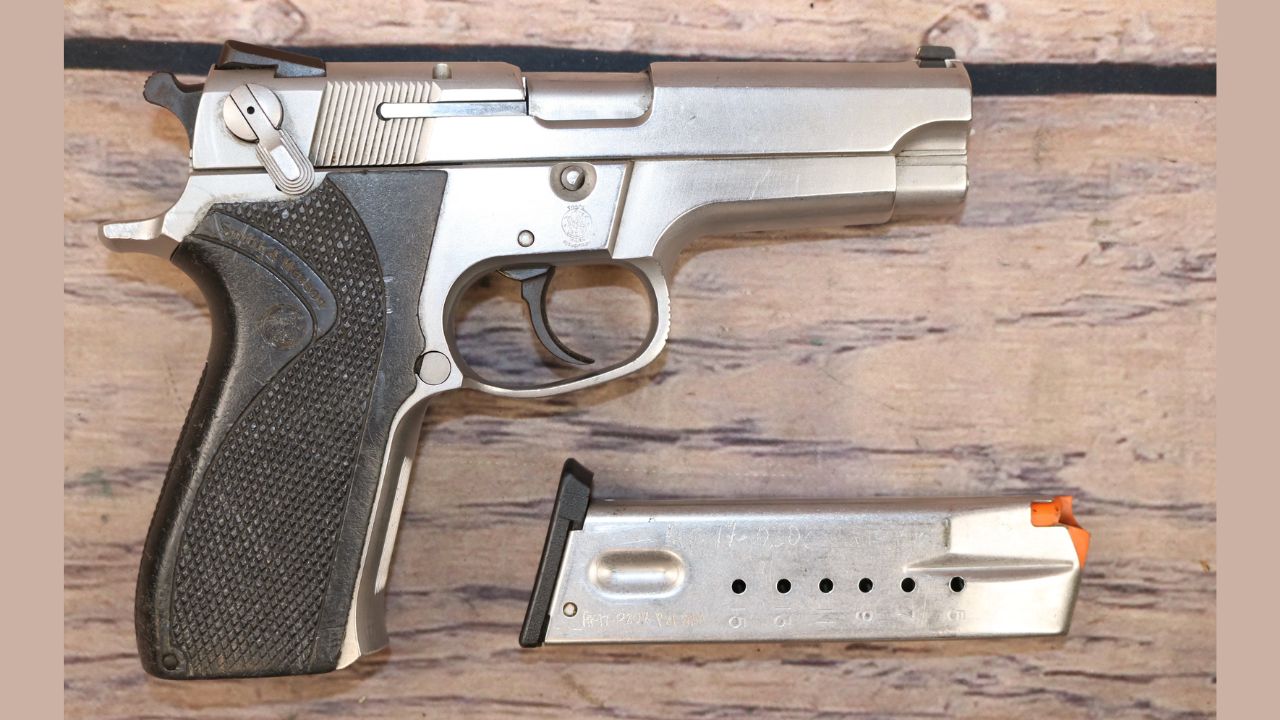
The 5906 looks outdated to people who only see “heavy metal duty gun.” Then you compare it on the points that matter: durability, steady recoil characteristics, and a build quality that reflects a service era where pistols were expected to last. It’s not a carry-friendly lightweight, but it wasn’t built to be. It was built to run and to keep running.
What matters is how a pistol holds up over time and how it behaves under real range use. A solid metal-frame gun can be easier to shoot well for many people because it stays planted. The 5906 also tends to reward owners who like straightforward reliability instead of trend-driven features. When you compare it to flashier pistols that feel impressive until small parts and finish details start wearing out, the 5906 often looks better in hindsight. It’s a serious tool that aged into respect.
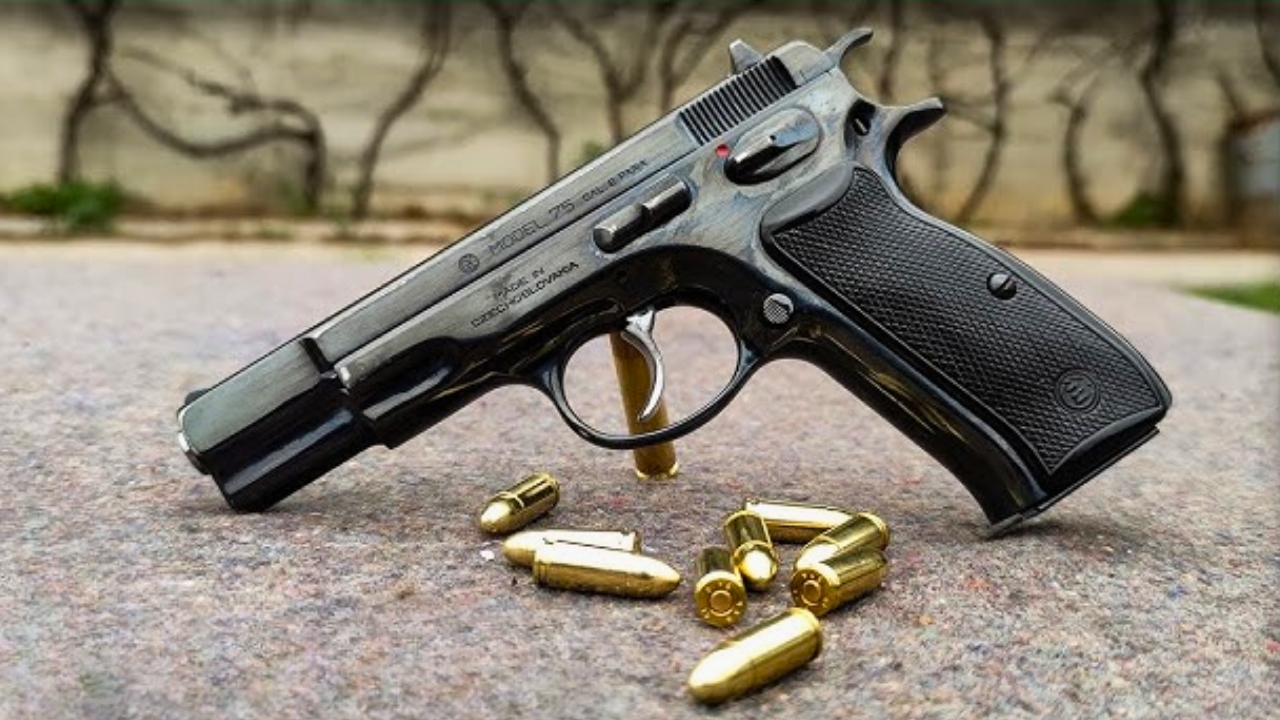
CZ 75
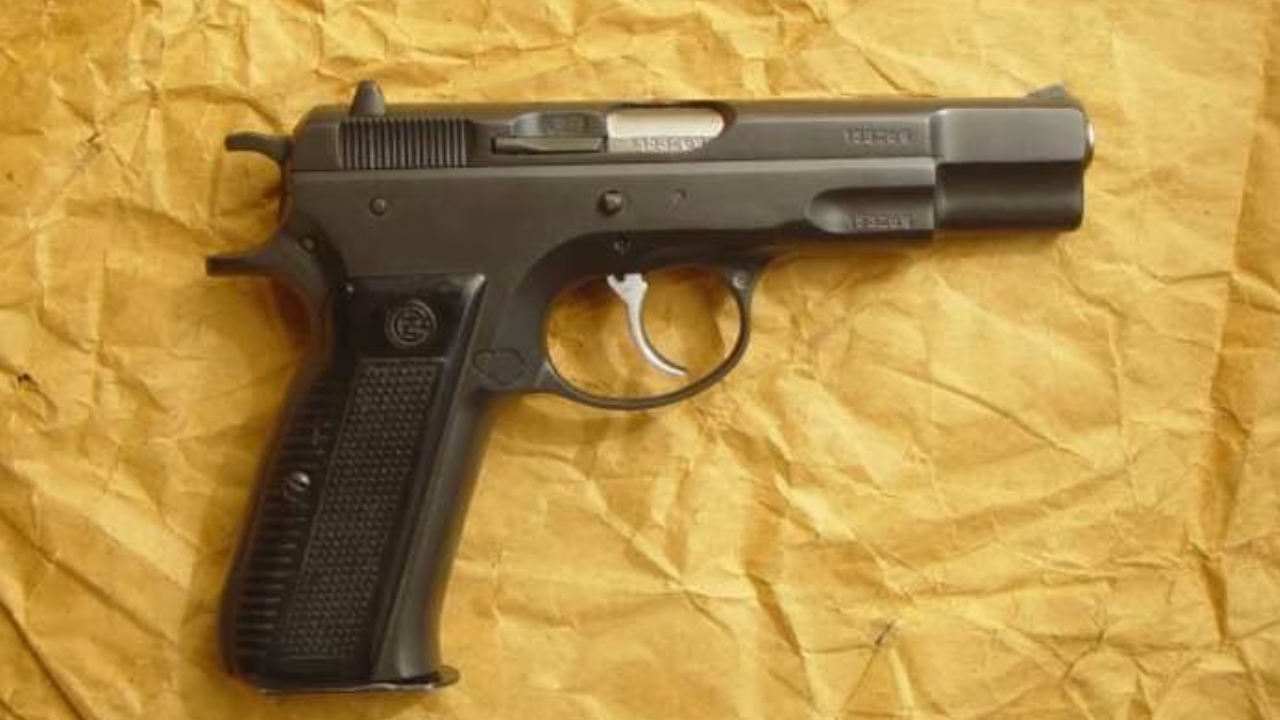
The CZ 75 can look outdated because it’s steel and traditional in a market that loves lightweight and modular. Then you compare what matters: ergonomics, balance, and a shootability that feels natural for a lot of hands. The design has been around long enough to prove it wasn’t a passing idea. It was a platform with strong fundamentals that stayed relevant because those fundamentals stayed true.
What matters is how the gun feels when you actually shoot it. The CZ 75 tends to settle into your grip, track smoothly, and reward consistent technique. It also carries a certain mechanical honesty that holds up over years. When you compare it to pistols that look more modern but feel more awkward or top-heavy, the CZ starts looking less like an old design and more like a mature one. A mature design often outlasts a flashy one.
Like The Avid Outdoorsman’s content? Be sure to follow us.
Here’s more from us: