Photo credit: SPRINGFIELD ARMORY/YouTube
“Snappy” isn’t always about caliber. It’s usually about weight, grip length, slide speed, and how the gun returns to target. A pistol can be shooting standard-pressure ammo and still feel like it’s trying to jump out of your hands. That matters because “snappy” often turns into rushed follow-up shots, inconsistent grip, and fatigue during longer practice sessions.
Glock 27

A compact .40 is the classic snap machine. Even with softer .40 loads, the Glock 27 can feel abrupt because it’s a short, light pistol with a high-energy impulse. A lot of shooters can manage it for a mag or two and then start losing speed and consistency as their hands get tired.
It’s not that the gun is unshootable. It’s that the platform asks more of you than people expect for a “small carry gun.” If you run a G27, the best improvement usually comes from grip work, not gear. But if you want “soft,” a smaller gun in .40 is not the path.
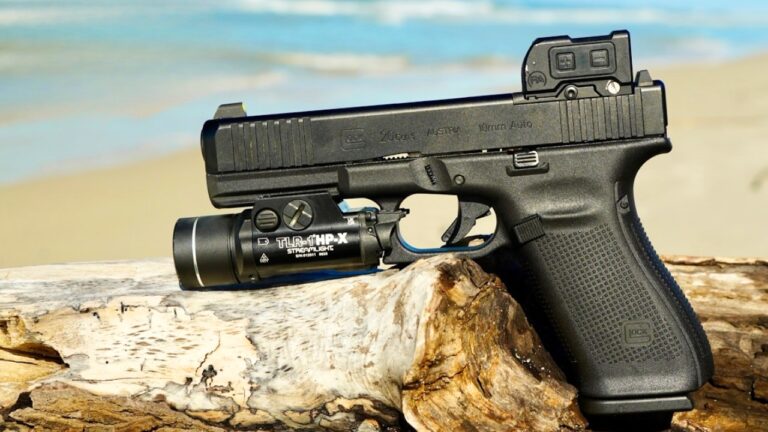
Glock 29

Even with milder 10mm loads, the Glock 29 has a quick, chunky recoil feel. The grip is short, the gun is compact, and the slide impulse is still more energetic than most people want in a daily practice pistol. It’s controllable, but it’s not relaxed.
What tricks people is that a big bore in a small gun feels different than they imagine. They expect a shove, but they get a quick snap and a lot of muzzle movement. If you carry a G29, you can absolutely make it work—but it’s a pistol that rewards strong fundamentals and punishes lazy reps.
Glock 36

The Glock 36 is a slim .45, and that slim/light combo often feels sharper than people expect. Even with mild .45 loads, the gun can feel like it’s slapping your hand more than a thicker, heavier .45. It’s not just recoil energy—it’s how that energy is delivered in a smaller package.
A lot of folks buy the G36 expecting “easy .45 carry.” Then they shoot it and realize it’s not as pleasant as a heavier .45 or even some 9mm compacts. If you like the platform, great—just don’t pretend it’s a soft shooter. It’s a carry tool with a noticeable impulse.
Ruger EC9s

The EC9s is light and slim, which is great for carry and not always great for comfort. Even mild 9mm loads can feel snappy because there isn’t much mass to soak up the slide movement. The gun tends to move in the hand unless your grip is locked in.
This is where people get frustrated: “It’s just 9mm, why does it feel like this?” Because the platform is small and light. If you’re going to practice a lot with one, consider grip texture upgrades and make sure your support-hand clamp is doing real work. Otherwise the gun will feel lively all day.
Taurus G3c
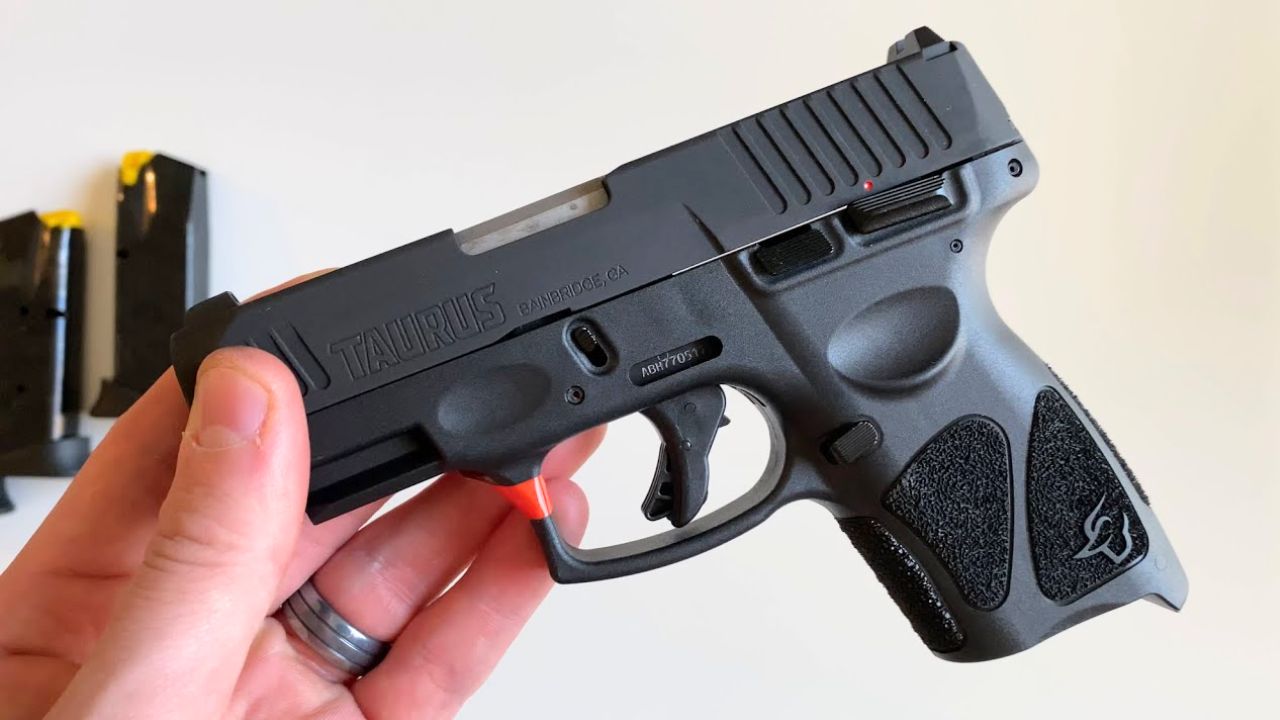
The G3c is popular because it’s affordable and carries well. It can still feel snappy with mild loads because it’s compact and light, and the grip doesn’t fit every hand perfectly. When the grip doesn’t lock in, recoil turns into muzzle flip. That makes follow-ups feel slower than they should.
Plenty of guys shoot them fine. Plenty also find they get more fatigue with this gun than with a slightly larger compact. If you carry a G3c, spend time learning the grip pressure that keeps it flat. The gun can run, but it won’t automatically feel soft just because you’re using standard ammo.
SIG Sauer P239 (.40 S&W)

The P239 is a solid pistol, but in .40 it can feel snappier than people expect because it’s a single-stack style gun with a narrower grip and less mass than bigger .40 pistols. Even mild .40 loads can feel sharp because the recoil impulse is quick and the grip geometry doesn’t spread it out.
A lot of shooters love the P239’s feel and still notice it’s not a “soft shooter” in .40. If you want the platform to feel calmer, many end up favoring the 9mm versions. If you’re sticking with .40, just know the snappy feel is normal for that size and configuration.
SIG Sauer P250 Subcompact
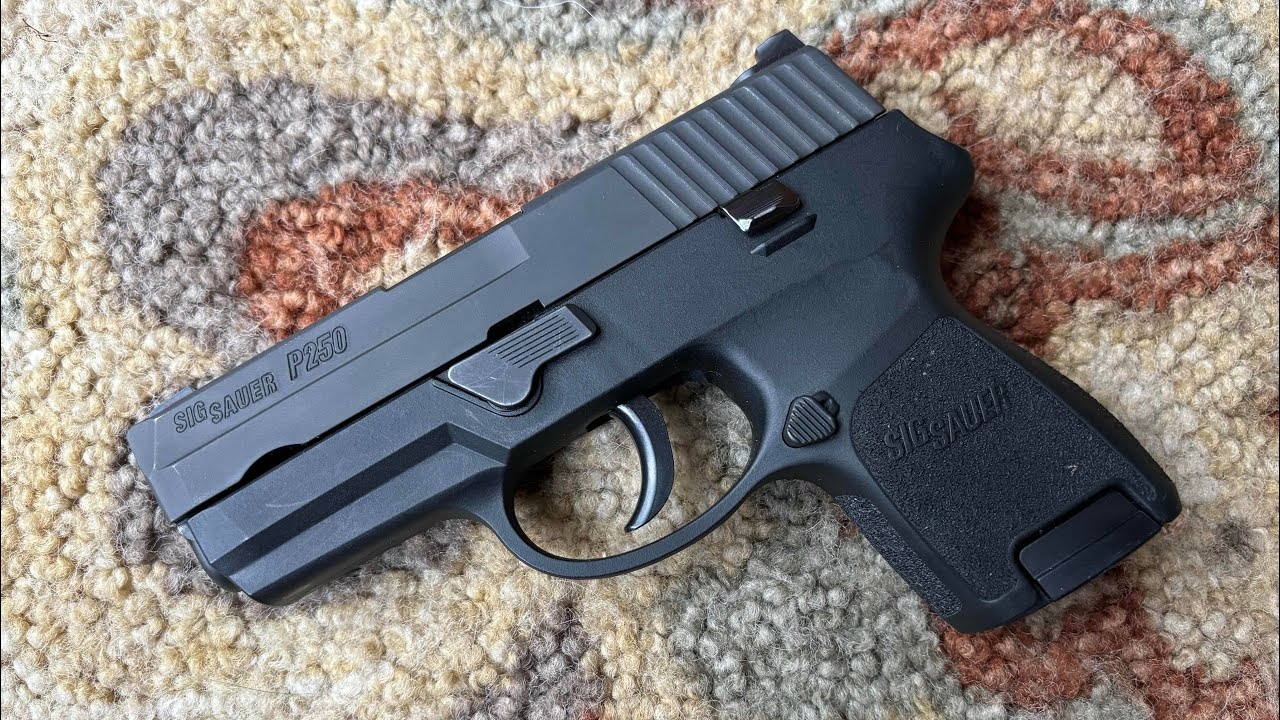
The P250 subcompact can be a bit of a surprise because it’s not a “tiny micro,” but it can still feel snappy with mild loads due to its size and the way the gun cycles. Some shooters also find the trigger rhythm influences how they manage recoil—when your trigger press gets inconsistent, recoil feels worse.
This is one of those pistols where technique matters a lot. If you grip it like a full-size and get lazy, it’ll flip more than you want. If you lock it in, it can be controllable. But it’s not the kind of gun that magically feels soft just because it’s “not that small.”
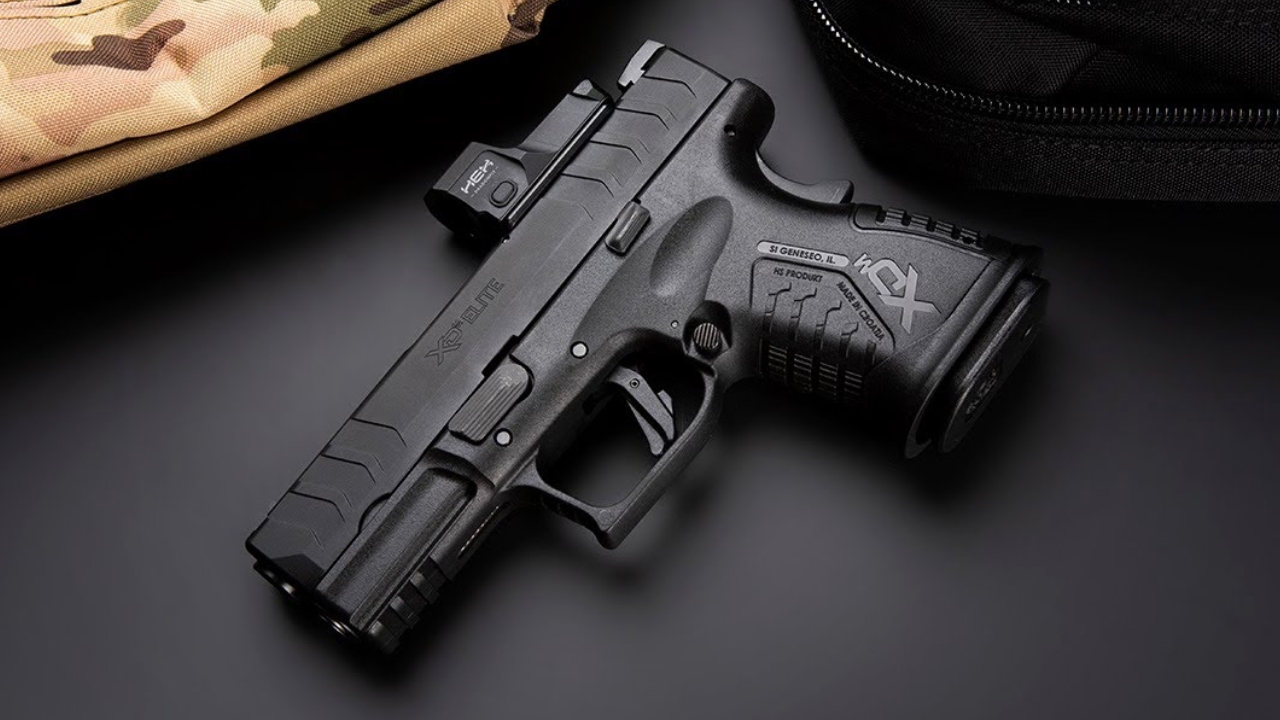
Springfield XDM Elite Compact 10mm

Even mild 10mm loads can feel lively in a compact 10mm. The gun has to manage more slide energy, and even when the load is “mild for 10,” it’s still a quick impulse compared to a 9mm. The compact frame also means less weight out front to keep it settled.
This is a pistol where people often underestimate what “mild” still means. Mild 10mm isn’t mild 9mm. If you want a 10mm you can practice with comfortably all day, you usually need more size and weight than the compact class gives you. Great tool, but it’s still a snappy category.
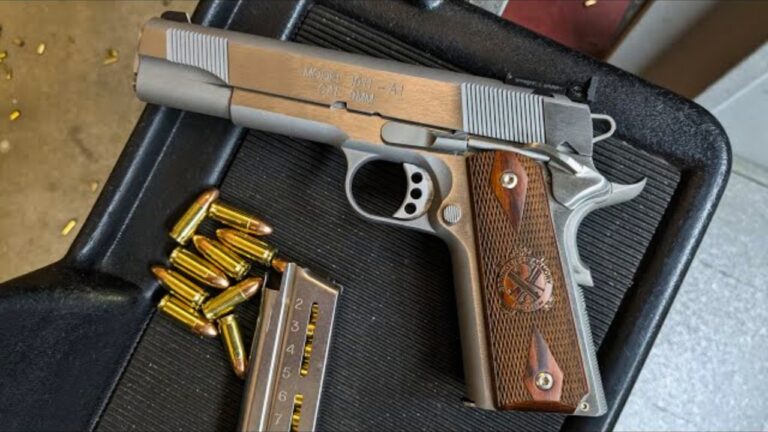
Colt Defender

Short 1911s can feel snappy even with mild .45 loads because you’ve got less slide travel and less mass, plus a grip that’s shorter than a Government model. The Defender carries well, but recoil can feel quicker and more abrupt than people expect from “a steel .45.”
It’s controllable with good technique, but it’s not the soft, rolling recoil a full-size 1911 delivers. If you’re buying it as a carry gun and you plan to practice a lot, make sure you actually like how it recoils after a couple hundred rounds. A short 1911 is a different animal.
Kimber Ultra Carry II

Same lane as the Defender: compact 1911s often feel sharper than they look. Even with mild loads, the recoil can feel snappy because the gun is shorter, lighter, and cycles in a way that feels more abrupt. Some shooters also notice that tiny changes in grip make a bigger difference in how the gun behaves.
If you love the platform, you can run it well. But don’t buy a short 1911 expecting it to feel like a full-size range gun. It’s a carry compromise. The snappy feel isn’t a defect—it’s the tradeoff you signed up for when you went shorter and lighter.
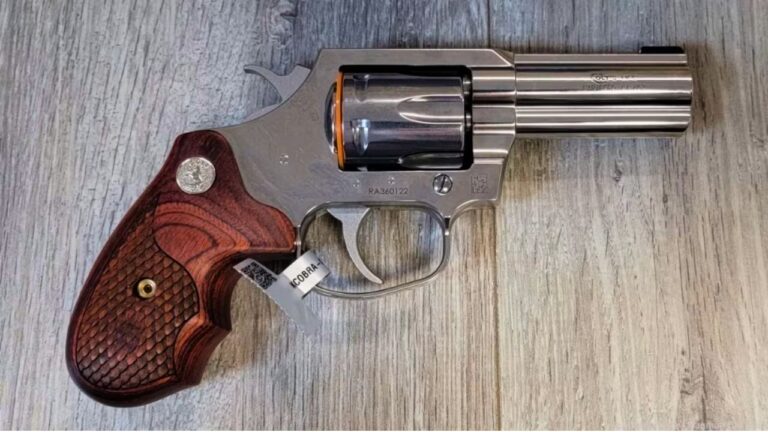
Ruger SP101 (2.25″)

A small revolver can feel snappy even with mild .38 loads because the gun is still compact and you’re usually not getting a full, comfortable grip. The SP101 is heavier than some snubs, which helps, but it still delivers a quick impulse that can wear on your hand during longer sessions.
Where it surprises people is that .38 can still feel sharp in a short barrel, especially if your grip isn’t consistent. The gun is strong and reliable, but “strong” doesn’t mean “soft.” If you want to practice a lot, grips matter and so does ammo choice—even in “mild” territory.
S&W 340PD

The 340PD is a featherweight, and featherweight revolvers make everything feel snappy. Even mild .38 loads can feel sharp because the gun has almost no mass to absorb recoil. The impulse is quick, and the gun moves. That movement is what makes it feel harsh even when the load isn’t spicy.
This is one of those “carry a lot, shoot a little” revolvers for most people. You can train with it, but you’ll feel it sooner than you think. If you want a snub you actually enjoy practicing with, more weight usually makes life better.
Charter Arms Bulldog (.44 Special)

People hear “.44 Special” and assume it’s a soft, slow push. In a lighter revolver, it can still feel snappy because recoil is about gun weight and grip, not just pressure. The Bulldog is handy, but it can feel lively even with mild loads—especially for shooters who don’t have a strong grip or who are sensitive to hand slap.
The other thing is follow-up speed. Even if the recoil isn’t “painful,” the muzzle movement can be enough to slow you down. That’s what snappy really means in practice. If you carry a Bulldog, practice enough to know how it behaves under rapid fire, not just slow, careful shots.
Taurus Model 85 Ultralite

Ultralight revolvers are famous for feeling snappy with everything. Mild .38 loads still feel sharp because the gun doesn’t weigh much and the grip is small. You end up with a fast recoil impulse that’s harder to control and harder to enjoy during practice.
This is another gun that gets carried a lot and trained with less than it should be because it’s not fun. If you own one, use grips that actually fit your hand, and don’t pretend the “mild” ammo makes it a soft shooter. The platform is the platform.
Kimber K6s (2″)

The K6s is a quality snub, and it can be very shootable, but in the 2-inch versions it can still feel snappy with mild loads simply because it’s compact. You’re dealing with a short sight radius and a grip that doesn’t always give you the leverage you want for fast strings.
A lot of shooters can shoot it accurately and still feel like it’s tiring over a longer session. That’s normal. Snubs demand more from your hands and wrists. If you want a revolver you can truly practice with for a long time, stepping up to a slightly larger frame or longer barrel usually makes the experience smoother.
Like The Avid Outdoorsman’s content? Be sure to follow us.
Here’s more from us: