Photo credit: Tactical Trio/YouTube
It’s easy to assume a handgun will run fine as long as you’re using decent ammo and a reasonably well-made mag. But there are pistols out there that seem to throw a tantrum with every brand you feed them. Doesn’t matter if it’s factory, aftermarket, or even OEM variants from the same manufacturer—some guns simply refuse to behave.
This isn’t about the occasional hiccup either. I’m talking about pistols where mag-related failures are routine, not rare. Failures to lock back, inconsistent feeding, slide override, nose-dives—sometimes all in the same magazine. And in a world where reliability should be non-negotiable, these pistols keep showing up with excuses. If you’ve spent more time troubleshooting mags than shooting, you’ll probably find a familiar face or two on this list.
Let’s walk through the ones that are known for throwing fits, no matter what mag you try.
Kimber Micro 9

You’d think a premium-looking little 1911-style 9mm would behave better, but the Micro 9 can be maddening. Even with Kimber’s own magazines, you’ll see feeding issues that seem to come and go without a pattern. Switch to aftermarket mags, and the problems usually get worse—failures to feed, nose dives, and a slide that refuses to lock back are all on the table.
The short grip frame and steep feed angle don’t do the gun any favors. It’s one of those pistols that might run fine with one mag and totally fall apart with another—even if they’re the same brand and spec. People spend more time matching mags than shooting with this one. For a carry gun, that’s a headache you shouldn’t have to deal with.
SIG P938

The SIG P938 is another micro 1911-style pistol that seems to throw a fit with nearly every mag you feed it. The factory mags aren’t much better than the aftermarket ones. Some shooters swear by a particular batch, but there’s zero consistency. Even minor differences in follower design or spring tension seem to throw this thing into a jam session.
Failures to feed or premature slide lock are common. And if you’re trying to find a mag that extends capacity, good luck—most options introduce even more reliability problems. You shouldn’t have to roll the dice on every reload, especially with a gun marketed for concealed carry. The P938 might shoot well when it runs, but getting there is half the battle.
Springfield Hellcat

The Hellcat’s not known for universal mag compatibility. Stick with Springfield’s factory mags and you’ll still see hiccups, especially as they wear. Add an aftermarket mag or even an extended one from the same brand, and things start to unravel. The slide may fail to lock back, feeding gets inconsistent, and ejection timing feels off.
Part of the problem is how tight the tolerances are. Any variation in spring tension, follower shape, or even how the mag seats can lead to problems. Some mags won’t drop free. Others won’t feed the first round reliably. It’s a pistol that punishes experimentation. If you’re the kind of shooter who likes options, the Hellcat might not be your friend.
Taurus G2C

The G2C offers a lot for the price, but mag sensitivity is a real issue. Even factory mags don’t always play nice. Expect inconsistent slide lock, erratic feeding, and some mags that simply won’t seat unless you slam them home. The issue gets worse when you start trying aftermarket options like ProMag, which turns it into a malfunction machine.
The tolerances between the frame and magazine well aren’t always consistent from one gun to the next. You’ll hear stories of shooters finding one magic mag that works—until it doesn’t. For a budget pistol, you almost expect a quirk or two, but needing to hand-pick working mags is asking a lot from folks who bought it for affordability.
KelTec P11
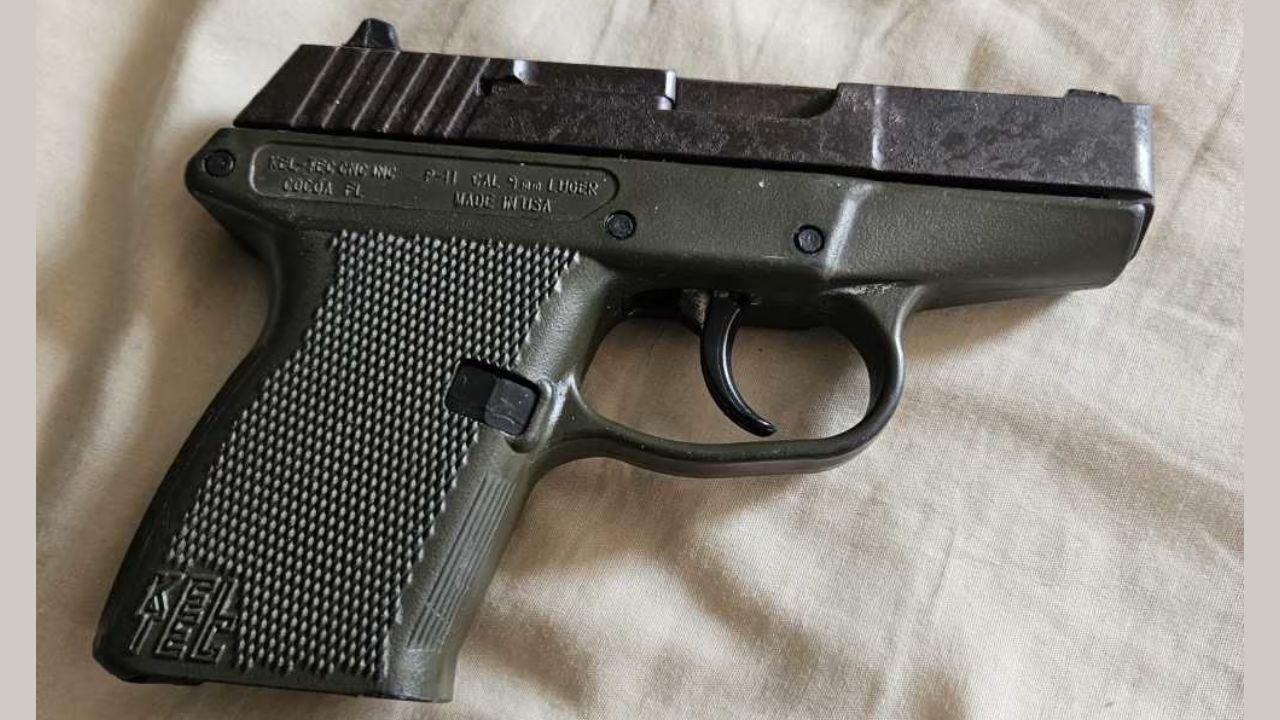
The KelTec P11 had big ideas for a small price, including a double-stack 10-round mag in a tiny footprint. Unfortunately, magazine issues were a constant thorn. The factory mags had weak followers and springs that wore out early. Using aftermarket Smith & Wesson mags (since it shares dimensions with older S&W models) usually made things worse.
Failure to feed, failure to eject, and random slide lock issues all point back to magazine inconsistency. And the P11 didn’t exactly have a refined feed ramp or robust slide return to help things along. If a mag was even slightly out of spec or worn, it became a single-shot pistol real fast. It’s a clear case of an affordable gun making you pay with frustration.
Remington R51

The R51’s mag issues are legendary. Even after Remington’s recall and redesign, the magazines remained a sore spot. Weird geometry, weak springs, and inconsistent seating pressure made feeding unpredictable. Add in the gun’s hesitation-delayed blowback system, and the margin for error shrank even further.
You’d get feeding failures, double feeds, and slides that didn’t lock back—even with factory mags. Try an aftermarket option? That was a good way to make things worse. The R51 never gained confidence with serious shooters partly because the mags were so finicky. If the foundation of a semi-auto—its magazine—doesn’t work consistently, the rest doesn’t matter.
SCCY CPX-2

The SCCY CPX-2 is another budget 9mm that gets high marks for affordability, but not for mag compatibility. Factory mags are hit or miss, with early versions known for weak feed lips and odd follower angles. Some feed fine until the last two rounds. Others nose-dive from the start. Slide lock is often inconsistent, even when everything looks right.
Aftermarket options are few, but those that exist often make problems worse. The CPX-2’s internal design doesn’t tolerate deviations in spring tension or follower shape. It’s a gun where reliability depends heavily on hand-selecting each mag, hoping it keeps running the same way twice in a row. That’s not a great position for a carry piece.
Para Ordnance P14-45
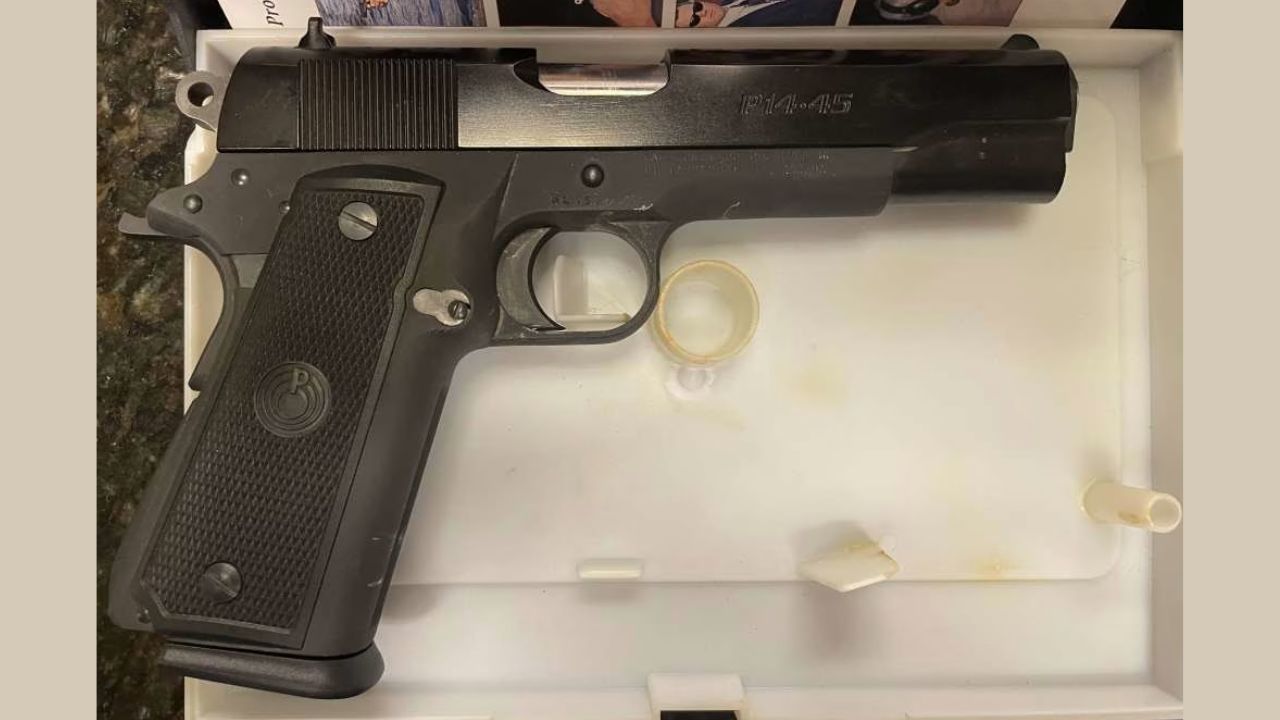
Double-stack 1911s are finicky by nature, and the Para P14-45 was one of the worst offenders. Even factory mags were plagued with feed lip inconsistencies, weak springs, and out-of-spec followers. Add in tight frame tolerances and a steep feed angle, and the gun would frequently choke before the second mag was through.
Some shooters tried tuning feed lips or replacing followers, but it was rarely a permanent fix. Aftermarket mags were a mixed bag, and even the good ones wore out fast. In a pistol that should’ve handled higher capacity with authority, mag issues kept it benched. Plenty of folks loved the idea but hated the maintenance it took to keep it reliable.
Beretta 21A Bobcat
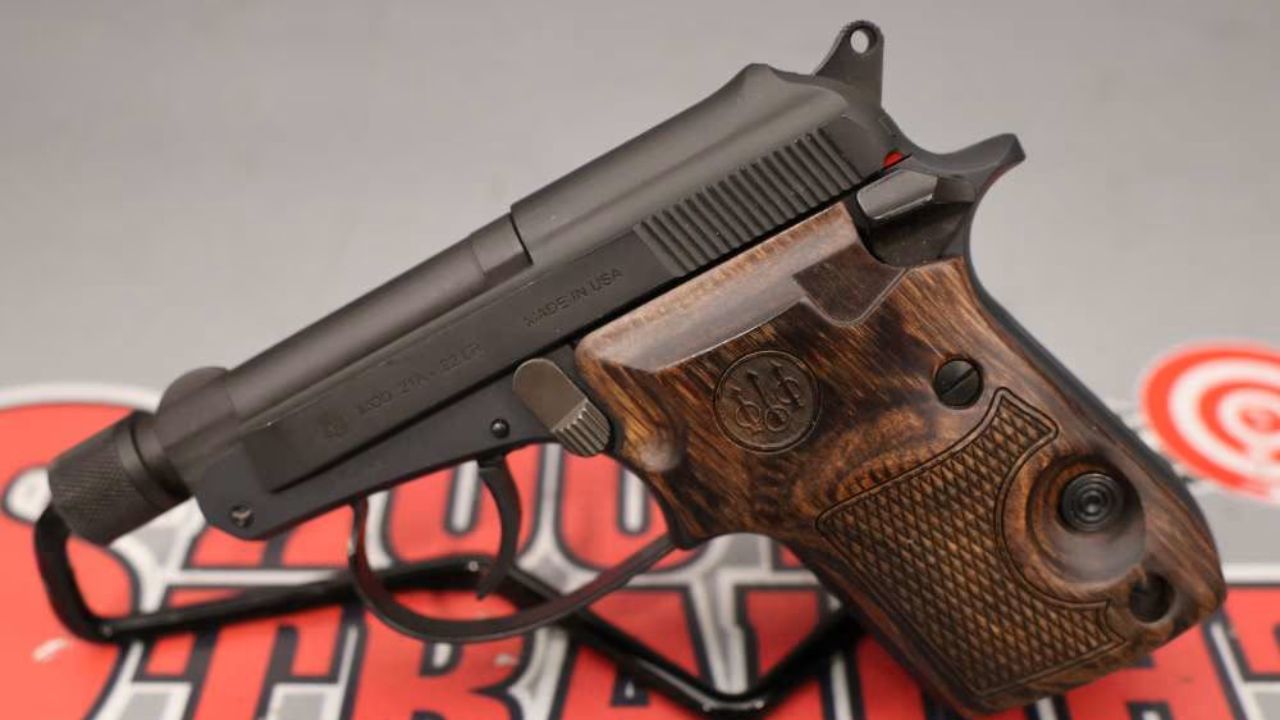
The Bobcat is tiny, charming, and oddly particular about magazines. Its tip-up barrel design means the mag has to do more work than usual in cycling rounds. Feed ramp geometry, spring tension, and follower angle all play a big role—and when the mag is even slightly out of spec, things get ugly fast.
Factory mags are usually okay, but they wear quickly, and replacements can vary wildly in quality. Aftermarket options? That’s where things really fall apart. You’ll get failures to feed, erratic ejection, and sometimes the slide won’t even cycle all the way. For a tiny .22, it makes you work too hard to keep it happy.
AMT Backup

The AMT Backup wasn’t known for refinement to begin with, and its magazines didn’t help. Feeding issues were common even with factory mags. The angle from mag to feed ramp was steep, the spring tension was inconsistent, and the feed lips would deform over time. Good luck getting through a full mag without a hiccup.
Aftermarket support was almost nonexistent, so shooters either bought up spares hoping for a good one or tried to tweak what they had. It rarely worked. The Backup was meant to be a last-ditch deep concealment pistol, but its habit of choking on its own mags made it a sketchy choice for that role.
Desert Eagle .357 Magnum
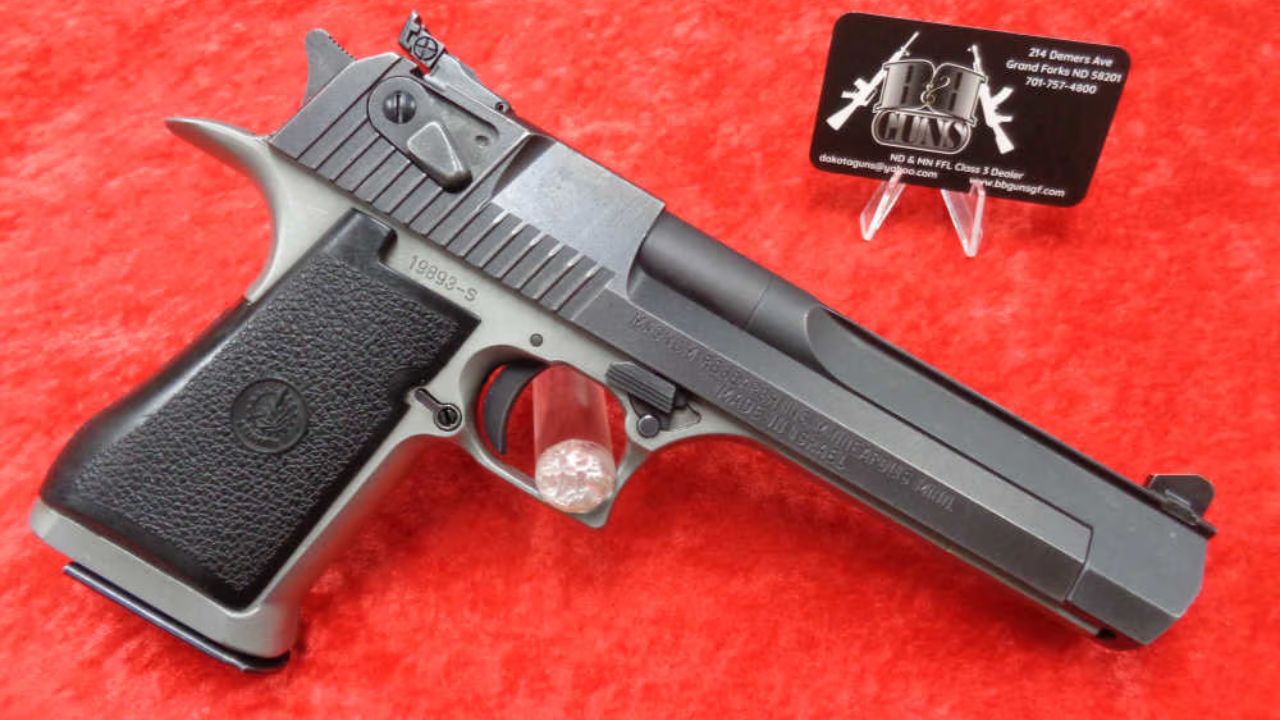
You don’t buy a Desert Eagle for practicality, but even for range fun, the .357 Magnum version can be a pain with mags. The high-pressure cartridge and large frame demand tight magazine specs—and most options outside of Magnum Research’s factory mags don’t make the cut. Feed ramp angle, recoil timing, and follower tension all have to be just right.
Mags that work well for a while may suddenly start causing nose-dives or last-round failures. Add in the weight and recoil impulse, and even small spring fatigue can throw off the whole cycle. If you like experimenting with aftermarket mags, this isn’t the platform to mess with. The gun’s fussy enough already.
Like The Avid Outdoorsman’s content? Be sure to follow us.
Here’s more from us:
The worst deer rifles money can buy
Sidearms That Belong in the Safe — Not Your Belt
*This article was developed with AI-powered tools and has been carefully reviewed by our editors.