Photo credit: Browning
There’s a moment every shooter hits when practice stops being casual and starts becoming deliberate. You’re running drills, working transitions, pushing past comfort zones, and tracking how your groups behave over long strings. That’s when certain rifles reveal flaws you never noticed during a few slow shots off a rest. Stocks flex, actions bind, barrels wander, and accuracy shifts as heat builds.
Once you’ve experienced a rifle that stays predictable through an entire afternoon of focused training, it’s hard to return to something that only behaves when conditions are perfect. A lot of rifles feel fine at first—but one season of serious practice is all it takes to outgrow them.
Remington 710
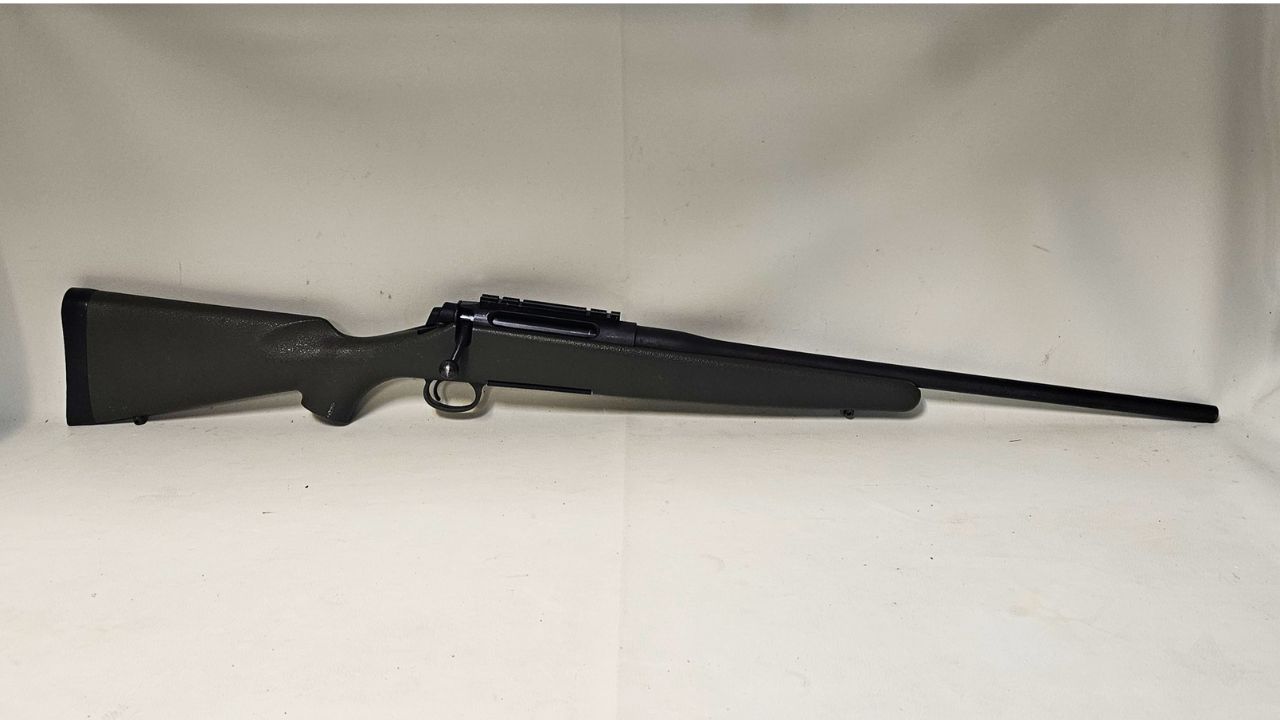
The Remington 710 seemed appealing to many first-time buyers, but extended practice exposes its limitations quickly. The pressed-in barrel, plastic components, and rough action make consistency a struggle during long sessions. You start noticing flyers that come from nowhere and cycling that interrupts your rhythm on follow-up drills.
After you’ve spent a season tightening your fundamentals, the rifle’s shortcomings stand out even more. Shooters often move to a smoother platform like a Remington 700 or a modern mid-tier bolt gun because the improvement in feel and repeatability is immediate.
Savage Axis II Compact
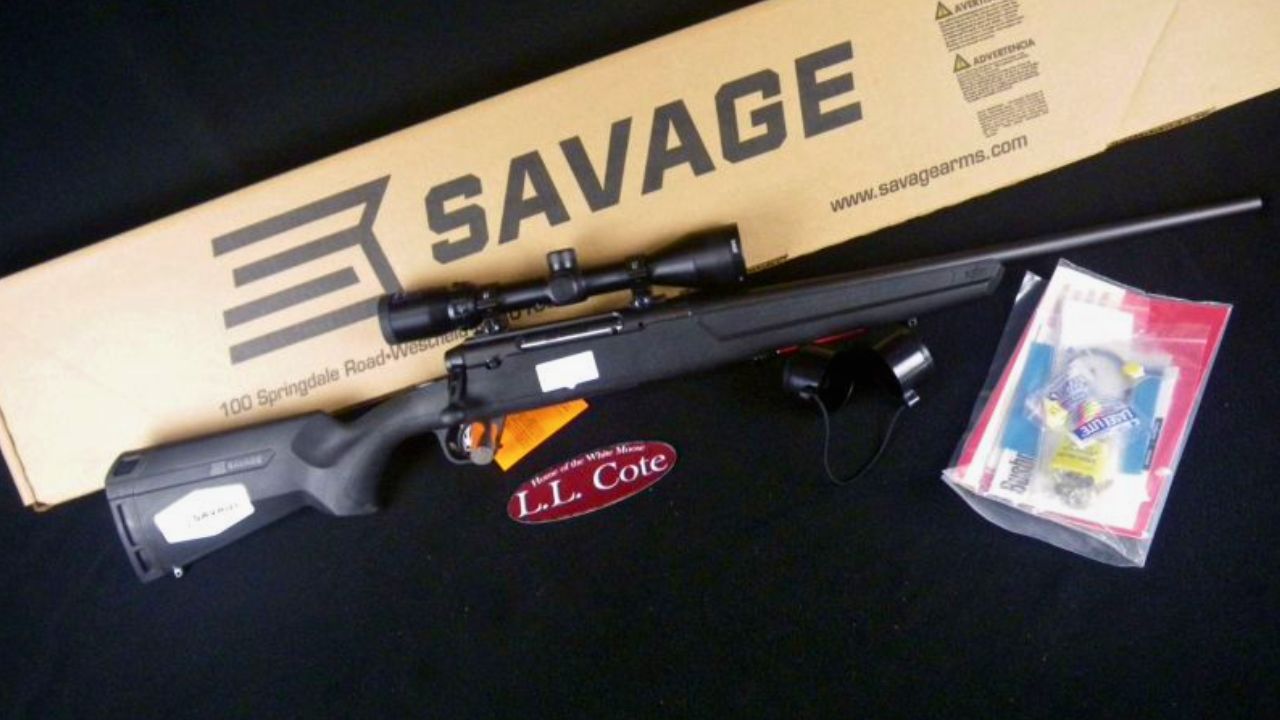
The Axis II Compact works fine for light use, but once you start shooting in volume, its lightweight barrel heats fast and accuracy tapers. The compact stock also becomes uncomfortable during extended sessions, especially when you’re shifting between prone, kneeling, and standing.
With a season of real practice behind you, you begin wanting more stability and better heat management. That’s when shooters usually upgrade to rifles with heavier barrels or stiffer stocks, leaving the Compact configuration behind.
Mossberg ATR

The old ATR was an entry-level rifle meant for occasional sight-in days and seasonal use. Once you start working through frequent range trips, the action’s uneven feel and the stock’s noticeable flex hold you back. Groups open quickly when the barrel warms, which gets frustrating when you’re drilling for consistency.
Most shooters who put in real practice end up moving to something with better machining and temperature stability. The ATR becomes the rifle that taught them early lessons—then got replaced.
Weatherby Vanguard Synthetic (older lightweight versions)

Early lightweight Vanguard models were handy but had thin barrels that heated fast during extended shooting. The synthetic stocks on those versions also had more flex than ideal when running a bipod or shooting off barricades.
With serious practice, those limitations show up in the form of wandering groups and pressure sensitivity. Many shooters eventually move to newer Vanguards or similar rifles with more rigidity and better real-world accuracy retention.
Ruger M77 MKII (pencil-barrel configurations)
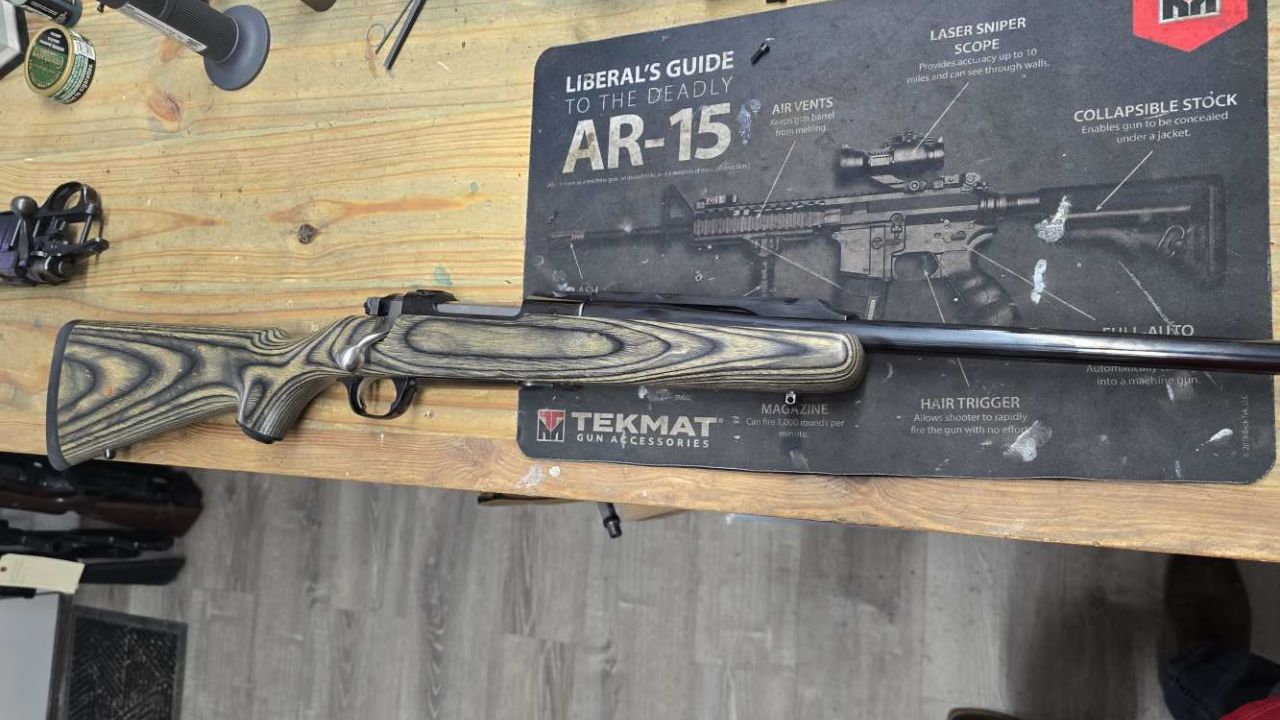
Some M77 MKII rifles are fantastic, but the pencil-barrel versions lose accuracy quickly once they warm. When you’re shooting in volume, it becomes tough to predict where the next shot will land after the barrel heats, especially past 150 yards.
After a season of deliberate training, most shooters look for rifles with heavier barrels and more forgiving harmonics. The M77 MKII stays a fine hunting rifle, but as a practice tool, it gets outgrown fast.
Thompson/Center Venture (first models before improvements)
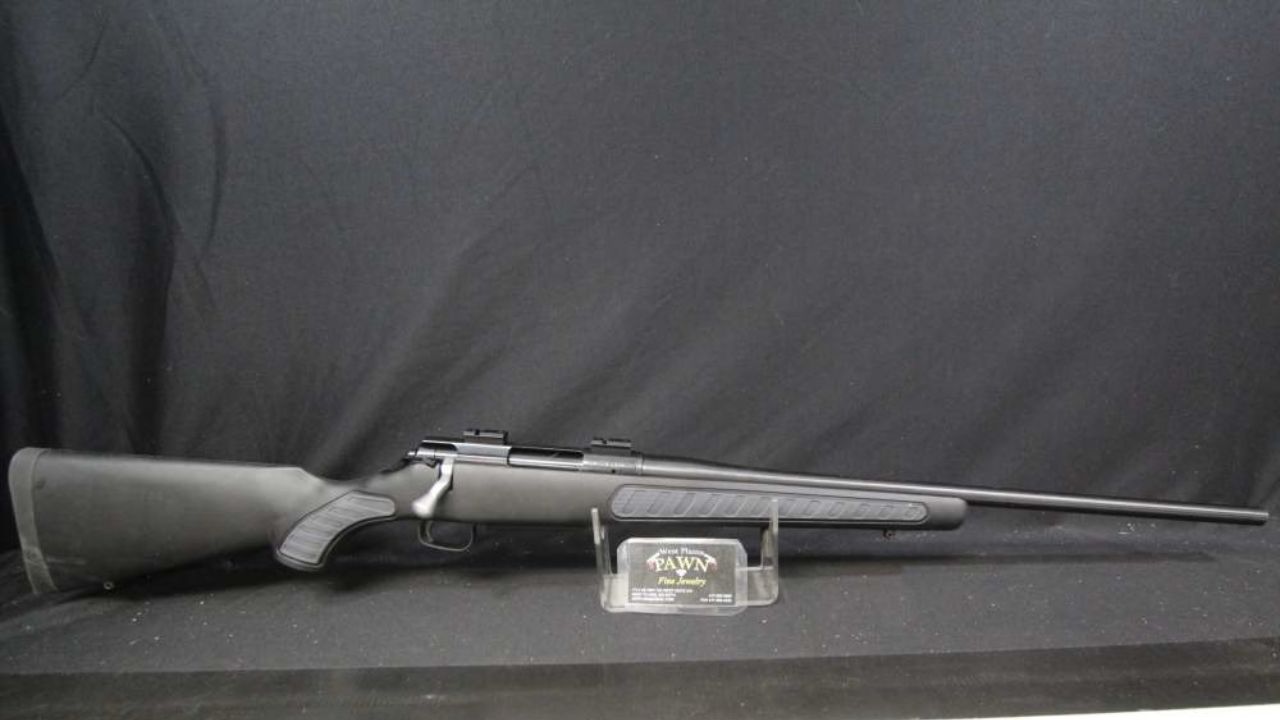
The early Venture rifles had potential, but inconsistent trigger quality and flexible stocks held them back. During extended practice, the inconsistencies in break weight become distracting, and the stock’s movement changes point of impact under varying pressure.
Shooters who put in real hours often move on to the Venture II or another rifle with a cleaner trigger and more rigid furniture. One season is enough to recognize where the original Venture comes up short.
Winchester XPR (first-generation polymer stock)

The first XPR polymer stocks were light, but they transmitted recoil sharply and twisted under heavy bipod pressure. During long practice sessions, you feel every shot and start seeing your groups respond to even minor inconsistencies in support.
Once you’ve shot something with a more solid foundation, the XPR’s early stock becomes a limiting factor. Many shooters outgrow it and look for rifles built to handle higher volume training without stability issues.
Howa 1500 Lightweight

Howa actions are excellent, but the lightweight versions have barrels that heat rapidly and wander when you’re shooting more than a few rounds at a time. When you’re practicing transitions or working longer strings, that shift becomes obvious and frustrating.
After one season of dedicated range work, shooters tend to gravitate toward standard-weight Howas or guns with heavier profiles. The lightweight option remains great for mountain hunts, but not for high-volume range days.
Marlin X7

The X7 was known for impressive accuracy for the price, but the thin fore-end and light barrel weren’t built for extended, structured practice. Once you start working through multiple positions and longer shot strings, point-of-impact shifts become hard to ignore.
Shooters who push themselves past casual pace usually upgrade to rifles with stronger stocks and barrels better suited for heat buildup. The X7 remains fondly remembered but quickly outgrown.
Browning A-Bolt Hunter (thin-barrel variants)
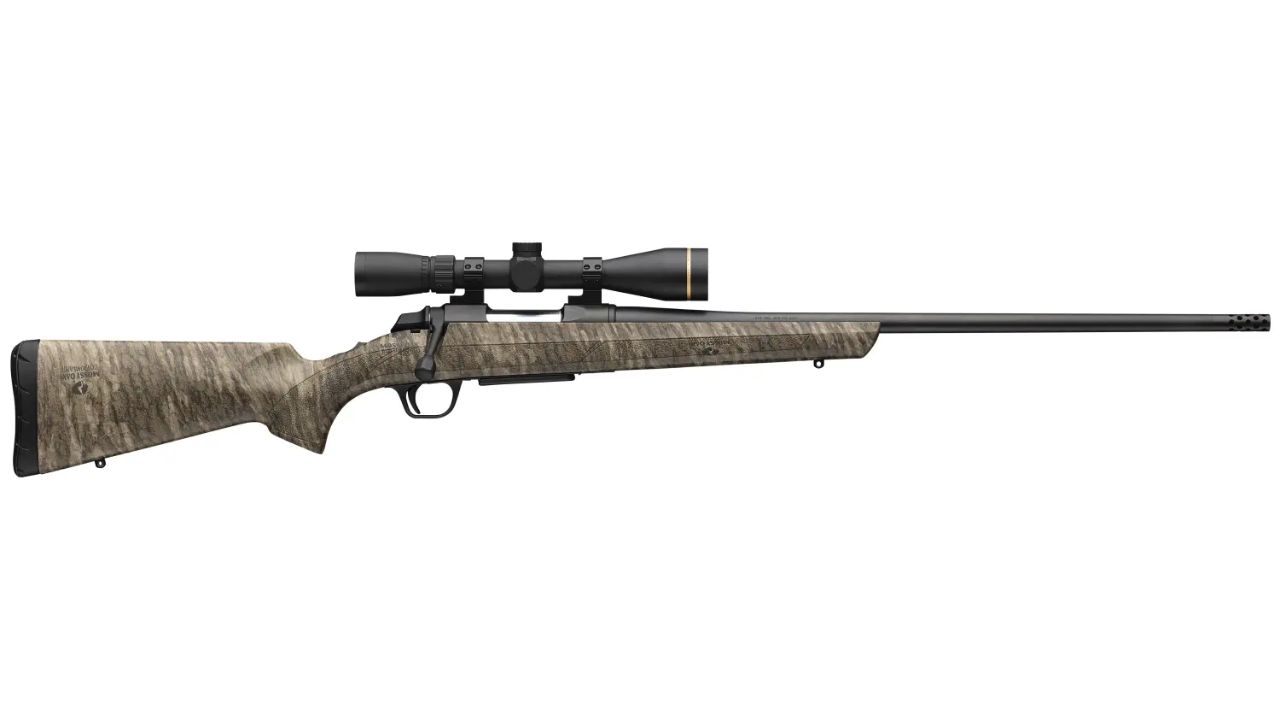
Many A-Bolt Hunters shoot well cold, but serious practice exposes their limits. The thin barrel profile heats quickly, and accuracy falls off during sustained shooting. The stock shape, while great for hunting, isn’t comfortable for long sessions or positional training.
After a season of committed range time, most shooters shift to rifles designed with more modern ergonomics and better sustained accuracy. The A-Bolt Hunter still excels in the field, but it isn’t built for the demands of heavy training.
Remington Model Seven

The Model Seven handles beautifully in the field, but practice reveals its drawbacks. The short, thin barrel heats quickly and causes groups to shift faster than you’d expect. The lightweight build also makes it harder to settle behind the rifle for long strings.
Many shooters retire it from training roles and keep it strictly for hunting. Once you’ve used a heavier, more stable rifle for serious practice, the Model Seven’s limitations become obvious.
Ruger Hawkeye Ultralight

The Hawkeye Ultralight’s recoil and barrel heat become issues the moment you push beyond a few slow shots. The thin barrel walks as it warms, and the light frame makes every positional drill feel more difficult than it should.
After you’ve trained with a rifle that maintains accuracy under volume, the Ultralight becomes something you reserve for carrying, not for refining skills. Most shooters quickly transition to a model with a standard contour barrel.
Savage 11 Lightweight Hunter

The Savage 11 Lightweight Hunter is a mountain-friendly rifle, not a practice-oriented one. Its light build is great on your shoulder during a long hike but unforgiving during long days on the bench. The barrel heats nearly instantly, and the slim stock can feel inconsistent under load.
Serious shooters quickly learn that stability is a must for high-volume practice. The Lightweight Hunter rarely gets chosen once the goal becomes refinement rather than portability.
Mossberg Patriot Super Bantam

Designed for youth and smaller-framed shooters, the Super Bantam isn’t built to withstand a season of focused practice. Its short length of pull and light weight make recoil management and stability difficult during extended drills. The barrel heats quickly, causing groups to drift.
Shooters outgrow it as soon as they start demanding consistency through high shot counts. It often becomes a loaner or starter rifle once skills progress.
Remington 783 (base package models)

The 783 often shoots better than expected at first, but the package models show their limits during dedicated practice. The economy stock flexes, the included optics don’t hold up to frequent use, and the action feels coarse when cycled quickly.
After a season of working on speed, accuracy, and transitions, most shooters shift to rifles with better-built stocks and smoother actions. The 783 is a stepping stone—once you pass that stage, there’s no going back.
Like The Avid Outdoorsman’s content? Subscribe to our newsletter so you never miss an article.
Here’s more from us: