Photo credit: Evike.com Airsoft/YouTube
Some pistols earn their reputation the hard way. Instead of running well out of the box, they need new springs, tuned magazines, polished feed ramps, or upgraded internals before they behave the way shooters expect. You can’t always see these issues on the gun store counter, but you learn quickly once you hit the range. A reliable handgun shouldn’t require an armload of aftermarket parts to stay functional, yet some models seem to depend on them. If you’ve owned one of these pistols, you know exactly how fast that upgrade list grows.
Kimber Solo

The Kimber Solo gained attention for its size and looks, but many shooters learned it rarely ran well without very specific ammunition and upgraded springs. The stock recoil system often caused cycling issues, sending owners searching for aftermarket tuning kits. Even then, reliability could fluctuate depending on grip pressure and round count.
The pistol’s tight tolerances were meant to enhance accuracy, but they sometimes created sensitivity that didn’t pair well with real-world use. Many owners found themselves replacing parts before they trusted the gun for carry. It’s a pistol that performs nicely when everything aligns—but rarely does so straight out of the box.
SIG Sauer Mosquito

The SIG Mosquito has long been known for its finicky nature. While the frame design is appealing, it often struggles with bulk .22LR and requires specific ammunition and upgraded springs to cycle consistently. Many owners resort to aftermarket recoil springs, polished chambers, or tuned magazines to stabilize performance.
While the platform can become enjoyable once dialed in, the out-of-the-box experience often frustrates new shooters. Manuals point you toward high-velocity ammo, but even that isn’t foolproof. The Mosquito is a classic example of a pistol that needs extra attention—and extra gear—before it starts behaving the way you want.
Glock 42

Early Glock 42s earned a reputation for inconsistent feeding, especially with hollow points. While later revisions solved much of the issue, many owners of first-run models turned to aftermarket magazines, stronger springs, and polished feed ramps to keep things dependable. Some examples smoothed out over time; others required permanent upgrades.
Once sorted out, the 42 can be a pleasant little .380. But the learning curve was steep for many shooters who expected Glock-level reliability right away. If you didn’t want to dive into aftermarket tweaks, the early models could test your patience.
Remington R51
The R51 had a rocky start, and even the revised runs needed aftermarket attention to meet expectations. Feeding and cycling issues pushed owners toward upgraded recoil springs and polished internals. Some even replaced critical small parts to improve consistency and eliminate the odd timing quirks the pistol developed.
The Pedersen-style action is unique, but that uniqueness came with challenges. While some shooters got their pistols running smoothly, many found themselves investing in parts and tuning sessions that shouldn’t be necessary on a modern defensive gun.
Taurus PT709 Slim
The PT709 Slim offered good concealability, but many shooters found themselves adjusting triggers, swapping recoil springs, and replacing magazine followers to fix feeding issues. The factory setup could vary widely between individual guns, leading owners to search aftermarket forums for cures.
The pistol handled nicely when it ran well, but the inconsistent out-of-the-box performance meant many people spent more time tuning than shooting. Its reputation improved slightly over time, yet it remained a model often judged by how much aftermarket work it needed.
Canik TP9

Before Canik refined their production, early TP9 imports occasionally suffered from inconsistent trigger geometry and finicky magazine performance. Many shooters turned to aftermarket trigger kits, upgraded recoil springs, or reworked magazines to stabilize reliability. The platform eventually became solid, but the early days demanded patience.
Shooters who stuck with it often ended up with a capable gun, but only after investing in parts that should have been unnecessary. The later models corrected much of this, but early adopters remember the tuning phase all too well.
Kahr PM9
The Kahr PM9 is slim and accurate, but some examples require a break-in period that spans several hundred rounds. Many shooters upgraded magazine springs, polished feed ramps, or purchased aftermarket followers to speed up reliability. Out-of-the-box performance could feel hit-or-miss depending on the specific pistol.
Once tuned, the PM9 can be very dependable, but the path to get there isn’t always smooth. Shooters expecting instant reliability sometimes found themselves making more modifications than they planned.
Para Ordnance LDA pistols
Para’s LDA line offered an interesting trigger system, but many pistols needed aftermarket springs, tuned extractors, or reworked feed ramps to eliminate early reliability hiccups. Their double-stack magazines sometimes required polishing or replacement to prevent nose-diving rounds.
For shooters willing to invest the time, the LDA pistols could be rewarding. But owners who preferred a plug-and-play carry gun often felt overwhelmed by the number of recommended upgrades. It’s a platform with potential—if you’re prepared to tune it.
Browning 1911-380

The Browning 1911-380 is lightweight and ergonomic, but some examples showed feeding sensitivity with certain bullet shapes. Many shooters replaced recoil springs, added aftermarket mags, or polished chambers to improve consistency. The pistol’s lightweight slide sometimes contributed to timing issues that weren’t solved with a simple cleaning.
Aftermarket parts help the gun settle into a smoother rhythm, and once dialed in, it’s enjoyable to shoot. Still, owners often felt they had to invest in upgrades before trusting it fully.
Smith & Wesson SW9VE
The SW9VE is known for its extremely heavy trigger pull, leading many owners to install aftermarket spring kits or engage gunsmiths for smoothing. Some pistols also benefited from upgraded recoil springs to reduce cycling hesitation with certain loads.
While the core design is dependable, many shooters felt pressured to modify the gun before it became comfortable or confidence-inspiring. It’s reliable in a technical sense, but the urge to upgrade nearly everything makes it feel unfinished.
Rock Island Armory 1911 (GI models)
Rock Island’s GI 1911s are functional but often require aftermarket tweaks for smooth feeding and cleaner trigger breaks. Many owners replace extractors, polish feed ramps, or upgrade recoil springs to prevent occasional hang-ups. The basic design is solid, but the cost savings show in the small details.
Shooters who enjoy tinkering appreciate the platform, but those wanting a refined pistol out of the box usually end up replacing several parts. With upgrades, the guns run well—but they rarely stay stock for long.
Bersa Thunder .380
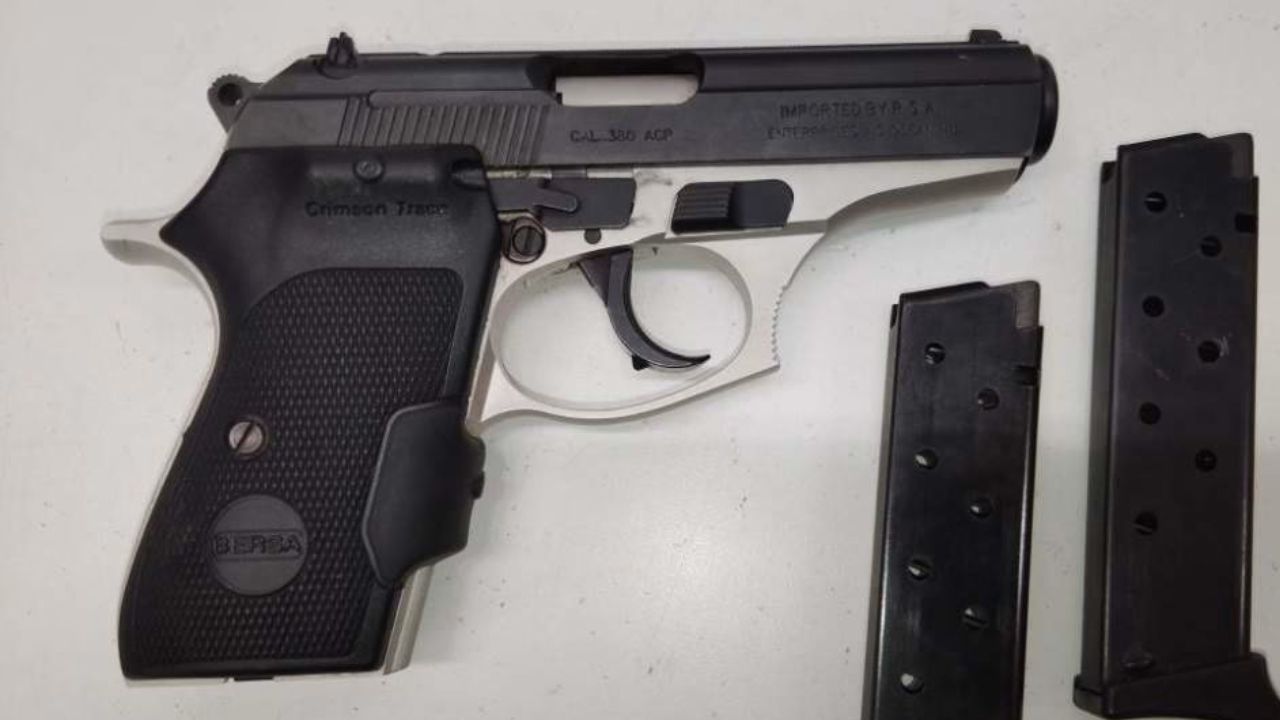
The Bersa Thunder has fans, yet some examples need upgraded springs or polished internals to stabilize feeding with modern defensive ammo. The factory recoil spring can feel weak on certain pistols, pushing owners toward aftermarket solutions.
Once dialed in, the Thunder functions well, but the inconsistent out-of-the-box performance leaves shooters unsure whether they’ll need to modify theirs. Manuals don’t outline the quirks, but longtime owners often do.
Magnum Research Baby Eagle (Jericho imports)

Early imports of the Baby Eagle sometimes displayed extractor tension issues and feeding quirks requiring aftermarket tuning. Shooters routinely replaced springs, adjusted magazines, or polished key surfaces to improve reliability. The underlying design is good, but small inconsistencies created headaches.
Owners who invested in the right upgrades usually ended up with a solid performer. Still, many preferred pistols that didn’t require that level of attention.
Colt Mustang Pocketlite

The Mustang Pocketlite is popular for concealed carry, but certain runs developed timing issues that made shooters turn toward heavier recoil springs, upgraded magazines, and polished feed ramps. The factory setup didn’t always handle hollow points cleanly.
Most owners eventually achieve stability with a few upgrades, but the need for extra parts isn’t ideal for a gun intended for defensive use. It’s a neat design—just one that benefits heavily from aftermarket help.
SCCY CPX-2

The CPX-2 earned attention as a budget-friendly carry pistol, but many shooters found themselves replacing magazine springs, smoothing triggers, or polishing feed ramps to improve consistency. The pistol’s internal tolerances vary more than premium brands, resulting in a wide range of user experiences.
With the right upgrades, it can perform reliably enough for practice or carry. But few owners keep one entirely stock. Most end up relying on aftermarket parts to reach the level of performance they expected from day one.
Like The Avid Outdoorsman’s content? Be sure to follow us.
Here’s more from us: