Photo credit: weha/Shutterstock.com
Pocket carry sounds convenient until you’ve lived with a pistol that simply isn’t built for it. The issues don’t show up on the gun shop counter—they show up when the gun prints through light clothing, shifts around while you walk, or fouls with lint in a way that kills reliability.
Some pistols are too heavy, some are too slick, and some are too complicated to draw cleanly from a pocket holster. When a gun gets in its own way, you notice it fast, and pocket carry quickly loses its appeal.
SIG Sauer P290
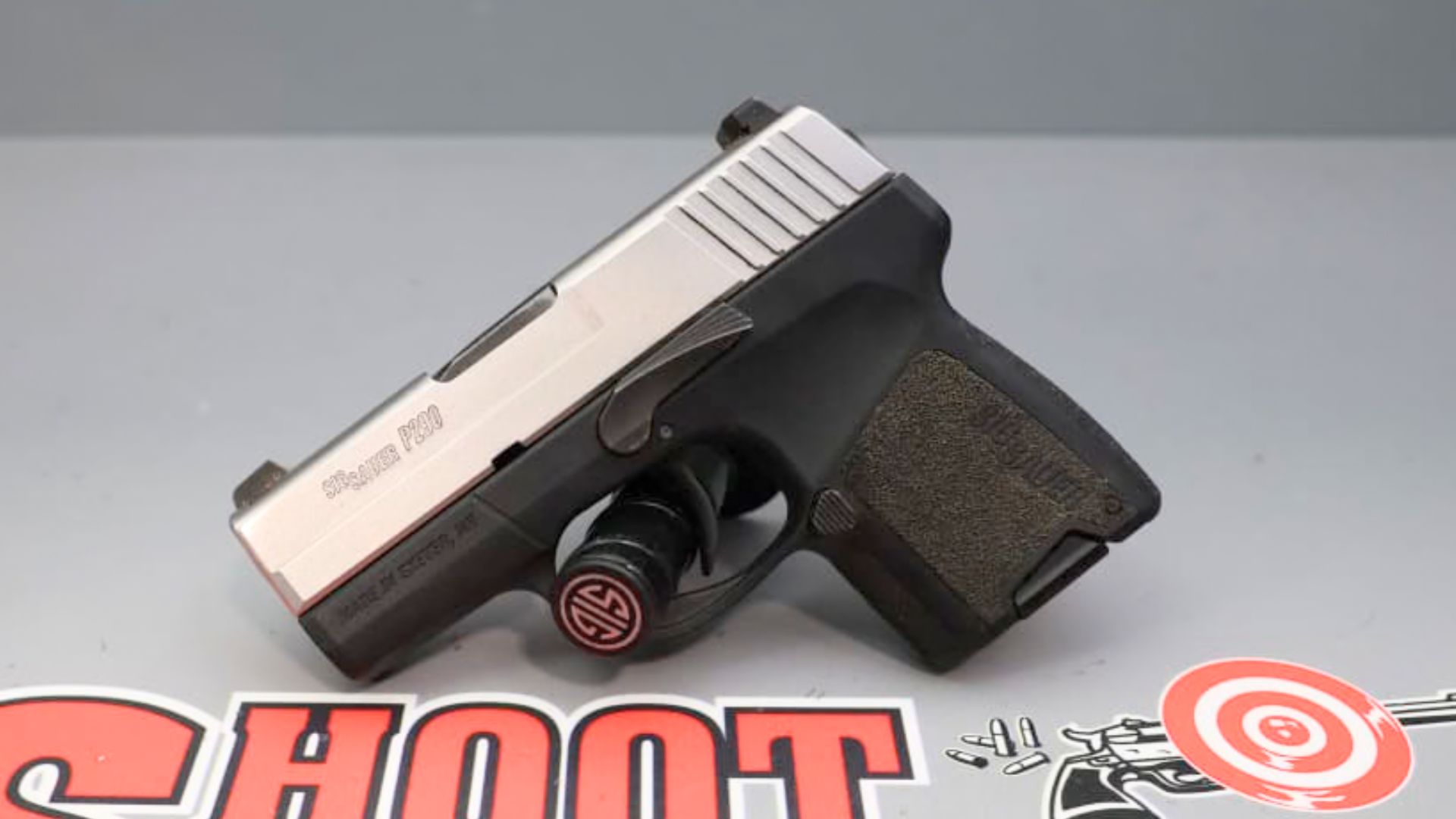
The P290 is sturdy and accurate for its size, but that same weight makes it rough to pocket carry. It tends to pull down one side of lightweight pants, and the squared edges print far more than you expect. Even with a proper holster, it feels heavy and awkward in a front pocket.
The DAO trigger also demands a strong, deliberate pull, which isn’t ideal when you’re trying to keep the draw as clean and safe as possible. Many shooters end up realizing it’s better suited for waistband carry.
Taurus PT738 TCP
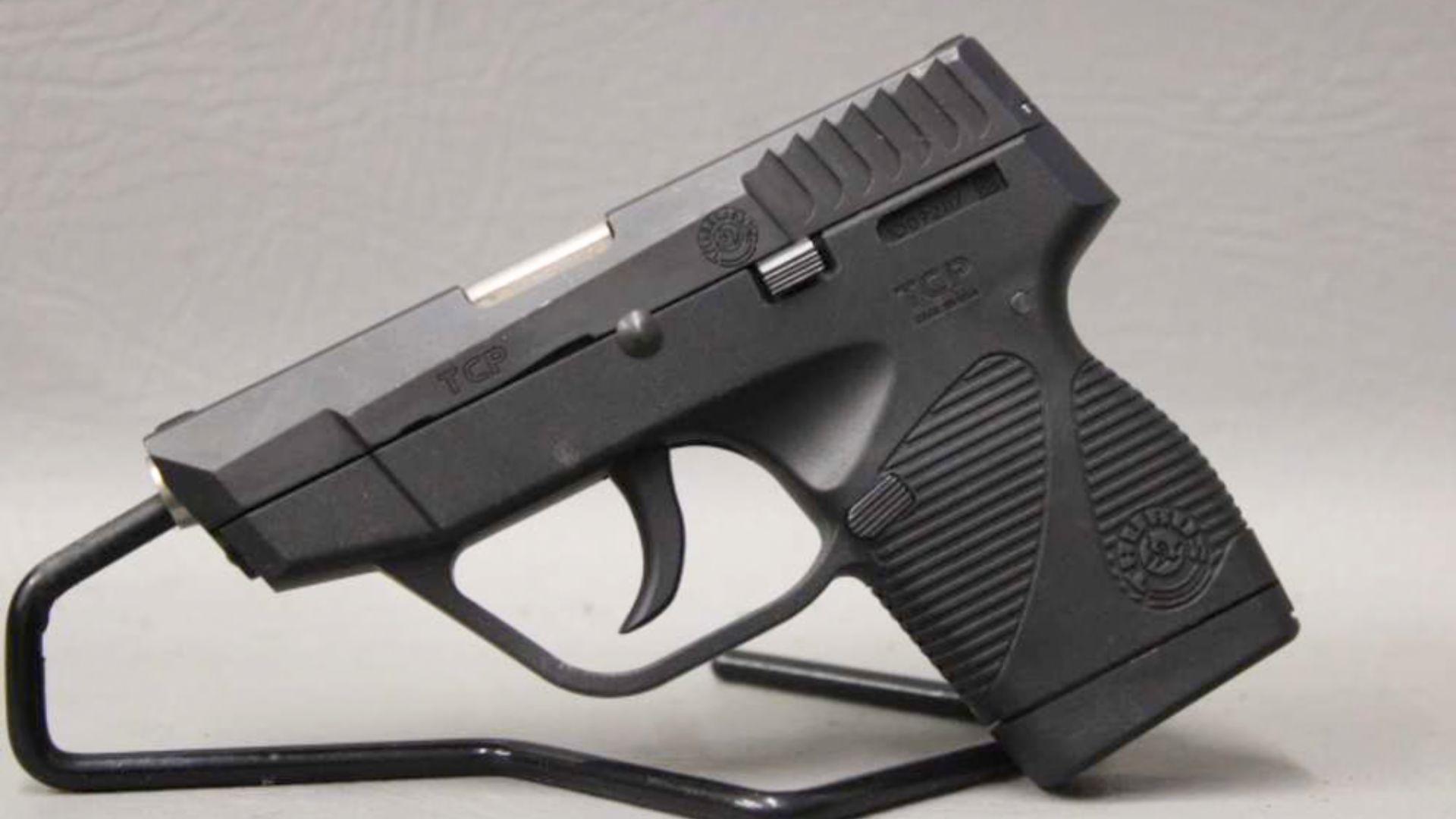
The PT738 is tiny, but the slick frame makes it hard to keep stable inside a pocket holster. It tends to rotate throughout the day, creating inconsistent draw angles. Shooters often find themselves adjusting it constantly, which defeats the purpose of pocket carry.
Reliability can also drop when lint builds up around the feed ramp and magazine lips. Slow range sessions don’t show it, but daily pocket carry exposes how sensitive the gun can be to debris.
Kahr PM40

The PM40 is powerful for its size, but the stiff recoil and lightweight frame make it a handful when you need it fast. In a pocket, it feels heavier than it looks and tends to shift around more than lighter 9mm versions.
Draws can be tricky because the slide and grip have sharp angles that catch pocket fabric. Many shooters love Kahr triggers, but the overall package isn’t ideal for deep concealment in a pocket.
Ruger LC9 (Original)

The original LC9 is thin enough for a pocket, but the length makes it awkward. It sits too tall, which causes printing in most pants unless pockets are deep. The long trigger pull also slows down your first shot when you’re already dealing with a careful pocket draw.
Its external safety and magazine disconnect add complexity where you don’t want it. Shooters who pocket carry it for a week usually move it to waistband carry.
Smith & Wesson 3913LS
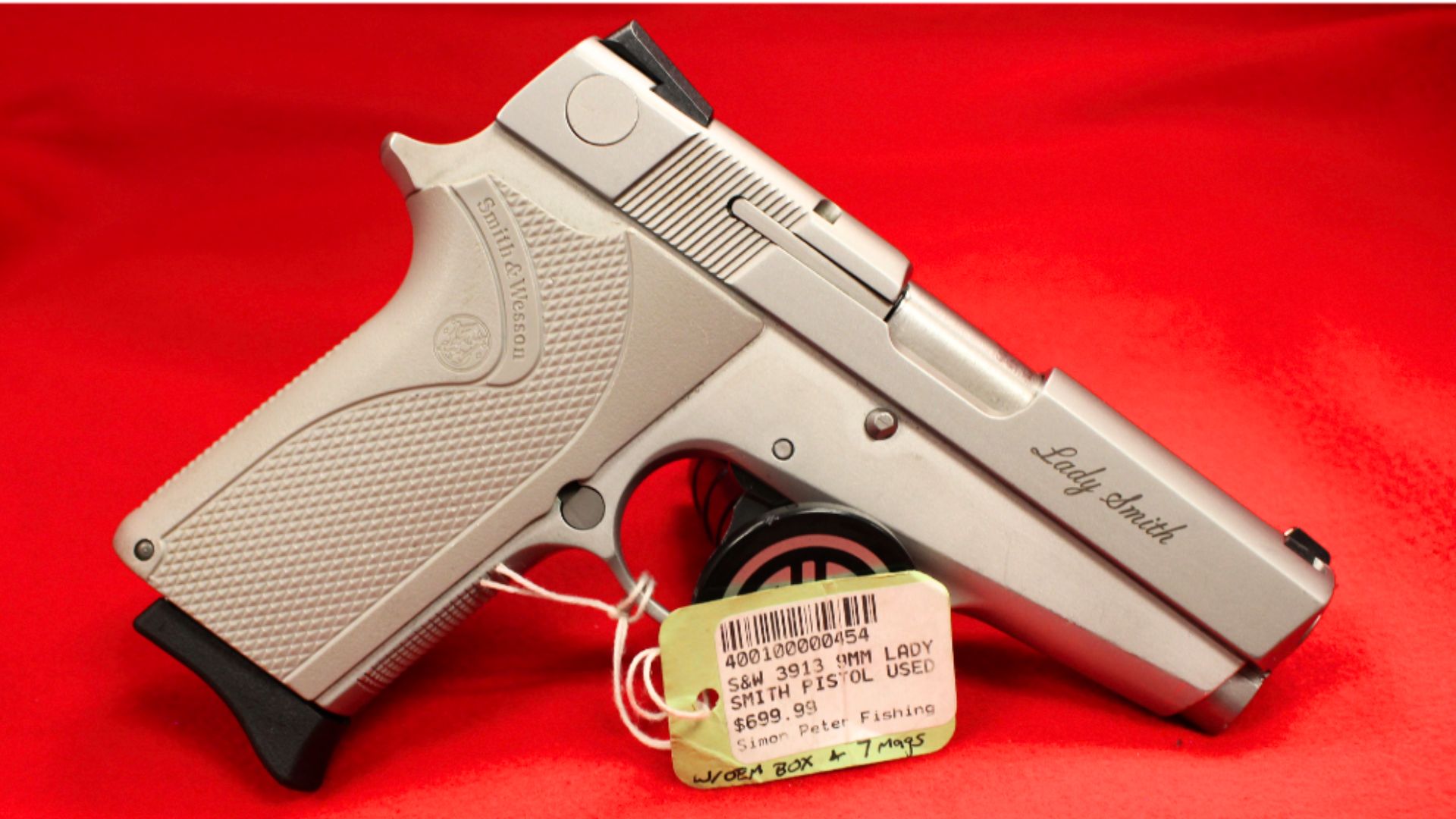
The 3913LS is a great carry pistol—just not for pockets. Its metal frame carries more weight than you expect, and even with a slim profile, it’s simply too long. Every step you take reminds you it’s there.
The hammer and rear sight snag more easily than you’d think. It draws beautifully from a holster, but not from a pocket where fabric grabs every edge.
Beretta Tomcat (.32 ACP)

The Tomcat seems tailor-made for pocket carry, but the thick slide creates an awkward footprint. It prints more than many 9mm micro pistols. The tip-up barrel is great for loading, but in pockets it collects lint in places you can’t easily clear.
The wide frame also makes it sit off-balance, so it tumbles in the pocket unless the holster is extremely stiff. It’s a classic, but not great for true pocket carry.
NAA Guardian 380

The Guardian is essentially a stainless steel brick. It’s durable and reliable, but the weight makes pocket carry uncomfortable. It feels like a set of keys wrapped in lead. After a few hours, it starts printing through lighter clothing.
Recoil is also sharp for such a small gun, and the grip doesn’t give you much control. Shooters often carry it for a week before deciding it belongs in a belt holster instead.
Walther PK380

The PK380 is light, but the overall size makes it a poor fit for pockets. The long slide and extended grip print badly in anything except cargo pockets. Even then, the gun shifts around more than smaller compacts.
Its external controls also make snagging a real concern. Safeties and levers catch fabric during the draw, making the experience slower and less secure than it should be.
KelTec P11

The P11 is simple and compact, but the thick profile makes it feel bulky in a pocket holster. It pushes outwards enough to be visible under most pants. The long, heavy trigger also slows your draw when you’re already dealing with the awkwardness of pocket carry.
The gun’s rough edges—literally—grab pocket fabric. Shooters quickly learn that it’s more at home in a waistband holster.
CZ 2075 RAMI (Alloy)

The RAMI is beloved for its accuracy and feel, but its weight makes pocket carry a struggle. The alloy frame puts surprising downward pull on lightweight pants. After a day of movement, it’s uncomfortable and noticeable.
Its curved slide and double-stack grip also make printing far more obvious than other subcompact pistols. It performs well—just not in a pocket.
Bersa Thunder 380

The Thunder 380 looks small enough for pocket carry, but the grip length and overall height ruin the idea quickly. It sticks out in most front pockets and shifts often, which complicates the draw.
The external safety is another snag point. It’s easy to catch on fabric during a rushed retrieval. It’s a manageable pistol, but not one that disappears in your pocket.
Glock 26

The Glock 26 is a fantastic carry pistol—until you try pocket carry. Its thick double-stack frame creates a large footprint that prints badly, even in baggy clothing. The blocky slide also makes it difficult to anchor safely in a pocket holster.
While it runs flawlessly, it simply isn’t shaped for this role. Shooters who try it once usually never try it again.
SIG P225 (Original)
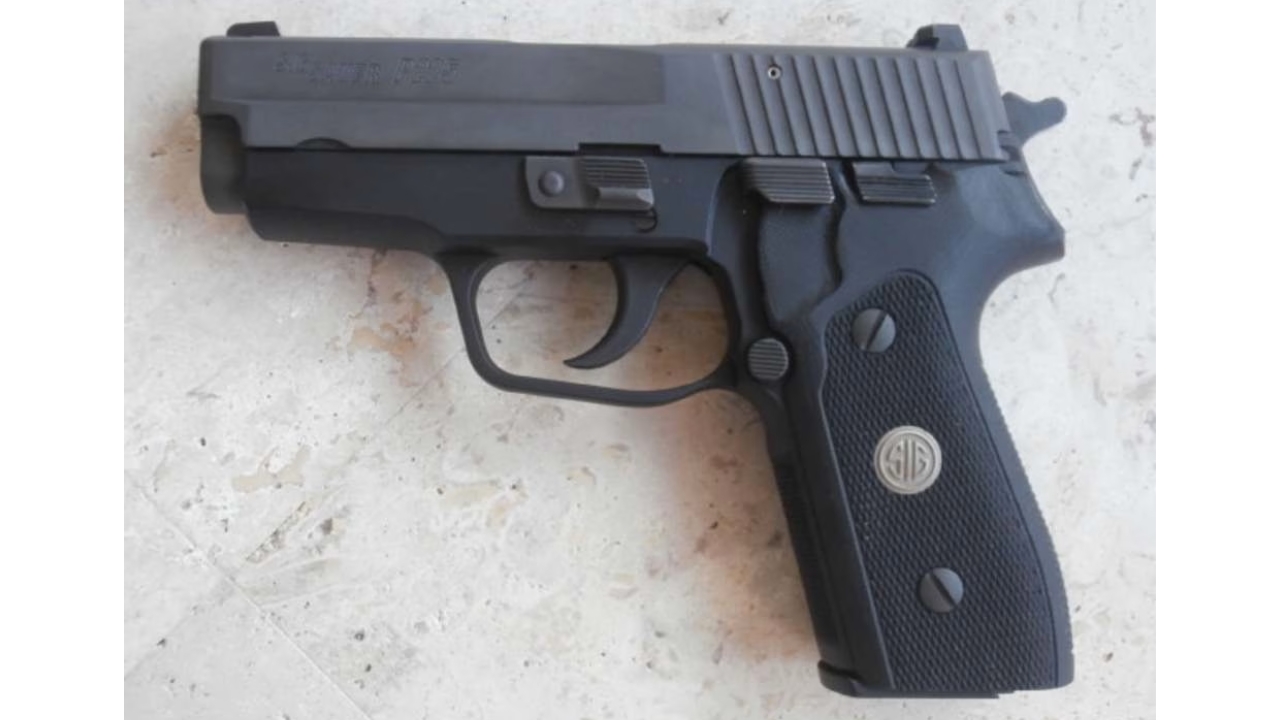
The P225 is slim for a service pistol, but far too large for a pocket. The long slide and tall grip make it impossible to conceal without obvious printing. And at more than 25 ounces, it feels like carrying a hammer in your pocket.
The hammer and rear sight are prone to snagging during the draw. It’s a great shooter—just not a pocket gun.
AMT Backup (.380 Stainless)

The AMT Backup sounds like a pocket dream on paper, but the stainless frame is extremely heavy. It weighs more than many full-size polymer guns. That weight causes the pistol to sag, print, and constantly shift.
The trigger is also stiff, which makes a fast, clean draw harder to manage. Debris buildup in the tight stainless-steel tolerances further complicates reliability.
Rossi M88 (Snub Revolver)
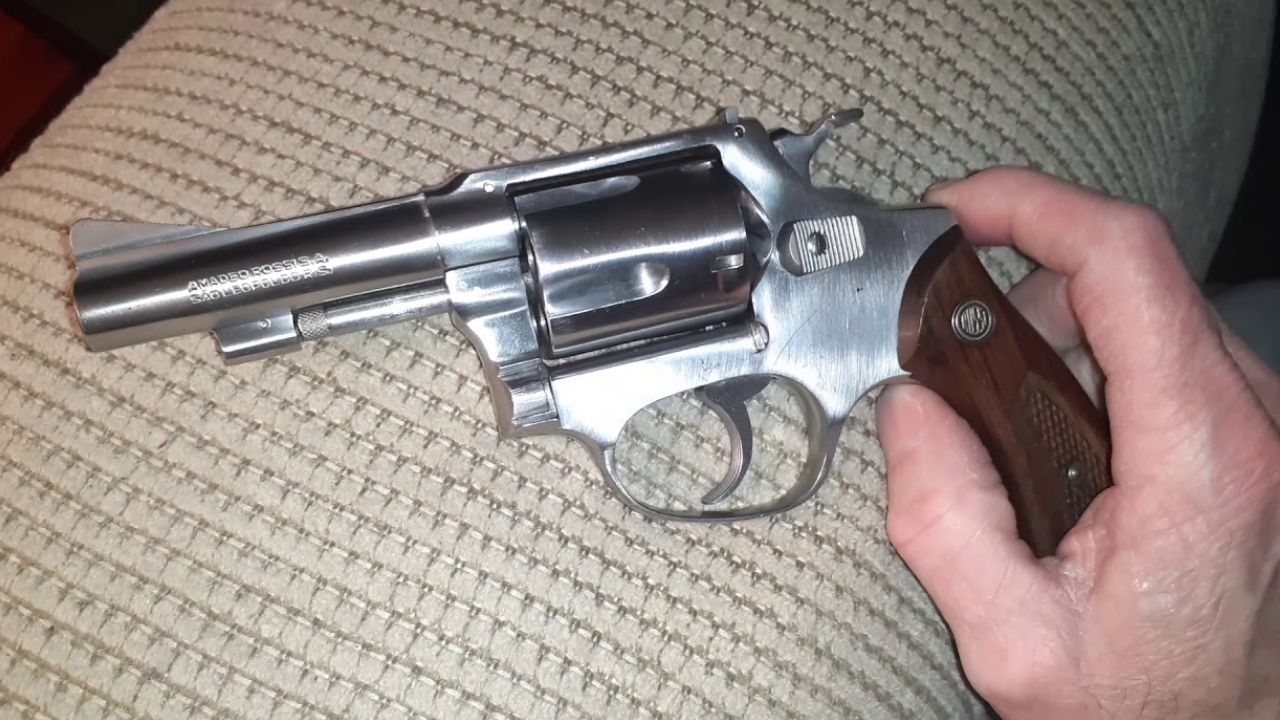
The M88 is compact, but it’s too heavy for pocket carry. The steel frame drags clothing downward and moves around more than lightweight revolvers. As it shifts, the draw angle becomes inconsistent and unpredictable.
The exposed hammer makes snagging a constant concern. In waistband carry it performs well, but in a pocket it turns into a problem almost immediately.
Like The Avid Outdoorsman’s content? Subscribe to our newsletter so you never miss an article.
Here’s more from us: