Photo credit: Great Northwest Weaponry/YouTube
A lot of rifles earn a reputation they never deserved, usually because someone remembers one lucky three-shot group from a decade ago. When you spend real time behind them, those stories start to fall apart fast. Every year you still see certain rifles hauled into camp with confidence that simply doesn’t match how they shoot on paper. Some struggle as the barrel warms. Others shift point of impact from bumps that shouldn’t matter. And plenty ride on nostalgia rather than performance. If you’ve ever had to talk a buddy out of using a rifle that prints patterns instead of groups, this list will feel familiar.
Remington Model 710

You’ll still meet hunters who swear the 710 is “accurate enough for deer,” usually because they sighted it in once and never touched it again. But anyone who’s put the rifle through real range work knows how unpredictable it can be. The cheap synthetic stock flexes under pressure, throwing off shots with even light bipod or sling tension.
The factory barrel also tends to walk as it heats, so three-shot groups look passable while five-shot groups fall apart. Add in a rough bolt feel and wandering zero, and you end up with a rifle that only behaves when conditions are perfect.
Browning A-Bolt II Stainless Stalker
The A-Bolt II has its fans, but “accurate enough” doesn’t always hold up when you start running longer strings or pushing past 150 yards. Some rifles from this era suffer from inconsistent bedding, which opens groups in strange ways. Hunters often blamed ammo, but the real issue was stock-to-action fit that shifted with temperature changes.
As the rifle warmed, point of impact could drift more than most shooters realized in the field. You might land the first cold shot right where you want it, but follow-ups didn’t always land close. For a rifle that looks polished, accuracy wasn’t always predictable.
Savage 114 American Classic
The 114 carried the Savage reputation for good barrels, but it didn’t always translate into tight groups. The long, lightweight walnut stock had a tendency to warp slightly with humidity or pressure. Even a little contact against the barrel could open things up fast. Hunters would chalk misses up to “bad luck,” but it was often the rifle shifting from day to day.
Early triggers on these rifles also varied a lot between examples, and creep becomes obvious when you’re trying to shoot steady off bags. It’s a rifle that could shoot well, but rarely did so consistently without tuning.
Zastava M70

Plenty of hunters bought the M70 because it looked and felt like a traditional European hunting rifle, but accuracy wasn’t its strong suit. The barrels were serviceable, but the bedding work from the factory was uneven. Some rifles responded well to handloads, while others threw unpredictable flyers no matter what you fed them.
The heavy trigger didn’t help either, especially for shooters used to lighter American triggers. On a bench, the extra weight and creep show up quickly. In the woods, you might never notice until you start questioning why groups suddenly doubled in size during sight-in.
CZ 550
CZ rifles have a solid following, and the 550 is built like a tank, but accuracy varied widely from rifle to rifle. The massive controlled-round-feed action adds weight and strength, but it also makes the rifle sensitive to bedding pressure. Free-floating wasn’t consistent on early models, and even small contact points could ruin groups.
Some hunters had great results, but others fought wandering zeros every season. The iron sights were a nice touch, but the long action and stock geometry sometimes made scoped shooting awkward. It’s a rifle you really had to tune, and many owners never realized that.
Weatherby Vanguard Series 1
Before the Vanguard Series 2 fixed many issues, the original line had rifles that simply couldn’t hold groups well past three shots. The barrels were accurate enough cold, but as heat built up, groups stretched noticeably. Hunters looking for a one-and-done cold-bore rifle didn’t mind, but anyone practicing for real-world follow-ups started noticing the trend.
The basic trigger on early rifles also had inconsistency problems, especially when worn. Some broke clean, while others stacked or dragged through the pull. For a rifle marketed as a value option, accuracy claims were often optimistic.
Steyr SBS 96

Steyr makes excellent rifles, but the SBS 96 had quirks that made accuracy inconsistent for many hunters. The unique stock shape and safety system complicated mounting certain scopes, and awkward eye relief led to rushed or poorly supported shots. The hammer-forged barrels were good, but many rifles were over-bedded, creating pressure that widened groups.
Hunters who shot only a cold-bore zero sometimes never noticed. But stretch it to five shots or shoot on a warm day, and point of impact shifts became obvious. It’s a rifle that needed careful setup—something most owners never did.
Interarms Mark X
A classic Mauser-style rifle with great bones, the Mark X still suffered from accuracy problems when the factory didn’t bed the action correctly. The recoil lug area was notoriously inconsistent. Some rifles shot beautifully, but others printed groups that seemed to wander across the target.
Thick hunting barrels meant heat wasn’t usually the issue. Instead, the problem came from uneven stock pressure that changed with humidity and recoil cycles. Many hunters decided it was “accurate enough” at normal woods ranges, but stretch it beyond 100 yards and those flyers started stacking up.
Ithaca LSA-65
The LSA-65 was ahead of its time in some ways, but accuracy wasn’t always a selling point. The barrels were decent, yet the action and stock interface left a lot to be desired. Many rifles had slight shifts between seasons, making it hard to trust the zero from year to year.
Triggers varied, and a few rifles had noticeable overtravel that made precision work difficult. In the field, hunters often excused a wide group as “shooter error,” not realizing the rifle was drifting on its own. It’s a rifle remembered more fondly than it performed.
Mossberg 800A
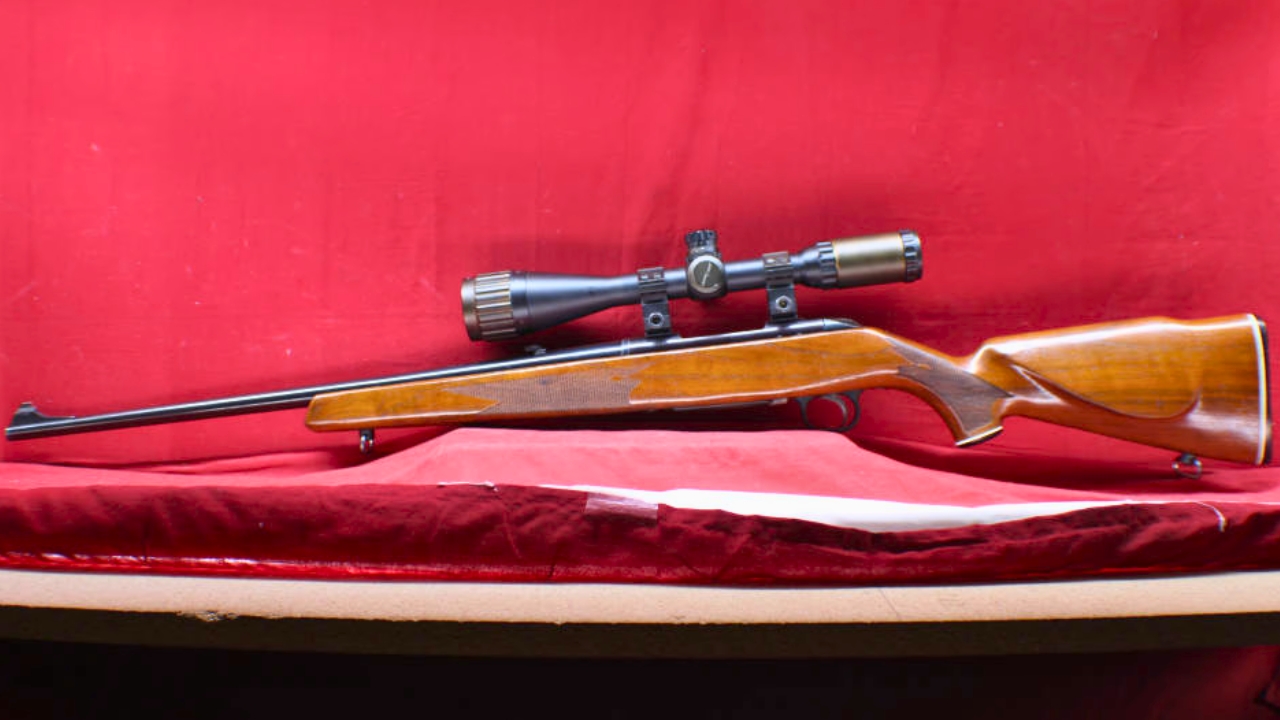
Mossberg’s centerfire rifles never got the same praise as their shotguns, and accuracy was a big reason why. The 800A had a lightweight action paired with thin barrels that heated quickly. After three shots, groups often opened dramatically. Hunters accepted the first cold shot’s location and ignored what happened afterward.
The stocks also flexed more than most people realized. Rest the forend on anything other than your hand, and the barrel could shift point of impact. It’s a rifle that gave decent performance for the price, but never lived up to accuracy claims.
Ruger M77 RSI (International)
The full-length Mannlicher-style stock on the RSI is gorgeous, but it’s also one of the worst designs for precision. That long wood surface expands and contracts with weather, exerting pressure on the barrel that changes every time you shoot. Cold-bore accuracy is often solid, but follow-ups land elsewhere.
Hunters swear the rifle “shoots fine inside 100 yards,” but even that depends on the temperature and humidity. The compact barrel heats fast, and the stock’s pressure points don’t help stability. It’s a classic case of style overpowering function.
Winchester Model 670
A budget version of the Model 70, the 670 looked the part but didn’t deliver the same accuracy. The barrels varied widely, and some were simply rough enough inside to produce inconsistent results. Combine that with simple bedding and a basic trigger, and you end up with rifles that require luck more than skill.
Hunters often kept them because they were affordable and pointed well. But on paper, the story changed fast. Flyers were common, and groups rarely tightened without significant work. It’s one of those rifles you want to love, but it rarely earns that affection.
Tikka 695
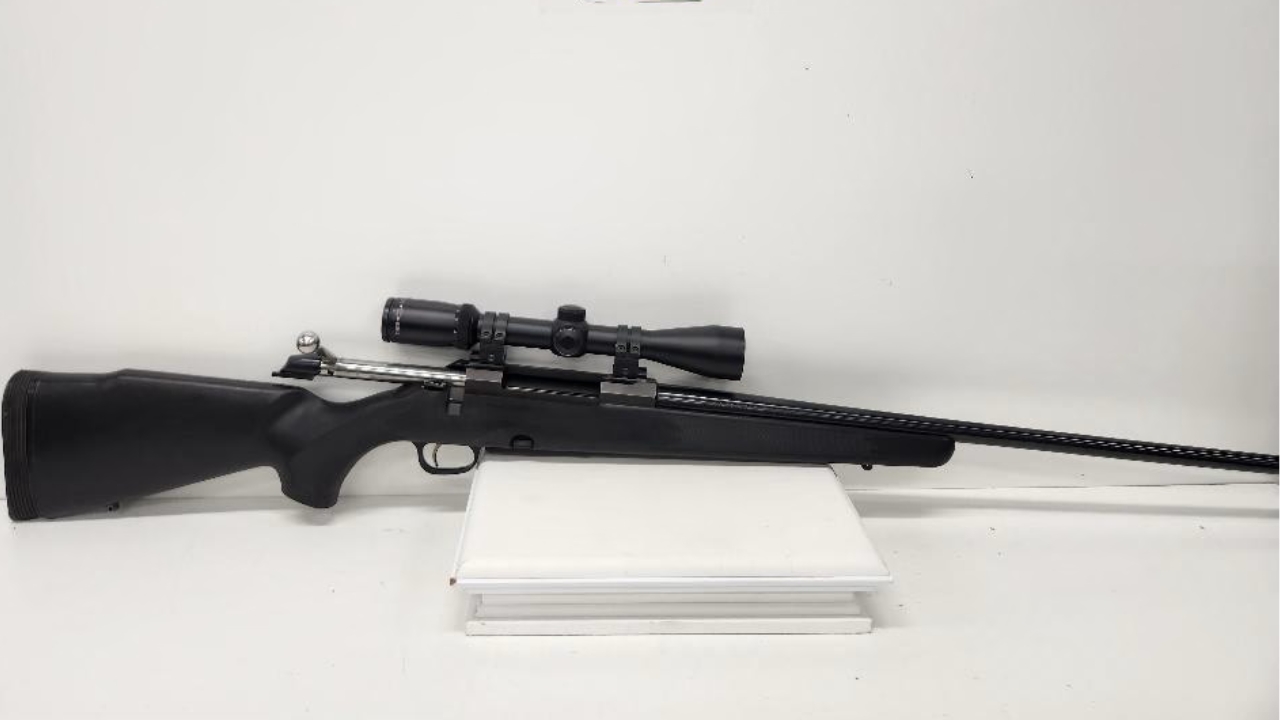
Tikka is known for accuracy today, but not every older model lived up to the modern reputation. The 695 had great potential, but many rifles showed a sensitivity to ammo that caught hunters off guard. If you didn’t find the exact load your rifle liked, groups could double in size.
The stock design also wasn’t ideal for consistent cheek weld with scopes, leading to small variations in alignment that expanded shot dispersion. Hunters would blame the ammo or their shooting position, not realizing the rifle demanded more precision than most were willing to give.
Remington Model 798
Made using imported Zastava actions, the 798 could be a perfectly serviceable rifle—but consistent accuracy wasn’t guaranteed. Some rifles arrived with uneven barrel channels, so free-floating wasn’t really free. Others had triggers that needed adjustment right out of the box.
Hunters who didn’t notice the stock pressure often assumed the gun was fine as long as the first shot hit close enough. But stretch it to a longer string, or shoot in changing weather, and those inconsistencies became obvious. It’s a rifle that needed tuning most buyers never bothered to do.
Howa 1500 Lightning
Howa barrels are normally excellent, but the Lightning trim paired thin barrels with lightweight stocks that flexed more than hunters expected. The combination made accuracy extremely load-sensitive. Three-shot groups might look good, but five-shot groups often ballooned.
The problem worsened when shooting off hard rests or bipods, where pressure on the forend changed the point of impact. Hunters who kept their shooting to calm conditions never noticed, but the flaws showed quickly when temperatures swung or follow-up shots were needed.
Like The Avid Outdoorsman’s content? Subscribe to our newsletter so you never miss an article.
Here’s more from us: